Are Gas Heaters Considered Part Of The Building In Account!
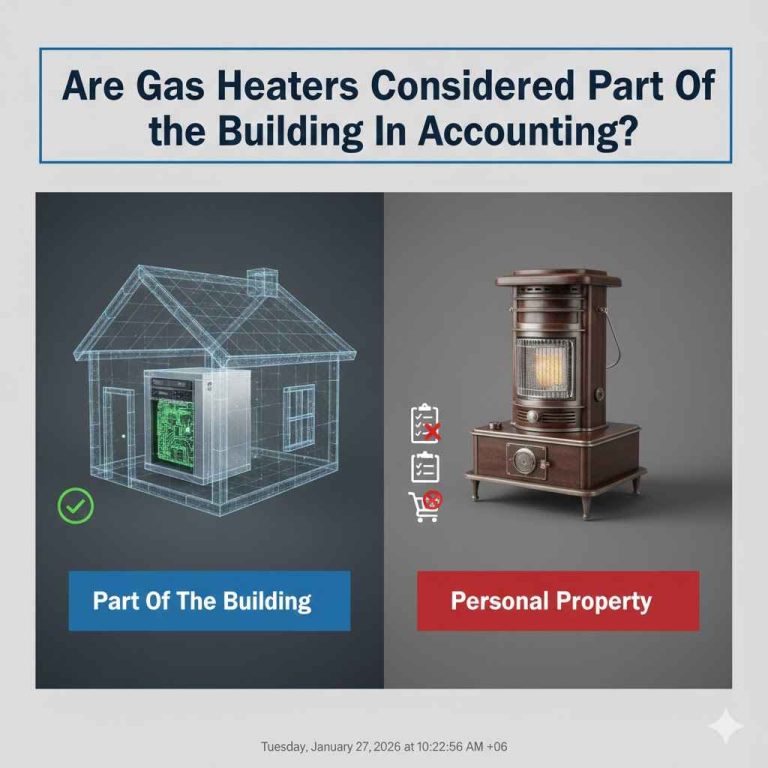
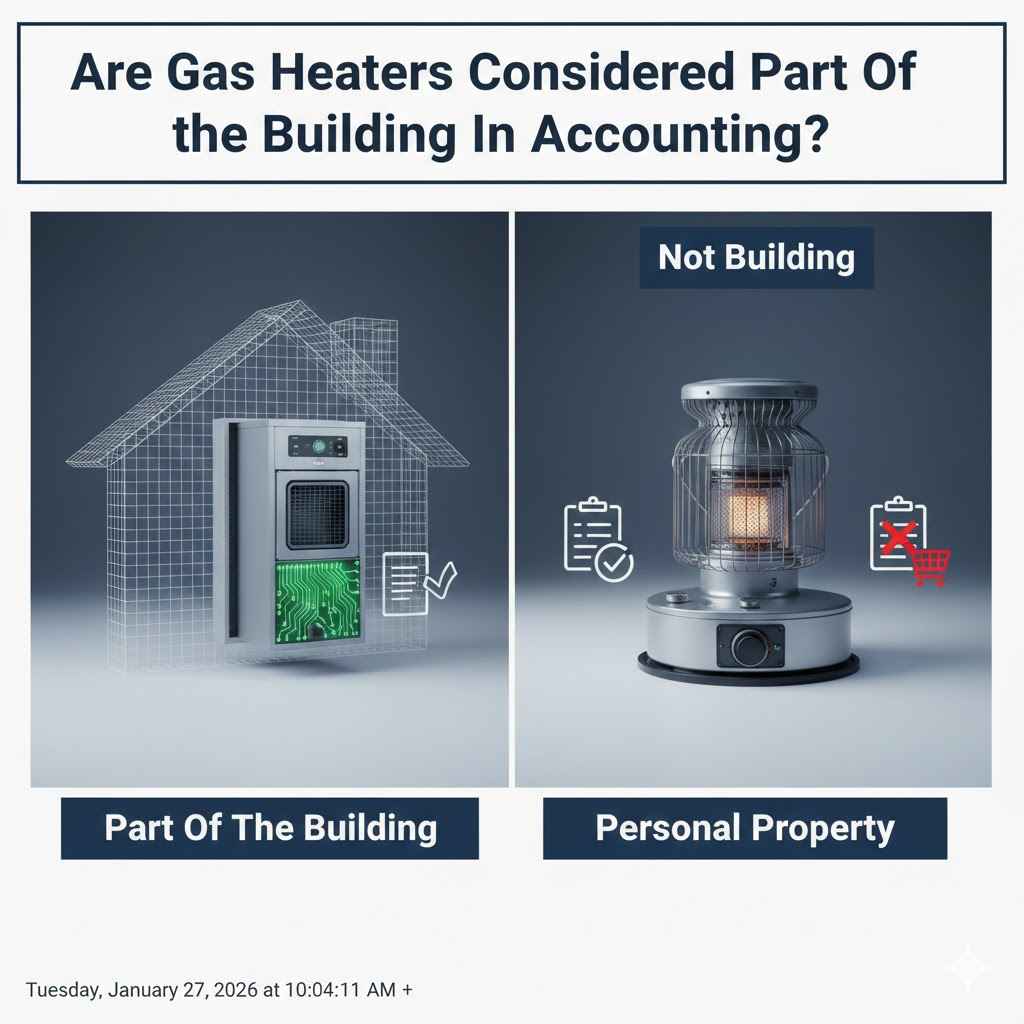
Are gas heaters considered part of the building in accounting? Generally, permanently installed gas heaters, like furnaces or built-in wall units, are considered fixtures and part of the building for accounting and legal purposes. Portable gas heaters, however, are typically personal property. The classification depends on factors like how they are attached, the intent of installation, and local regulations.
For space-specific heating decisions, Swimming Pool Heaters: Gas vs Heat Pump – gives readers another practical setup to compare.
For a closely related heater topic, Are Gas Heaters Considered Part Of The Building gives readers a useful next step.
For a closely related heater topic, Are Gas Heaters Considered Part Of The Building In Accounting? gives readers a useful next step.
Have you ever wondered if that gas heater keeping your home warm is truly “part of the building” from a technical standpoint? It’s a common question that might pop up when you’re buying or selling a home, dealing with insurance, or even just thinking about renovations. This isn’t just a tricky riddle; it has real implications for homeowners and renters alike. Don’t worry, we’re going to walk through this together, simplifying the legal and accounting jargon into plain, friendly terms. By the end of this guide, you’ll confidently understand where your gas heater stands!
Understanding “Part of the Building”: Fixtures vs. Personal Property
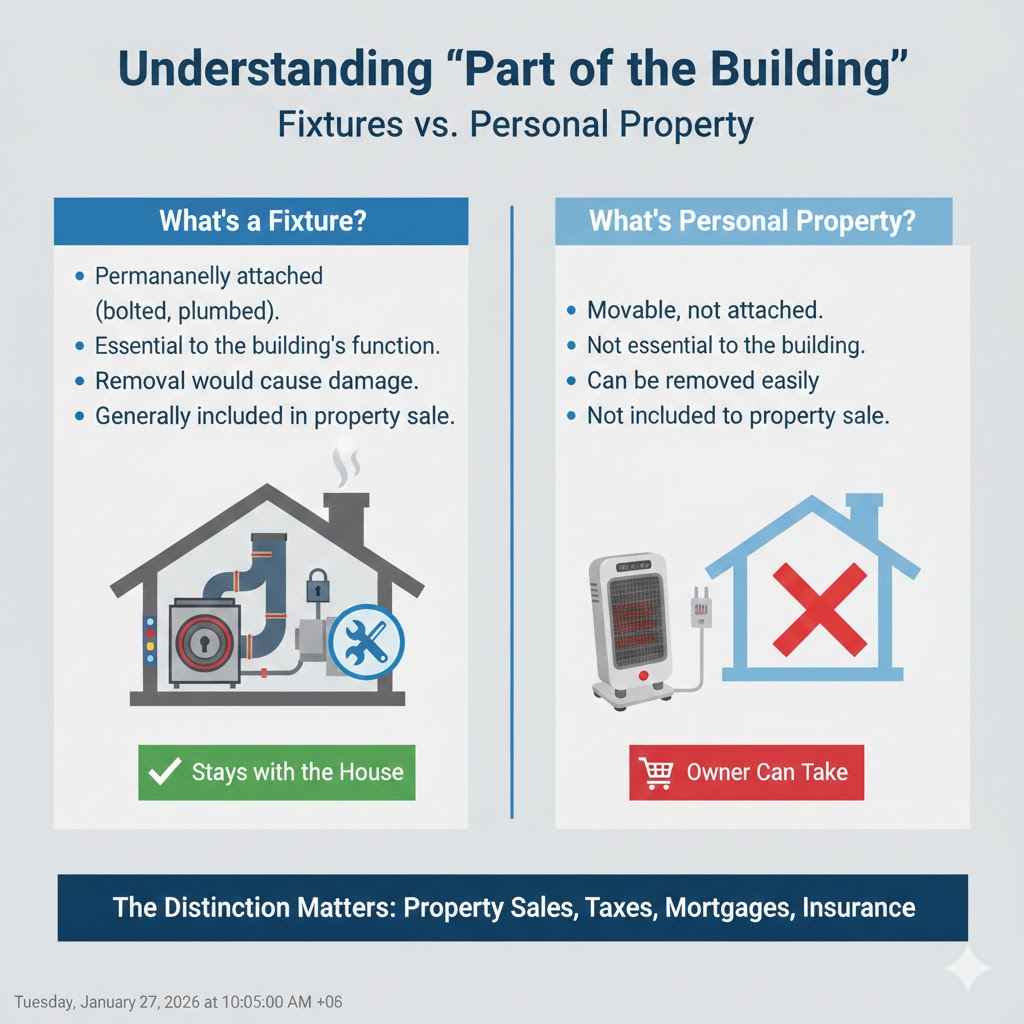
When we talk about something being “part of the building,” we’re diving into a concept that legal and accounting professionals call “fixtures” versus “personal property.” It sounds a bit intimidating, but it’s really quite straightforward once you break it down. Think of it like this: some things are glued down, bolted in, and designed to stay with the house, while others are simply sitting there, ready to be moved at a moment’s notice.
What’s a Fixture?
A “fixture” is an item that was once considered personal property but has become permanently attached to real estate (the land and building) in such a way that it’s now considered part of the real estate itself. When you buy or sell a home, fixtures typically go with the house unless explicitly stated otherwise in the sales agreement.
What’s Personal Property?
“Personal property,” on the other hand, refers to items that are movable and not permanently attached to the real estate. These items are generally not included in the sale of a home and can be taken by the owner.
The distinction between a fixture and personal property is crucial. It impacts:
- Property Sales: What stays with the house when you move?
- Property Taxes: Fixtures can increase the assessed value of a property.
- Mortgages: Lenders might include fixtures in the collateral for a loan.
- Insurance: How are these items covered in case of damage or loss?
Now, let’s explore the key factors that help determine if a gas heater crosses the line from personal property to a fixture.
Key Factors Determining If a Gas Heater Is a Fixture
There isn’t a single, simple rule for all gas heaters. Instead, courts and legal professionals typically look at several factors to decide if an item is a fixture. These factors help paint a clear picture of whether an item was intended to be a permanent addition to the building.
Method of Attachment (How Is It Connected?)
This is often the most important factor. How is the gas heater connected to the building?
- Permanent Attachment: If the heater is bolted to the floor, built into a wall, or connected to the home’s permanent gas lines and ductwork in a way that removal would cause significant damage to the structure, it’s very likely a fixture. Think of a central furnace in your basement or a gas fireplace built into the living room wall.
- Temporary Attachment: If the heater is simply plugged into an outlet, connects to a portable propane tank, or rests on the floor without any structural connection, it’s much more likely to be personal property. A portable gas space heater is a perfect example.
Removing a furnace, for instance, would typically involve disconnecting gas lines, electrical wiring, and ductwork, and might leave a significant hole or gap, indicating it’s a fixture.
Adaptation (Is It Custom-Fit for the Building?)
Is the gas heater specifically designed or adapted for the particular building it’s in, or is the building itself modified to accommodate the heater?
Special Adaptation: If a heater is custom-built to fit a specific alcove, requires unique ductwork, or if the building’s structure was altered significantly to install it (like cutting a large vent hole through an exterior wall for a specific unit), this points towards it being a fixture.
General Use: If the heater is a standard, off-the-shelf unit that could easily be used in many different homes without modification, it’s more likely personal property.
Intent of the Installer (What Was the Plan?)
What was the original intention of the person who installed the heater? Was it meant to be a temporary addition, or a permanent improvement to the property?
- Permanent Improvement: If a homeowner installs a new, efficient gas furnace as part of a home renovation, their intent is generally to improve the property permanently.
- Temporary Use: A renter might bring in a portable gas heater for extra warmth during the colder months, with the clear intent of taking it when they move out.
This “intent” can be difficult to prove and is often inferred from the method of attachment and adaptation. However, if there are written agreements (like a lease stating that a tenant-installed item remains the tenant’s property), that agreement typically clarifies intent.
Agreement Between Parties (Any Contracts?)
Sometimes, the classification is simply laid out in a written agreement.
- Purchase Agreements: When you buy or sell a home, the contract often specifies which items are included or excluded, regardless of whether they are technically fixtures. This is why a seller might specifically list that a wall-mounted TV bracket (a fixture) is included, but the TV itself (personal property) is not.
- Lease Agreements: For renters, the lease agreement might specify what items installed by the tenant are considered part of the building or can be removed.
It’s always a good idea to clearly define what stays and what goes in any property transaction. For example, the National Association of Realtors offers standard forms that can help clarify these points. You can find more information about understanding real estate contracts from resources like Realtor.com.
Local Laws and Building Codes
The legal definition of what constitutes a fixture can vary slightly by state, county, or even city. Building codes also play a role, as certain permanent heating installations must comply with specific regulations, implicitly classifying them as part of the structure.
- State Real Estate Law: Each state has laws governing real property, which includes definitions of fixtures.
- Local Ordinances: Some local jurisdictions might have specific rules for certain types of installations.
It’s wise to consult local government websites or a local real estate attorney if you have specific concerns about your area. For instance, many state government sites, like a Department of Revenue, might have detailed explanations regarding property assessments, which touch upon what is considered real property. For example, some states publish specific guides on what is taxable as real property versus personal property.
Common Gas Heater Types and Their Classification
To make this even clearer, let’s look at different types of gas heaters and how they generally fit into the “fixture” or “personal property” categories.
| Gas Heater Type | Typical Classification | Reasoning |
|---|---|---|
| Central Gas Furnace | Fixture | Permanently connected to gas lines, ductwork, and electrical systems. Removal would damage structure and render home unheated. Often installed as part of original construction. |
| Gas Boiler (Hydronic Heating) | Fixture | Permanently connected to gas lines, water pipes, and electrical systems. Essential to the home’s heating infrastructure. |
| Built-in Gas Fireplace | Fixture | Integrated into the wall structure, connected to permanent gas lines and venting. Often requires masonry or framing work. |
| Wall-Mounted Gas Heater (Ventless or Vented) | Fixture (usually) | Bolted to the wall, connected to a permanent gas line. Removal typically leaves mounting holes and a gas line stub. |
| Gas Water Heater | Fixture | Permanently connected to gas lines and water supply/drainage. Essential household utility. |
| Outdoor Gas Fire Pit (Built-in) | Fixture | Constructed into a patio or landscape, connected to an underground gas line. |
| Portable Gas Space Heater | Personal Property | Freestanding, uses a portable propane tank or a flexible hose to an existing gas outlet (often temporary). No permanent attachment to the structure. Easily moved. |
| Outdoor Gas Patio Heater (Freestanding) | Personal Property | Freestanding, typically uses a propane tank. Easily moved. |
As you can see, the key really is the degree of permanence and integration with the building’s systems. A gas appliance that is a core part of the home’s infrastructure is almost always a fixture.
Why This Classification Matters to You
Now that we understand the definitions, let’s get into why this distinction between a gas heater being a fixture or personal property is important for real-life situations. As Tanim, I want to make sure you’re equipped with practical knowledge!
1. Buying or Selling a Home
This is where the fixture vs. personal property debate often heats up (pun intended!).
- As a Buyer: You generally expect fixtures to stay with the home. This includes the central furnace, built-in wall heaters, and gas water heater. If a seller intends to take a built-in item, it must be explicitly excluded in the purchase agreement. Otherwise, you might assume it’s included, leading to potential disputes.
- As a Seller: If you want to take a gas heater that might be considered a fixture (perhaps a custom-built, designer wall unit), you must explicitly state its exclusion in the listing and the sales contract. Conversely, if you want to leave a portable gas heater as a gift to the buyer, you can also state that clearly.
A good real estate agent will help clarify these points, but ultimately, the written agreement is what counts. Always review your sales contract carefully to see what items are specifically included or excluded from the sale.
2. Property Taxes
Fixtures are considered part of the real estate, which means they contribute to the overall assessed value of your property.
- When you install a new, permanent gas furnace or a built-in gas fireplace, this improvement typically adds to the value of your home, and consequently, can increase your property taxes.
- Personal property, like a portable gas heater, generally does not affect your property’s assessed value for real estate tax purposes.
Understanding this can help you anticipate changes in your property tax bill after major home renovations. You can often find information on property assessments on your local county assessor’s website or state Department of Revenue.
3. Homeowner’s Insurance
Your insurance coverage can be affected by whether an item is considered a fixture or personal property.
- Fixtures: These are typically covered under the “dwelling” portion of your homeowner’s insurance policy, as they are considered part of the physical structure of your home. If your furnace is damaged in a fire, for example, your dwelling coverage would likely apply.
- Personal Property: Portable gas heaters and other movable items are usually covered under the “personal property” or “contents” portion of your policy. This coverage often has different deductibles or limits compared to dwelling coverage.
It’s always a good idea to review your specific insurance policy with your agent to understand exactly what is covered and under which section. This ensures you have the right protection for all your home’s components.
4. Landlord-Tenant Relationships
For renters, the distinction is vital for understanding ownership and responsibilities.
- If a gas heater (like a furnace) was already in the home when you rented it, it’s a fixture owned by the landlord. They are responsible for its maintenance and repair.
- If you, as a tenant, bring in a portable gas heater, it’s your personal property. You own it, you’re responsible for it, and you take it with you when you move out.
- What if a tenant installs a permanent gas heater? This gets tricky. Without a clear agreement, the heater could become a fixture and thus the landlord’s property. Always get written permission and a clear agreement from your landlord before installing anything that could be considered a fixture.
A detailed lease agreement should cover these scenarios, so always read your lease carefully. For more general information on landlord-tenant laws, reputable sources like Nolo.com provide excellent guides.
5. Financing and Appraisals
When a home is appraised for a mortgage, fixtures are included in the property’s value.
- Lenders want to know the true value of the real estate, which includes all permanent attachments.
- An appraiser will evaluate the condition and functionality of permanent heating systems like gas furnaces as part of their assessment.
This is another reason why maintaining your built-in gas heating systems is important, as it directly contributes to your home’s overall value and appeal.
Steps to Determine Your Gas Heater’s Classification
Feeling a bit overwhelmed? Don’t be! Here’s a simple, step-by-step approach you can take to figure out the classification of your gas heater.
- Observe the Attachment:
- Is it bolted, screwed, welded, or built into a wall or floor?
- Is it connected to permanent utility lines (gas, water, ducts, hardwired electricity) that would require professional disconnection and potentially leave a hole or damage?
- If yes, it leans heavily towards being a fixture. If no, and it’s simply plugged in or freestanding, it’s likely personal property.
- Consider the Adaptation:
- Was the building modified specifically for this heater, or vice-versa?
- Does it fit a custom space?
- If yes, it’s likely a fixture.
- Recall the Intent:
- When was it installed? Was it part of the original construction, a major renovation, or a temporary addition for extra warmth?
- Who installed it – a builder, a previous owner making improvements, or you for temporary comfort?
- The more it feels like a permanent improvement, the more likely it’s a fixture.
- Check Your Agreements:
- If you bought the home, review your purchase contract. Was the heater specifically mentioned as included or excluded?
- If you’re a renter, read your lease agreement. Are there clauses about tenant improvements or items that become the landlord’s property?
- Written agreements always override general rules!
- Consult Local Resources (If Needed):
- If you’re still unsure, especially for complex situations or when buying/selling, contact your real estate agent, a property attorney, or your local tax assessor’s office. They can provide guidance specific to your location and situation.
Maintaining Your Gas Heater: Keeping It Safe and Efficient
Regardless of whether your gas heater is a fixture or personal property, proper maintenance is key for safety and efficiency. As Tanim, your friendly home heating guide, I want to share a few tips!
| Type of Maintenance | Frequency | Why It Matters |
|---|---|---|
| Professional Inspection & Tune-Up | Annually (before heating season) | Ensures safe operation, maximum efficiency, prevents breakdowns, extends lifespan. Essential for both fixed and built-in units. |
| Filter Replacement (Furnace) | Every 1-3 months (depending on usage/pets) | Improves air quality, maintains airflow, reduces energy consumption, protects furnace components. |
| Carbon Monoxide Detector Check | Monthly (test button) | CRITICAL safety check. Gas heaters produce carbon monoxide; detectors save lives. Replace detectors every 5-7 years. |
| Cleanliness (Exterior & Vents) | Regularly (as needed) | Prevents dust buildup, ensures proper airflow, reduces fire hazards, allows for visual inspection of components. |
| Clearance (for all heaters) | Constantly (check surroundings) | Ensures adequate space around the unit, preventing fire hazards, especially for portable heaters near curtains, furniture, or bedding. |
For more specific guidance on gas heater safety, always refer to reputable resources such as the Consumer Product Safety Commission (CPSC) or your local fire department. They provide invaluable information to keep your home safe and warm.

Frequently Asked Questions About Gas Heaters and Property Classification
Q1: If I install a brand-new, high-efficiency gas furnace in my home, is it considered part of the building?
A1: Yes, almost certainly. A new furnace is a permanent upgrade, connected to the home’s essential utility systems, and clearly intended to be a long-term improvement to the property. It will be considered a fixture.
Q2: Does a portable gas space heater count as part of the building?
A2: No, generally not. Portable gas space heaters are freestanding, not permanently attached, and can be easily moved from one location to another. They are almost always considered personal property.
Q3: What’s the easiest way to tell if a gas heater is a fixture or personal property?
A3: The easiest way is to look at how it’s connected. If it’s bolted, plumbed into gas lines, or built into the wall and removal would cause damage or require professional disconnection, it’s likely a fixture. If it just sits on the floor or plugs into an outlet, it’s personal property.
Q4: Will classifying my gas heater as a fixture affect my home insurance?
A4: Yes. Fixtures (like a furnace) are usually covered under the dwelling portion of your homeowner’s insurance, protecting the structure itself. Personal property (like a portable heater) is covered under the personal property/contents section, which might have different coverage limits or deductibles. Always check your policy.
Q5: If I’m renting, who owns the gas heater – me or my landlord?
A5: Any gas heater that came with the rental property (like the central furnace) is owned by your landlord and is a fixture. If you bring a portable gas heater, it’s your personal property. If you wish to install something permanent, you MUST have a written agreement with your landlord first.
Q6: Where can I find specific local rules about fixtures in my area?
A6: You can check your local county’s property tax assessor’s office website or your state’s real estate commission website. For legal advice, consult a local real estate attorney.
Q7: Does the age of the gas heater matter for its classification?
A7: Not directly. An old, original furnace is still a fixture, just like a brand-new one. The age might affect its value or functionality, but not its fundamental classification as part of the building if it’s permanently attached and essential.
Wrapping Up Your Understanding of Gas Heater Classification
Navigating the ins and outs of what truly belongs to your home versus what’s just visiting can feel a bit like a maze. But when it comes to your gas heater, understanding whether it’s a fixture or personal property for accounting and legal purposes is genuinely helpful. We’ve explored the key factors—how it’s attached, if it’s specially adapted, the intent behind its installation, and any agreements you might have. We’ve also seen how different types of gas heaters typically fall into these categories, and most importantly, why this distinction matters to you as a homeowner or renter.
Remember, permanent installations like your central furnace or a built-in gas fireplace are almost always considered part of the building. They’re built-in, essential, and their removal would affect the home’s integrity. Portable units, on the other hand, are your personal companions, coming and going with you.
This knowledge empowers you, whether you’re cozying up with a new gas heater, preparing to sell your home, or simply reviewing your insurance policy. If you ever find yourself in a truly complex situation, especially involving property transactions or legal disputes, always reach out to a professional like a real estate agent or an attorney. They can offer advice tailored to your specific circumstances and local regulations.
Stay warm, stay informed, and enjoy the comfort of your home!