Portable Heaters Allowed for Safe Warmth
Yes, portable heaters are generally allowed in many settings, but with important safety and facility rules to consider. This guide will help you understand where they’re permitted, the common restrictions, and how to use them safely to ensure comfort and compliance.
Cold snaps can make any room feel less than cozy. When your central heating isn’t quite cutting it, or you’re looking for a way to warm up a specific space like a home office or a chilly basement, a portable heater might seem like the perfect solution. But before you plug one in, a crucial question pops up: Are portable heaters even allowed?
It’s a common concern, especially for renters, dorm residents, or those in shared living situations like assisted living facilities. The good news is that portable heaters are often permitted, but there are almost always rules and safety guidelines in place. Navigating these can feel a bit tricky, but don’t worry! I’m here to break it all down for you, nice and simple, so you can stay warm and worry-free.
This guide will walk you through everything you need to know, from understanding typical policies to choosing the right heater and using it safely. By the end, you’ll feel confident knowing exactly what’s allowed and how to enjoy your portable heater responsibly.
Understanding Portable Heater Policies
The permission and rules for using portable heaters can vary significantly depending on the type of building or facility you live in. It’s less about whether the heater itself is inherently banned and more about safety, fire prevention, and the specific regulations of your living space.
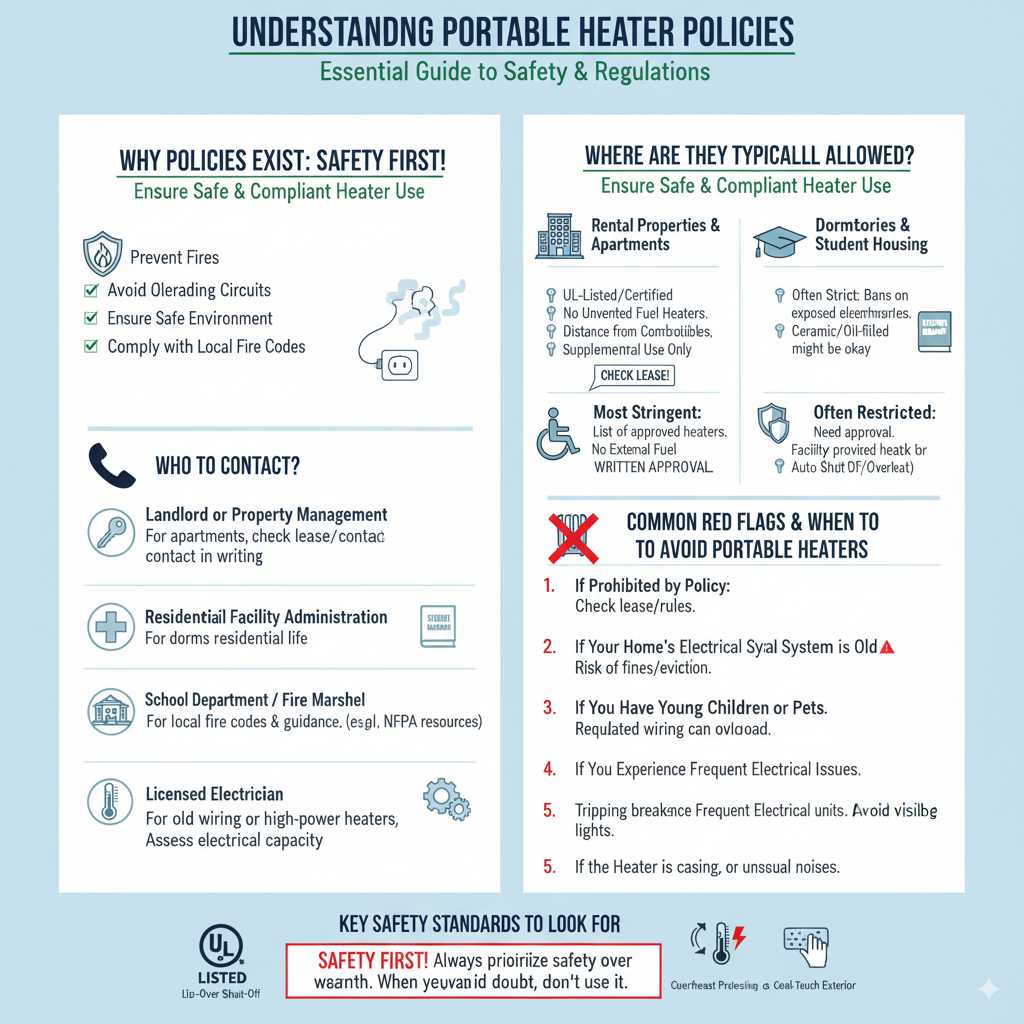
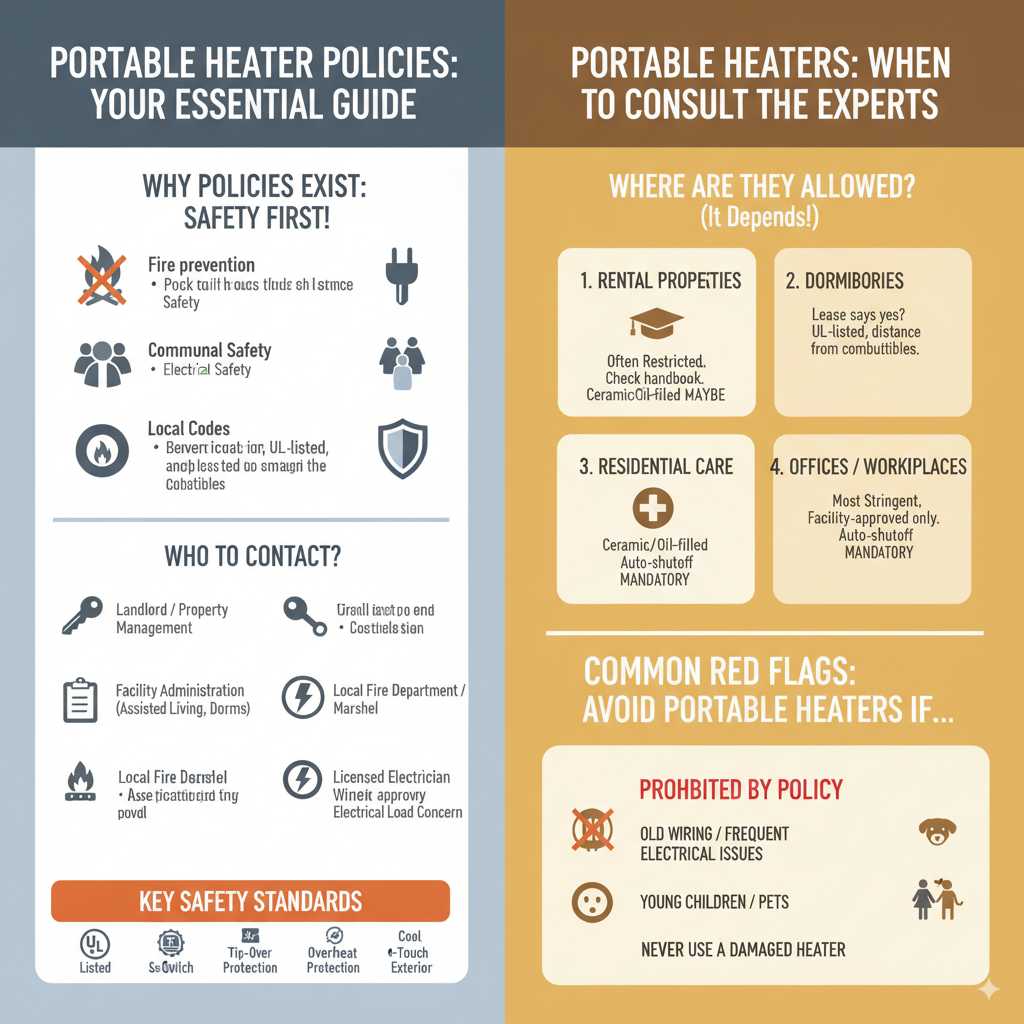
Why Policies Exist: Safety First!
The primary reason for restrictions is safety. Portable heaters, if not used correctly, can pose fire and electrical hazards. Policies are designed to:
- Prevent fires caused by overheating, improper placement, or faulty wiring.
- Avoid overloading electrical circuits, which can lead to power outages or electrical fires.
- Ensure a safe environment for all residents, especially in communal living spaces.
- Comply with local fire codes and building regulations.
Where Are Portable Heaters Typically Allowed?
Generally, in single-family homes where you own the property, you have a lot of freedom. However, even here, sensible safety practices are important. For other living arrangements, the answer becomes more nuanced:
1. Rental Properties and Apartments
Many landlords and apartment complexes allow portable heaters, but often with specific stipulations. These might include:
- Requiring that the heater is UL-listed or has similar safety certifications.
- Prohibiting certain types of heaters (like unvented fuel-burning heaters).
- Requiring you to maintain a certain distance from combustible materials.
- Specifying that the heater is for supplemental use only, not to replace the main heating system.
Always check your lease agreement or ask your landlord or building management in writing before bringing a portable heater into your rented space.
2. Dormitories and Student Housing
Dorm rooms often have strict rules due to the high density of people and older building infrastructures. Many colleges and universities ban certain types of portable heaters, especially those that use exposed heating elements or open flames. Electric heaters that meet specific safety standards (like ceramic or oil-filled radiators) might be allowed. Refer to your student housing handbook or the residential life office for exact rules.
3. Residential Care Facilities (Assisted Living, Nursing Homes)
This is where policies are often the most stringent. When considering are portable heaters allowed in residential care facilities, the answer is usually nuanced. These facilities prioritize resident safety above all else. Many will have a list of approved types of heaters or may even provide approved heaters themselves.
Common restrictions in these settings include:
- Prohibition of space heaters with exposed heating elements.
- Bans on heaters that require external fuel sources.
- Mandatory safety inspections of any personal heater brought in.
- Requirements for automatic shut-off features (tip-over switches, overheat protection).
It is absolutely essential to get written approval from the facility administration before introducing any portable heating device. They will guide you on what is acceptable and ensure it meets their safety protocols.
4. Offices and Workplaces
Many offices have policies against personal space heaters to avoid electrical strain and potential fire hazards. If allowed, they often need to be approved by facilities management and must meet specific safety certifications. Some workplaces may provide designated, approved heaters for shared spaces.
Key Safety Standards to Look For
When purchasing a portable heater, or if your facility asks about it, ensure it has prominent safety certifications. The most common and widely recognized is the UL Listed mark. This means the product has been tested by Underwriters Laboratories and meets specific safety requirements. Other recognized marks include ETL and CSA.
Look for heaters with built-in safety features:
- Automatic Tip-Over Shut-Off: This immediately turns the heater off if it’s accidentally knocked over.
- Overheat Protection: Shuts the unit down if it reaches an unsafe temperature.
- Cool-Touch Exterior: The outer casing stays relatively cool to prevent burns upon accidental contact.
Types of Portable Heaters and Their Allowed Uses
Not all portable heaters are created equal, and some types are better suited for certain environments and are more likely to be permitted. Understanding the differences helps in making a safe choice.
Common Types of Portable Electric Heaters
Electric heaters are usually the most common and accepted type of portable heater in regulated environments because they don’t produce emissions like fuel-burning ones.
| Heater Type | How it Works | Pros | Cons | Typical Permissibility |
|---|---|---|---|---|
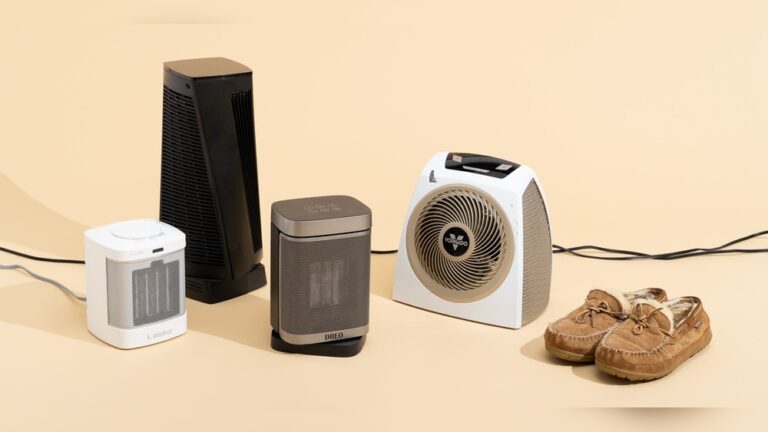
| Ceramic Heaters | Electricity passes through ceramic plates, which then radiate heat. Often have a fan to distribute the warm air. | Fast heating, compact, generally safe enclosed elements, easy to store. | Can be noisy due to the fan, may dry out the air. | High. Commonly allowed in most residential settings due to safety features. |
| Oil-Filled Radiator Heaters | Electricity heats a metal element inside, which warms up thermal oil. The oil circulates heat to the fins of the radiator, which then radiate heat into the room. | Quiet operation, provides steady, radiant heat, outer surfaces don’t get excessively hot, energy-efficient once warmed up. | Slow to heat up initially, heavier and bulkier than ceramic heaters. | High. Popular choice for bedrooms and living areas due to their quiet and steady heat. |
| Infrared Heaters | Emit infrared radiation (light waves) that directly heat people and objects, not just the air. | Heats without drying out the air, very quiet, energy-efficient for direct heating. | Takes longer to feel the heat as it heats objects first, less effective in large, drafty spaces. | Moderate to High. Usually allowed if they meet safety certifications, as they don’t heat the air directly like convection heaters. |
| Convection Heaters | Heat the air in the room by drawing cool air in, warming it, and then releasing it back into the room. | Can heat a whole room effectively, often quiet. | Slower to heat up than fan-forced heaters, air can become dry. | Moderate. Depends on the design; fan-forced may be more restricted than cabinet-style convection heaters. |
| Fan Heaters (e.g., Coil or Resistance Wire) | Use a fan to blow air over exposed heating elements (like coils or nichrome wire). | Heat up a space very quickly. | Can be noisy, exposed elements can be a fire hazard if not properly guarded, can dry out air significantly. | Low to Moderate. Often restricted or banned in dorms and care facilities due to the exposed heating elements and higher risk. |
Heaters Generally NOT Allowed in Regulated Settings
Certain types of heaters are almost always prohibited in shared living spaces, dorms, and care facilities due to inherent risks:
- Kerosene/Propane Heaters: These burn fuel, producing carbon monoxide (CO) and other harmful gases. They require ventilation and are a significant fire risk. You can learn more about carbon monoxide safety from the U.S. Consumer Product Safety Commission (CPSC).
- Unvented Gas Heaters: Similar to fuel-burning heaters, these pose risks of gas leaks and air pollution.
- Heaters with Exposed Heating Elements: Especially those with glowing red coils or open flames. These are a direct fire hazard if anything comes too close.
- Micathermic Heaters: While they offer quiet, radiant heat, some facilities may have specific rules against them if they aren’t UL-listed with all modern safety features.
How to Use a Portable Heater Safely
Even if your portable heater is allowed, using it safely is non-negotiable. Following these guidelines will help prevent accidents and ensure you stay warm without worry.
Step-by-Step Safe Usage Guide
- Read the Manual Always start by reading the manufacturer’s instructions and warnings. This is the best way to understand your specific model’s features and limitations.
- Choose the Right Location Place the heater on a firm, level, and non-flammable surface. Never place it on soft surfaces like beds, sofas, or carpets that can block vents or catch fire. Maintain a minimum clearance of at least 3 feet (about 1 meter) from any curtains, furniture, bedding, paper, or other combustible materials. Keep it away from doorways and high-traffic areas where it could be easily knocked over.
- Check the Cord and Plug Inspect the power cord and plug for any damage before each use. Never use a heater with a frayed cord or a damaged plug. Ensure the plug fits snugly into the wall outlet. Avoid using extension cords if possible, as they can overheat and pose a fire risk. If an extension cord is absolutely necessary, use one specifically rated for the heater’s wattage.
- Plug Directly into the Wall Outlet Portable heaters draw a lot of power. Plug yours directly into a properly grounded wall receptacle. Do not plug it into the same outlet as other high-power appliances (like microwaves, hair dryers, or toasters) or into power strips, as this can overload the circuit.
- Never Leave Unattended This is one of the most critical safety rules. Always turn off and unplug a portable heater when you leave the room, even for a short period, and especially before going to sleep. Modern heaters with safety features are safer, but they are not foolproof.
- Utilize Safety Features Make sure any safety features (like tip-over switches and overheat protection) are functioning correctly. Test the tip-over switch by gently tilting the heater to ensure it shuts off.
- Keep Away from Water Never use a portable heater in wet or damp areas, such as bathrooms, laundry rooms, or near sinks. Water and electricity are a dangerous combination.
- Regular Maintenance Keep the heater clean by dusting it regularly. Dust buildup can clog vents and cause overheating. Follow manufacturer instructions for any specific maintenance requirements.
- Consider a Timer or Smart Plug For convenience and added safety, consider using a heater with a built-in timer or a smart plug that can be programmed to turn off automatically after a set period. This provides an extra layer of security against forgetting to turn it off.
- Ventilation While electric portable heaters don’t produce carbon monoxide, ensuring some ventilation in the room can help prevent air from becoming stale and can also help manage humidity.
Choosing the Right Portable Heater for Your Needs
Selecting a heater that is both effective and permissible involves a few considerations. Think about the size of the space you need to heat, your budget, and, of course, the rules of your living environment.
Factors to Consider When Buying
- Room Size: Heaters are usually rated for specific room sizes. A small bathroom needs less power than a large living room. A common guideline is 10 watts per square foot.
- Heating Type: As discussed, ceramic and oil-filled radiators are generally good, safe choices for supplemental heating in bedrooms or offices.
- Safety Features: Prioritize models with UL listing, tip-over shut-off, and overheat protection.
- Noise Level: If you’re sensitive to noise, look for models known for quiet operation, such as oil-filled radiators or some infrared models.
- Energy Efficiency: While portable heaters are great for localized heating, they can be energy-intensive. Look for models with adjustable thermostats and multiple heat settings to manage energy use.
- Portability and Storage: Consider the weight and size if you plan to move it frequently or store it during warmer months.
Energy Efficiency Tips
Portable heaters are best used for heating a single room or a small area, making them more energy-efficient than running your central heating for the whole house. Here are more tips:
- Thermostat Control: Use the thermostat to maintain a comfortable temperature without overheating the room, and turn it down when the room isn’t in use.
- Setback Temperatures: If your heater has programmable settings or you use a smart plug, set it to a lower temperature when you’re asleep or away.
- Seal Drafts: Make sure windows and doors are properly sealed to prevent warm air from escaping. Use draft stoppers or weatherstripping.
- Close Doors: Keep the door to the room you’re heating closed to trap the heat inside.
- Dressing Warmly: Layering clothing and wearing warm socks can allow you to set the thermostat a few degrees lower.
When to Consult Professionals or Authorities
In some situations, it’s wise to seek guidance from experts or the relevant authorities to ensure you’re making the safest and most compliant choices.
Who to Contact?
- Landlord or Property Management: For apartments, condos, or rented houses, your lease agreement is the first place to look. If unsure, always contact your landlord or property manager in writing for clarification.
- Residential Facility Administration: For assisted living, nursing homes, or other care facilities, the facility’s administration or resident services department will have clear policies and approved lists of devices.
- School Housing Office: For dormitories, consult your college or university’s residential life or housing office.
- Fire Department/Fire Marshal: If you have concerns about fire safety regulations in your area or are unsure about specific heater types, your local fire department or fire marshal’s office can provide official guidance. They often have resources on their websites detailing safe practices. For example, the National Fire Protection Association (NFPA) offers extensive resources on home heating safety.
- Licensed Electrician: If you are concerned about your home’s electrical system’s capacity or are planning to use a heater that draws significant power, a licensed electrician can assess your wiring and outlets.
Common Red Flags and When to Avoid Portable Heaters
Despite wanting to stay warm, there are times when using a portable heater might not be the best or safest option:
- If Prohibited by Policy: Never use a heater if your lease, building rules, or facility policy explicitly forbids it. The risks of damage, fines, or even eviction are significant.
- If Your Home’s Electrical System is Old: Older homes may have outdated wiring that cannot safely handle the load of modern portable heaters.
- If You Have Young Children or Pets: Extra caution is needed. Ensure any heater used is very stable, has a cool-touch exterior, and is placed well out of reach. Burners with visible coils should be avoided.
- If You Experience Frequent Electrical Issues: If your breakers trip often or you notice flickering lights, your electrical system might be overloaded, and adding a space heater could be dangerous.
- If the Heater is Damaged: Never use a heater that has a damaged cord, plug, or casing, or one that makes unusual noises.
Frequently Asked Questions (FAQ)
Q1: Can I use any type of portable heater in my apartment?
Generally, electric portable heaters with safety certifications like UL listing are allowed in apartments, but always check your lease agreement or ask your landlord.