Are Quartz Portable Room Heaters Economical: Essential Guide
Quartz portable room heaters can be an economical choice for supplemental heating if used wisely. They offer quick, radiant warmth for personal spaces, potentially saving money on whole-house heating costs. However, their efficiency depends on room size, insulation, and usage patterns.
Keeping your home cozy doesn’t have to break the bank. If you’ve ever shivered in a room that feels perpetually chilly, you’ve probably wondered about portable heaters. Quartz heaters are a popular option, but a common question pops up: “Are quartz portable room heaters economical?” It’s a smart question to ask! You want warmth, but you also want to watch your energy bills. Navigating the world of home heating can feel a bit confusing with all the different types and technologies available. But don’t worry, I’m here to break it all down for you. We’ll explore exactly how quartz heaters work, how they stack up against other heating methods, and how you can use them smart to stay warm without spending too much. Let’s discover if a quartz heater is the right, budget-friendly solution for your comfort needs.
What Exactly is a Quartz Heater?
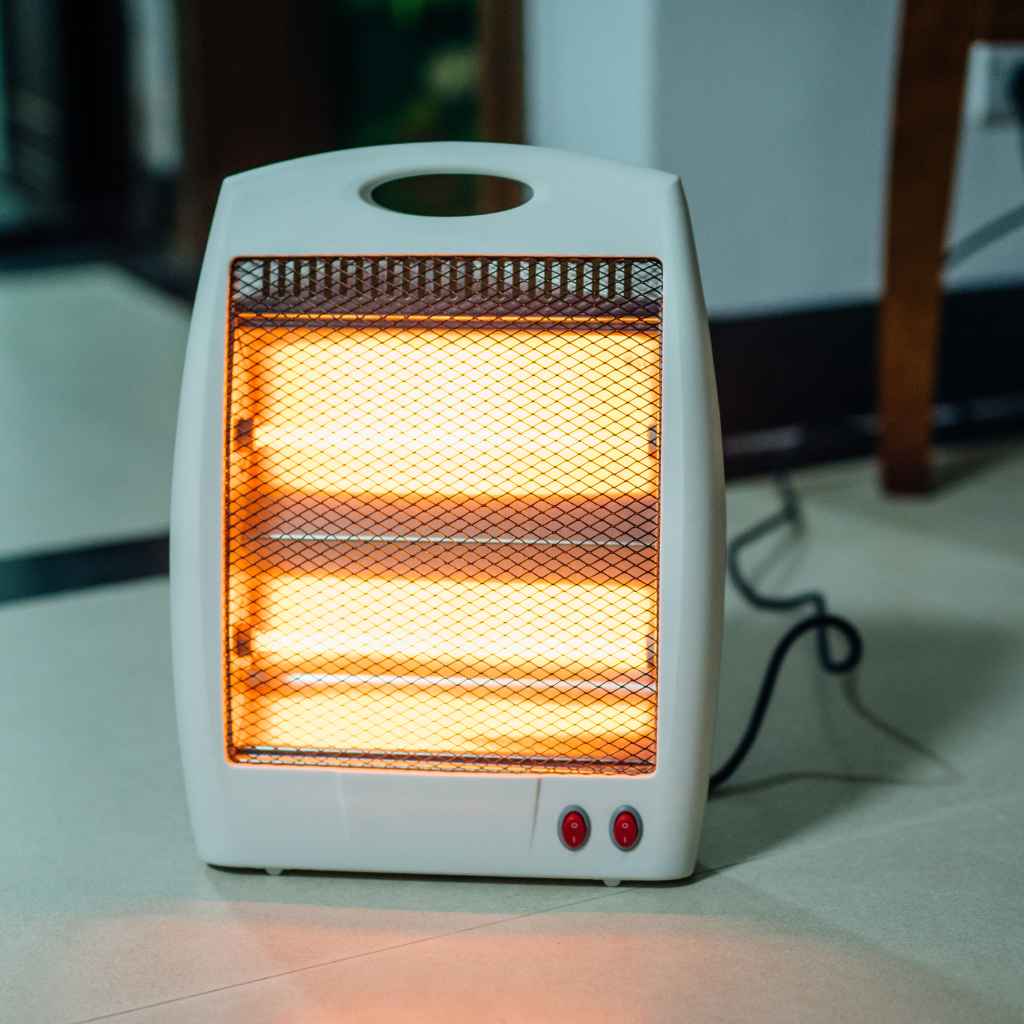
Let’s start with the basics. A quartz heater is a type of portable radiant heater. When you turn it on, electricity heats up quartz elements inside the heater. These elements glow, and this glow directly emits radiant heat. Think of it like the warmth you feel from the sun – it travels directly to you, heating objects and people in its path, rather than just warming the air around it. This is why they feel warm so quickly!
How They Work: The Radiance Explained
The core of a quartz heater is its heating element. These are typically metal coils (like nichrome wire) housed within or surrounded by quartz tubes. Quartz is a material that can withstand very high temperatures without cracking and is also transparent to infrared radiation, allowing the heat to escape efficiently.
When electricity flows through the coil, it heats up and glows red-hot. This heat energy is then emitted as infrared radiation. This radiation travels in straight lines and warms surfaces it hits – your skin, furniture, walls – making you feel warm almost instantly. Unlike convection heaters that warm the air, quartz heaters provide a more directed, immediate warmth.
Are Quartz Portable Room Heaters Economical? Breaking Down the Costs
This is the big question, isn’t it? The “economical” aspect of quartz heaters really depends on how you define it and how you use them. They aren’t always the cheapest to run per hour compared to some other methods, but they can be economical in specific situations.
Understanding Energy Consumption
Most portable electric heaters, including quartz ones, use a significant amount of electricity. A common quartz heater wattage can range from 400 watts to 1500 watts, with many popular models sitting around 1200 watts.
To get a rough idea of running costs, you can use this formula:
Cost per hour = (Wattage of heater / 1000) Electricity price per kilowatt-hour (kWh)
For example, if your electricity costs $0.15 per kWh and you run a 1200-watt (1.2 kW) heater for one hour:
Cost = (1.2 kW / 1000) 15 cents/kWh = 1.2 15 = 18 cents per hour.
This might seem small, but over many hours, it adds up. It’s crucial to know your local electricity rates for an accurate cost. You can usually find this information on your electricity bill or by contacting your provider.
When Quartz Heaters Can Be Economical
Quartz heaters shine in specific scenarios where their radiant heat is most effective:
Spot Heating: If you only need to warm a small, localized area (like your desk space, a chair, or a small bathroom for a few minutes), a quartz heater can be very economical. You’re heating you, not the entire room. This avoids heating a large, empty space with central heating when you only need personal warmth.
Supplementing Central Heating: In rooms that are difficult to heat or as a backup when your main heating system struggles, a quartz heater can add targeted warmth. This might allow you to turn down your central thermostat by a degree or two, saving energy overall for your whole home. A study from the U.S. Department of Energy highlights that using portable heaters for specific areas can indeed lead to savings if you lower your thermostat.
Quick Warm-Up: Because they heat objects directly, quartz heaters provide warmth almost instantly. This is great for getting a small space comfortable fast, meaning you might not need to run it for extended periods.
Lower Initial Cost: Compared to some other heating solutions, the upfront purchase price of a quartz heater is often quite affordable, making it an accessible option.
When They Might Not Be Economical
Heating Large Rooms: Quartz heaters are best for small to medium spaces. Trying to heat a large living room or an open-plan area with a single quartz heater will be inefficient. The heat is directional, and it won’t effectively circulate to warm the entire volume of air.
Primary Heating Source: They are generally not recommended as the sole heating source for a home, especially in colder climates. Their energy consumption is too high to be cost-effective for continuous, whole-house heating.
Poorly Insulated Spaces: If a room has drafts or lacks good insulation, the heat generated will escape quickly, meaning the heater has to work harder and longer to maintain the desired temperature, driving up costs.
Long Operational Periods: If you plan to run a quartz heater for many hours a day, every day, the electricity costs can become substantial, potentially exceeding the cost of more efficient central heating (if used appropriately).
Comparing Quartz Heaters to Other Portable Heaters
To truly understand if quartz heaters are economical, it helps to compare them with other common types of portable heaters:
Quartz Heaters vs. Ceramic Heaters
Ceramic Heaters: These use a ceramic plate that heats up and is then cooled by a fan, which blows the warm air into the room.
Pros: Good at heating the air in a room relatively quickly, often have features like oscillation to distribute heat.
Cons: Can be noisier due to the fan, heat can dissipate if the fan isn’t running or the room is large.
Economy: Similar wattage to quartz heaters, so running costs are comparable. The fan uses a little extra electricity. Ceramic heaters are better for warming the air in a space; quartz heaters are better for direct, personal warmth.
Quartz Heaters vs. Infrared Heaters (Non-Quartz)
Infrared Heaters (e.g., carbon fiber, halogen): These also use radiant heat but may use different elements and wavelengths.
Pros: Very fast radiant heat, often highly efficient at transferring heat directly. Some advanced models can offer a wider, more even radiant field.
Cons: Can be more expensive than basic quartz models.
Economy: Often very similar running costs to quartz heaters, as they’re also electric radiant heaters. The key is the efficiency of heat transfer.
Quartz Heaters vs. Oil-Filled Radiators
Oil-Filled Radiators: These are electric heaters that heat oil contained within sealed fins. The oil then circulates and heats the metal surfaces, which radiate heat and warm the air via convection.
Pros: Provide a more gentle, consistent, and sustained heat. They are very quiet and don’t blow air, so they don’t dry it out as much. They also retain heat for a while after being turned off.
Cons: Take a long time to heat up initially. Best for continuous, longer-term heating of a specific room.
Economy: While they use electricity, their slow, steady heat release can make them feel more efficient for maintaining a temperature over many hours. They might have a slightly higher wattage than some quartz heaters but can provide a more comfortable, uniform heat for a room.
Quartz Heaters vs. Fan Heaters (Simple Resistance Coil)
Fan Heaters: These are basic electric heaters with a resistance coil that heats up, and a fan blows air over it to circulate warm air.
Pros: Inexpensive to buy, heat up quickly.
Cons: Can be noisy, dry out the air, and the heat distribution can be uneven.
Economy: Similar wattage and running costs to quartz heaters. They offer convective heat rather than radiant.
Key Factors Influencing the Economy of Quartz Heaters
To make an informed decision about whether a quartz heater is economical for you, consider these crucial factors:
1. Room Size and Insulation
Small Rooms: Excellent! A quartz heater can warm a small bedroom, office nook, or bathroom efficiently.
Medium Rooms: Can work as supplemental heat or for shorter periods.
Large / Open-Plan Rooms: Not ideal. The heat is too localized, and you’ll likely be running the heater constantly, leading to high bills.
Insulation: Highly insulated rooms retain heat better. Poorly insulated rooms (older windows, drafts) will cause heat to escape, forcing the heater to work harder and cost more to run. Check for drafts around windows and doors. You can use draft stoppers or weather stripping to improve insulation. The EPA’s guide to home energy efficiency offers great tips on improving insulation.
2. Usage Habits
Spot Heating vs. Room Heating: Using it to warm just yourself for an hour while reading is economical. Trying to heat the entire room for 8 hours daily is not.
Duration: The longer you run it, the more electricity it consumes.
Thermostat Control: Many modern quartz heaters come with adjustable thermostats. Using these to maintain a comfortable temperature rather than blasting heat is key. Setting it to your desired warmth and letting it cycle on and off is much more economical than manual operation.
When You Use It: Are you using it to avoid turning up your main thermostat? This is where the savings can happen. If you only need a little extra warmth in one area, a quartz heater can be cheaper than heating the whole house.
3. Your Electricity Rates
As shown in the cost calculation earlier, your local electricity price per kWh is a direct factor in how much you’ll pay to run the heater. Higher rates mean higher costs.
4. Heater Wattage and Efficiency
Wattage: Higher wattage means more power and faster heating, but also higher energy consumption.
Efficiency: While most electric resistance heaters are close to 100% efficient at converting electricity to heat, the delivery of that heat is what matters for economy. Radiant heaters are efficient at delivering heat directly to people and objects.
Features to Look For in an Economical Quartz Heater
When shopping for a quartz heater, keep these features in mind that can enhance its economical use:
Adjustable Thermostat: This is crucial. It allows you to set a target temperature, and the heater will cycle on and off to maintain it, preventing overheating and saving energy.
Multiple Heat Settings: Allows you to choose lower wattage settings for less intense heat or warmer days, saving power when full heat isn’t needed.
Timer Function: Lets you set the heater to turn off automatically after a certain time. This is great for falling asleep or ensuring you don’t leave it on unnecessarily.
Tip-Over Protection: A safety feature that automatically shuts off the heater if it’s knocked over. While not directly related to economy, safety is paramount for any heating appliance.
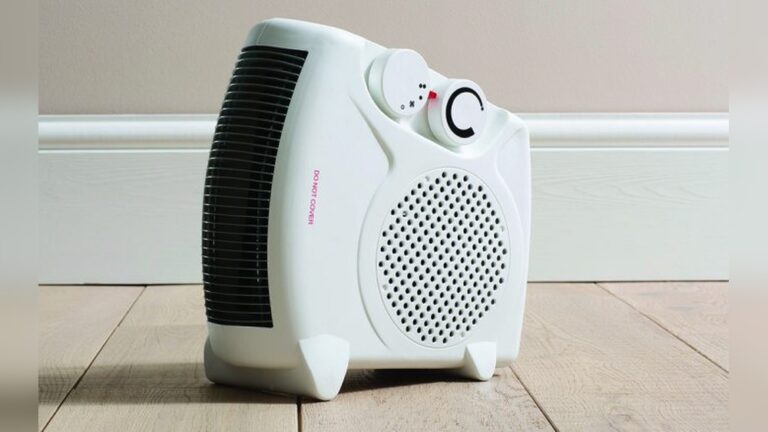
Safety Grills: Keep the heating elements from being touched.
Compact and Portable Design: Easy to move to the exact spot where you need warmth, maximizing its direct heating effect.
How to Use Your Quartz Heater Most Economically
Here’s a practical guide to getting the most warmth for your money:
1. Position it Wisely: Place the heater close to where you’ll be sitting or working. Aim it directly at yourself. This maximizes the benefits of radiant heat. Don’t place it where the heat will be immediately lost, like directly in front of a drafty window.
2. Use it for Spot Heating: Reserve it for warming only the specific area you are occupying. If you’re at your desk, aim it at your feet and legs. If you’re on the couch, position it to warm that seating area.
3. Leverage the Thermostat: Set the thermostat to the lowest comfortable temperature for you. Don’t crank it up to the maximum if you only need a little warmth. Let the thermostat do its job to cycle the heater and maintain the temperature efficiently.
4. Combine with Other Heat Sources (Strategically): Use it to supplement your main heating. If one room is drafty, use the quartz heater there so you can turn down the central thermostat a degree or two for the rest of the house. This can lead to significant energy savings.
5. Use the Timer: If you tend to fall asleep with the heater on, use the timer function to set it to turn off after an hour or two. This saves electricity and is safer.
6. Maintain Your Heater: Keep the intake and output vents clean and free of dust. A cleaner heater operates more efficiently.
7. Improve Room Insulation: Seal drafts around windows and doors. Close curtains at night. These simple steps help the heater’s warmth stay in the room, reducing its need to run continuously.
8. Consider Room Size: Only use it in appropriate-sized rooms where direct radiant heat is effective. For larger spaces, you might need a heater with a fan to circulate warm air (like a ceramic heater) or consider if central heating is actually more suitable in the long run.
Safety First! Essential Precautions
While quartz heaters can be economical and convenient, safety should always be your top priority.
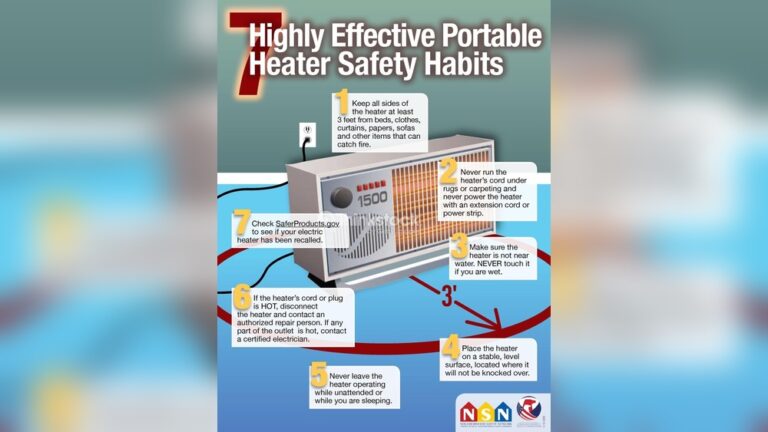
Never leave unattended: Even with tip-over protection, don’t leave them running when you’re not present.
Keep clearances: Ensure there’s ample space around the heater. Obstructions can cause it to overheat and pose a fire risk. Check the manufacturer’s recommendations for clearance (typically 2-3 feet).
Avoid water: These are electric appliances and should never be used in bathrooms or near water sources.
Use on a stable surface: Always place them on a flat, stable, non-flammable floor.
Inspect cords: Check the power cord regularly for any damage. If damaged, stop using it immediately and have it repaired or replaced.
Don’t cover it: Never put clothes, blankets, or anything else over the heater.
Turn off and unplug: When not in use, make sure to turn it off and unplug it.

Frequently Asked Questions About Quartz Portable Room Heaters
Q1: How much electricity does a quartz heater use per hour?
A1: A quartz heater typically uses between 400 and 1500 watts. For a common 1200-watt model, it uses 1.2 kilowatt-hours (kWh) per hour. Your actual cost depends on your local electricity rate per kWh.
Q2: Are quartz heaters safe for continuous use?
A2: While they can be used for extended periods, they are generally meant for supplemental or targeted heating, not as a primary, continuous heat source for an entire home. For safety, never leave them running unattended and ensure proper clearances are maintained.
Q3: Can quartz heaters dry out the air?
A3: Quartz heaters provide radiant heat, which warms objects and people directly. They don’t typically dry out the air as much as fan-forced heaters that blow air over a hot element. However, any heat source can slightly reduce humidity in a room.
Q4: Are quartz heaters good for small bedrooms?
A4: Yes, quartz heaters can be very effective and economical for small bedrooms. They offer quick, targeted warmth, which is ideal for personal comfort without needing to heat the entire room when you’re just using it for sleeping.
Q5: How do I calculate the running cost of my quartz heater?
A5: Find your electricity rate per kWh (on your bill). Multiply the heater’s wattage (divided by 1000 to get kW) by the number of hours you use it, then multiply that by your kWh rate. Example: 1.2 kW heater 3 hours $0.15/kWh = $0.54 for 3 hours of use.
Q6: Is it cheaper to heat one room with a quartz heater or run my central heating less?
A6: This depends heavily on your home’s insulation, your central heating system’s efficiency, and how much you lower your thermostat. If you only need warmth in one specific area for a short time, a quartz heater is likely more economical than heating the whole house. If you need consistent, widespread warmth, optimizing your central heating might be better. The U.S. Department of Energy suggests that lowering your central thermostat and using portable heaters for localized warmth can indeed be a cost-effective strategy.
Q7: Why does my quartz heater take a long time to heat up the room?
A7: Quartz heaters are designed for radiant heat, meaning they warm objects and people directly, not the air. If you are expecting them to warm the entire room’s air volume quickly like a fan-forced heater, you will be disappointed. They excel at immediate personal warmth. If the room is large or poorly insulated, the radiant heat may feel less impactful over distance or if it dissipates quickly.
Conclusion: Making an Economical Choice
So, are quartz portable room heaters economical? The answer, as we’ve seen, is a nuanced “yes, if used correctly.” They are not a magic bullet for cheap whole-house heating. Instead, their economy shines when deployed as smart, supplemental tools for targeted warmth.