Best Portable Heaters for Off-Grid Cabins (2026): We Compared
The best portable heater for off-grid cabins is a portable propane heater for occupied space; choose battery-powered electric only for short runtimes from a large inverter or generator. Pick the wrong fuel or power source and you waste fuel, drain batteries fast, or create carbon monoxide and moisture problems in a small cabin. This guide compares portable cabin space-heating options by fuel supply, power draw, ventilation, and insulation level.
Quick comparison
| Product | Badge | Best for | Price | ||
|---|---|---|---|---|---|
 |
Mr. Heater 9,000 BTU Portable Buddy Midnight Series RadiantMr. Heater | Our pick | 9,000 BTU · propane · radiant | $89.99
Price as of 20 Nov 2026
|
View |
 |
Reddy Heater 50,000 BTU Forced Air Kerosene HeaterReddy Heater | Also great | 50,000 BTU · kerosene/diesel · forced air | $248.00
Price as of 20 Nov 2026
|
View |
 |
Camco Olympian Wave Heater Leg StandsCamco | Also great | $30.88
Price as of 20 Nov 2026
|
View |
This guide separates weekend, winter-dormant, occupied, and emergency-backup cabins because each one needs a different heat target. A cabin that only needs frost protection should not be sized like one that must stay comfortable for people all day and night.
How we chose
The picks below rely on manufacturer specs, listing details that affect installation and safety, and published buyer feedback about runtime, setup, and reliability.
For off-grid use, the main filters are fuel availability, ventilation needs, whether the heater can run without grid power, and whether the cabin can handle the heat load without overworking the unit.
We also separated comfort heating from frost protection. That matters more than brand name in a small cabin.
Cabin heater decision table
| Scenario | Recommended heater type | Required power or fuel input | Ventilation need | Expected limitation | Solar | Battery | Propane | Generator |
|---|---|---|---|---|---|---|---|---|
| Weekend cabin | Solar air heater with thermal storage, or a small vented propane heater for evening use | 1 m² to 2 m² collector, or propane supply with manual/battery ignition depending on model | Low for solar; high for combustion heat | Solar heat is daytime-only unless stored; propane is not a sleeping-space shortcut | Yes | No | Yes | Yes, if used to recharge or power an approved electric unit |
| Winter-dormant cabin | Frost-protection heat, usually a propane or electric backup tied to monitoring | Low continuous input, often far below comfort-heating levels | High for combustion units | Power loss or fuel loss can freeze pipes; insulation still matters first | Only with storage and clear weather | Yes, if runtime is enough | Yes | Yes |
| Occupied cabin | Vented propane heat, with solar support and a backup power plan | Fuel supply sized to the cabin load, or electric heat only with a strong inverter or generator | High for combustion units; follow the manual and use carbon monoxide protection | Moisture, clearance, and refueling all matter; outdoor-only combustion equipment stays outside | Yes, as support | Limited | Yes | Yes |
| Emergency backup cabin | Battery-powered space heater for short outages, or propane heat for longer outages | Portable power station in Wh plus heater wattage, or propane tank reserve | Moderate to high, depending on heater type | Battery runtime is short; generator noise and fuel logistics become the limit | No, not as a stand-alone emergency heat source | Yes | Yes | Yes |
This table is the fastest way to rule out the wrong setup. A solar air heater can help a cabin feel warmer during the day, but it is not a complete overnight answer unless you pair it with storage or another heat source.
Can a solar heater warm a cabin?
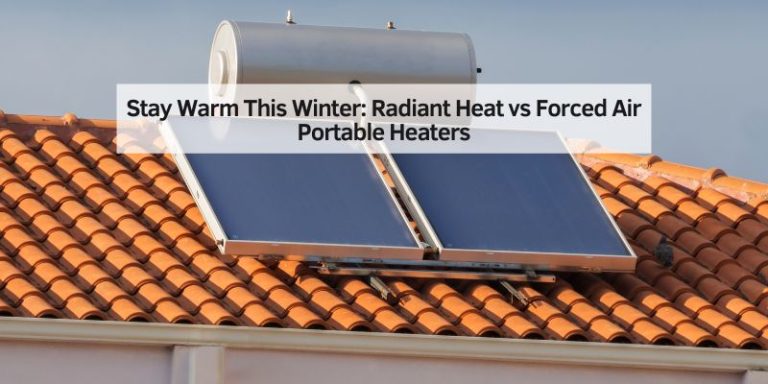
Yes, but only within tight limits. A solar air heater can warm a cabin during sunlit hours, and a 1 m² unit can produce 200–350W on a clear winter day, while 2 m² can produce 400–650W and 4 m² can produce 800–1,200W. That is support heat, not automatic overnight heat.
What solar air heaters can do in daytime
Solar air heaters work best as a daytime support source for a small, well-insulated cabin. A well-insulated cabin can need only 500W instead of 3kW continuous heat, which is why insulation changes the whole decision.
They are a practical fit when you want to reduce fuel use, keep the space from feeling cold in the afternoon, and stretch a propane or battery setup further.
Where thermal storage changes the result
Thermal storage makes solar heat far more useful after sunset, but the usable stored energy depends on tank size, temperature rise, and how much temperature drop you can actually use.
Without storage, solar heat drops off quickly when the sun does. That is the hard limit many buyers miss.
Why south-facing placement matters
Solar air heaters should be mounted facing south with a 60–70° tilt from horizontal. That placement helps the collector catch winter sun when the angle is lower and daylight is short.
Say your 12 x 16 cabin only needs frost protection most days, but you visit on weekends and want the place less frigid by late afternoon. A 2 m² solar air heater can help with daytime comfort, while a propane heater can cover the evening gap.
Propane heater: best for occupied cabins
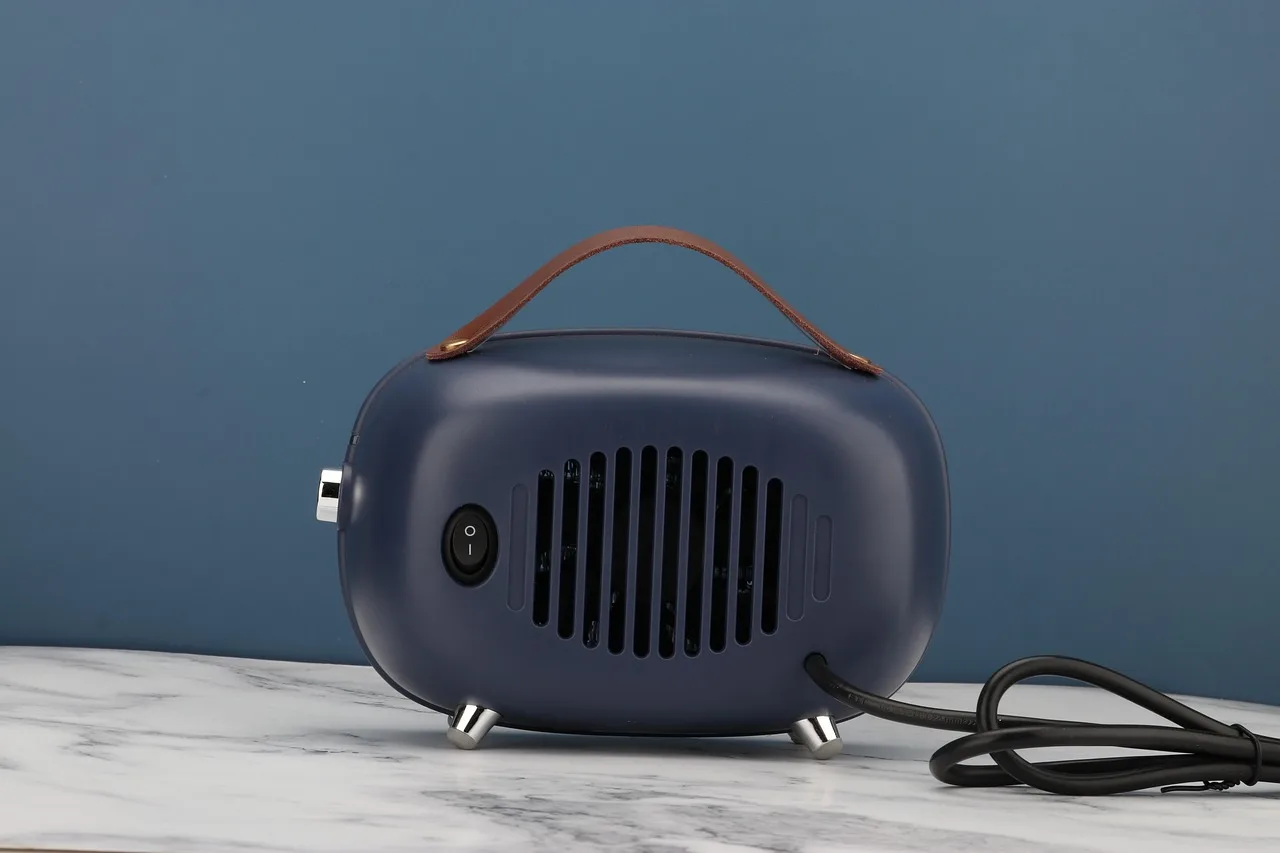
- Runs on a 1 lb. propane tank
- Optional hose supports a 20 lb. cylinder
- Indoor/outdoor approved use
The Mr. Heater 9,000 BTU Portable Buddy Midnight Series fits occupied, small-cabin heat well when propane is easy to source and you want a portable unit with indoor/outdoor approved use. Its listed 9,000 BTU output and 1 lb. tank operation make it a simple fit for short, contained heating sessions.
The main tradeoff is that this is still a combustion heater. You need ventilation, carbon monoxide protection, and clearances exactly as the manual states, and you should not treat it as a sleeping-space shortcut unless the manual explicitly allows that use.
Why propane fits no-grid heat needs
Propane is the simplest off-grid fuel for many cabins because it stores well, lights without a grid connection, and can be refilled or swapped in a 20 lb tank format. Propane stays useful when power is scarce.
Propane tankless heaters are different from portable radiant heaters. They are better for no-grid hot water or cabin support heating, but they usually require outdoor-only installation, and pressure and flow limits decide whether the unit will actually light and hold output.
Outdoor-only setup and venting limits
Combustion units need the right air path. That means fresh air, exhaust control, and no guessing about safe placement. If the heater is designed for outdoor use only, keep it outdoors; if the manual allows indoor use, follow its clearance, ventilation, and monitoring instructions exactly.
Condensation is part of the problem too. Burning fuel in a tight cabin adds moisture, which can make a small room feel colder if the cabin shell is weak.
Fuel pressure, flow, and ignition checks
Pressure and flow matter most with propane tankless units. The Camplux AY132 lights at 3 PSI water pressure, is listed at 1.32 GPM and 34,000 BTU, and the Gasland BE158 is listed at 1.58 GPM and 41,000 BTU. The Camplux BD264P120 is listed at 2.64 GPM and 68,000 BTU.
Those figures show why the cabin’s plumbing and fuel supply matter as much as the heater label. If the pressure is weak, the flow is weak, or the fuel delivery is wrong, performance falls off fast.
Solar air heater: best for daytime support
A solar air heater is the cheapest off-grid cabin heating option in fuel terms, because sunshine is free once the collector is installed. It is also the least flexible, because output ends when the sun does unless you store that heat somewhere.
Collector size and output range
The useful range is straightforward.
That makes solar useful for small cabins and mild shoulder-season use, but not for a drafty shell that is trying to climb from freezing to room temperature all at once.
Best wall placement and sun exposure
South-facing placement with a 60–70° tilt from horizontal gives the collector its best winter angle. Shade, roof overhangs, and poor wall exposure can cut the output enough that the heater seems weak even when the collector size is right.
Where solar heat falls short
Solar heat falls short at night, during storms, and whenever the cabin loses heat faster than the collector can replace it. If you need steady warmth after dark, solar alone is not enough.
A common first-timer mistake is buying a solar heater before sealing the cabin. If the roof, windows, floor, walls, and draught sealing are still leaky, the heater spends all day chasing losses.
Battery-powered space heater: best for backup heat
A battery-powered space heater is the right pick only when you need cordless operation for outages or a very compact space. It is useful because it avoids fuel handling, but it is usually only practical for short, low-demand backup heat.
Think of it as a bridge, not a season-long heater. Two-speed temperature control helps with partial loads, but the battery has to be large enough to support the draw.
Cordless use in compact spaces
This kind of heater makes sense for a small room, a brief outage, or a cabin that only needs a short burst of heat while another source catches up. It can be a clean backup when the cabin is already insulated well and the heat demand is modest.
Recharge strategy and runtime limits
Battery heaters live and die by recharge strategy. If the cabin has no easy way to recharge, the runtime limit becomes the real heater limit, not the burner or fan design.
Portable power stations help here. A power station matters because published buyer feedback and TechRadar testing note models with UPS switchover and off-grid use in mind, and that switchover can keep an electric heater alive during a brief outage if the inverter output is high enough.
Portable power station: best for electric backup
A portable power station is the piece that decides whether electric backup heat is realistic at all. You need enough capacity in Wh, enough continuous output in watts, and a recharge plan that matches how long the cabin may be offline.
Capacity in Wh and continuous output
The heater’s watt draw has to fit under the station’s continuous output, not just its peak number. If the heater needs more than the inverter can supply, it will not run correctly, even if the battery still has charge.
That matters most for space heaters, which can pull heavy loads and run down a station quickly. Runtime also drops fast in cold weather, so the usable number is often lower than the box rating suggests.
UPS switchover for outage use
UPS switchover is useful when the cabin loses grid power and you want the heater, router, or monitoring equipment to stay on without a manual reset. For backup heat, it is a convenience feature only if the inverter can handle the load.
Matching the power station to the heater
Do not match by wishful thinking. Match by the heater’s actual wattage, the station’s continuous output, and the runtime you need for the night or storm window.
-
Check the heater draw first. Use the watt rating from the listing or manual, then compare it with the power station’s continuous output. A heater that exceeds the inverter limit is a non-starter.
-
Estimate usable runtime. Divide the station’s capacity by the heater’s draw, then reduce the result for inverter losses and cold-weather performance. The answer tells you whether you have minutes, hours, or nothing useful.
-
Confirm recharge speed. If the cabin can recharge slowly from solar or a generator, a smaller station may still work for backup duty. If recharge is uncertain, size the battery larger or choose fuel heat instead.
Do you need electricity for cabin heat?
No, not always. A cabin can run on propane, solar air heat, or other fuel-based systems without grid power, but electric backup heat needs battery storage, a generator, or another power source that can handle the heater load.
What grid-free cabins can run without electricity
Vented propane heat can run without grid electricity, and some models use battery-powered or manual ignition depending on the design. Solar air heaters also run without grid electricity, but only in daylight and only while the sun is available.
When batteries or generators are required
If you want an electric space heater, a circulation fan, or a powered control system, you need electricity. That can come from a portable power station, an inverter, solar charging, or a generator, but the load must fit the equipment’s limits.
Why heater type changes the answer
The answer changes because a grid heater is built to assume steady electrical supply. In an off-grid cabin, the fuel source becomes part of the heater itself, and the weakest link is often power storage rather than the heater body.
Suppose the cabin is 180 square feet, insulated enough to stay above freezing, and only occupied on weekends. In that case, a propane heater plus solar daytime support often makes more sense than trying to carry the whole load on batteries.
Which one should you buy?
Choose by cabin use, not by the loudest BTU number. The right heater is the one that fits your insulation, fuel storage, and whether you need frost protection or comfort heating.
Best choice for weekend cabins
Start with a solar air heater if you mainly want daytime support and lower fuel use. Add a small propane heater if you need warmth after sunset, because solar heat alone does not cover the evening.
Best choice for winter-dormant cabins
Pick a frost-protection plan first. That usually means propane, an electric backup with battery or generator support, and enough insulation that the heater is not fighting a leaky shell.
Best choice for occupied cabins
A portable propane heater is the clearest fit for occupied space. It gives you direct heat without depending on sunshine or a large battery bank, but it must be used with the right ventilation and safety protection.
Best choice for emergency backup cabins
Use a battery-powered space heater only for short outages or a small room, and pair it with a strong portable power station. If the outage may run long, a propane backup is the more practical choice.
For buyers comparing pure convenience, a 9,000 BTU portable propane heater is a more realistic off-grid answer than trying to force a grid-style electric heater into a cabin with weak storage, weak wiring, or a poor shell. The cheapest option is the one that matches the cabin’s actual heat loss.
Frequently asked questions
What is the best portable heater for an off-grid cabin?
It works without grid power, but it still needs ventilation, carbon monoxide protection, and the right manual for indoor use. Solar and battery options help, but they are limited by daylight or runtime.
What kind of heater is best for an off-grid cabin?
The best kind depends on whether you need comfort heat, frost protection, or daytime support. Propane is the most flexible for occupied cabins, solar air heat is cheapest to run in sun, and battery-powered electric is best only for short backup use with enough stored power.
Can a solar powered heater warm a cabin?
Yes, a solar air heater can warm a cabin during daylight, especially if the cabin is insulated well. It is not an overnight solution without thermal storage.
Is a propane heater safe to use in a cabin?
It can be safe if the heater is approved for the intended use and you follow the manual exactly. You still need ventilation, carbon monoxide protection, and clear rules for sleeping spaces. Outdoor-only combustion units stay outdoors. Safety certification or listing should match the product and installation.
How much heat does a small cabin actually need?
It depends on size, insulation, and whether you want frost protection or comfort heating. A well-insulated cabin can need only 500W instead of 3kW continuous heat. Daytime and nighttime demand are often different, so size the heater for the coldest realistic period, not the mildest one.
What backup power do I need for a portable heater?
You need a power station or generator that can supply the heater’s continuous watt draw without tripping. Check capacity in Wh, inverter output in watts, and recharge speed. A UPS switchover is useful for outages, but only if the station can support the heater load safely.