Baseboard Heater vs Radiator: Which is Best for Your Home?
Hey there! If you’re reading this, you’re probably trying to figure out how to keep your home warm and cozy without breaking the bank or sacrificing style. I’ve been there, staring at my chilly living room, wondering whether a baseboard heater or a radiator would be the best fit. It’s a big decision, especially when you’re thinking about comfort, cost, and efficiency. Over the years, I’ve explored both options, talked to homeowners, and even helped friends choose between the two. So, let’s dive into the world of baseboard heaters and radiators to help you decide which one is right for your home. I’ll break it down in a way that’s easy to understand, with all the details you need to make an informed choice.
What Are Baseboard Heaters and Radiators?
Let’s start with the basics. Baseboard heaters and radiators are both heating systems designed to keep your home warm, but they work in different ways. I remember when I first moved into my old house, I was confused about what those long, low units along the walls were. Turns out, they were baseboard heaters! And later, when I visited a friend’s century-old home, I saw those big, chunky cast-iron radiators. They’re both effective, but their differences matter.
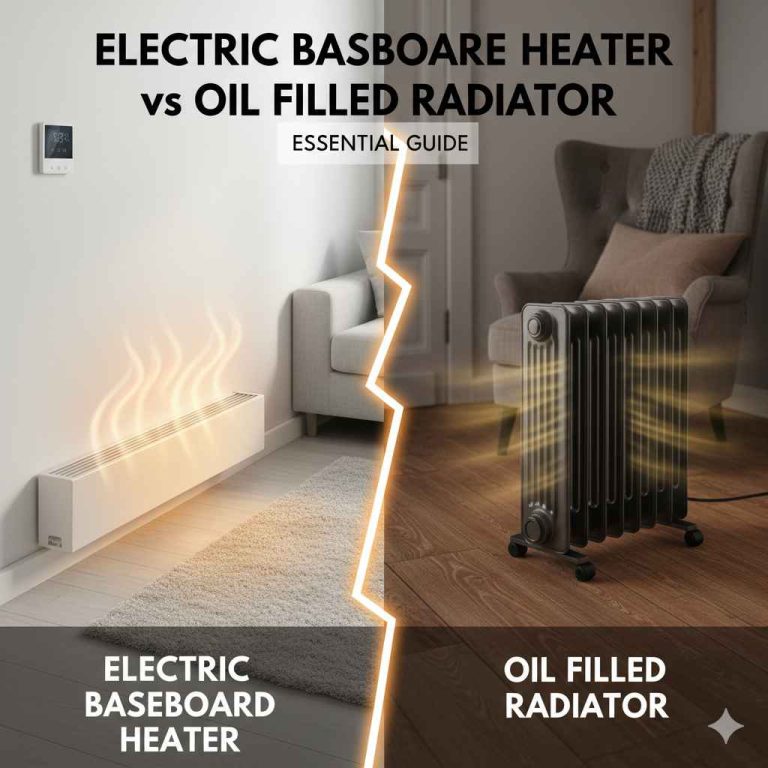
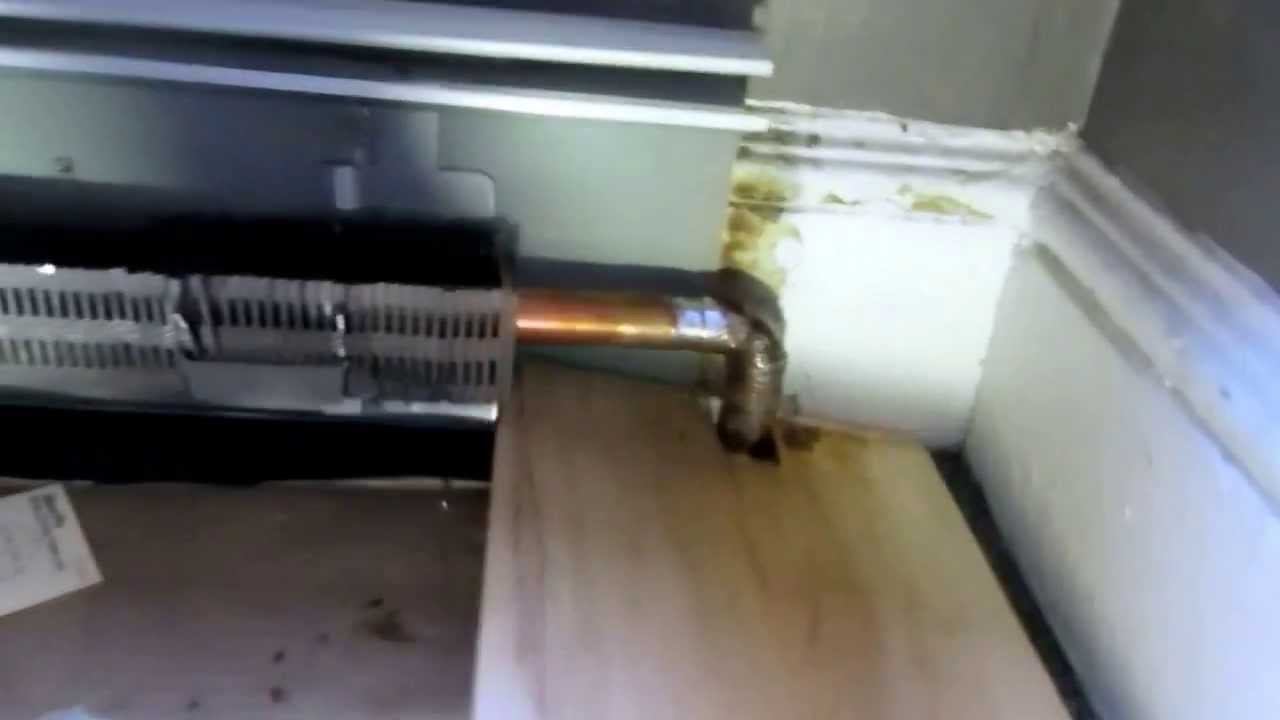
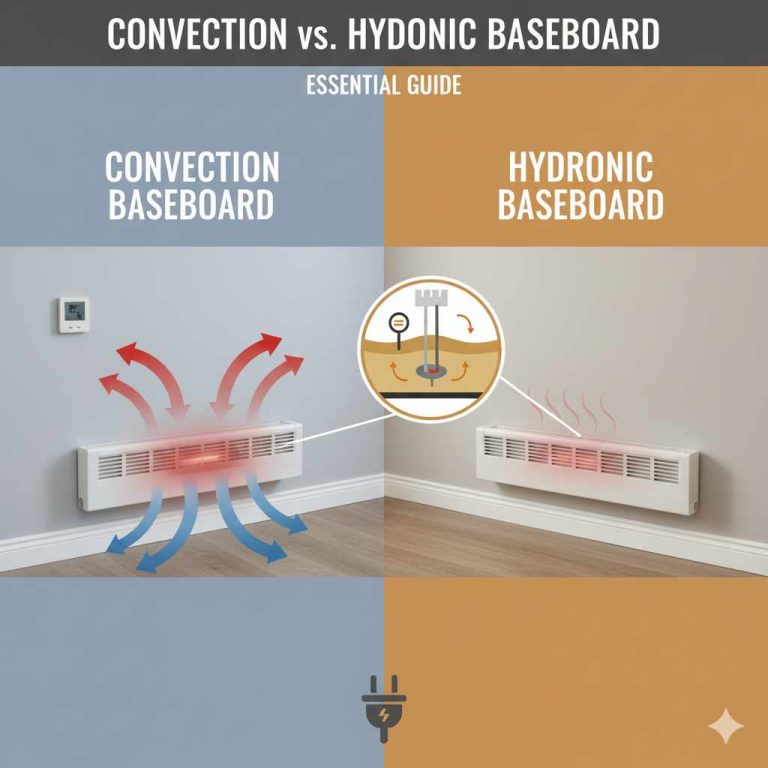
Baseboard heaters are typically long, narrow units installed along the base of your walls, often under windows. They work by heating air through convection, which means they warm the air around them, and that warm air rises to circulate through the room. They come in two main types: electric and hydronic (hot water). Electric baseboard heaters use a heating element powered by electricity, while hydronic ones rely on hot water from a boiler flowing through pipes.
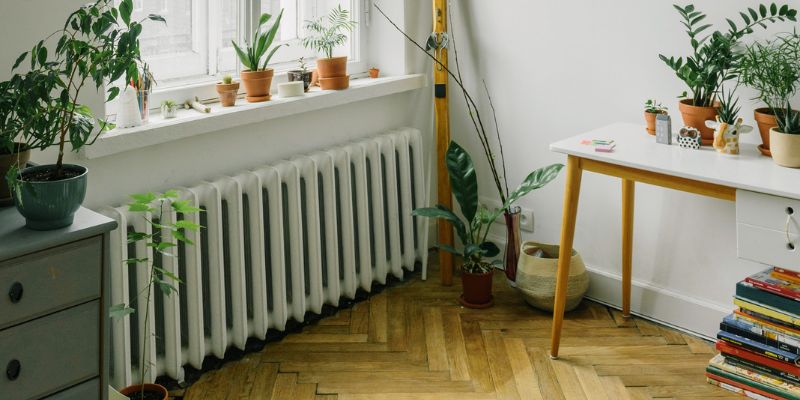
Radiators, on the other hand, are often freestanding or wall-mounted units that heat your space primarily through radiation. This means they warm objects in the room—like furniture, walls, and even you—rather than just the air. Radiators can be powered by steam, hot water, or electricity, and they come in various styles, from classic cast-iron models to sleek, modern panel designs. I’ve always found radiators to have a certain charm, especially in older homes, but they’re not without their quirks.
How Do They Heat Your Home?
Understanding how these systems heat your space is key to choosing the right one. When I was researching for my own home, I spent hours trying to wrap my head around the science behind it. Let me make it simple for you.
Baseboard heaters rely on convection. Cool air enters the bottom of the unit, gets warmed by the heating element or hot water pipes, and then rises out the top. This creates a cycle where warm air moves through the room. It’s quick to heat up, which I loved when I needed to warm up my drafty office fast. But here’s the catch: once you turn off a baseboard heater, the room cools down quickly because it’s only heating the air, not the objects in the space.
Radiators, by contrast, use radiant heat. They warm up the surfaces around them, like your couch or walls, which then radiate heat back into the room. This makes the warmth feel more consistent and long-lasting, even after the radiator turns off. I noticed this when I stayed at a bed-and-breakfast with cast-iron radiators—it felt cozy for hours, even when the system wasn’t actively running. Some radiators also provide a bit of convection, but their main strength is that radiant heat, which feels like standing near a campfire.
Here’s a quick comparison to visualize the difference:
| Feature | Baseboard Heater | Radiator |
|---|---|---|
| Heating Method | Convection (heats air) | Radiation (heats objects) |
| Heat Retention | Cools quickly when off | Retains heat longer |
| Warm-Up Time | Fast | Slower, but more consistent |
Energy Efficiency: Which Saves More Money?
Let’s talk about something we all care about: the cost. Heating your home can get pricey, especially in those freezing USA winters. I’ve spent plenty of nights crunching numbers to figure out which system would keep my utility bills in check, so let me share what I’ve learned.
Baseboard heaters, especially electric ones, are often cheaper to install. I paid around $500 to add an electric baseboard heater to my guest room, and it was a quick job. But here’s the downside: electric baseboard heaters can be expensive to run. They use a lot of electricity, and if you’re in a region with high energy costs, your bill can skyrocket. Hydronic baseboard heaters, which use hot water from a boiler, are more efficient because water holds heat better than air. I’ve seen friends with hydronic systems save about 20-30% on their heating costs compared to electric baseboard heaters.
Radiators, especially hot water or steam models, tend to be more energy-efficient in the long run. They operate at lower temperatures (sometimes as low as 110°F compared to 130°F for baseboards) and still provide plenty of heat because of their radiant properties. My neighbor has a gas-powered boiler with cast-iron radiators, and he swears his heating bills are lower than mine, even though our homes are similar in size. However, radiators can be less efficient if your boiler is old or poorly maintained. I learned this the hard way when I helped a friend troubleshoot her ancient boiler—it was working overtime and costing her a fortune.
One thing to keep in mind is that radiators paired with modern boilers and thermostatic valves can be incredibly efficient. These valves let you control the temperature in each room, so you’re not wasting heat in spaces you don’t use. Baseboard heaters can also have individual thermostats, but they’re often less precise, and you might end up adjusting them constantly.
Installation and Cost: What’s the Upfront Investment?
When I was renovating my home, the upfront cost was a huge factor in my decision. Installation can make or break your budget, so let’s break it down.
Baseboard heaters are generally easier and cheaper to install, especially electric ones. You just need access to your home’s electrical system, and a professional can wire them up in a few hours. For my 1,200-square-foot home, installing electric baseboard heaters in three rooms cost about $1,500, including labor. Hydronic baseboard heaters are pricier because you need a boiler and piping, which can push costs to $6,000-$8,000 for a medium-sized home. But if you already have a boiler system, adding hydronic baseboards is relatively straightforward.
Radiators, especially cast-iron or steam models, are more expensive to install. Retrofitting an older home with radiators can cost $7,000-$12,000, depending on the size of your home and the complexity of the piping. I helped a friend get quotes for installing modern panel radiators, and the price was around $9,000 for a 1,500-square-foot house. If you’re replacing old radiators, you might save money by refurbishing them instead of installing new ones. Sandblasting and powder-coating old cast-iron radiators can cost $100-$125 per unit, and they’ll look brand new.
Here’s another thing I learned: baseboard heaters don’t require ripping up your floors, which is a big plus if you’re not doing a full remodel. Radiant floor heating might be the gold standard for comfort, but it’s a major project that can cost $10,000 or more. Baseboards and radiators are less invasive, making them better for retrofits.
Space and Aesthetics: How Do They Fit in Your Home?
Let’s be honest—how your heating system looks matters. I’ve spent way too much time rearranging furniture to hide clunky heaters, so let’s talk about how these systems affect your home’s style and space.
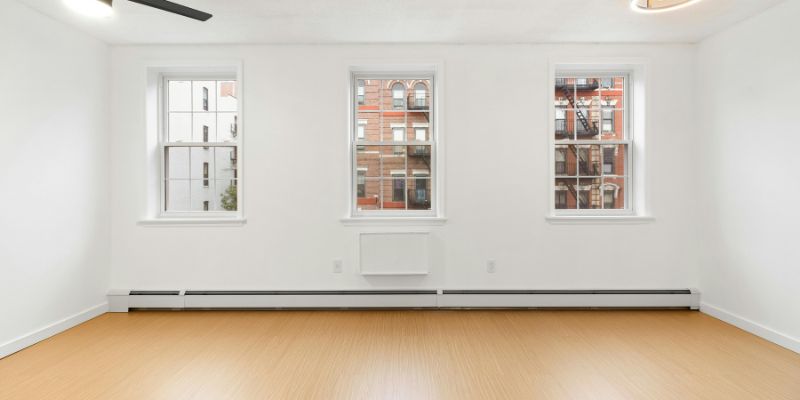
Baseboard heaters are sleek and low-profile, sitting snugly along the bottom of your walls. They’re usually 6-8 inches tall and a few inches deep, so they don’t take up much room. But here’s the rub: they need to stay clear of furniture, curtains, or anything else that could block airflow. In my living room, I had to push my couch a few inches away from the wall to avoid a fire hazard, which was annoying when I was trying to maximize space. On the plus side, modern baseboard heaters come in stylish designs, and some brands, like Runtal, offer covers that look more elegant than the standard metal boxes.
Radiators, especially older cast-iron ones, are bulkier. They can stick out 5-7 inches from the wall and take up valuable floor space. I’ve seen some gorgeous vintage radiators that add character to a room, but they’re not for everyone. If you’re going for a minimalist look, modern panel radiators are a better bet—they’re slim and can even be wall-mounted to save space. I once saw a sleek panel radiator in a friend’s modern condo, and it blended right into the wall like a piece of art. You can also add covers to radiators to make them look prettier, but you have to be careful not to block the heat.
One trick I’ve used with radiators is recessing them under deep window sills. It hides them nicely and lets you use curtains without worrying about blocking the heat. Baseboard heaters, because they’re so low, don’t have this option, but they’re less obtrusive overall.
Comfort and Heat Distribution: Which Feels Better?
Comfort is where these two systems really shine—or don’t. I’ve lived with both, and they feel different in ways that might surprise you.
Baseboard heaters are great at heating a room quickly. When I turn on my electric baseboard heater, I feel the warmth within minutes. But because they rely on convection, the heat tends to rise to the ceiling, leaving the floor cooler. This was a problem in my old house with high ceilings—the top of the room was toasty, but my feet were freezing. Hydronic baseboard heaters are a bit better at spreading heat evenly, but they still don’t match the cozy feeling of radiators.
Radiators, with their radiant heat, make the whole room feel warm and inviting. The heat doesn’t just float to the ceiling; it warms the objects around you, so you feel comfortable even if the air temperature is lower. I remember visiting my aunt’s house, which had old steam radiators. Even on a freezing New England day, the living room felt like a warm hug. The downside? Radiators take longer to heat up, so you might be waiting a bit before the room feels cozy.
If you have a large or open space, radiators often do a better job of maintaining consistent heat. Baseboard heaters work best in smaller rooms or as supplemental heat. For example, I use a baseboard heater in my small home office, and it’s perfect for keeping that space warm without heating the whole house.
Maintenance and Durability: What’s the Upkeep Like?
Nobody wants a heating system that’s a hassle to maintain. I’ve dealt with my fair share of dusty baseboards and creaky radiators, so here’s the lowdown on upkeep.
Baseboard heaters are fairly low-maintenance. Electric ones are the easiest—just vacuum the fins regularly to keep dust from clogging them. Hydronic baseboard heaters need a bit more care. You’ll have to bleed the pipes annually to remove air bubbles, which I found super easy to do with a screwdriver and a towel. The downside is that hydronic systems can develop mineral buildup in the pipes, especially if you have hard water. I had to call a plumber once to descale my system, which cost about $200. With proper care, baseboard heaters can last 15-20 years.
Radiators are built like tanks, especially the cast-iron ones. I’ve seen radiators in 100-year-old homes still working perfectly. They’re durable, but they do require maintenance. You need to bleed steam or hot water radiators to remove air, just like hydronic baseboards. If you have an older boiler, you might also deal with banging pipes or leaks, which can be a headache. My friend had to replace a valve on her radiator, and it set her back $150. Modern panel radiators are less prone to issues, but they’re not as tough as the old-school models. With regular maintenance, radiators can last decades.
Safety Considerations: What Should You Watch Out For?
Safety is a big deal, especially if you have kids or pets. I’ve had to baby-proof my home, so I’ve thought a lot about how these systems stack up.
Baseboard heaters, especially electric ones, can get hot to the touch—sometimes over 200°F. I learned this the hard way when my cat brushed against one and yowled. You need to keep furniture, curtains, and anything flammable at least 12-18 inches away to avoid fire risks. Hydronic baseboard heaters are cooler, but still not safe for curious toddlers to touch. I always make sure to teach my kids to steer clear of the heaters when they’re on.
Radiators can also get hot, especially steam models, but they’re often safer because they’re higher off the ground. Cast-iron radiators tend to stay at a lower surface temperature than electric baseboards, which is a plus. However, older radiators might have lead paint, so if you’re in an older home, get them tested before sanding or repainting. I had a friend who covered her radiators with decorative screens to keep her kids safe, and it worked like a charm.
Environmental Impact: Which is Greener?
If you’re eco-conscious like me, you’ll want to know how these systems affect the planet. Electric baseboard heaters are the least environmentally friendly because they rely on electricity, which often comes from fossil fuels in the USA. If your electricity comes from renewable sources, like solar or wind, that’s a different story, but most of us are still on the grid. Hydronic baseboard heaters are better, especially if your boiler runs on natural gas or a high-efficiency fuel.
Radiators, when paired with a modern, high-efficiency boiler, are a greener choice. They use less energy to achieve the same level of warmth, and you can further reduce your carbon footprint by using a condensing boiler or even a heat pump. I’ve been looking into heat pumps myself, and they’re about three times more efficient than electric baseboard heaters. If you’re thinking long-term, radiators with a sustainable fuel source are the way to go.
Which Should You Choose?
So, which one is better for your home? It depends on your needs, budget, and priorities. If you’re looking for a cheap, easy-to-install option for a small space, electric baseboard heaters are hard to beat. They’re perfect for apartments or single rooms. Hydronic baseboard heaters are a good middle ground if you already have a boiler and want efficiency without the bulk of radiators.
Radiators, on the other hand, are ideal for larger homes or anyone who loves that deep, lasting warmth. They’re more expensive upfront, but they can save you money in the long run and add a touch of character to your space. If you’re renovating an older home, refurbishing existing radiators might be your best bet.
When I made my choice, I went with hydronic baseboard heaters because I already had a boiler, and I liked how unobtrusive they were. But I’ll admit, I’m a little jealous of my friend’s gorgeous cast-iron radiators—they make her home feel so cozy and timeless.
Conclusion
Choosing between a baseboard heater and a radiator is like picking between a reliable sedan and a classic convertible—both will get you where you need to go, but the experience is different. Baseboard heaters are practical, affordable, and great for quick heat, especially in smaller spaces. Radiators offer that luxurious, long-lasting warmth that makes a house feel like a home, though they come with a higher price tag and more maintenance. I’ve lived with both, and I can tell you there’s no one-size-fits-all answer. Think about your budget, your home’s layout, and how much you value efficiency versus aesthetics. Whatever you choose, you’ll be one step closer to a warm, cozy home that’s ready for those chilly USA winters. So, take your time, weigh your options, and enjoy the process of making your space your own.
FAQs
Can I use baseboard heaters and radiators in the same home?
Yes, you can! I’ve seen homes with both, especially when adding heat to a new room. Just make sure your boiler can handle the extra demand. Check the BTU output of your system to ensure it’s compatible.
Are baseboard heaters safe for homes with kids?
They can be safe, but you need to be careful. Electric baseboard heaters get very hot, so keep kids and pets away. Hydronic baseboards are cooler but still need clearance. I always recommend teaching kids to avoid touching heaters.
How often should I maintain my radiator or baseboard heater?
For baseboard heaters, vacuum the fins every few months and bleed hydronic systems yearly. Radiators need bleeding annually too, and you should check for leaks or corrosion. I set a reminder every fall to do this before winter hits.
Which is better for allergies—baseboard heaters or radiators?
Radiators are better for allergies because they don’t rely on blowing air, which can stir up dust. Baseboard heaters, especially electric ones, can circulate allergens. Vacuuming regularly helps, but radiators are the winner here.
Can I install a baseboard heater or radiator myself?
Electric baseboard heaters are doable for a handy person, but you’ll need electrical know-how. Hydronic baseboards and radiators are trickier because of the plumbing. I’d recommend hiring a pro to avoid costly mistakes.