Best Heaters for Allergy-Sensitive Homes: We Compared
For allergy-sensitive homes, the best heater efficiency usually comes from a heat pump with a sealed installation and strong filtration. It delivers efficient whole-home heating without on-site combustion, and it pairs well with a HEPA room air cleaner or a properly rated MERV filter. For dust control, humidity stability, and lower maintenance burden, a heat pump is usually the best overall choice.
Quick comparison
The best heater efficiency for allergy-sensitive homes is not just about fuel use. It is about how much dust the system moves, whether it adds combustion byproducts, how it affects indoor humidity, and how hard it is to keep filters and coils clean. DOE notes that heat pump efficiency is commonly described with HSPF2 and COP, while furnaces use AFUE; EPA and ASHRAE guidance emphasize filtration and source control for indoor air quality, and public-health guidance generally keeps healthy indoor relative humidity near 30% to 50% (DOE Energy Saver; EPA Indoor Air Quality; ASHRAE guidance; CDC/NIH guidance on indoor humidity and respiratory comfort).
| Product | Badge | Best for | Price | ||
|---|---|---|---|---|---|
 |
Sweetcrispy Oil Filled Radiator Heater for Indoor Use 1500WSweetcrispy | Our pick | 1500W · oil-filled · black | $54.97
Price as of 1 Nov 2026
|
View |
 |
GiveBest Space Heater, Portable Space Heaters for IndoorGiveBest | Budget pick | 1500W/750W · ceramic · portable | $25.99
Price as of 1 Nov 2026
|
View |
 |
Ballu Convection Smart Space Heater for Large Room WithBallu | Also great | 1500W · smart control · white | $189.99
Price as of 1 Nov 2026
|
View |
Use this as a first pass: efficiency matters, but dust movement, humidity control, and upkeep often decide whether a heater fits an allergy-sensitive home. A unit can score well on energy use and still be a poor match for a bedroom or nursery.
How we chose
We compared heater types through four questions that matter most for indoor air quality: how efficiently the system produces heat, how much air it moves, whether it changes humidity in ways that help or hurt, and how much maintenance it asks of the home. That keeps the focus on allergy impact, not just operating cost.
In practice, the best choice is the one that delivers enough heat without turning dust, dryness, or combustion into a bigger problem. A sealed heat pump, a well-maintained furnace with compatible filtration, or a quiet radiant heater can all work depending on room size and home layout.
Are heat pumps better than gas heaters for allergies?
Usually, yes. Heat pumps are often the better choice for allergy-sensitive homes because they provide efficient whole-home heat without on-site combustion, and many systems pair well with filtration. Gas heaters can still work, but they add venting, combustion, and forced-air dust concerns.
Why combustion matters
A gas furnace burns fuel, so it needs proper venting and combustion air. Even when a modern condensing furnace runs efficiently, the system still depends on ducts and a blower, which can spread dust if the ducts leak or the filter is weak. DOE’s AFUE guidance covers fuel-use efficiency, but it does not remove the indoor air-quality tradeoff from combustion and forced air.
Heat pumps avoid those combustion byproducts indoors. That matters for homes where asthma, odors, or fine particles are the bigger problem than fuel cost alone.
Where gas still makes sense
If a home already has ductwork and a furnace closet, a high-AFUE gas furnace can be a practical upgrade path. It may be a fair choice when winter electricity prices are high and the ducts are tight, clean, and already set up for good filtration.
Still, that is a system decision, not a blanket allergy win. A well-sealed heat pump often gives cleaner delivery and lower irritation risk for the same room set.
Heat pump: best for whole-home heating
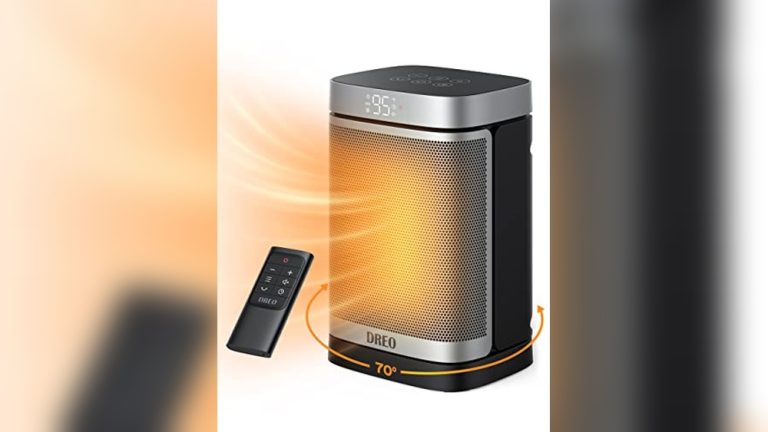
- Quiet convection heat without fan noise
- Controls from remote, app, or Alexa
- Programmable thermostat helps maintain steady warmth
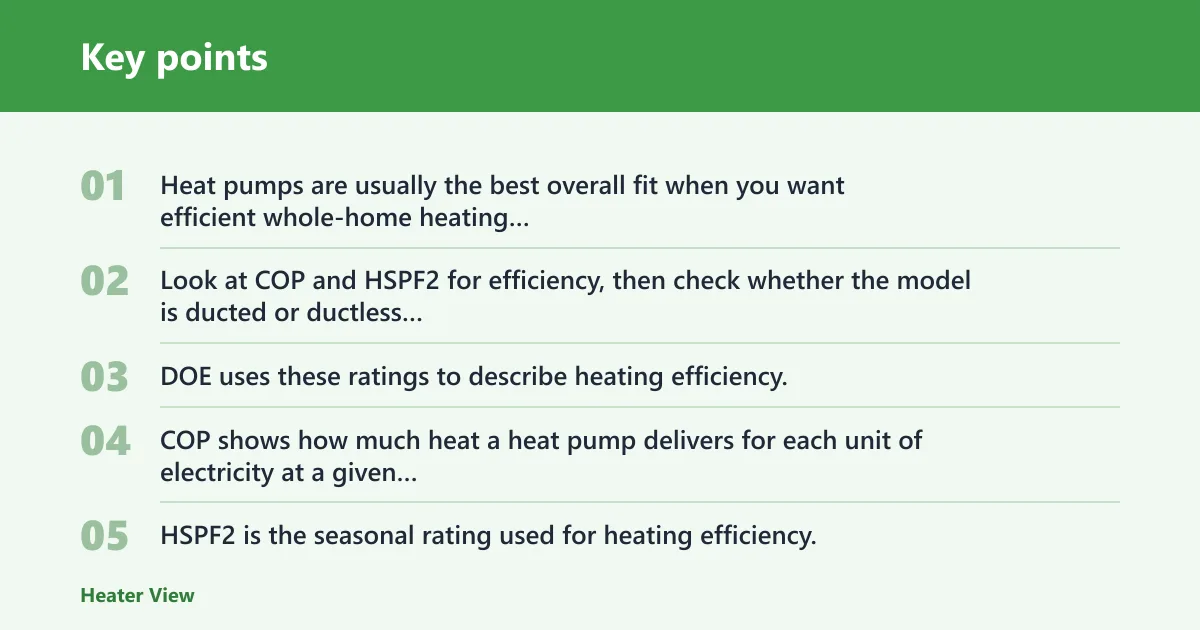
Heat pumps are usually the best overall fit when you want efficient whole-home heating with lower combustion exposure. Look at COP and HSPF2 for efficiency, then check whether the model is ducted or ductless and how it handles cold weather. DOE uses these ratings to describe heating efficiency, and higher numbers generally mean less electricity for the same heat output.
COP, HSPF2, and cold-climate performance
COP shows how much heat a heat pump delivers for each unit of electricity at a given condition. HSPF2 is the seasonal rating used for heating efficiency. Higher numbers mean better efficiency, but cold-weather output still matters because capacity can drop as outdoor temperature falls. That is why a good heat pump choice is both efficient and appropriately sized.
Cold-climate models keep heating at lower temperatures better than standard models. That matters in places with long heating seasons, because a system that looks efficient on paper can still need backup heat too often.
Ducted vs ductless
Ducted heat pumps work well when the home already has decent ducts and a filter slot that can handle a better filter without choking airflow. Ductless mini-splits avoid duct leakage, which can help with dust control, but they move air directly into the room and need regular coil cleaning.
Ductless units can be a strong fit for bedrooms, additions, and homes with poor ducts. Ducted systems are better when you need even whole-home heat and already have ducts that are sealed and maintained.
Filtration compatibility
Heat pumps can support better filtration than many people expect, but the blower must be able to move air through the filter. EPA guidance commonly points people toward a properly sized HEPA room air cleaner for particle reduction, while a furnace or air handler usually relies on a compatible MERV-rated filter rather than true HEPA media.
That tradeoff matters. Better filtration helps, but only if the fan can still push enough air without strain.
Gas furnace: best for existing ducted homes
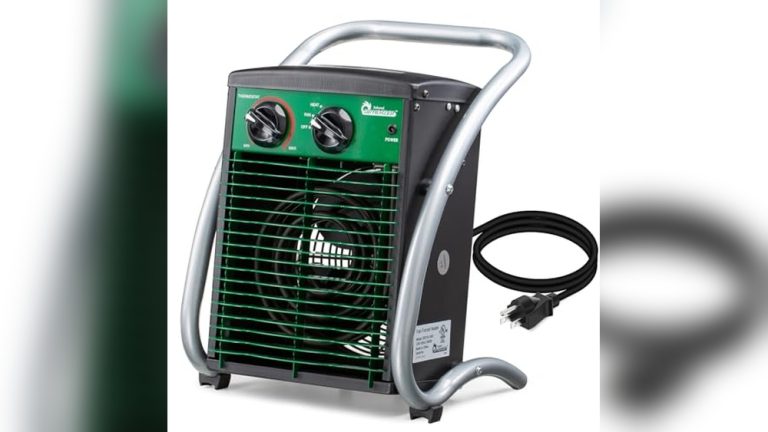
- Runs silently without a fan
- Three heat settings for flexible output
- Includes overheat and tip-over protection
A gas furnace can be a good choice in an existing ducted home when you want familiar equipment and strong whole-home heat. AFUE tells you how much fuel becomes heat, and condensing models usually waste less fuel than non-condensing ones. That efficiency, however, does not eliminate blower noise, duct leakage, or combustion concerns.
AFUE and furnace design
AFUE is the annual efficiency rating for furnaces. A higher AFUE means less fuel is lost up the vent, but it does not remove the dust movement that comes with forced air. Condensing furnaces use heat from the exhaust more effectively than older non-condensing units.
That improves energy use. It does not remove the need for venting, a combustion setup, and regular filter changes.
Forced-air dust circulation risk
Any furnace with a blower can redistribute dust, pet dander, and pollen through the home. Duct leakage makes that worse, especially in basements, crawl spaces, or older duct runs with loose joints. ASHRAE and EPA-style IAQ guidance generally treat source control, filtration, and distribution balance as key to limiting particle spread.
Good filtration helps, but it is not magic. If the blower is too strong for the filter or the ducts are dirty, the system can still spread allergens from room to room.
Filter dependence and upkeep
Forced-air systems rely on the right filter size and the right MERV rating. Forced-air systems commonly use filters in the MERV 8 to 13 range. Higher MERV captures smaller particles better, but it may also reduce airflow if the furnace was not designed for it.
Replace filters on the schedule the manufacturer gives, or sooner if airflow drops. In allergy-sensitive homes, a neglected filter defeats much of the benefit of an efficient furnace.
Is radiant heat better than forced air?
Often, yes for a single room. Radiant heat sends warmth directly to people and surfaces, so it can lower air movement and reduce how much dust gets stirred up. That makes it appealing for bedrooms, bathrooms, and small spaces where quiet, targeted heat matters.
Why lower air movement helps
Forced-air heat mixes the room more aggressively. That can be useful for temperature control, but it also moves settled dust back into the breathing zone. Radiant heat avoids much of that because it does not depend on a fan-driven air stream.
Suppose a bedroom has 120 square feet, a sleeping child with asthma, and a dusty return grille. A radiant or low-airflow option can warm the room without pushing dust each time the thermostat calls for heat.
Surface temperature and safety
Radiant heaters can run hot at the surface, so placement matters. Keep them away from bedding, curtains, and anything that can overheat, and use models with tip-over or overheat shutoff when possible.
That safety point is especially important in nurseries and bathrooms, where distance from fabrics and splash zones is limited.
Radiant heater: best for bedrooms and bathrooms
Radiant heaters are useful when you want direct heat with less air movement. The oil-filled model here is quiet, which can suit a bedroom where fan noise and dust circulation are both concerns.
Who should use it?
Choose a radiant heater for a room you want to warm directly, not for whole-home heating. It works best in a closed bedroom, a bathroom used for short periods, or a small sitting area where you can keep clearances around the unit.
It is less useful if you need fast heat across several rooms. A radiant heater cannot replace a central system for that job.
Honest drawback
The downside is surface heat and room-by-room limits. Oil-filled units warm slowly compared with fan heaters, and they still need careful placement because the case can become hot enough to burn skin or ignite nearby material.
Electric space heater: best for single rooms
- Dual heating modes plus cool-air fan
- Built-in safety shutoff and tip-over protection
- Compact handle makes it easy to move
Electric resistance heat is effectively 100% efficient at the point of use, but that does not make it a whole-home solution. A compact space heater can be a smart choice for one room, especially when you need quick supplemental heat and the room size is modest.
Convection vs radiant styles
Convection models warm the air, so they can feel more even but may move more dust if they use a fan. Radiant styles send heat directly to people and nearby objects, which can be easier on allergy-sensitive rooms when the goal is quiet, local warmth.
Match the output to the room size. Oversized heaters waste energy and can cycle more often, which adds noise and can create hot-and-cold swings.
Safety shutoff features
Look for tip-over protection and overheat shutoff. Those features do not improve allergy performance, but they do reduce fire and burn risk, which matters whenever you put a heater in a bedroom, office, or child’s room.
Honest drawback: a space heater should not be your main heat source for a whole home. It is best treated as a single-room tool.
Which one should you buy?
Start with room type, then weigh allergy burden against efficiency. The best purchase is the one that meets the heating load with the least dust movement, the least combustion exposure, and the least upkeep you can realistically maintain.
- Bedroom: choose a radiant heater or a ductless heat pump zone if you want low airflow and steady comfort.
- Nursery: choose a quiet heat pump zone or a safe radiant option with tip-over and overheat shutoff. Avoid ventless combustion.
- Basement: choose a heat pump if you want whole-zone control, or a space heater only for short-term use in one finished room.
- Whole-home heating: choose a ducted heat pump first. Choose a high-AFUE gas furnace only when the ducts are tight, filtration is strong, and gas is already the best system fit.
Suppose a homeowner has a 1,600-square-foot house, sealed ducts, and seasonal pollen that settles into the returns. A high-efficiency heat pump with a compatible filter may be the better all-around choice than a furnace, even if the furnace looks competitive on fuel cost.
Suppose the only need is a drafty 140-square-foot bedroom with winter dryness and light nighttime allergy symptoms. A quiet radiant heater or a small electric space heater can be a better fit than running the central blower all night.
What filters or maintenance matter most for allergy-friendly heating?
Filter quality matters, but so does fit and timing. A MERV 8 to 13 furnace filter can help reduce airborne particles, yet it only works if the blower can handle the pressure drop and the filter gets changed before it loads up with dust. EPA and ASHRAE-style guidance both emphasize filtration as one part of a larger indoor air quality plan, not a complete fix by itself.
HEPA is different. HEPA filters are commonly used in portable air cleaners, but they are not typically found in standard furnace slots by default. If you want HEPA-level capture, pair the heater with a room air cleaner whose CADR matches the room size, rather than expecting the furnace filter to do that job.
Maintenance that actually helps
Check filter condition monthly during heating season. Inspect ducts for leaks and dust buildup. Keep returns clear, because blocked returns can raise noise, lower airflow, and make filtration less effective.
If you choose a high-MERV filter, confirm that the blower still moves air properly. Better capture is worth less if it starves the system and drops heating performance.
How do I balance energy efficiency with indoor air quality?
Balance starts with three questions: how the heater makes heat, how it moves air, and what it does to humidity. Efficient heat is helpful, but allergy-sensitive homes also need low combustion exposure, controlled airflow, and manageable filter upkeep.
Humidity control matters too
Winter heating often dries indoor air. A reasonable target is about 30% to 50% relative humidity. Below that range, dry nose and throat irritation can feel worse. Above it, condensation and mold risk rise, especially in basements and tight rooms.
If you add a humidifier, pair it with monitoring. Too much moisture can create a different allergy problem.
Read the efficiency label, then the room plan
Before buying, check the efficiency label or rating: COP and HSPF2 for heat pumps, AFUE for furnaces. Then ask whether the system fits the room. A highly rated heater that is too large, too noisy, or too dusty is still the wrong choice.
Are ventless heaters safe or bad for allergy-sensitive homes?
They are generally a poor fit. Ventless combustion heaters add moisture and combustion byproducts to the room, and they can raise oxygen-depletion concerns in enclosed spaces. For allergy-sensitive homes, that combination is hard to justify.
Why to avoid them
Because they release heat directly into the room, they also release the byproducts of combustion into the same air people breathe. Local codes may limit where they can be used, and room-by-room use is especially weak for homes where asthma or irritation is already a concern.
In practical terms, they solve a heating need while creating an air-quality problem. That is the wrong tradeoff for this use case.
Forced-air system: where it fits and where it fails
A forced-air system can be efficient, but allergy-sensitive homes need to judge it by more than fuel use. If the ducts are sealed, the filter slot is well designed, and the blower is sized for a decent MERV filter, a forced-air system can work well. If not, it often becomes a dust-moving machine.
When forced air is acceptable
Forced air makes sense when you need whole-home heat, the ductwork is in good shape, and you can support regular filter changes. It is also a practical fit when you want one central system to serve multiple rooms and you have a clean return path.
This is the most common system type in many homes, so the question is not whether it exists, but whether it is maintained well enough to support indoor air quality.
When forced air is the wrong choice
Forced air struggles in homes with dirty ducts, high leakage, or a history of skipped filter changes. In those cases, blower-driven circulation can spread pollen, pet dander, and fine dust into bedrooms and living spaces. For allergy-sensitive homes, that can outweigh its convenience.
If the home cannot support proper filtration and maintenance, a lower-airflow zone heater or a ductless heat pump may be the cleaner option.
Ventless heater: why it usually ranks last
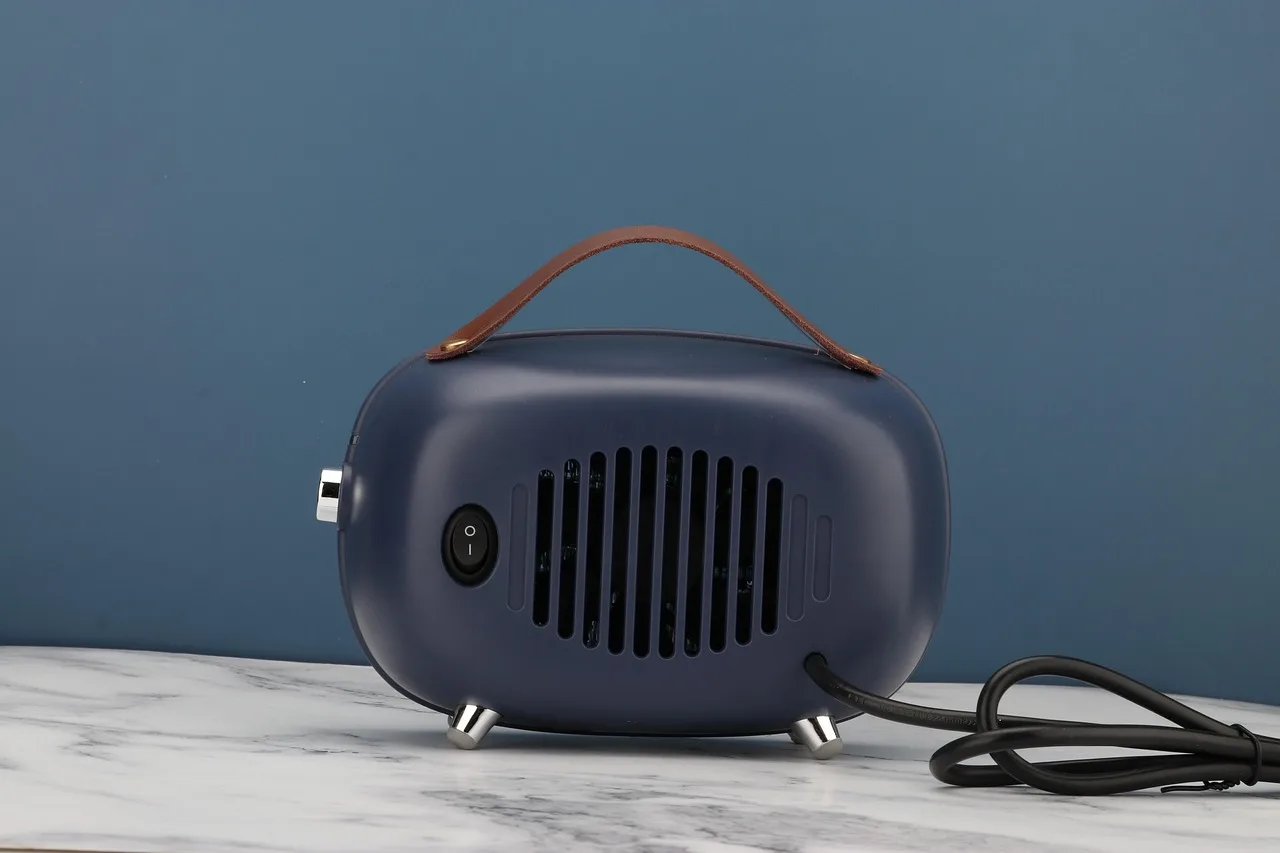
Ventless heaters are usually the worst fit for allergy-sensitive homes because they create heat by combustion but keep the byproducts in the same room. That raises concerns about moisture, nitrogen dioxide, carbon monoxide risk, and stale air. For indoor air quality, this is the weakest choice in the guide.
Combustion and moisture issues
Ventless units add water vapor to the room air and can produce pollutants that irritate lungs and eyes. In a tight room or bedroom, that can be a serious downside even if the heater itself looks energy efficient. Public-health and code guidance typically treat ventless combustion as a cautious or limited-use option, not a preferred one.
For allergy-sensitive homes, the goal is to reduce both particles and combustion exposure. Ventless heating does the opposite on both counts.
Best avoided in bedrooms and nurseries
Do not choose ventless heating for a nursery, and avoid it in bedrooms when possible. Those rooms need stable air quality more than they need a combustion-based shortcut. A sealed heat pump, radiant heater, or properly vented system is the safer path.
Decision matrix for allergy-sensitive homes
Use this matrix to match heater type to room needs. The “efficiency” column reflects typical energy performance, while the other columns reflect indoor air quality consequences that matter to allergy-sensitive homes.
| Heater type | Efficiency | Dust movement | Humidity impact | Maintenance burden |
|---|---|---|---|---|
| Heat pump | High; best seasonal efficiency for whole-home use | Low to moderate; depends on duct quality and blower setup | Usually neutral; less drying concern than combustion systems | Moderate; filters, coils, and periodic service matter |
| Gas furnace | High when AFUE is strong, but system losses depend on ducts and venting | Moderate to high; forced-air distribution can spread allergens | Can feel dry in winter; not a humidity solution | Moderate to high; filter changes, venting, and duct care matter |
| Electric space heater | High at point of use, but only for one room | Low if radiant; moderate if fan-driven | Usually neutral; can feel drying if it increases air circulation | Low; keep clearances, safety checks, and cord safety in mind |
| Radiant heater | Moderate to high for small rooms; not a whole-home system | Low; least air mixing of the options listed | Usually neutral | Low; mainly placement and safety checks |
| Forced-air system | Moderate to high, depending on equipment and duct sealing | Moderate to high; blower and ducts can spread dust | Can dry winter air and move moisture unevenly room to room | Moderate to high; filters, ducts, and blower upkeep are key |
| Ventless heater | Moderate, but poor tradeoff for IAQ | Low mechanical dust movement, but high combustion exposure | Adds moisture to the room | Moderate; fuel safety and ventilation concerns are significant |
| Bedroom | Radiant heater or ductless heat pump zone | Lowest practical dust movement | Stable, with less winter dryness than forced-air blast heat | Low to moderate; quiet operation and safety matter most |
| Whole-home | Heat pump first; high-AFUE gas furnace if ducts and fuel setup justify it | Lowest when ducts are sealed and filtration is strong | More stable with a well-designed heat pump system | Moderate; system service and filter changes are non-negotiable |
| Basement | Heat pump if the basement is finished and part of the HVAC plan | Low to moderate depending on the system | Helpful only if paired with humidity control | Moderate; moisture and filter checks matter |
| Nursery | Quiet heat pump zone or safe radiant heater | Lowest practical dust movement | More stable if the room stays near 30% to 50% RH | Low to moderate; safety and quiet operation matter most |
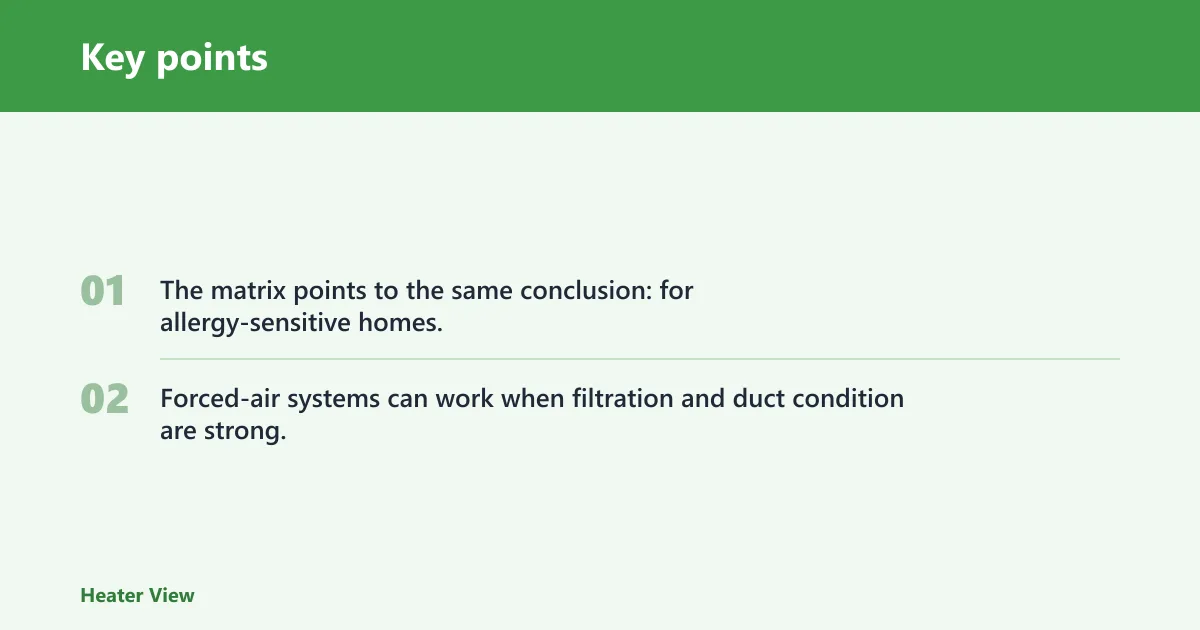
The matrix points to the same conclusion: for allergy-sensitive homes, heat pump heating is the best all-around efficiency choice, radiant heat is best for low-airflow room heating, and ventless combustion is the weakest option. Forced-air systems can work when filtration and duct condition are strong, but they carry a higher dust-management burden.
Frequently asked questions
What is the best heater efficiency for allergy-sensitive homes?
The best overall fit is usually a heat pump with a sealed installation, because it heats efficiently without indoor combustion and can pair with filtration. If a home already has good ducts, a high-AFUE gas furnace can be acceptable, but it usually carries more dust and venting concerns.
Which heater types circulate the least dust and allergens?
Radiant heaters and ductless heat pumps usually move less dust than forced-air systems. Radiant heat has the least room mixing, while ductless heat pumps avoid duct leakage. Forced-air furnaces and fan heaters move more air and can redistribute settled particles if filtration is weak.
Is radiant heat better than forced air for allergy sufferers?
Often, yes for single rooms. Radiant heat warms people and surfaces directly, so it creates less air movement. That can reduce dust disturbance in bedrooms and bathrooms. Forced air is better for whole-home distribution, but it usually carries a larger dust-management burden.
Do high-efficiency heaters reduce dry air and dust problems?
Not by themselves. High efficiency lowers energy waste, but dry air still happens in winter, and dust still moves if the system uses a blower. The better answer is efficient heat plus humidity control, proper filtration, and a room size match that avoids excess cycling.
Should I avoid space heaters if I have allergies or asthma?
Not always, but use them only as room heaters. Choose a model with tip-over and overheat protection, and keep it sized to the space. A space heater can be useful in one bedroom or office, but it should not replace a whole-home system.
What is the best filter choice for a forced-air system?
Choose the highest MERV rating your system can support without airflow problems, usually in the MERV 8 to 13 range for many homes. If you want true HEPA-level particle reduction, add a room air cleaner with a HEPA filter instead of depending on the furnace alone.
How often should allergy-friendly heating systems be maintained?
Check filters monthly in heating season and replace them when loaded. Keep returns clear, inspect ducts for leaks, and clean coils and blower components on the schedule recommended by the manufacturer. For gas equipment, venting and combustion safety checks matter too.
What room temperature and humidity are best for allergy-sensitive homes?
Comfort and respiratory health generally improve when indoor relative humidity stays around 30% to 50%, with the exact target depending on climate and comfort. Bedrooms and nurseries benefit from stable temperatures, low drafts, and moisture levels that do not invite mold growth.