1500W Infrared Heater vs. Oil-Filled Radiator: Which One Warms Your Home Best?
Hey there! If you’re reading this, you’re probably trying to figure out how to keep your home cozy without breaking the bank this winter. I get it—choosing the right heater can feel overwhelming with so many options out there. I’ve been there, shivering in my living room, wondering if I should go for a sleek 1500W infrared heater or a trusty oil-filled radiator. Both have their perks, and I’ve spent a lot of time digging into what makes each one tick. So, grab a cup of coffee, and let’s dive into this comparison together. I’ll walk you through everything I’ve learned about these two popular heaters, from how they work to which one might be the best fit for your home.
For portable-heater comparisons, Oil Filled Heater Vs Infrared: Essential Guide gives readers another helpful angle before buying or using one.
For portable-heater comparisons, Oil-Filled vs. Infrared: Which Radiant Heater is Better? gives readers another helpful angle before buying or using one.
How Do These Heaters Work?
Let’s start with the basics. Understanding how these heaters operate is key to picking the right one for you.
1500W Infrared Heater: Heat That Feels Like Sunshine
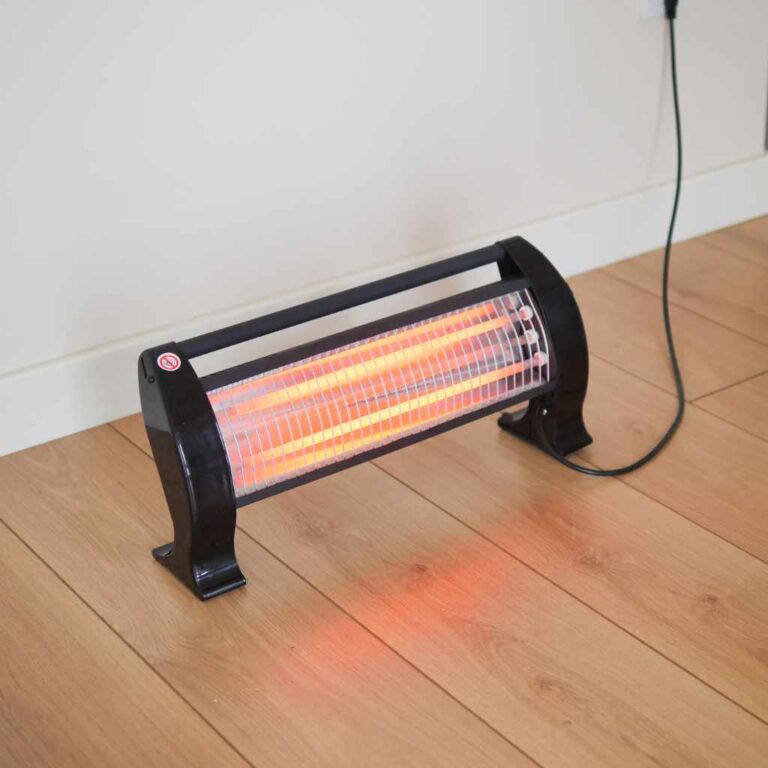
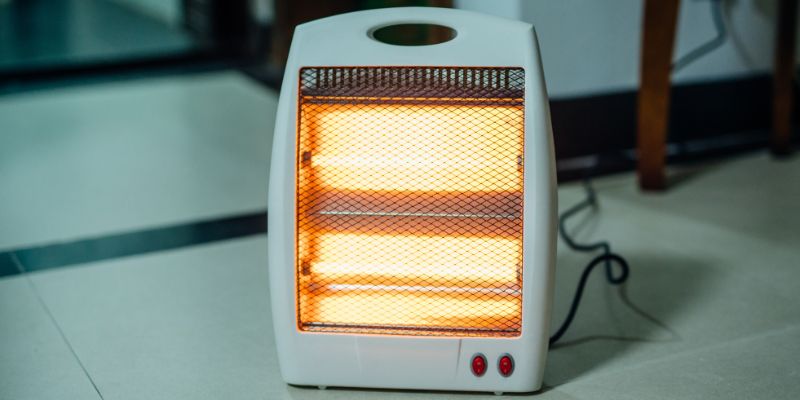
An infrared heater works a bit like the sun. It doesn’t heat the air around you—it sends out infrared waves that warm up objects and people directly. Picture sitting by a campfire; you feel the warmth on your skin, even if the air is chilly. That’s what an infrared heater does. It uses electricity to power a heating element, often a quartz tube, that emits these invisible waves. The 1500W models are popular because they pack enough punch to warm a small to medium-sized room quickly.
I remember the first time I used an infrared heater in my garage. I was working on a project in the middle of winter, and within minutes of turning it on, I could feel the warmth on my hands and face. It was like magic! But here’s the catch: the heat is directional. If you’re not in the heater’s line of sight, you might not feel much warmth. That’s something to keep in mind if you’re trying to heat a larger space.
Oil-Filled Radiator: Slow and Steady Warmth
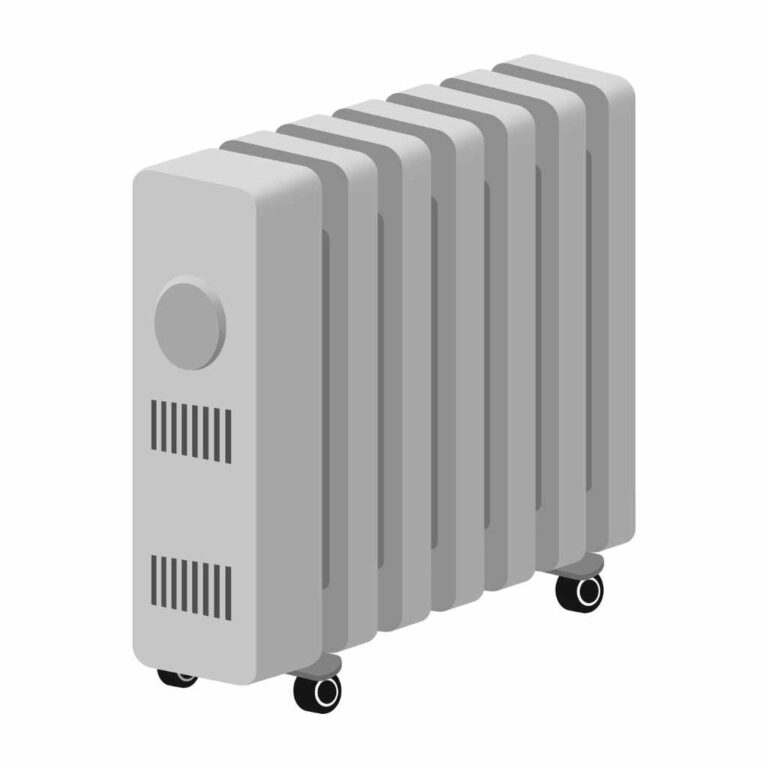
Oil-filled radiators, on the other hand, take a different approach. These heaters have a metal body filled with thermal oil. When you plug them in, an electric element heats the oil, which then circulates through the radiator’s fins, releasing heat into the room. It’s a process called convection, where the warm air rises, and cooler air moves in to take its place, creating a cycle that gradually warms the entire space.
I’ve used an oil-filled radiator in my bedroom, and it’s like wrapping the room in a warm blanket. It takes a while to heat up—sometimes 15 to 20 minutes—but once it does, the warmth feels even and cozy. The best part? Even after you turn it off, the oil retains heat for a while, keeping the room toasty without using extra electricity.
Energy Efficiency: Which One Saves More?
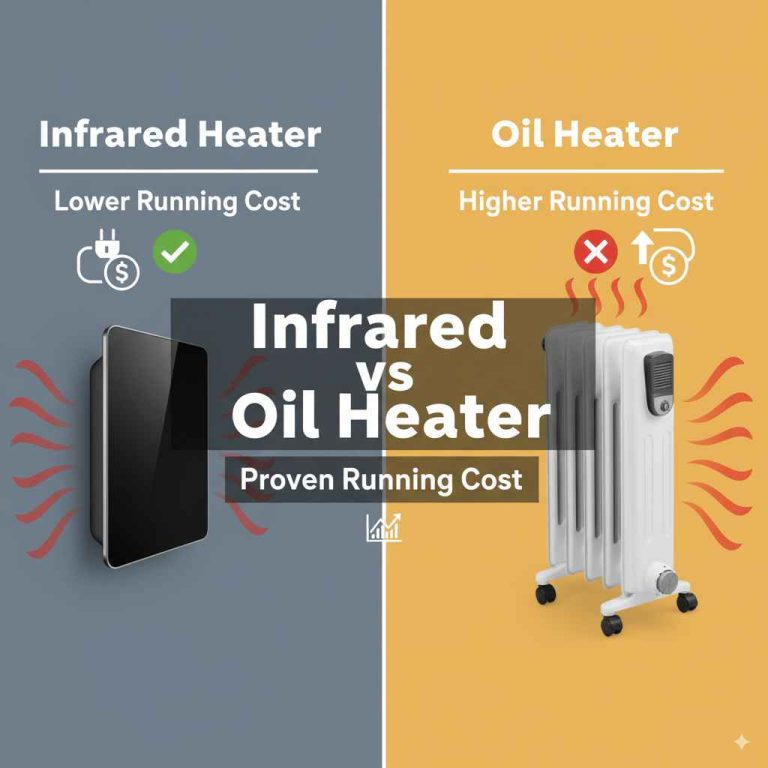
When it comes to heating, I’m always thinking about my electric bill. Both infrared and oil-filled heaters typically max out at 1500W, which means they use the same amount of power per hour. But efficiency depends on how they deliver heat and how you use them.
Infrared Heaters: Quick and Targeted
Infrared heaters are champs at targeted heating. Because they warm objects and people directly, they don’t waste energy heating air that might escape through a drafty window. I’ve noticed that when I use my infrared heater in a small, enclosed space—like my home office—it feels warm almost instantly. This makes it super efficient for short bursts of heat or for heating just one person.
However, if you’re trying to warm a large room, the directional nature of infrared heat can be a drawback. You might need to move the heater around or get one with a fan to spread the warmth. Some modern infrared heaters come with fans, but that can dry out the air, which isn’t always ideal.
Oil-Filled Radiators: Long-Term Savings
Oil-filled radiators shine when you need to heat a room for a longer period. Once the oil is hot, it retains heat well, so the heater doesn’t need to run constantly to maintain a comfortable temperature. I’ve found that my oil-filled radiator cycles on and off with its thermostat, which saves energy compared to keeping an infrared heater on continuously.
That said, oil-filled radiators take longer to heat up, so they’re not the best if you want instant warmth. But for overnight heating or keeping a room cozy all day, they can be more cost-effective. In my experience, using an oil-filled radiator in my living room meant I could lower the thermostat on my central heating, which saved me a noticeable chunk on my bill.
Efficiency Comparison Table
| Feature | 1500W Infrared Heater | Oil-Filled Radiator |
|---|---|---|
| Heat-Up Time | Fast (1-2 minutes) | Slow (15-20 minutes) |
| Best For | Spot heating, small areas | Whole-room heating, long-term |
| Energy Use | High if used continuously | Lower with thermostat cycling |
| Outdoor Use | Effective (directional heat) | Ineffective (air-based heat) |
Comfort and Heat Quality
Comfort is a big deal when you’re choosing a heater. After all, you want to feel cozy, not like you’re sitting in a sauna or still shivering.
Infrared Heaters: Instant but Directional
The heat from an infrared heater feels intense and immediate, like standing in sunlight. It’s great for warming up quickly, especially if you’re sitting right in front of it. I love using mine when I’m watching TV or working at my desk because I can point it directly at myself and feel the warmth right away.
But here’s the downside: the heat doesn’t spread evenly. If you’re in a larger room or moving around, you might notice cold spots. Also, if you have furniture blocking the heater’s path, those areas won’t get warm. It’s something I learned the hard way when I tried to heat my whole living room with one—it just didn’t reach the corners.
Oil-Filled Radiators: Even and Cozy
Oil-filled radiators create a different kind of warmth. It’s softer, more ambient, and feels like the heat from a central radiator. When I used one in my bedroom, the entire room felt evenly warm, with no cold spots. It’s the kind of heat that makes you want to curl up with a book and a blanket.
The trade-off is that it takes time to feel that warmth. If you’re coming in from the cold and want instant relief, you’ll need to be patient. But once the room is warm, it stays that way, which is perfect for long winter evenings.
Safety Features: Keeping Your Home Secure
Safety is a huge concern for me, especially since I have pets and a curious toddler running around. Both types of heaters come with safety features, but they differ in some key ways.
Infrared Heaters: Safe but Hot to Touch
Most infrared heaters are designed with safety in mind. Many have cool-to-touch exteriors, automatic shut-off if they tip over, and overheat protection. I’ve used models with these features, and it gives me peace of mind, especially when I leave the heater on for a while.
However, the heating element itself—like a quartz tube—can get extremely hot. I once accidentally brushed against one and regretted it instantly. If you have kids or pets, you’ll want to keep the heater out of reach or choose a model with a protective grill.
Oil-Filled Radiators: Built for Safety
Oil-filled radiators are some of the safest heaters out there. The heating element is enclosed inside the metal body, and the fins don’t get hot enough to burn you. I’ve touched the surface of mine while it’s running, and it’s warm but not dangerous. Most models also have tip-over protection and overheat shut-off, which makes them great for overnight use.
One thing to note: these heaters are heavier, so if they do tip over, they could cause damage. I always make sure mine is on a flat surface and away from edges.
Portability and Storage: Moving and Stowing
If you’re like me, you don’t want a heater cluttering up your space all year round. Portability and storage are big factors in my decision-making.
Infrared Heaters: Lightweight and Versatile
Infrared heaters are usually compact and lightweight. My 1500W model weighs less than 10 pounds, so I can easily carry it from my office to the garage. Many also come with handles or wheels, which makes moving them a breeze. Some can even be wall-mounted or ceiling-mounted, which is great if you want to save floor space.
When summer rolls around, I tuck my infrared heater into a closet or under a bed. It’s small enough to fit almost anywhere, which is a huge plus for my small apartment.
Oil-Filled Radiators: Sturdy but Bulky
Oil-filled radiators are heavier—often 20 to 30 pounds—because of the oil and metal construction. Mine has wheels, which helps, but it’s still a bit of a chore to move up stairs. If you’re planning to use it in one room most of the time, this isn’t a big deal. But if you’re moving it around a lot, it can be a hassle.
Storage is trickier, too. They’re bulkier than infrared heaters, so you’ll need a decent-sized storage space. I keep mine in the garage during the off-season, but it takes up more room than I’d like.
Maintenance and Durability
Nobody wants a heater that needs constant upkeep or breaks down after one winter. Here’s how these two stack up.
Infrared Heaters: Low Maintenance, Mixed Durability
Infrared heaters are pretty low-maintenance. There’s no oil to refill or filters to clean. I just wipe mine down with a cloth to keep dust off. Some models have fans, which might need occasional cleaning, but that’s about it.
Durability depends on the model. Cheaper infrared heaters can be a bit flimsy, with plastic parts that might crack over time. My first one lasted about two years before the heating element burned out. Higher-end models with metal casings tend to last longer, so it’s worth investing in a good one.
Oil-Filled Radiators: Built to Last
Oil-filled radiators are sturdy. The oil is sealed inside, so you never need to replace it, and the metal body is built to take a beating. My current one has been going strong for five years with no issues. Maintenance is minimal—just a quick wipe-down to keep it clean.
The downside? If something does go wrong, like a leak or a faulty thermostat, repairs can be tricky. But in my experience, these heaters are reliable if you buy from a reputable brand.
Best Use Cases: Where Each Heater Shines
Not every heater is perfect for every situation. Here’s what I’ve found works best for each.
When to Choose an Infrared Heater
- Spot Heating: If you want to warm just yourself or a small area—like a desk or a reading nook—an infrared heater is perfect. I use mine when I’m working late and don’t want to heat the whole house.
- Outdoor Use: Infrared heaters are great for patios or garages because the heat isn’t blown away by the wind. I’ve used mine for fall barbecues, and it kept my guests cozy.
- Quick Warm-Up: Need heat fast? Infrared heaters deliver in seconds, which is great for short bursts.
When to Choose an Oil-Filled Radiator
- Whole-Room Heating: For larger rooms or spaces you want to keep warm for hours, oil-filled radiators are the way to go. I use mine in my living room, and it keeps the whole space comfortable.
- Overnight Use: The even heat and safety features make these ideal for bedrooms. I sleep better knowing my radiator won’t overheat or tip over.
- Energy Savings for Long Sessions: If you’re heating a room all day, the heat retention can save you money compared to running an infrared heater non-stop.
Cost and Availability
Price is always a factor, right? Both types of heaters are widely available, but costs vary.
Infrared Heaters: Budget-Friendly Options
You can find 1500W infrared heaters for as little as $30 to $50 for basic models. Higher-end ones with fans or advanced thermostats might run $100 to $150. I picked up a decent one for $60, and it’s served me well for quick heating tasks. They’re easy to find at big-box stores or online.
Oil-Filled Radiators: A Bit Pricier
Oil-filled radiators tend to cost a bit more, starting around $50 for basic models and going up to $150 or more for ones with digital controls or extra features. Mine was about $80, and I felt it was worth the investment for the durability and even heating. You’ll find these at most home improvement stores or online retailers.
Conclusion
After spending countless chilly nights testing both 1500W infrared heaters and oil-filled radiators, I can say they’re both fantastic in their own way. It really comes down to what you need. If you want quick, targeted heat for a small space or outdoor use, go for an infrared heater. It’s like having a personal sunbeam to warm you up instantly. But if you’re looking to keep a whole room cozy for hours—especially overnight—an oil-filled radiator is your best bet. Its slow, steady warmth feels like a hug from your home.
For me, I keep both on hand. I use the infrared heater when I’m working in my garage or need a quick warm-up in my office. The oil-filled radiator stays in my bedroom, making sure I wake up to a toasty room. Think about your space, your budget, and how you plan to use the heater. You can’t go wrong with either, as long as you match it to your needs. Stay warm out there, and let’s make this winter the coziest yet!
FAQs
Can I Use an Infrared Heater Outdoors?
Yes, infrared heaters are great for outdoor use. They warm objects and people directly, so the heat isn’t lost to the wind. I’ve used mine on my patio during cool evenings, and it keeps everyone comfortable.
Are Oil-Filled Radiators Safe to Leave On Overnight?
Absolutely, as long as they have safety features like overheat protection and tip-over shut-off. I’ve left mine on overnight in my bedroom with no issues. Just make sure it’s on a stable surface.
Which Heater Is Cheaper to Run?
It depends on how you use it. Infrared heaters are cheaper for short, targeted heating sessions. Oil-filled radiators can save money for longer periods because they retain heat and cycle off with a thermostat.
Do Infrared Heaters Dry Out the Air?
Basic infrared heaters don’t dry out the air since they don’t rely on convection. But models with fans might. I haven’t noticed much dryness with mine, but I keep a humidifier handy just in case.
How Long Do These Heaters Last?
A good infrared heater can last 2 to 5 years, depending on the build quality. Oil-filled radiators often last longer—mine’s been going strong for over five years with no problems.