Stay Warm Without Breaking the Bank
I shivered in my chilly bedroom last winter. I needed a heater but didn’t want high bills. That’s when I explored ceramic heater vs oil filled radiator running costs. This article shares what I learned. It compares these heaters, their costs, and how to save money. I’ll explain everything simply, like chatting with a friend. You’ll get tips, examples, and answers to common questions. Let’s find the best heater for your home!
What Are Ceramic Heaters and Oil-Filled Radiators?
Heaters keep us warm. But they work differently.
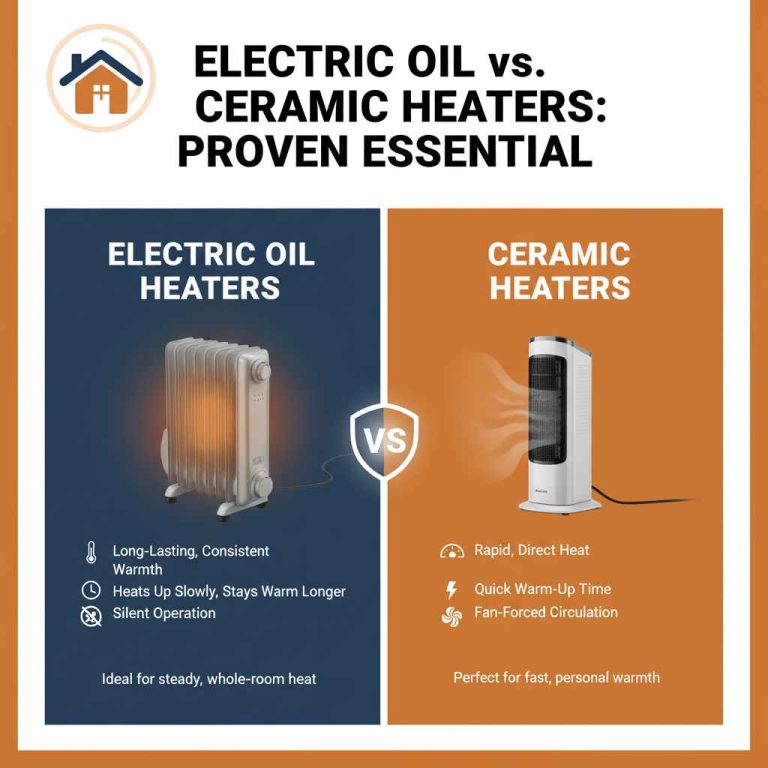
Ceramic Heaters: Quick and Light
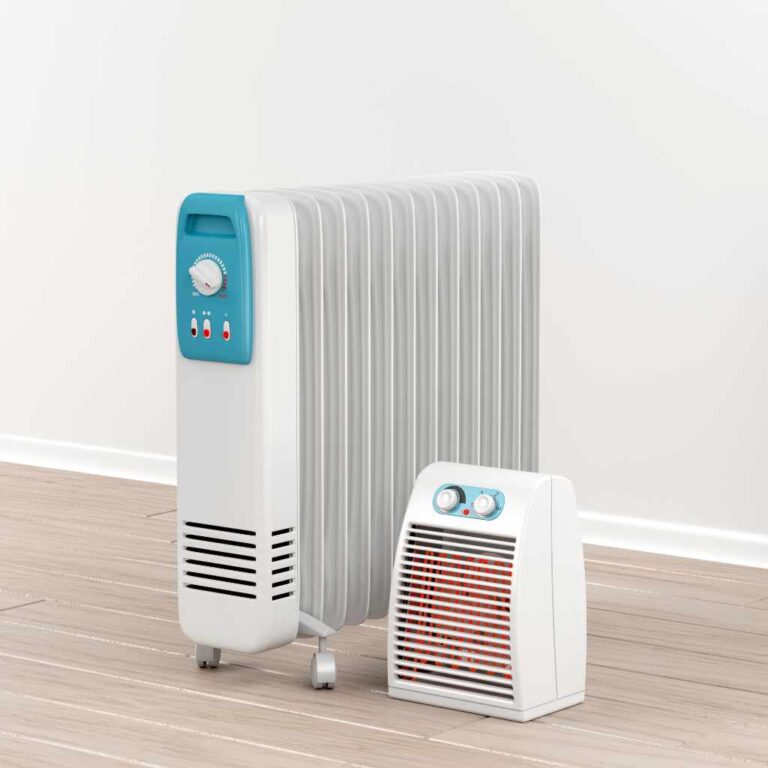
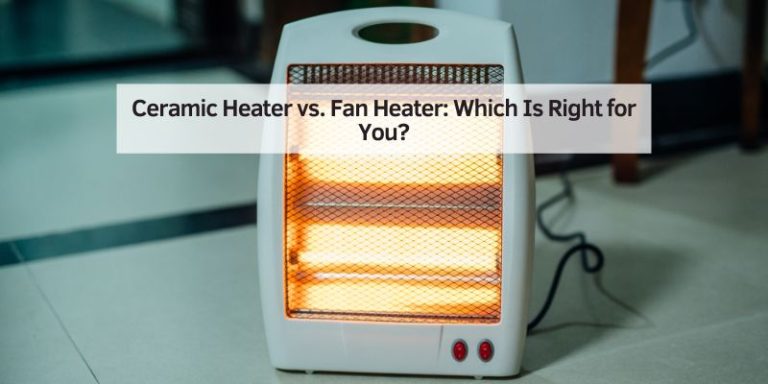
Ceramic heaters use a ceramic plate. Electricity heats the plate fast. A fan blows warm air out. They’re small and easy to move. I used one in my home office. It warmed up in minutes!
Oil-Filled Radiators: Slow and Steady
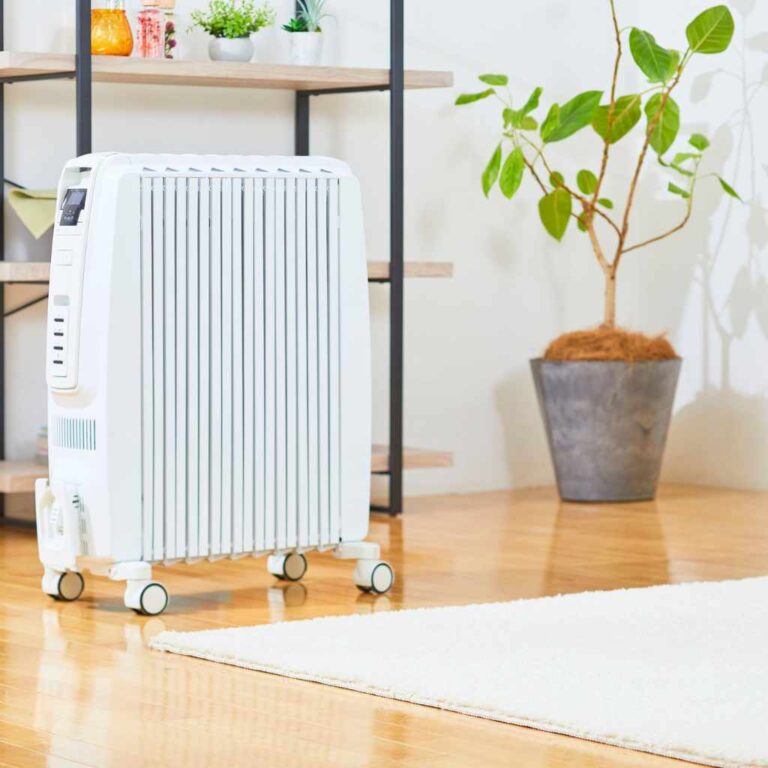
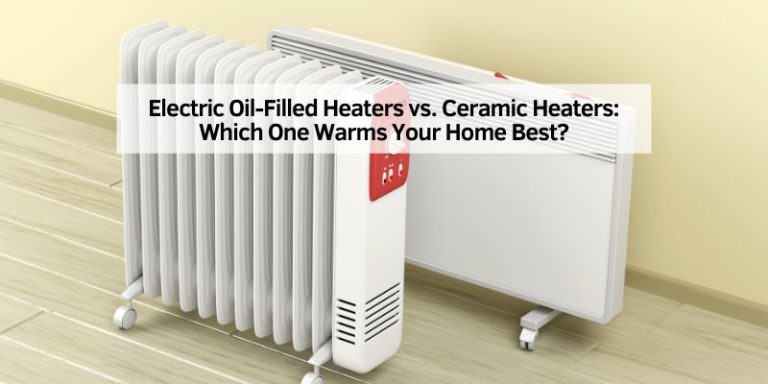
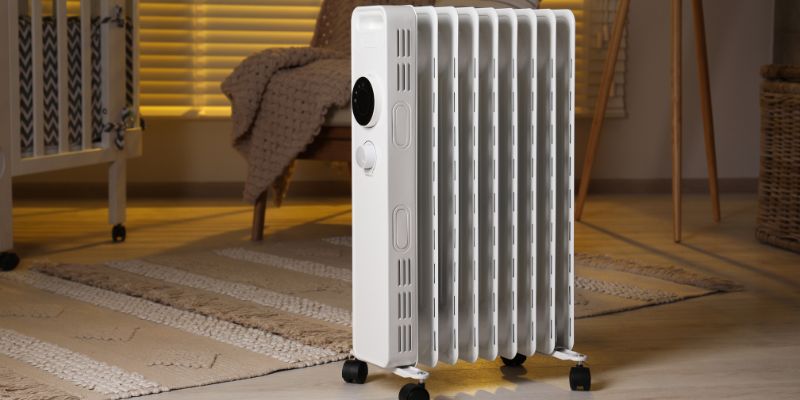
Oil-filled radiators have oil inside. Electricity heats the oil. The oil stays warm for a long time. These heaters are bigger but cozy. I tried one in my living room. It kept the room toasty even after I turned it off.
Why Running Costs Matter
Running costs are how much electricity a heater uses. Lower costs save money. I wanted a heater that wouldn’t make my bill skyrocket. Let’s compare how these heaters affect your wallet.
How Do Running Costs Work?
Heaters use watts. Watts measure electricity. More watts mean higher costs.
Calculating Heater Costs
To find costs, check the heater’s watts. Multiply by hours used and your electricity rate. My rate is 24.5 cents per kilowatt-hour (kWh). A 1500-watt heater costs about 37 cents per hour.
- Step 1: Find watts on the heater’s label.
- Step 2: Multiply watts by hours used daily.
- Step 3: Divide by 1000 to get kWh. Multiply by your rate.
For example, a 1500-watt ceramic heater used 4 hours daily costs $1.47 per day.
Table: Cost Comparison for 1500-Watt Heaters
| Heater Type | Watts | Hours Used | Daily Cost (24.5¢/kWh) | Monthly Cost (30 days) |
|---|---|---|---|---|
| Ceramic Heater | 1500 | 4 | $1.47 | $44.10 |
| Oil-Filled Radiator | 1500 | 4 | $1.47 | $44.10 |
| Caption: Both heaters cost the same for equal watts and time. Oil-filled radiators save if used longer due to heat retention. |
Ceramic Heater vs Oil Filled Radiator Running Costs
Let’s dive into ceramic heater vs oil filled radiator running costs. Both can be efficient, but they shine in different ways.
Ceramic Heaters: Fast but Thirsty
Ceramic heaters heat up quickly. They’re great for short bursts. I use mine for my desk area. But they use electricity the whole time they’re on. If you leave them on long, costs add up. They’re best for small rooms or quick warmth.
Oil-Filled Radiators: Slower but Cheaper Long-Term
Oil-filled radiators take 20-30 minutes to warm up. Once hot, the oil keeps radiating heat. Even when off, they stay warm. This saves electricity. I used one overnight in my bedroom. It kept me cozy without running all night.
Table: Running Cost Factors
| Factor | Ceramic Heater | Oil-Filled Radiator |
|---|---|---|
| Heat-Up Time | Fast (seconds) | Slow (20-30 minutes) |
| Heat Retention | Cools quickly | Stays warm after off |
| Best Use | Small rooms, short use | Large rooms, long use |
| Average Cost/Hour | 37¢ (1500W) | 37¢ (1500W, less if off) |
| Caption: Oil-filled radiators save money for longer heating sessions. |
Benefits and Drawbacks
Each heater has pros and cons. Let’s break them down.
Ceramic Heater Benefits
- Fast Heat: Warms up in seconds.
- Portable: Light and easy to carry.
- Safe: Ceramic plates don’t get too hot.
Ceramic Heater Drawbacks
- Quick Cooling: Stops warming when off.
- Noisy Fans: Some models hum or click.
- Small Spaces Only: Not great for big rooms.
Oil-Filled Radiator Benefits
- Long-Lasting Heat: Stays warm after shutting off.
- Quiet: No fans, just silent warmth.
- Great for Big Rooms: Heats evenly over time.
Oil-Filled Radiator Drawbacks
- Slow Start: Takes time to heat up.
- Heavy: Hard to move around.
- Hot Surface: Can burn if touched.
Practical Examples for Your Home
Imagine you’re heating a small bedroom (150 square feet). A 1000-watt ceramic heater works fast. It costs about 25 cents per hour. For a home office, I plug in my ceramic heater for quick warmth while working.
Now picture a big living room (300 square feet). A 1500-watt oil-filled radiator is better. It heats slowly but keeps the room cozy. I set a timer to start it before I get home. It saves money by staying warm without constant power.
Visual Ideas
- Diagram 1: Show a small room with a ceramic heater near a desk.
- Diagram 2: Show a living room with an oil-filled radiator by a couch.
- Diagram 3: Chart comparing watts to room size for both heaters.
Tips to Save Money on Heating
I learned tricks to keep costs low. Here are my favorites:
- Use a Timer: Turn heaters off when not needed.
- Lower Thermostat: Set it to a cozy but low temperature.
- Insulate Rooms: Close doors and use curtains to trap heat.
Table: Cost-Saving Tips
| Tip | How It Saves Money | Best for Heater Type |
|---|---|---|
| Use a Timer | Stops unnecessary power use | Both |
| Insulate Room | Keeps heat in, reducing run time | Oil-Filled Radiator |
| Choose Right Size | Matches heater power to room size | Both |
| Caption: Simple steps cut costs for any heater. |
Safety Tips for Heaters
Safety is key. I once tripped over a heater cord. Never again!
- Keep Clear: Don’t put clothes or blankets on heaters.
- Check Cords: Look for frayed wires before use.
- Use Tip-Over Protection: Many ceramic heaters have this.
Oil-filled radiators can get hot. Keep kids and pets away. Ceramic heaters are safer but still need care. Always plug directly into a wall outlet, not an extension cord.
Other Heating Options
Not sure about ceramic or oil-filled? Try these:
- Infrared Heaters: Heat objects directly, great for spot heating.
- Fan Heaters: Like ceramic but use metal coils. Cheaper but less safe.
- Central Heating: Best for whole-house warmth but costly.
I tried an infrared heater in my garage. It warmed me up fast but didn’t heat the whole space. Check Energy Star for efficient models.
My Personal Experience
Last winter, I tested both heaters. My ceramic heater was perfect for my small office. It heated up fast, but I turned it off after a few hours to save money. In my living room, the oil-filled radiator was a game-changer. It took longer to start but kept the room warm all evening. I saved about $10 a month by using it wisely.

Frequently Asked Questions
What’s Cheaper to Run: Ceramic or Oil-Filled?
Oil-filled radiators are cheaper for long use. They keep heat after turning off. Ceramic heaters cost less for short bursts. Both use similar watts, but oil-filled saves if used over hours. Check your heater’s wattage and electricity rate to be sure.
How Much Does a Ceramic Heater Cost to Run?
A 1500-watt ceramic heater costs about 37 cents per hour at 24.5 cents per kWh. For 4 hours daily, that’s $1.47 per day or $44 monthly. Lower watts or shorter use cuts costs.
Do Oil-Filled Radiators Save Money?
Yes, they save money for long heating. The oil holds heat, so the heater runs less. I use mine overnight. It keeps my room warm without constant power, lowering bills.
Are Ceramic Heaters Safe for Kids?
Ceramic heaters are safer. Their plates don’t get as hot as oil-filled radiators. Many have tip-over protection. Still, keep them away from kids and check for safety features.
Can I Leave an Oil-Filled Radiator On All Night?
Yes, with safety features like overheat protection. I use a timer to turn it off after a few hours. Never leave any heater unattended for too long.
Which Heater Is Best for a Big Room?
Oil-filled radiators are best for big rooms. They heat evenly and stay warm. Ceramic heaters work better for small spaces like offices or bathrooms.
How Do I Choose the Right Heater Size?
Match watts to room size. Use 100 watts per square meter. A 150-square-foot room needs about 1000 watts. Check Consumer Reports for sizing guides.
Conclusion
Choosing between a ceramic heater and an oil-filled radiator depends on your needs. Ceramic heaters are fast and great for small spaces. Oil-filled radiators save money for bigger rooms and longer use. Try one in your home! Use my tips to keep costs low and stay safe. Share your heater stories in the comments. Stay warm and cozy this winter!