Choosing Between Baseboard Heat and Space Heaters: My Journey to a Cozy Home
When I moved into my first apartment, I faced a chilly dilemma: how to stay warm without breaking the bank. The place had baseboard heaters, but my friend swore by her portable space heater. I was confused—baseboard heat vs. space heater, which was better? After trial and error, I learned the ins and outs of both. This article shares my experience to help you pick the right heating option. We’ll cover what each is, how they work, their pros and cons, and simple tips to save money and stay safe. Let’s dive in!
What Are Baseboard Heaters and Space Heaters?
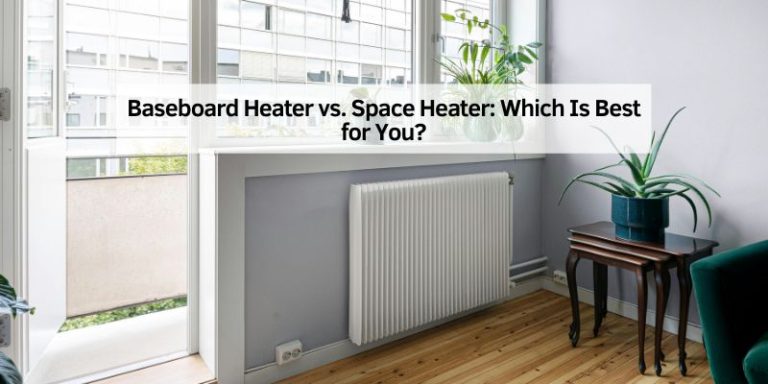
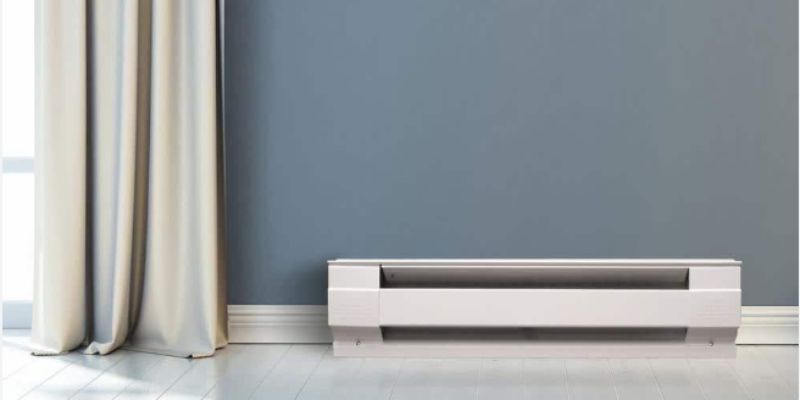
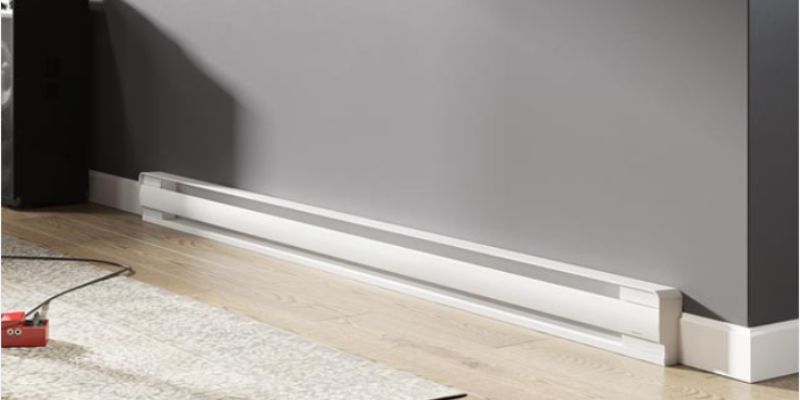
Baseboard heaters are long, slim units that sit along the bottom of your walls, usually under windows. They warm a room by heating air that rises and spreads. There are two types: electric ones use heated coils, while hydronic ones use hot water or oil. They’re great for steady, even heat in one room.
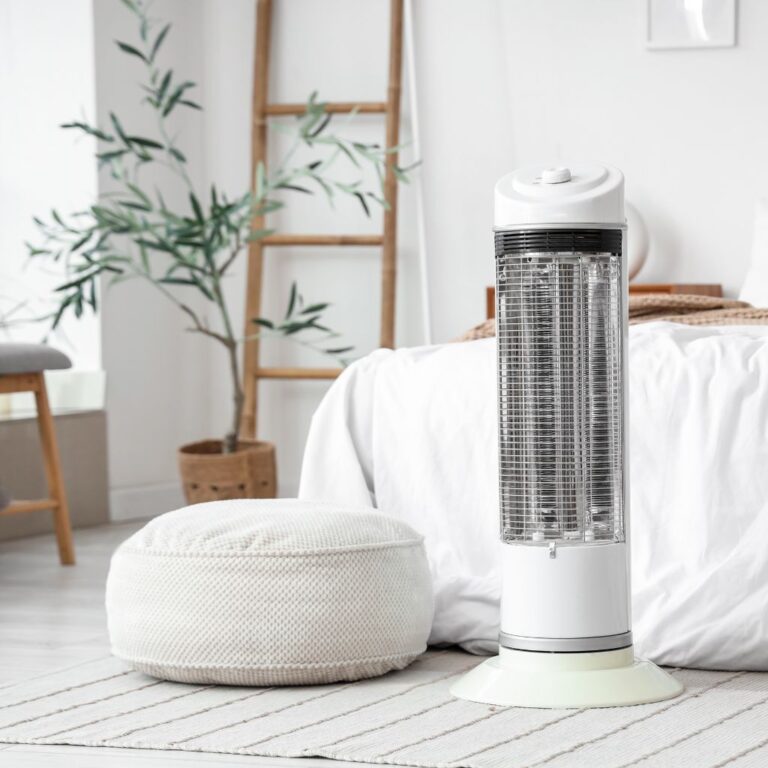
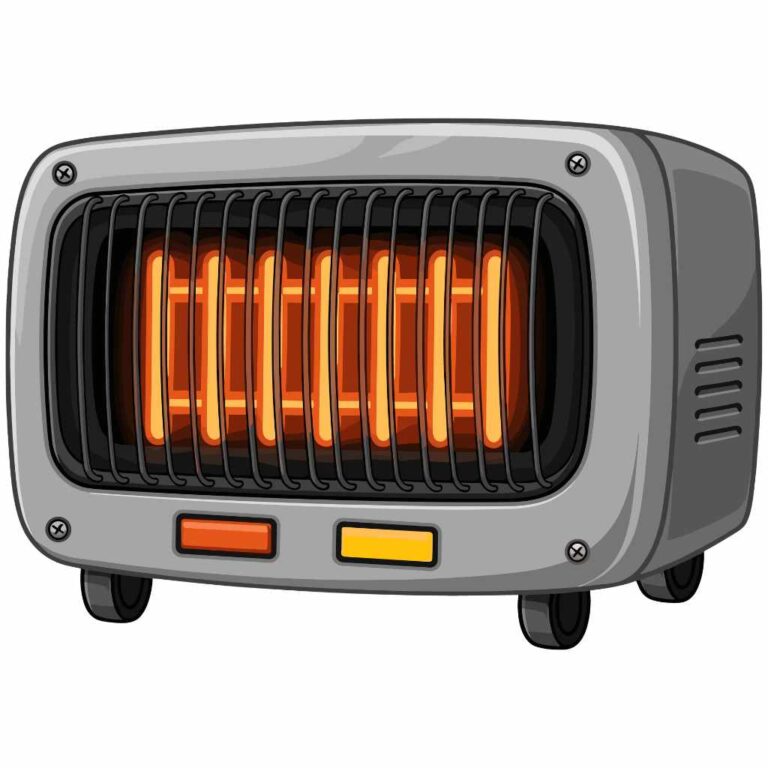
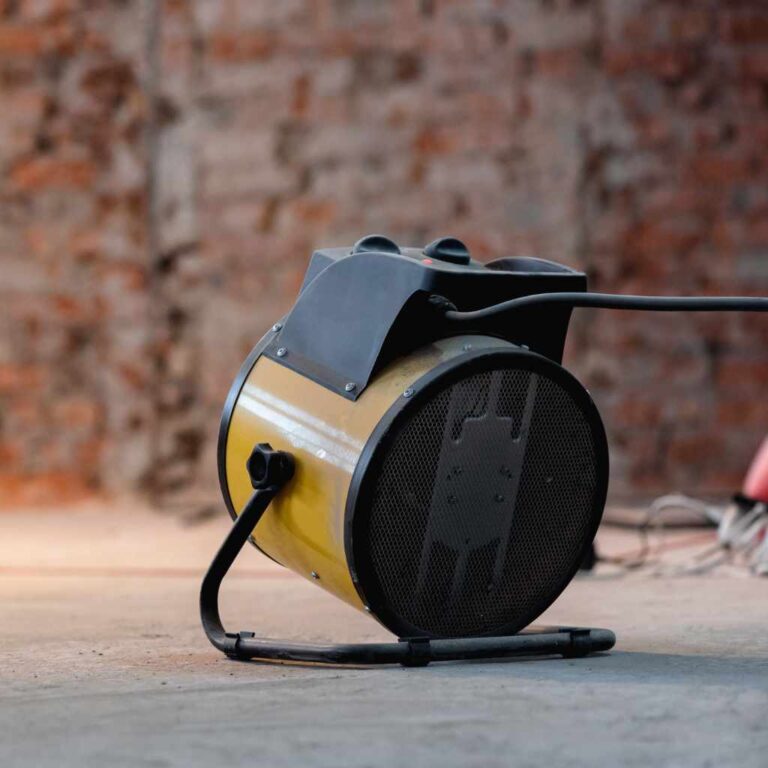
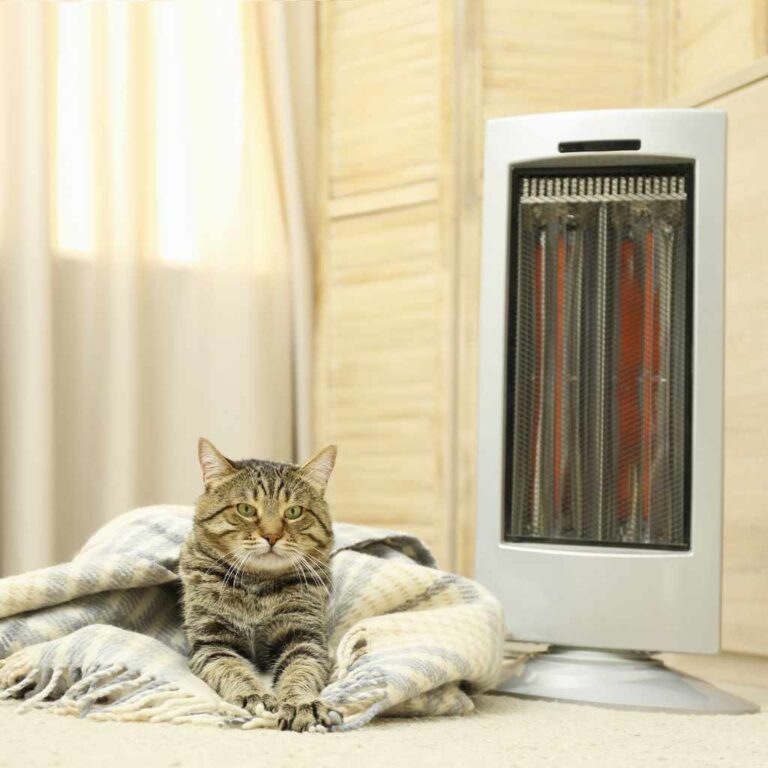
Space heaters are portable gadgets you plug in to warm a small area fast. They come in types like ceramic, oil-filled, or infrared. You can move them from room to room, making them super handy for quick heat.
Why It Matters
Choosing between baseboard heat vs. space heater depends on your home, budget, and needs. Baseboard heaters are fixed and heat whole rooms, while space heaters are flexible for smaller spots. Knowing the difference helps you save money and stay cozy.
How Do They Work? A Simple Comparison
Let’s break it down with a real-life example. In my apartment, the living room had a baseboard heater. It took a while to warm up, but once it did, the room felt evenly toasty. My bedroom, though, was freezing, so I used a space heater. It heated my desk area in minutes, but the rest of the room stayed chilly.
Baseboard Heaters
- How They Work: Cool air enters the bottom, gets warmed by electric coils or hot water, and rises out the top. This cycle keeps a room warm.
- Best For: Whole rooms, like living areas or basements, where you need steady heat.
- Example: I set my baseboard heater to 68°F in the living room. It kept the space comfy all day.
Space Heaters
- How They Work: They use fans or radiant heat to warm a small area fast. Ceramic ones blow hot air, while infrared ones heat objects directly.
- Best For: Small spaces like a bedroom corner or home office.
- Example: My 1500-watt ceramic space heater warmed my desk in 10 minutes, but I had to move it to heat other spots.
Tools and Costs: What You Need
To use either option, you don’t need much, but costs vary. Here’s a simple breakdown:
Baseboard Heaters
- Tools/Materials: Usually installed by pros (electrician or HVAC tech). You need a thermostat (some units have built-in ones).
- Cost: $60-$300 per unit, plus $500-$1,000 for installation. Running costs depend on electricity rates—about $400/month for a 1,200 sq ft home.
- Recommendation: Cadet SoftHeat ($100-$200) for quiet, efficient heating.
Space Heaters
- Tools/Materials: Just plug it into a standard outlet. Look for models with thermostats or timers.
- Cost: $25-$100 to buy. Running one daily costs about $2.80.
- Recommendation: Lasko Ceramic Heater ($40) for small rooms—it’s safe and affordable.
Cost Comparison Table
Benefits and Drawbacks
Both options have ups and downs. Here’s what I found after using them:
Baseboard Heaters
- Benefits:
- Drawbacks:
Space Heaters
- Benefits:
- Quick heat—my room felt warm in minutes.
- Portable—move it where you need it.
- Cheap to buy and easy to use.
- Drawbacks:
Pros and Cons Table
Easy Tips to Save Money and Stay Safe
After burning my fingers (not literally!) with both heaters, I learned some tricks:
- Use a Thermostat: Get a programmable thermostat for baseboard heaters. I set mine to 16°C at night to save $20/month.
- Zone Heating: Only heat rooms you’re using. I turned off baseboard heaters in empty rooms and used a space heater in my office.
- Clean Regularly: Dust on baseboard heaters blocks heat. Vacuum them yearly to save energy. For space heaters, clean filters monthly.
Safety Tips
- Keep furniture 6 inches from baseboard heaters to avoid fires.
- Never leave space heaters on overnight or unattended. My cat once knocked one over—scary!
- Check cords for damage. I replaced a frayed space heater cord to stay safe.
My Personal Insights
My first winter with baseboard heaters was a flop. I cranked them up, and my electric bill soared to $400! Then I tried a space heater in my bedroom. It was a game-changer for quick warmth, but I had to move it around to heat different spots. If you live in a small apartment (like my 550 sq ft place), space heaters can save money by heating only where you are. For bigger homes, baseboard heaters are better for consistent warmth. If you’re in a cold state like Michigan, consider a heat pump for efficiency—they can save 65% on bills
Alternative Approach: Heat Pumps
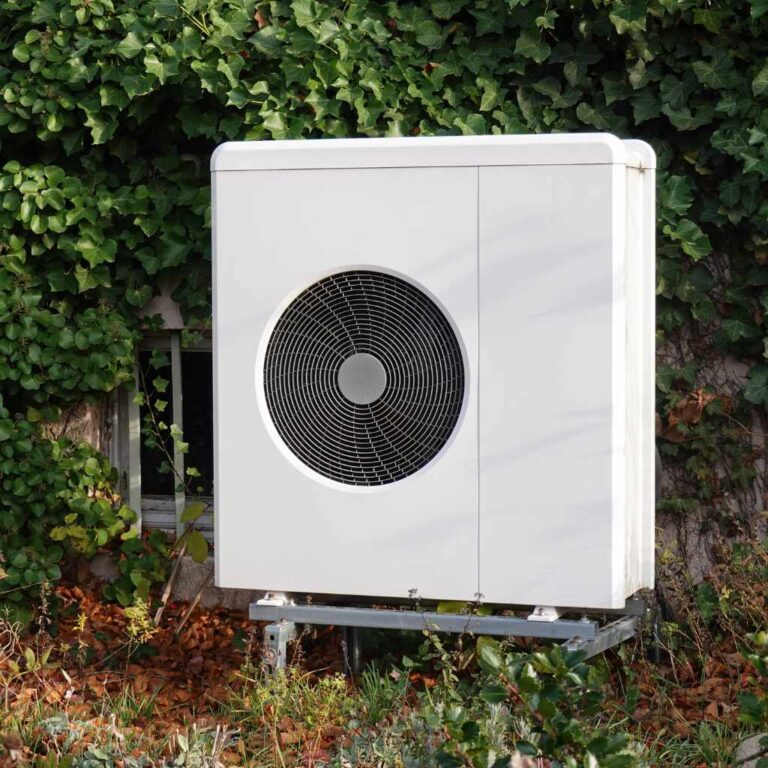
Heat pumps are a great middle ground. They heat and cool, using less energy than baseboard heaters. They cost $2,000-$5,000 to install but can save $739/year compared to electric baseboards. Check Energy Star for rebates
Visual Ideas
To make this easier, imagine these visuals (not included):
- Diagram: A side-by-side view of a baseboard heater (under a window) vs. a space heater (on a floor), showing how air moves.
- Chart: A timeline comparing how fast each heater warms a room (space heater: 5-10 min, baseboard: 30-60 min).
- Photo: A cozy room with a baseboard heater neatly tucked under a window, vs. a cluttered desk with a space heater nearby.
Frequently Asked Questions
Which is Cheaper to Run: Baseboard Heat or Space Heater?
Space heaters are cheaper for small spaces, costing about $2.80/day for one room. Baseboard heaters cost more ($5-$15/day for a home) but heat larger areas better.
Are Baseboard Heaters Safe for Kids?
Baseboard heaters can get hot (up to 140°F for hydronic, hotter for electric). Keep kids and pets away and use covers to prevent burns.
Can I Use a Space Heater All Night?
No, it’s risky. Space heaters cause over 25,000 fires yearly. Use models with auto-shutoff and never leave them unattended.
Do Baseboard Heaters Dry Out the Air?
Yes, especially electric ones. They create dry heat, which can cause dry skin or noses. Use a humidifier to add moisture.
How Do I Make Baseboard Heaters More Efficient?
Vacuum dust yearly, keep furniture 6 inches away, and use a smart thermostat to lower temperatures when not needed.
Can Space Heaters Heat a Whole House?
No, they’re best for small areas (100-300 sq ft). For whole-house heating, baseboard heaters or heat pumps are better.
What’s a Good Alternative to Both?
Ductless heat pumps are efficient, quiet, and heat/cool. They cost more upfront but save energy long-term.
Conclusion
Baseboard heat vs. space heater—it’s all about your needs. Baseboard heaters keep whole rooms cozy and quiet but cost more to run. Space heaters are cheap, quick, and portable but riskier and noisier. Try a space heater for a small apartment or a baseboard heater for a bigger home. Check your electric bill after a month to see what works. Share your heating tips in the comments—I’d love to hear them! Stay warm and safe!