Electric Furnace Vs Baseboard Heaters: Which Heats Your Home Best?
Are you trying to decide between an electric furnace and baseboard heaters for your home? Choosing the right heating system can save you money, keep your space comfortable, and even impact your energy use.
But with so many options, it’s easy to feel overwhelmed. What if you could quickly understand the key differences and find the best fit for your needs? Keep reading, and you’ll discover exactly how these two heating options work, their pros and cons, and which one could be the perfect match for your home.
Let’s make this decision simple and smart for you.
Electric Furnace Basics
Electric furnaces are common heating devices in many homes. They use electricity to create warmth and distribute it through the house. Many people choose electric furnaces for their simplicity and clean operation. Understanding how they work helps in deciding if they fit your heating needs.
How Electric Furnaces Work
Electric furnaces use electric heating elements. These elements heat up when electricity flows through them. A blower fan pushes air over the hot elements. Warm air moves through ducts to heat different rooms. The system turns on and off based on the thermostat setting.
Energy Efficiency Of Electric Furnaces
Electric furnaces convert almost all electricity into heat. This means they have nearly 100% energy efficiency. They do not waste fuel or release combustion gases. Still, electricity costs can affect overall heating expenses. Proper insulation helps keep energy use low.
Installation And Maintenance
Installing an electric furnace is usually faster than gas systems. No need for vent pipes or gas lines makes setup simpler. Maintenance is low since there are no burners or flues. Regular filter changes keep air clean and system running well. Annual checks ensure safe and efficient operation.
Baseboard Heaters Explained
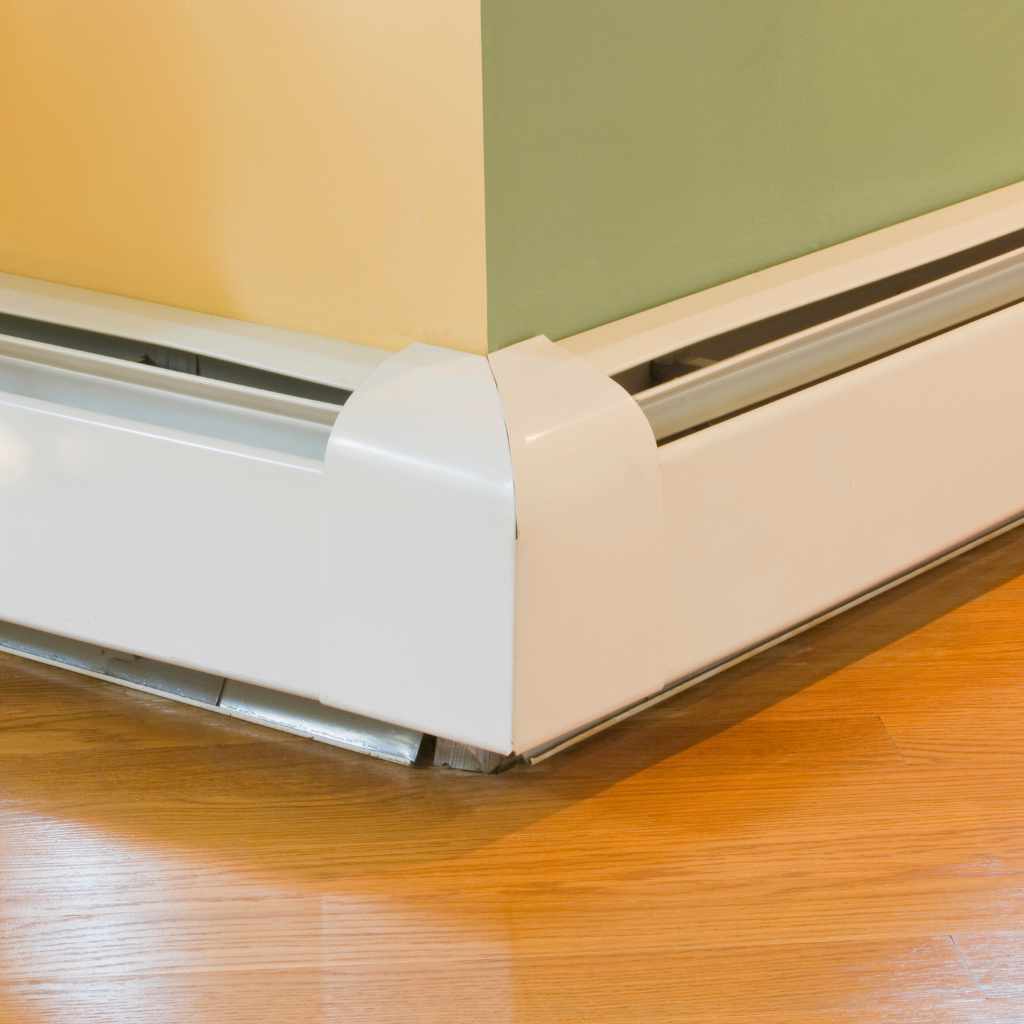
Baseboard heaters offer a simple way to heat rooms using electricity. These heaters are common in many homes and provide steady warmth. Understanding how they work helps in choosing the right heating system.
They fit along the base of walls and use electric power to warm the air. Baseboard heaters are quiet and easy to control. Many people prefer them for their ease and safety.
Operation Of Baseboard Heaters
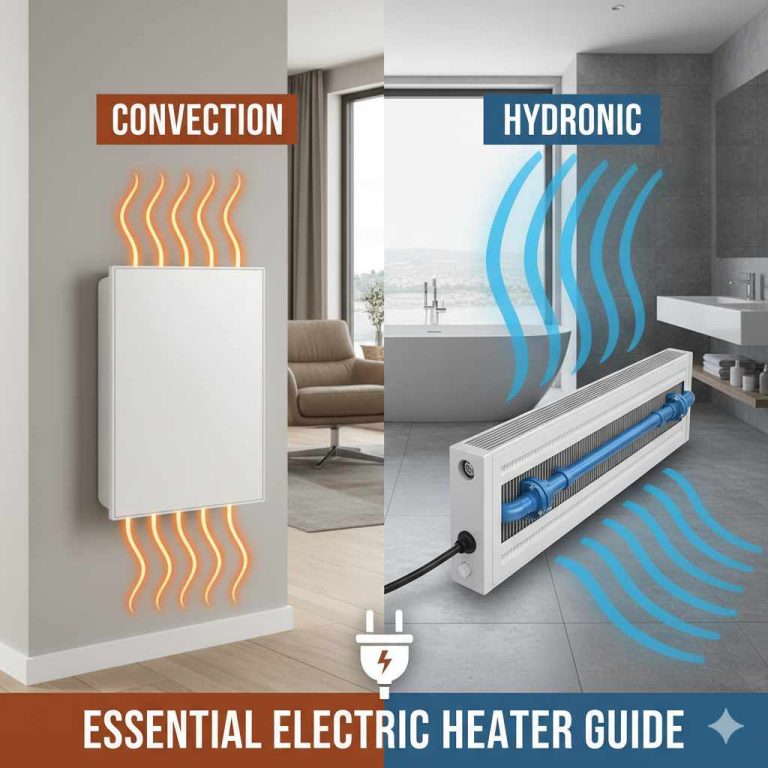
Baseboard heaters use electric resistance to create heat. Inside, metal coils warm up when electricity flows through them. The heat transfers to the metal fins around the coils.
Warm air rises from the heater and spreads through the room. This process is called convection heating. It helps keep the room temperature even and comfortable.
Energy Use And Efficiency
These heaters use electricity directly to produce heat. They convert almost all electricity into heat without waste. Efficiency depends on insulation and room size.
Baseboard heaters work best in small to medium rooms. They may increase electric bills if used in large spaces. Smart thermostats can help save energy by controlling heat times.
Installation And Upkeep
Installing baseboard heaters is straightforward for professionals. They mount on walls near the floor. The heaters connect to the home’s electrical system with wiring.
Maintenance is simple. Clean dust from fins to keep airflow smooth. Check wiring and controls yearly for safety. No fuel or venting means fewer problems over time.
Cost Comparison
Understanding the costs of electric furnaces and baseboard heaters helps you make a smart choice. Both options have different price points at the start and over time.
Initial Purchase And Installation Costs
Electric furnaces usually cost more to buy than baseboard heaters. The price depends on the size and brand. Installation costs for electric furnaces are higher. They need professional setup with wiring and ductwork. Baseboard heaters are cheaper to buy. Installation is simple and less expensive. You can even install some models yourself. The upfront cost for baseboard heaters is often half or less than that of electric furnaces.
Long-term Operating Expenses
Electric furnaces use more electricity but heat spaces faster. This can lower your heating time and bills. Baseboard heaters use electricity continuously to heat rooms. This may increase your monthly energy costs. Electric furnaces have filters that need regular cleaning. This keeps the system efficient and can save money. Baseboard heaters require little maintenance. Your bills depend on your home size and insulation. Consider your local energy rates too. Over time, electric furnaces might save money despite higher start costs.
Heating Performance
Heating performance is key when choosing between an electric furnace and baseboard heaters. It affects how warm and comfortable your home feels. Understanding the differences helps you pick the best option for your needs.
Both systems use electricity but work differently. Their heat output, speed, and control vary. These factors impact your comfort and energy use.
Heat Distribution And Comfort
Electric furnaces warm air and push it through ducts. This spreads heat evenly in many rooms. The warm air rises, filling the space quickly. It creates a balanced temperature throughout the house.
Baseboard heaters give off heat along walls. They warm the area near the unit first. The heat moves slowly across the room. Some spots may feel warmer than others. This can lead to uneven comfort.
Response Time And Temperature Control
Electric furnaces heat up fast. They reach set temperatures quickly. This allows precise control of indoor climate. Thermostats can adjust heat efficiently for comfort.
Baseboard heaters take longer to warm a room. They rely on radiation and convection. Temperature changes happen slowly. This means less precise control and delayed comfort.
Environmental Impact
The environmental impact of heating systems is a key concern for many homeowners. Choosing between an electric furnace and baseboard heaters affects energy use and emissions. Understanding these effects helps in making a greener choice.
Both systems use electricity but vary in how much and how efficiently they use it. Their impact on the environment depends on these factors and the source of electricity.
Energy Consumption And Emissions
Electric furnaces generally consume more energy than baseboard heaters. They heat large spaces quickly but require more power. Baseboard heaters heat room by room, using energy only where needed.
Electricity production often emits greenhouse gases. The amount depends on the power source. Renewable energy reduces emissions, while fossil fuels increase them. Using less electricity means lower emissions.
Sustainability Considerations
Baseboard heaters offer better control over heating zones. This can reduce wasted energy and lower bills. Electric furnaces may waste energy by heating unused areas.
Choosing energy-efficient models matters for both types. Pairing heaters with renewable energy sources improves sustainability. Proper insulation and smart thermostats also help reduce environmental impact.
Suitability For Different Homes
Choosing the right heating system depends on the type and size of your home. Some heaters work better in large spaces, while others suit small rooms. Understanding the strengths of electric furnaces and baseboard heaters helps you pick the best option.
Best Settings For Electric Furnaces
Electric furnaces work well in medium to large homes. They heat air quickly and spread warmth through ducts. These systems suit homes with existing ductwork. Setting the thermostat between 68°F and 72°F keeps rooms comfortable.
Electric furnaces perform best in insulated homes. They maintain steady heat without using too much energy. Programmable thermostats improve efficiency by adjusting heat during the day and night.
Ideal Conditions For Baseboard Heaters
Baseboard heaters fit well in small to medium homes or individual rooms. They provide direct heat and are easy to install along walls. These heaters work best in homes without duct systems.
Rooms with good insulation keep heat longer with baseboard heaters. They are silent and allow control of heat in each room. Setting thermostats around 68°F ensures cozy warmth without high costs.
Safety And Noise Levels
Safety and noise levels are key factors in choosing a heating system. Both electric furnaces and baseboard heaters offer warmth but differ in these areas. Understanding their safety risks and noise output helps make a better choice for your home.
Potential Hazards
Electric furnaces have internal fans and electrical parts. These parts can overheat if not maintained. Sparks or short circuits may cause fire risks. Regular inspections help reduce dangers.
Baseboard heaters use simple heating elements. These elements get very hot and can burn if touched. They can also catch dust or flammable materials on fire. Keep furniture and curtains away from baseboard heaters to stay safe.
Sound Emission Comparison
Electric furnaces produce some noise from fans and motors. The sound is usually low but can be heard in quiet rooms. Older models may be louder.
Baseboard heaters operate silently. They have no moving parts, so they do not create noise. This makes them ideal for bedrooms and study areas.
Making The Right Choice
Choosing between an electric furnace and baseboard heaters can be challenging. Both have benefits and drawbacks. Understanding these can help you make a smart choice for your home. Think about what you need from a heating system. This way, you find the best fit.
Your choice affects comfort, energy use, and costs. Take time to consider your options carefully. The right system makes your home warm and saves money.
Factors To Consider
Start by checking the size of the space you want to heat. Large areas may need a powerful electric furnace. Smaller rooms work well with baseboard heaters. Look at your budget too. Electric furnaces cost more upfront but run cheaper. Baseboard heaters are cheaper to buy but use more electricity.
Think about installation too. Baseboard heaters are easier to install. Electric furnaces need professional help and ducts. Noise levels matter as well. Electric furnaces are quiet. Baseboard heaters can make clicking sounds when heating.
Matching Heating Systems To Needs
Consider your daily routine and heating habits. Electric furnaces heat quickly and evenly. They suit busy homes where fast warmth is needed. Baseboard heaters heat slowly but allow room-by-room control. Good for homes where some rooms are rarely used.
Climate affects your choice. In colder areas, electric furnaces keep the whole house warm. In milder climates, baseboard heaters may be enough. Also, check your home’s electrical capacity. Baseboard heaters need less power than electric furnaces.
Frequently Asked Questions
What Are The Main Differences Between Electric Furnaces And Baseboard Heaters?
Electric furnaces heat air and distribute it via ducts, while baseboard heaters warm rooms directly through convection. Furnaces cover larger areas efficiently, baseboards suit smaller spaces. Furnaces typically cost more upfront but provide uniform heat. Baseboard heaters are simpler, quieter, and cheaper to install.
Which Heating System Is More Energy Efficient, Electric Furnace Or Baseboard?
Electric furnaces generally use energy more efficiently by heating air quickly and distributing warmth evenly. Baseboard heaters can be less efficient as they heat one room at a time. However, baseboards allow zone heating, which can reduce energy use if only some rooms need heating.
Are Electric Furnaces Or Baseboard Heaters Cheaper To Install?
Baseboard heaters are usually cheaper and easier to install because they require no ductwork. Electric furnaces need duct systems, increasing installation cost and complexity. However, furnace installation may be more cost-effective for whole-house heating compared to multiple baseboard units.
Which Heating Option Provides Better Temperature Control?
Electric furnaces offer better temperature control through centralized thermostats, maintaining consistent heat throughout the home. Baseboard heaters provide room-by-room control, allowing customized comfort but less uniform warmth. Both systems can use programmable thermostats for improved temperature management.
Conclusion
Choosing between electric furnaces and baseboard heaters depends on your needs. Electric furnaces heat large spaces quickly and evenly. Baseboard heaters work well in small rooms and are easy to install. Consider your budget, space, and energy use when deciding.
Both options have pros and cons worth thinking about. The right choice helps keep your home warm and comfortable all winter. Simple and smart heating matters most.