
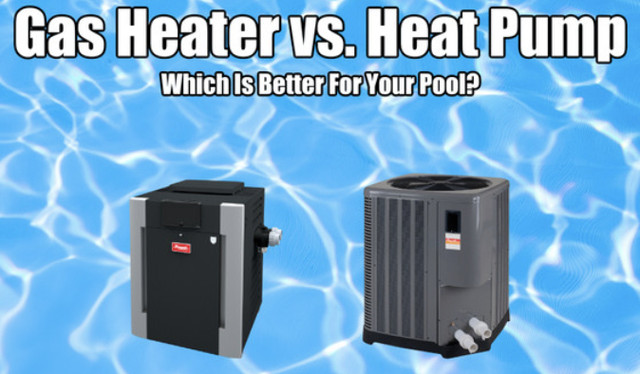
Choosing how to heat your home is a big decision, especially when it comes to comfort and cost. You might be wondering whether a gas heater or a heat pump is the right choice for you.
Maybe you’ve heard about the efficiency of heat pumps but are concerned about the upfront costs. Or, you might be considering the reliability of a gas heater but worry about the long-term expenses. Both options have their pros and cons, and making the wrong choice could mean higher bills or less comfort during those chilly months.
You deserve to know which system will keep you warm without breaking the bank. By the end of this article, you’ll have the insight you need to make a smart decision for your home. So, let’s dive into the details and discover which heating option is best for you!
Credit: masslandlords.net
Energy Efficiency
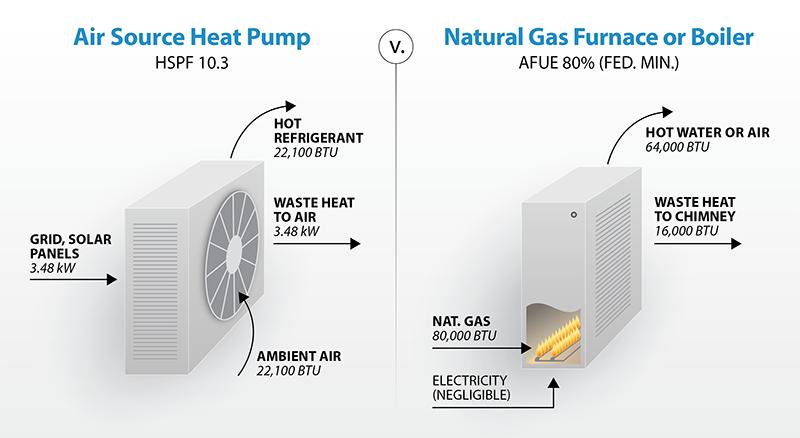
Choosing between gas heaters and heat pumps affects energy efficiency. Gas heaters offer quick warmth but can be less efficient. Heat pumps, while slower, often save more energy over time. Each option has pros and cons, depending on specific needs and climate conditions.
Gas Heaters Efficiency
Gas heaters use natural gas for heat. They warm air quickly. This is great for cold days. They can be less efficient than electric options. Some heat is lost through vents. But, they work well in very cold places. Some models are more efficient. Look for high-efficiency ratings.
Heat Pumps Efficiency
Heat pumps move heat instead of making it. They use less energy. Good for mild climates. They can cool in summer too. This makes them versatile. Some types use electricity. They save money over time. Choose models with high SEER ratings for better efficiency.
Cost Considerations
Gas heaters usually have lower installation costs. Heat pumps can be more expensive to set up. The complexity of installing a heat pump adds to its cost. You might need a professional to install a heat pump. Gas heater installation is often simpler. This can make gas heaters a cheaper choice at the start.
Operating costs of gas heaters can rise with fuel prices. Heat pumps use electricity, which can be more stable. Maintenance for gas heaters may include regular check-ups. Heat pumps also need care but less often. Over time, heat pumps might save more money. Consider this for long-term savings.
Environmental Impact
Gas heaters often produce higher emissions, contributing to environmental pollution. Heat pumps use less energy, reducing carbon footprint. Choosing between them impacts air quality and sustainability.
Carbon Emissions
Gas heaters release more carbon emissionsthan heat pumps. They burn gas to produce heat. This leads to higher pollution. Heat pumps use electricity. This reduces direct emissions. Lower emissions help the planet. Choosing the right heater is important. It helps keep the air clean.
Renewable Energy Integration
Heat pumps can use renewable energy. Solar or wind power can run them. This makes them greener. Gas heaters rely on fossil fuels. They cannot use renewable sources. Heat pumps are better for the earth. They help save energy. Choosing renewable energy is smart. It protects our world.
Performance In Different Climates
Gas heaters offer reliable warmth in colder climates, efficiently heating spaces. Heat pumps, versatile by design, perform best in moderate climates, providing heating and cooling solutions. Choosing between them depends on climate needs and efficiency preferences.
Cold Climate Performance
Gas heaters work well in cold areas. They provide consistent heat quickly. Heat pumps might struggle in very cold climates. Their efficiency drops as temperatures fall. Gas heaters are reliable when it’s freezing outside. They maintain warmth indoors effectively. Heat pumps can require extra energy to heat in cold weather. This can lead to higher electricity bills. Gas heaters can be cost-effective in extreme cold. They keep homes warm without extra energy costs.
Mild Climate Performance
In mild climates, heat pumps perform efficiently. They use less energy compared to gas heaters. Electricity bills remain low with heat pumps. Gas heaters can be less efficient in mild weather. They might use more fuel than necessary. Heat pumps adjust well to mild temperature changes. They provide comfortable warmth without excessive energy use. Gas heaters can overheat spaces when not needed. Heat pumps are better for mild weather conditions.
Space And Installation Requirements
Gas heaters are often small. They fit in tight spaces easily. Heat pumps need more room. They are bigger and bulky. Outdoor units take up yard space. Gas heaters can stay indoors. Heat pumps need outside air. This means they need outdoor space.
Installing gas heaters is simple. They need fewer parts. A professional can do it quickly. Heat pumps are complex. They have many pieces. Installation takes more time. Experts need to connect them properly. The process is detailed. Gas heaters require less effort to install.
Longevity And Durability
Gas heaters can last a long time. Most work well for 10 to 15 years. Regular care keeps them going longer. It’s important to clean and check them often. Parts like filters and valves need attention. Good care helps them work safely. When something breaks, it might be fixed. But sometimes, new parts are needed. Always listen for strange sounds. They might mean a part is wearing out.
Heat pumps often last 15 years or more. They can work in both summer and winter. Regular checks are important for them too. Cleaning the filters helps a lot. It keeps them working well. They might need some new parts over time. Listen for any odd noises. These noises can mean something is wrong. Fixing small problems early is smart. This way, they can last longer.
User Convenience
Gas heaters are very simple to use. Just turn the knob and it’s on. Heat pumps might need some settings adjustments. They have more buttons. This can confuse some people. But once set, they run smoothly. Both heaters and pumps need electricity. Gas heaters need a gas line too.
Gas heaters need regular checks. They can get dirty and need cleaning. Heat pumps need checks less often. But when they do, it can be tricky. Some parts are inside walls. This makes fixing them hard. Cleaning is easier though. Just wipe outside parts.
Credit: stahlplumbingpittsburgh.com
Safety Considerations
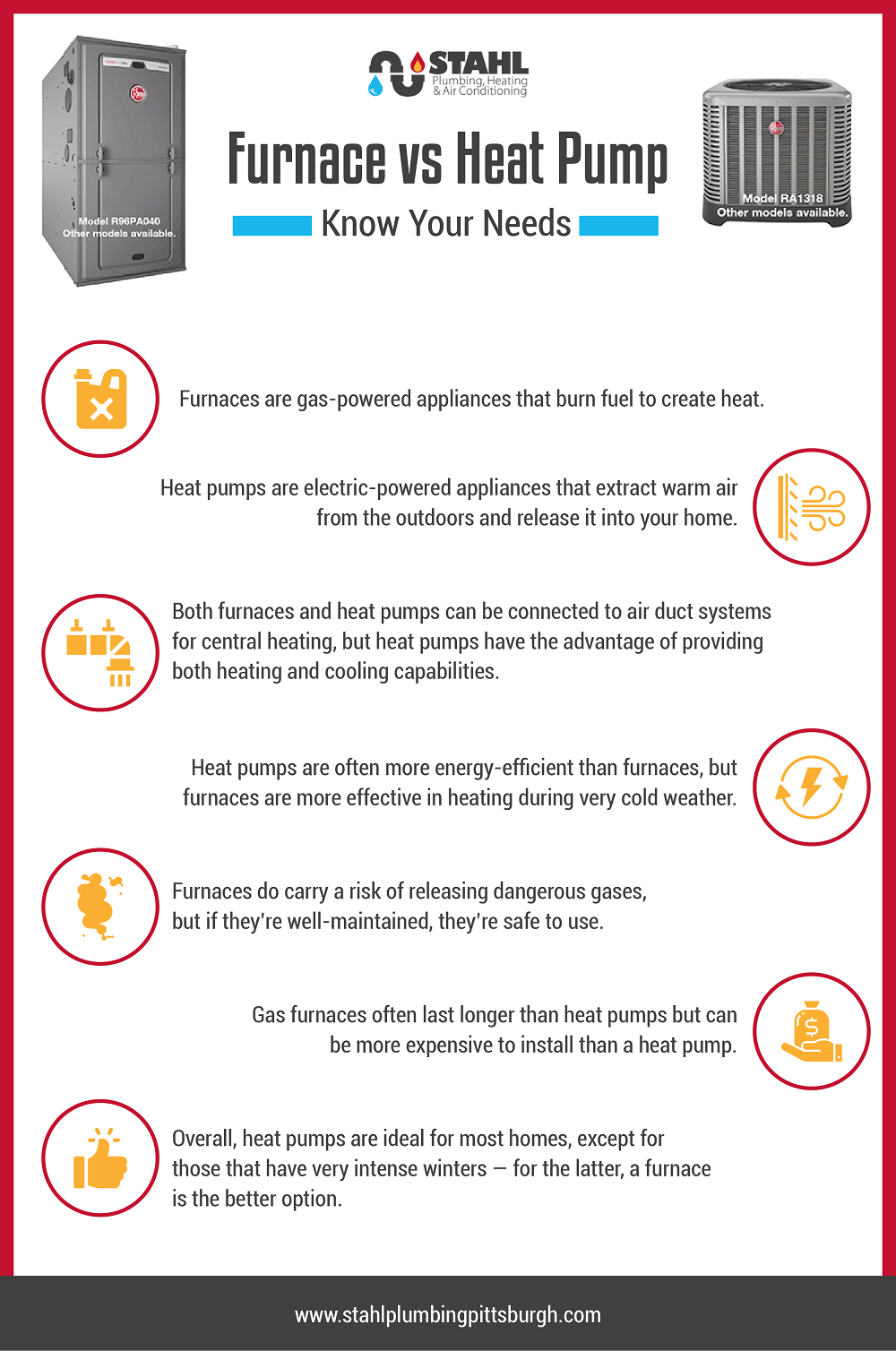
Gas heaters need proper ventilation to prevent carbon monoxide buildup. Heat pumps are generally safer but can have electrical risks. Regular maintenance ensures both systems operate safely.
Potential Hazards
Gas heaters can cause carbon monoxide poisoning. This gas is invisibleand dangerous. Heat pumps do not produce this gas. Gas heaters may also start fires. They use open flameswhich can be risky. Heat pumps do not have open flames. They use electricity instead.
Safety Features
Modern gas heaters have safety shut-off valves. These valves stop gas leaks. Heat pumps have automatic shut-offfor overheating. Both devices have thermostatsto control temperature. Gas heaters often have oxygen depletion sensors. These sensors detect low oxygen levels. Heat pumps have fewer moving parts. This reduces the chance of accidents. Both devices should be used safely.
Future Trends
Gas heaters offer quick warmth, while heat pumps provide efficient energy use. Both have unique benefits for future heating needs. Consumers will weigh cost, efficiency, and environmental impact when choosing between these options.
Technological Advancements
Gas heaters use fuel to make heat. Heat pumps use electricity and air. New gas heaters are more energy efficient. They save money. New heat pumps use less power. They work better in cold weather. Smart controls can adjust heat automatically. They help homes stay comfortable. Sensors can tell when a room needs heat. Better materials reduce waste and improve performance.
Market Trends
Gas heaters are popular in cold places. Heat pumps are growing in warmer regions. More people want eco-friendly options. They care about the environment. Prices for heat pumps are falling. More homes can afford them now. Government gives rebates for green choices. Consumers look for energy savings. They compare costs over time. Reports show higher demand for smart systems. Easy use and control are important.

Credit: arairflow.com
Frequently Asked Questions
How Do Gas Heaters Work?
Gas heaters burn natural gas to generate heat. They use combustion to produce warmth, which is then distributed. These heaters are efficient for quick heating. They are ideal for colder climates. Regular maintenance ensures safety and efficiency.
Are Heat Pumps Energy-efficient?
Yes, heat pumps are highly energy-efficient. They transfer heat instead of generating it. This method uses less electricity compared to traditional heaters. They are versatile, providing both heating and cooling. Heat pumps are ideal for moderate climates.
Which Is Cheaper To Operate: Gas Heater Or Heat Pump?
Heat pumps are generally cheaper to operate. They consume less energy by transferring heat rather than creating it. Gas heaters, however, can be more cost-effective in very cold climates. Operating costs depend on energy prices and climate.
Can Gas Heaters Be Used Indoors?
Yes, gas heaters can be used indoors with caution. Proper ventilation is crucial to prevent carbon monoxide buildup. Indoor gas heaters should be installed by professionals. Regular maintenance ensures safe operation. Always follow manufacturer guidelines for safe use.
Conclusion
Choosing between gas heaters and heat pumps depends on your needs. Gas heaters warm spaces quickly. Ideal for colder climates. Heat pumps are energy-efficient. Great for mild weather. Consider installation costs and energy bills. Gas heaters might be cheaper upfront.
Heat pumps save more long-term. Think about environmental impact too. Gas heaters use fossil fuels. Heat pumps have a smaller carbon footprint. Evaluate your priorities. Comfort, cost, and sustainability matter. Make an informed decision for your home.