Heater Safety Guide
Use a portable heater indoors only on a hard, level floor with about 3 feet of open space on every side, plugged directly into a wall outlet and not into an extension cord; stop using it at once if there is any burning smell, outlet heat, sparking, a cracked plug, a failed tip-over shutoff, or a tripping breaker. Get this wrong and a routine heater can turn into a fire, shock, or burn hazard within minutes. This guide covers failure signs, unsafe room setups, and exact stop-using thresholds for bedrooms, bathrooms, nurseries, hallways, and home offices.
Portable space heaters are supplemental indoor heat sources, and the common 1500-watt class can strain weak outlets, worn cords, and crowded rooms fast. The main hazard paths are straightforward: nearby fabric or paper ignites, an electrical connection overheats, airflow gets blocked, the unit tips over, the housing gets hot enough to burn skin, or moisture reaches a heater that was never meant for wet areas.
That matters because portable space heaters caused an average of 1,600 house fires a year from 2019 to 2021, and those fires resulted in an average of 70 deaths annually. Nearly half of home heating fires happen in December, January, and February. Family Handyman says space heaters cause nearly eight out of 10 deaths from home heating fires and seven of ten injuries from home heating fires. (Consumerreports)
Why portable heaters become unsafe
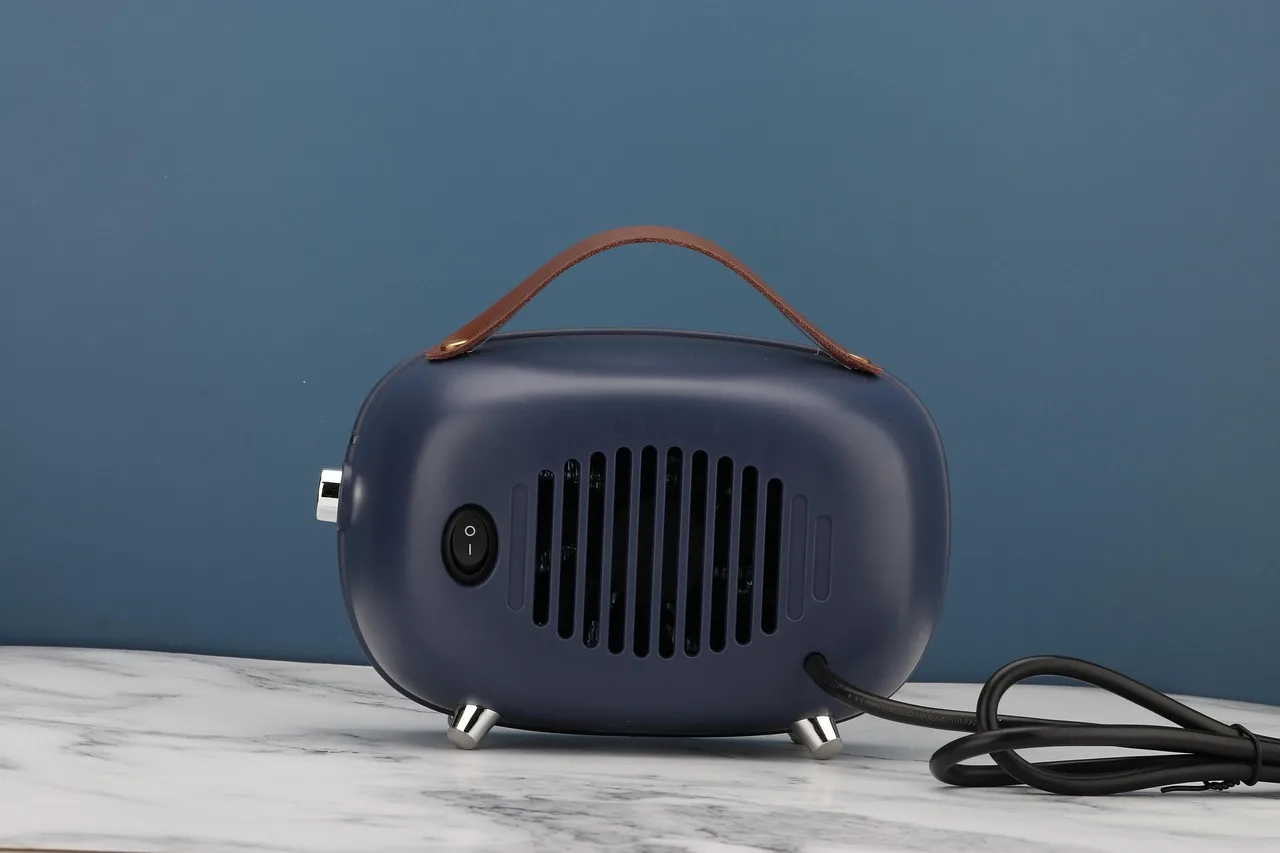
Failure starts with one of five paths
A portable heater usually becomes dangerous through one failure mode: ignition of combustibles, overheated electrical parts, blocked airflow, tip-over, or moisture exposure. Each path leaves setup clues you can see. If those clues are present, the heater is no longer in a normal-use condition.
Combustible ignition is the best-known risk, but it is not the only one. A hot plug, loose outlet, or scorched cord means heat is building where it should not. Repeated auto-shutoff can point to a blocked intake, fabric contact, or an internal fault, not a harmless safety feature doing its job.
Why 1500-watt heaters strain circuits
Many portable electric heaters in this category draw the full output available from a standard household receptacle on high. That makes weak points show up fast: thin extension cords, worn plug blades, loose receptacles, shared outlets, and old power strips can all heat up under load.
Long cords make the problem worse. Coiled cords do too, because they hold heat instead of shedding it. If another device shares the same outlet, the total load rises while contact quality often stays poor.
Blocked airflow can become a fire path
Overheat protection is there to shut the heater down at unsafe temperatures, especially when airflow is blocked or fabric touches the housing. Honeywell says its portable heaters include tip-over safety protection and overheat protection. Those features reduce risk, but they do not make bad placement safe.
Consumer Reports tests space heaters for tip-over, overheat, and drape safety. A heater gets a perfect tip-over score if it turns off in under 10 seconds after being tilted face-down. For overheat testing, models that shut off in under 2 minutes without scorching fabric earn a perfect score. In the drape test, a heater outlet is covered with cloth to see whether it scorches or shuts down safely.
What setup turns a heater into a fire risk?
A heater becomes a fire risk when it can heat fabric, paper, dust, or a bad electrical connection faster than that material can shed heat. The most common setup failures are too little clearance, soft or unstable placement, blocked intake or outlet grilles, and use in narrow traffic paths where it gets bumped or covered.
Clearance failures that matter
Keep about 3 feet of open space between the heater and curtains, bedding, upholstered furniture, paper, clothing, towels, pet beds, storage bins, and floor clutter on every side, not only in front. Consumer Reports also advises a 3-foot kid- and pet-free zone around the heater.
The back and sides matter too, not only the front. Intake grilles are often on the rear or sides, so pushing a heater close to a wall can trap heat and cut airflow even if nothing is directly in front of it.
Say your heater sits beside a sofa with a throw blanket hanging down into the side intake. The front still looks clear. That setup can still trigger overheating or scorch the fabric because the side or rear airflow path is the one getting blocked.
Bad surfaces and unstable placement
Set the heater on tile, hardwood, concrete, or another firm, flat, nonflammable floor so it stays upright and can shed heat at the base. Carpet, thick rugs, bedding, ottomans, and small tables can let the heater lean, sink, or run hotter underneath. Unstable furniture is worse, because a tug on the cord or a pet brushing past can knock the unit over.
Do not put a portable heater on a bed, chair, dresser, laundry basket, crate, or folding stand. Even if the heater has a tip-over switch, that switch is backup protection, not a reason to place the unit where a fall is likely.
Traffic-path risks in small rooms
Hallways, cramped offices, and door swings create bump hazards. A heater placed where someone steps over it, rolls a chair into it, or drapes a coat nearby can go from normal to unsafe in seconds. Keep the 3-foot zone clear of both combustibles and foot traffic.
Picture a small home office where the heater sits under a desk to warm your legs. A messenger bag slides against the intake, then the chair cord wraps around a front leg. The room feels fine until the heater starts cycling off, and that repeated shutoff is the warning sign to fix the setup, not ignore it.
Heater risk decision table
| Symptom/setup | Immediate risk | Exact action |
|---|---|---|
| Plug feels hot | Overheated outlet contact or high-resistance connection | Turn heater off, unplug after it cools enough to handle, and stop using that outlet for the heater. Try no other heater there until the receptacle is checked. |
| Cord or plug is scorched, cracked, or melted | Electrical fire or shock | Stop using the heater at once. Retire or professionally repair it; do not tape, splice, or keep using the cord. |
| Brief dusty odor on first use after storage | Dust burn-off that can be normal if it clears quickly | Turn it off and inspect for lint buildup. Clean only as the manual allows, then retry in a clear area. If the smell persists, stop using it. |
| Burning, melting-plastic, or electrical smell | Insulation, plastic, or wiring overheating | Shut it off immediately and unplug it. Do not reuse until the cause is found; replacement is often the safer choice. |
| Repeated shutoff during normal use | Blocked airflow, dirty intake, fabric contact, or internal fault | Turn it off, let it cool, clear the 3-foot zone, inspect grilles for dust, and try once more on a hard floor. If it repeats, stop using it. |
| Heater within 3 feet of bedding | Ignition of blankets, sheets, or dust-laden fabric | Move the heater immediately or stop using it in that spot. Do not run a heater beside or facing a bed. |
| Heater on carpet or rug | Tip-over, blocked intake, heat buildup at the base | Move it to a hard, level, nonflammable floor. If that is not possible, do not use the heater there. |
| Heater on extension cord, power strip, or adapter | Cord overheating, voltage drop, outlet overload | Unplug it and move it to a direct wall outlet only. Consumer Reports warns not to plug another device or an extension cord into the same outlet as a heater. |
| Heater left on in a bedroom overnight | Unnoticed fire or burn hazard while sleeping | Do not do it. Turn it off before sleep and use bedding, central heat, or another heating plan instead. |
| Pets sleep or play inside the clearance zone | Tip-over, fabric contact, tail or toy blocking airflow | Relocate the heater or block off the area so the full 3-foot zone stays pet-free. |
| General portable heater used near sink, tub, or wet floor | Shock and moisture damage | Do not use it there. Use only a bathroom-rated unit in a dry location with a GFCI-protected receptacle. |
| Use after tip-over | Damaged switch, bent housing, hidden internal fault | Turn it off and inspect after it cools. If the tip-over switch does not shut the unit off reliably, retire it. |
| Intake or outlet grille blocked by towel, bag, curtain, or furniture | Rapid overheating and possible ignition | Shut it off, remove the blockage, and do not restart until the unit is cool and fully clear on all sides. |
| Breaker trips or outlet buzzes during heater use | Circuit overload or failing electrical connection | Stop using the heater on that circuit. If the breaker trips again after moving the heater to a known-good outlet, stop using the heater too. |
| Loose plug fit in receptacle | Arcing and heat at the outlet | Do not wiggle it into service. Use a different outlet and have the loose receptacle repaired. |
How far should a heater be from walls and furniture?
Keep a portable heater at least 3 feet from walls, furniture, curtains, bedding, paper, and stored items, with that full zone also kept clear of kids and pets. More space is better at the sides and rear if the intake is there. The safe answer is room placement, not just one number.
What belongs inside the 3-foot zone
Nothing combustible should enter that area. That includes blankets, pillows, pet beds, laundry, shopping bags, boxes, backpacks, papers, and hanging clothing. In living rooms, watch drapes and throws. In bedrooms, bedding is the main problem. In offices, bags and cords are common offenders.
Wall distance and airflow space
A heater does not need to touch a wall to overheat. Rear clearance matters because many models pull air from the back or sides. If the manual asks for more spacing than the usual 3 feet from combustibles, follow the manual. The heater’s own airflow path controls that call.
Safe placement patterns by room
In a living room, place the heater in open floor space, not between a sofa and curtain. In a home office, keep it out from under the desk unless the desk area stays fully open on all sides. In a bedroom, the safest position still does not make overnight use a good idea.
Are extension cords safe with heaters?
No. A heater should plug directly into a wall outlet by itself, because heater loads can overheat extension cords, power strips, adapters, and shared receptacles. The risk rises with long cords, coiled cords, worn insulation, cheap splitters, loose outlets, and any other device drawing power from the same outlet.
Why direct-to-wall matters
Every extra connection adds resistance and another place for heat to build. A 1500-watt-class heater can expose bad contact quality quickly. Consumer Reports says never put another device or an extension cord into the same outlet as a heater.
What to inspect before each heating season
- Check the plug. Look for discoloration, cracks, bent blades, or melted plastic. Any of those signs mean stop using the heater until the plug or unit is replaced.
- Check the cord. Run your eyes along the full length for cuts, flattening, brittle spots, or areas darkened by heat. Do not tape over damage or route the cord under a rug.
- Check the outlet. Plug the heater in only if the fit is snug and stable. A loose fit, buzzing sound, or warmth at the faceplate means stop using that receptacle for heater duty.
- Check the circuit. If the breaker trips when the heater is the main load, move the heater to a different dedicated outlet once. If the same heater trips another known-good outlet, retire or repair the heater.
When the outlet is the problem
If the heater runs normally elsewhere, the original outlet or circuit needs attention. If the heater causes trouble in multiple locations, the heater itself is suspect. Either way, a hot plug or buzzing outlet is a stop-use condition, not something to watch for another day.
Can you use a heater in bedrooms, bathrooms, and other rooms?
Yes in some rooms, no in others, and only with limits. Bedrooms call for the most conservative rules, bathrooms require a bathroom-rated unit and a dry setup, nurseries are a no-go, and garages, RV-style spaces, and temporary setups often add fuel, moisture, clutter, or unstable power that make portable heaters a poor choice.
Bedrooms and nurseries
Do not leave a space heater on overnight. Turn it off before sleep. The same source says never put a space heater in a child’s room. For adults, an oil-filled heater is often the bedroom-friendlier type because it has no exposed heating elements, but the same clearance and shutdown rules still apply.
Oil-filled models are also quieter than fan-forced ceramic units in many cases, which makes them attractive for sleeping spaces. That does not make unattended overnight use safe. The decision is still to heat the room before bedtime if needed, then turn the heater off before sleeping.
Bathrooms
Do not use a general portable heater near a sink, tub, shower, or wet floor. Water changes the risk from fire and burn to shock as well. If a heater is intended for bathroom use, keep it in a dry location and use a GFCI-protected receptacle.
Home offices, hallways, garages, and RV-style spaces
Home offices can work if there is open floor space and no under-desk clutter. Hallways are poor choices because traffic and fabrics pass too close. Garages and many RV-style or temporary spaces add dust, unstable floors, clutter, and uncertain power quality, so a portable indoor heater may be the wrong tool there.
Suppose a nursery gets cold and the heater seems like the easy fix for one night. That is exactly the room where blankets, toys, soft flooring, and sleeping supervision all collide. The safer answer is to adjust whole-room heating, sleep clothing, or insulation, not add a portable heater.
What smells, sounds, and shutdowns mean stop using it?
Stop using a heater for burning or melting odors, buzzing, sparking, rattling after a fall, repeated auto-shutoff, weak airflow, outlet heat, scorch marks, or any failed tip-over response. A short dusty smell after storage can be harmless if it clears quickly, but persistent odor means heat is reaching material or parts that should stay cooler.
Dust smell versus real trouble
Dust burn-off can happen on first use after storage. It should fade after a short run in a clean, open setup. If the smell gets stronger, turns acrid, or resembles hot plastic or electrical insulation, shut the heater off and unplug it.
Repeated cycling and weak airflow
Overheat protection shuts the heater down when internal temperatures rise too far. That is useful protection, but repeated shutdown is a warning sign. Look for blocked intake, dust-packed grilles, curtain contact, under-desk clutter, or a failing internal sensor. If one careful reset does not solve it, stop using the heater.
After a tip-over or breaker trip
If the heater falls, let it cool, inspect the housing, and confirm the tip-over switch still works. If the unit keeps running when tilted or knocked, retire it. After a breaker trip, do not keep resetting and trying again without changing the outlet or removing other loads first.
Which heater type is safer for your use case?
The safer heater type depends on room and behavior, but oil-filled models are often the better fit for quieter rooms and bedroom-adjacent use because they have no exposed heating elements. Ceramic heaters are common for fast small-room heating. Exposed-element or hotter-surface radiant styles need the strictest placement and clearance discipline.
Oil-filled heaters
These are often chosen for bedrooms or offices because they heat more gently and operate quietly. A bedroom-friendly oil-filled heater is described as safer because it has no exposed heating elements. That reduces one burn and ignition path, but it does not remove the 3-foot zone, hard-floor rule, or overnight shutdown rule.
Ceramic heaters
Ceramic heaters are common because they warm small rooms quickly. That convenience makes them popular in bathrooms and offices, where risky placement is also more common. If used, keep the intake clear, keep fabrics away, and treat repeated shutoff as a placement or fault warning.
Exposed-element and hotter-surface styles
Any heater with a very hot front face or visible glowing element needs more conservative placement. These models can be effective for spot warmth, but they are less forgiving around blankets, pet hair, paper, or accidental contact. They are poor choices for narrow rooms, kids’ areas, and cluttered workspaces.
What safety features should you look for?
Look first for a tip-over switch that cuts power when the heater is knocked off its base, an overheat shutoff that stops the unit before fabric scorches or the case overheats, a stable base, a sound plug and cord, a certification mark, and controls that reduce misuse. Extra heat modes matter less than shutdown behavior. Safety buying decisions should favor heaters that fail off, stay upright, and do not invite extension-cord workarounds.
Tip-over shutoff
A tip-over switch automatically shuts the heater off when it is knocked over, making it a key fire-safety feature. This should affect buying decisions. The same source gives a perfect tip-over score when a heater turns off in under 10 seconds after being tilted face-down.
Overheat protection
Overheat protection cuts power when temperatures climb too high. It matters most when airflow gets blocked or fabric reaches the housing. In buying terms, that feature belongs near the top of the list because it addresses common real-world failures, not rare misuse.
Stable base, cord quality, and controls
A wide, stable base lowers knock-over risk. A thick, undamaged cord and snug plug fit lower electrical heat at the connection. Simple controls help too, because confusing timers or remote use can lead people to leave the heater running when they should have shut it off.
How to decide whether to keep, repair, or replace a heater
Retire it now conditions
Replace or professionally repair the heater if the cord is damaged, the plug is cracked or scorched, the outlet heats up during use, the housing is cracked, the tip-over switch fails, the unit sparks, or it smells like melting plastic or wiring. Those are stop-use signs.
Troubleshoot once, not repeatedly
- Shut it down. Turn the heater off and unplug it from the wall outlet. Let it cool fully before touching grilles, moving it, or checking the plug and outlet.
- Clear the setup. Restore the full 3-foot zone around the heater and move it to a hard, level, nonflammable floor. Remove bags, curtains, bedding, pet beds, and desk clutter from the intake and outlet areas.
- Inspect for buildup. Check the grilles for dust and lint, and clean only as the manual permits. If airflow was blocked or dust was heavy, that alone may explain one overheat shutdown.
- Retry once. Plug the heater directly into a snug wall outlet with no other device sharing it. Run it briefly while staying in the room; if the same symptom returns, stop using it.
When the room setup is the real fix
Sometimes the heater is fine and the setup is not. Under-desk placement, hallway use, soft flooring, draped fabric, and pet access create recurring trouble even with a good heater. In those cases, the safe choice is to change the room plan or stop using a portable heater there.
Smoke alarms are the backup layer
Smoke alarms do not prevent a heater fire, but they matter when prevention fails. Install smoke alarms on every level and in every bedroom, and test them monthly. That backup protection belongs in the same plan as heater placement, cord inspection, and shutdown rules.
Frequently asked questions
Can I leave a space heater on overnight?
No. A portable space heater should be turned off before sleeping, even in a bedroom where it seems stable and clear. Overnight use removes supervision at the exact time a blocked grille, shifting blanket, pet contact, or electrical fault can grow unnoticed into a fire or burn event.
Can a heater cause carbon monoxide poisoning?
An electric portable space heater does not create carbon monoxide. Fuel-burning indoor heaters can, which is why they should not be confused with electric plug-in units. This guide applies to electric portable heaters used indoors as supplemental heat, not combustion heaters using gas, kerosene, or other fuel.
How do I keep a heater from overheating?
Keep it on a hard, level, nonflammable floor, maintain 3 feet of clearance, keep intake and outlet grilles clear, and plug it directly into a wall outlet. If it shuts down repeatedly, do not treat that as normal. Cool it, clean it as allowed, retry once, then stop using it if the problem returns.
Are heaters safe to use around kids and pets?
Only with a real exclusion zone. Keep kids, pets, toys, blankets, and pet beds out of the full 3-foot area around the heater. Consumer Reports advises a 3-foot kid- and pet-free zone, and it says never put a space heater in a child’s room.
What safety features should I look for in a space heater?
Prioritize tip-over shutoff, overheat protection, a stable base, a sound plug and cord, a certification mark, and simple controls. Consumer Reports tests tip-over, overheat, and drape safety, which mirrors the real failure modes that matter most in homes: knock-over, blocked airflow, and fabric contact.
Why does my heater smell bad and when should I worry?
A light dusty odor on first use after storage can clear quickly and may be normal. Worry when the smell persists or resembles burning cloth, hot plastic, or electrical insulation. At that point, turn the heater off, unplug it, and do not keep using it to “see if it burns off.”