How Do Portable Heaters Work at a Medium Temperature: Efficient Warmth Explained
Are you curious about how portable heaters keep your space warm without making it too hot? Understanding how portable heaters work at a medium temperature can help you use them more safely and efficiently.
If running cost or sizing is part of the decision, Battery Heaters for Portable, Efficient, and Convenient Warmth explains the numbers from a related angle.
For a related heater topic, Where To Find The Cheapest Portable Room Heaters gives readers a useful next step.
Whether you want to save energy or avoid overheating your room, knowing what’s happening inside your heater makes a big difference. Keep reading to discover the simple science behind these handy devices and learn how to get the perfect cozy warmth every time.
Types Of Portable Heaters
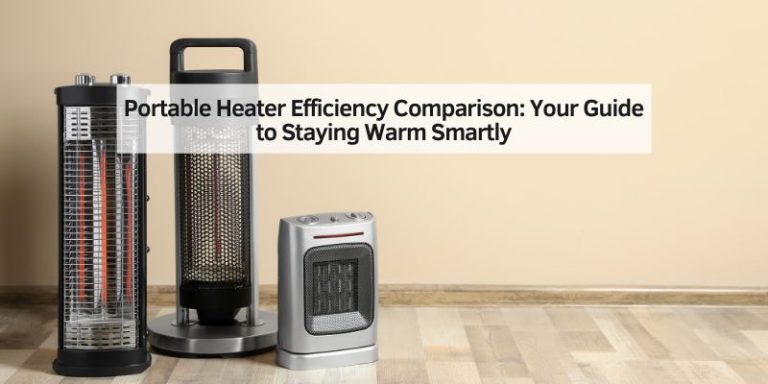
Portable heaters come in different types. Each type works in its own way to warm up a room. Understanding these types helps you pick the right heater for your needs. Some heaters warm the air, while others heat objects or use fans to spread warmth quickly.
Here are the main types of portable heaters and how they work at medium temperatures.
Convection Heaters
Convection heaters warm the air around them. They use a heating element that heats the air. Warm air rises and moves around the room. This creates a steady, gentle heat. These heaters work well for heating small to medium rooms.
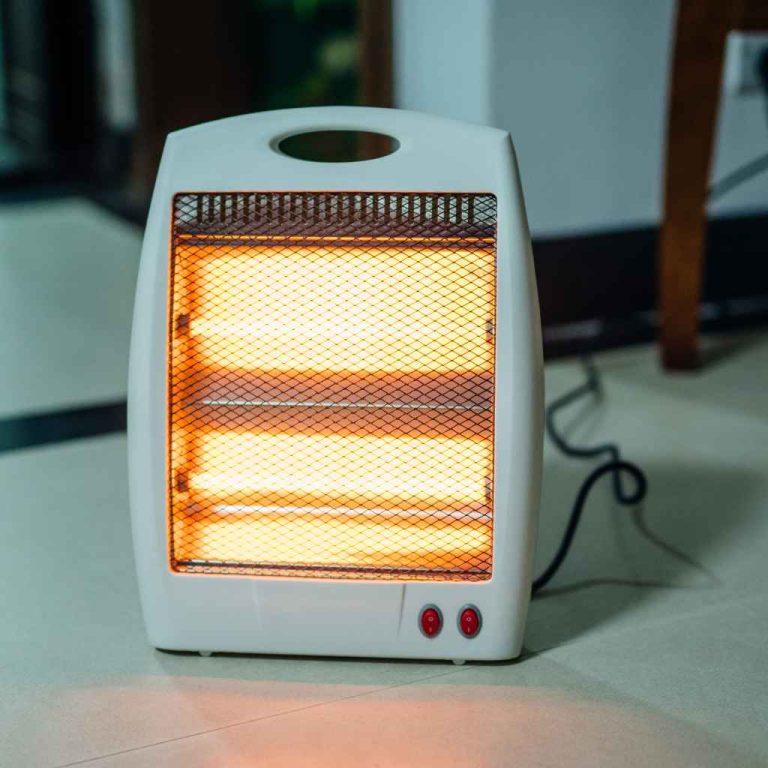
Radiant Heaters
Radiant heaters send heat directly to objects and people. They use infrared light to warm surfaces. This type does not heat the air much. Radiant heaters feel warm quickly. They are good for heating specific spots or small areas.
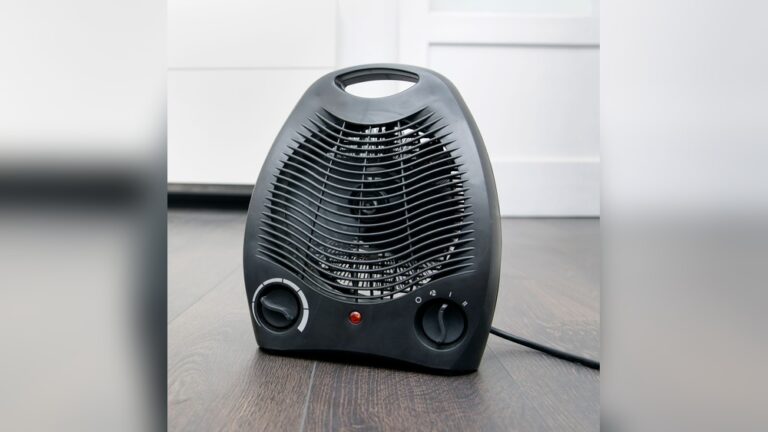
Fan-forced Heaters
Fan-forced heaters use a fan to blow warm air. The fan moves air over a heated coil. This spreads heat faster than convection heaters. These heaters warm rooms quickly. They can be a bit noisy due to the fan.
Oil-filled Heaters
Oil-filled heaters use oil inside the unit to store heat. The oil is heated by an electric element. The heater releases heat slowly and evenly. These heaters stay warm even after turning off. They are quiet and good for long-term heating.

Heat Generation Methods
Portable heaters use different ways to create heat. Each method works in a special way to warm up a room. Understanding these methods helps you pick the right heater for your needs.
Electric Resistance Heating
This method uses electric wires that get hot when electricity passes through them. The heat from the wires warms the air around the heater. Fans often blow this warm air into the room. It heats the space quickly and is very common in small portable heaters.
Infrared Radiation
Infrared heaters send out invisible waves that warm objects and people directly. These waves do not heat the air first. This method feels like sunlight on your skin. Infrared heaters work well in places where you need fast, focused heat.
Oil Circulation
Oil-filled heaters heat special oil inside the device. The oil keeps the heat for a long time. It moves inside the heater to spread warmth evenly. These heaters warm the air slowly but keep rooms warm for a long time without noise.
Temperature Control Mechanisms
Portable heaters rely on temperature control mechanisms to keep rooms warm and safe. These features help maintain a steady heat level. They also prevent overheating and save energy. Understanding these controls shows how portable heaters work efficiently at medium temperatures.
Thermostats
Thermostats monitor the room temperature constantly. They turn the heater on or off to keep the set temperature steady. This stops the room from getting too hot or too cold. Users can set the desired temperature easily. The heater adjusts automatically to maintain comfort.
Variable Heat Settings
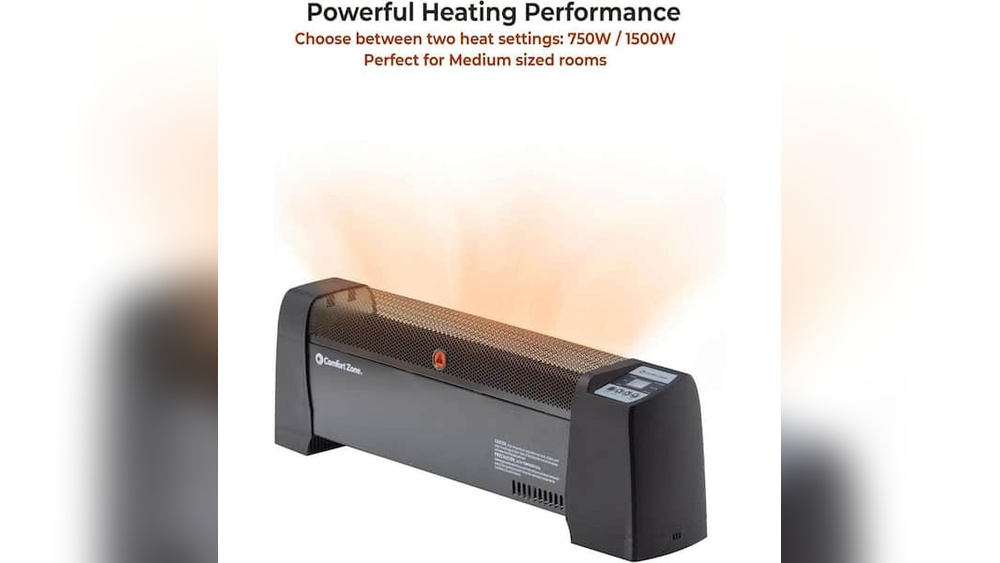
Variable heat settings allow users to choose different power levels. This controls how much heat the heater produces. Lower settings use less energy and provide gentle warmth. Higher settings deliver more heat quickly. This flexibility helps match the heat output to the room size and need.
Safety Sensors
Safety sensors detect unsafe conditions like overheating or tipping over. They shut off the heater to prevent accidents. These sensors protect both the device and the user. This feature is essential for safe operation, especially in homes with children or pets.
Energy Efficiency Factors
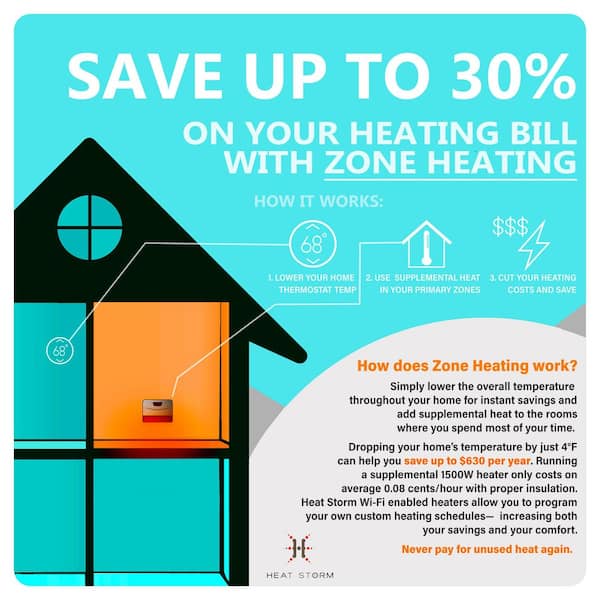
Understanding energy efficiency factors helps you get the best from portable heaters. These factors affect how much heat you get for the energy used. Small changes can save power and keep rooms warm at medium temperatures.
Insulation Impact
Good insulation keeps heat inside the room. It stops warm air from escaping through walls and windows. Portable heaters work better in well-insulated spaces. Poor insulation means the heater must run longer and use more energy. Adding curtains or sealing gaps can improve insulation and reduce power use.
Power Consumption
Power consumption shows how much electricity the heater uses. Heaters with lower wattage consume less power but may heat slower. Medium temperature settings balance warmth and energy use well. Choosing the right power level avoids wasting electricity. Check the heater’s label to see its wattage and efficiency rating.
Heat Distribution
Heat distribution means how evenly warmth spreads in the room. Fans or oscillation features help spread heat quickly. Portable heaters that focus heat in one spot waste energy. Even heat makes the space comfortable with less power. Place heaters where air flows freely for better heat spread.
Benefits Of Medium Temperature Settings
Setting a portable heater to a medium temperature offers many benefits. It keeps the room warm without using too much energy. Medium settings help maintain a steady, comfortable heat. This balance improves the overall heating experience.
Comfort And Consistency
Medium temperature settings provide steady warmth. The heat spreads evenly across the room. No hot or cold spots. This keeps everyone comfortable for longer periods. It also prevents overheating and dryness.
Reduced Energy Use
Medium heat uses less electricity than high settings. This saves money on energy bills. The heater runs efficiently without working too hard. It lowers the risk of power surges and shutdowns. A smart choice for daily use.
Safety Advantages
Heaters on medium settings are safer to use. They avoid extreme heat that can cause burns. The risk of fire lowers significantly. They also reduce stress on the heater’s parts. This leads to fewer breakdowns and safer operation.
Common Usage Scenarios
Portable heaters at medium temperature serve many purposes. They offer quick warmth and easy control. Their size and design make them suitable for different places. Understanding where these heaters work best helps users get the most out of them.
Home Heating
Portable heaters warm rooms without central heating. They help during cold nights or chilly mornings. People use them in bedrooms, living rooms, or kitchens. These heaters save energy by heating only the needed space. They are easy to move from one room to another.
Office Spaces
Small offices often lack strong heating systems. Portable heaters provide extra warmth at desks or meeting rooms. Employees stay comfortable and focused during cold days. These heaters are compact and quiet, fitting well in workspaces. They also help reduce heating costs by targeting specific areas.
Outdoor Use
Portable heaters work well in outdoor settings too. Patios, balconies, or camping sites benefit from their warmth. They help extend outdoor time in cool weather. These heaters are designed to be safe and weather-resistant. Users can enjoy fresh air without feeling cold.
Maintenance Tips For Optimal Performance
Proper maintenance keeps portable heaters working well and safe. It helps the heater last longer and use less power. Small care steps make a big difference in heater performance. Follow these simple tips to keep your heater in top shape.
Cleaning And Dust Removal
Dust blocks heat and makes the heater work harder. Clean the heater’s surface with a soft cloth often. Use a vacuum to remove dust inside vents carefully. Keep the heater free from dirt for better heat flow.
Regular Inspection
Check the heater regularly for damage or wear. Look at the cord and plug for cracks or frays. Make sure the heater turns on and off smoothly. Fix small problems early to avoid bigger issues.
Safe Storage
Store the heater in a dry, cool place when not in use. Keep it away from moisture and heavy objects. Wrap the cord loosely to prevent damage. Proper storage protects the heater and keeps it ready to use.
Frequently Asked Questions
How Do Portable Heaters Maintain Medium Temperature?
Portable heaters use adjustable thermostats to regulate heat output. They cycle on and off to keep a steady medium temperature. This prevents overheating and saves energy while providing consistent warmth.
What Types Of Portable Heaters Work Best At Medium Heat?
Electric fan heaters and ceramic heaters perform well at medium temperatures. They offer quick, even heat distribution and adjustable settings. These heaters balance efficiency and comfort for medium temperature needs.
Are Portable Heaters Safe To Use At Medium Temperature?
Yes, most portable heaters have safety features like tip-over switches and overheat protection. Using them at medium settings reduces fire risks and energy consumption. Always follow manufacturer guidelines for safe operation.
How Efficient Are Portable Heaters At Medium Temperature?
Portable heaters are energy-efficient when set to medium heat. They use less power than high settings, reducing energy bills. Efficient heat delivery ensures rooms warm quickly and maintain comfortable temperatures.
Conclusion
Portable heaters warm rooms by using electric or fuel heat sources. They spread warmth evenly at medium temperatures for comfort. These heaters adjust power to keep the room cozy without overheating. Using them safely and correctly saves energy and prevents risks.
Understanding how they work helps you choose the right heater. Simple controls make them easy to use every day. Enjoy steady warmth during cold days with these handy devices.