
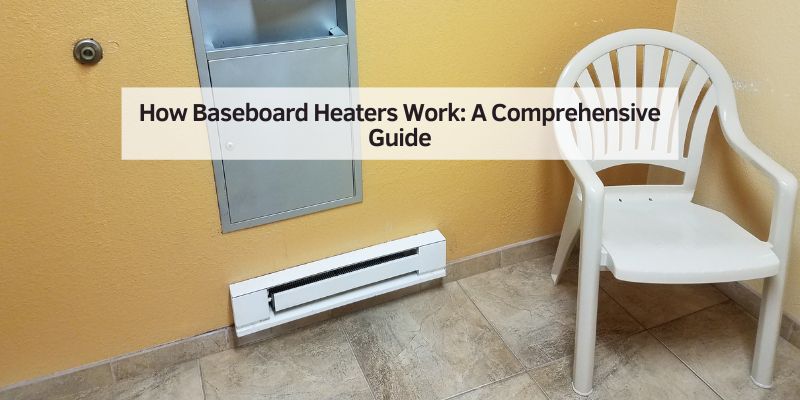
Hey there! If you’re curious about how baseboard heaters work, you’ve landed in the right spot. As someone who’s spent time tinkering with home heating systems and cozying up to the warmth of baseboard heaters during chilly winters, I’m excited to share everything I’ve learned. These unassuming units, tucked neatly along the walls of many homes, are a fantastic way to keep your space comfortable. Whether you’re a homeowner looking to understand your heating system or a renter wondering why your apartment feels so toasty, this guide will break it all down in simple terms. Let’s dive into the world of baseboard heaters and explore how they work, why they’re popular, and how to make the most of them.
What Are Baseboard Heaters?
Picture this: it’s a cold winter morning, and you step out of bed onto a floor that’s pleasantly warm. That’s the magic of baseboard heaters. These long, low-profile units sit along the base of your walls, often under windows, and quietly pump out heat to keep your rooms cozy. I first noticed them in my old apartment, where they blended so seamlessly into the decor that I barely realized they were there until the heat kicked on.
Baseboard heaters are a type of zone heating system, meaning they heat individual rooms rather than the entire house at once. Unlike central heating systems that rely on ducts and vents, baseboard heaters work independently, giving you control over the temperature in each space. They come in two main types: electric and hydronic (hot water). Both types use different methods to generate heat, but their goal is the same—to warm up your home efficiently and effectively.
How Do Electric Baseboard Heaters Work?
Let’s start with electric baseboard heaters, as they’re the most common type I’ve come across in homes across the USA. These heaters are like the toasters of the heating world—simple, reliable, and straightforward. Here’s how they work in a nutshell: an electric current flows through a metal heating element inside the heater. This element gets hot, and the heat radiates into the room, warming the air around it.
The process relies on convection, a natural phenomenon where warm air rises and cooler air sinks. When the heater turns on, it draws in cold air from the floor. The air passes over the hot metal fins inside the heater, warms up, and rises into the room. This creates a gentle cycle of warm air circulating throughout the space. I love how quiet this process is—there’s no noisy fan, just a soft warmth that spreads evenly.
Electric baseboard heaters are usually controlled by a thermostat, either built into the unit or mounted on the wall. In my old place, I had a wall-mounted thermostat that let me adjust the temperature in each room. It was great for keeping the living room toasty while letting the bedroom stay cooler for sleeping. One thing to note, though, is that electric heaters can be a bit pricey to run, especially if electricity costs are high in your area. But their ease of installation and low upfront cost make them a popular choice for many homeowners.
How Do Hydronic Baseboard Heaters Work?
Now, let’s talk about hydronic baseboard heaters, which I’ve found to be a bit more energy-efficient but slightly more complex. These heaters use hot water or another liquid, like oil, to distribute heat. In my friend’s house, I saw a hydronic system in action, and I was impressed by how consistent the warmth felt compared to electric heaters.
Here’s the deal: hydronic baseboard heaters are connected to a boiler that heats water (or sometimes oil). This hot liquid flows through a copper pipe inside the heater, which is surrounded by metal fins. As the hot liquid passes through, it warms the fins, which then transfer heat to the air. Just like electric heaters, hydronic units rely on convection to circulate warm air, but the key difference is that the liquid stays warm for longer, even after the heater turns off. This means the room stays cozy without the heater constantly running.
I remember helping my friend bleed the air out of her hydronic system one winter. Air bubbles can get trapped in the pipes, reducing efficiency, so we used a small valve to release them. It was a simple fix, but it made a big difference in how well the heater worked. Hydronic systems are often used in homes with a central boiler, and while they’re pricier to install, they can save you money on energy bills in the long run.

Comparing Electric and Hydronic Baseboard Heaters
To make things easier, let’s break down the differences between electric and hydronic baseboard heaters. I’ve put together a quick comparison table based on my experience and research to help you see which might be best for your home.
| Feature | Electric Baseboard Heaters | Hydronic Baseboard Heaters |
|---|---|---|
| How It Works | Uses electric current to heat metal fins | Uses hot water or oil from a boiler to heat fins |
| Energy Efficiency | Less efficient; cools quickly when off | More efficient; liquid retains heat longer |
| Installation Cost | $400–$800 per unit (including labor) | $500–$1,600 per unit (more complex plumbing) |
| Operating Cost | Higher, especially in areas with expensive electricity | Lower, especially with a gas or propane boiler |
| Heating Speed | Heats rooms quickly (180–200°F fins) | Slower to heat but maintains warmth longer |
| Maintenance | Minimal; clean fins annually | Regular maintenance (e.g., bleeding air from pipes) |
| Best For | Small spaces, supplemental heat | Whole-home heating, energy-conscious homes |
Both types have their pros and cons, and I’ve seen homeowners choose based on their budget, home size, and energy priorities. If you’re in a small apartment and want quick, affordable heat, electric baseboard heaters are hard to beat. But if you’re looking for long-term savings and have a boiler system, hydronic heaters might be the way to go.
Why Are Baseboard Heaters Placed Under Windows?
One thing that puzzled me when I first encountered baseboard heaters was why they’re almost always placed under windows. It seems counterintuitive—why put a heater near the coldest part of the room? But after digging into it, it makes perfect sense.
Windows are often the biggest source of heat loss in a room, especially in older homes with single-pane glass. Cold air seeps in, creating drafts that can make the room feel chilly. By placing the heater under the window, it warms the cold air as it enters, creating a curtain of warm air that rises and mixes with the cooler air in the room. This setup helps maintain a consistent temperature and prevents those annoying drafts.
In my current home, I have baseboard heaters under the windows, and I’ve noticed how effective they are at keeping the chill at bay. It’s like the heater is fighting the cold right at its source. Just make sure curtains or furniture don’t block the heater, as this can trap the heat and reduce efficiency.
How to Maximize the Efficiency of Baseboard Heaters
Over the years, I’ve picked up some tricks to get the most out of baseboard heaters without breaking the bank. These heaters can be energy hogs if not used wisely, so here are my top tips for keeping your home warm and your bills low.
First, keep the heaters clean. Dust and pet hair can build up on the fins, blocking airflow and making the heater work harder. I vacuum my heaters every fall before the heating season starts, and it makes a noticeable difference. A quick wipe-down with a damp cloth helps, too.
Second, use a programmable or smart thermostat. In my old apartment, I upgraded to a smart thermostat, and it was a game-changer. I could set the heater to lower the temperature when I was at work or sleeping, saving energy without sacrificing comfort. For example, I’d set it to 68°F during the day, 65°F at night, and 60°F when I was away.
Third, ensure good airflow. I learned the hard way that pushing furniture too close to the heater traps the warm air. Keep at least 12 inches of space in front of the heater and make sure curtains don’t hang over it. In one room, I had to trim the curtains to keep them 10 centimeters above the heater, and it improved the heat distribution.
Finally, insulate your home. I added weatherstripping to my windows and doors, and it helped keep the heat inside. A well-insulated home means your baseboard heaters don’t have to work as hard, saving you money.
Safety Tips for Using Baseboard Heaters
Safety is a big deal with baseboard heaters, especially since they can get quite hot. I’ve had a few close calls in the past, so I’ve learned to be cautious. Electric baseboard heaters can reach temperatures of 180–200°F, and even hydronic ones get up to 130–140°F. Here’s how I keep things safe in my home.
First, keep flammable materials away. I make sure curtains, rugs, and furniture are at least six inches from the heater to prevent fire risks. In my kids’ room, I’m extra careful to keep toys and blankets clear of the heaters.
Second, if you have young children or pets, consider adding baseboard heater covers. I installed some in my home, and they not only look sleek but also reduce the risk of burns. The covers are hot to the touch but not as scorching as the bare fins.
Third, check your heaters regularly for damage. I once noticed a dented cover in my living room heater, and I had it replaced to avoid any electrical issues. If you smell something burning or notice odd noises, turn off the heater and call a professional.
Finally, never use an extension cord with a plug-in baseboard heater. I made this mistake once, and the cord got dangerously warm. Hardwired units are safer, but if you’re using a plug-in model, make sure it’s plugged directly into a wall outlet.
Pros and Cons of Baseboard Heaters
Like any heating system, baseboard heaters have their strengths and weaknesses. Here’s what I’ve found after living with them for years.
Pros
- Affordable Installation: Electric baseboard heaters are relatively cheap to install, especially compared to central HVAC systems. I paid about $500 to have one installed in my home office.
- Quiet Operation: Unlike forced-air systems, baseboard heaters are nearly silent, which I love for bedrooms and quiet spaces.
- Zoned Heating: You can control the temperature in each room, which is great for saving energy. I keep my guest room cool when it’s not in use.
- Low Maintenance: Electric heaters need minimal upkeep, and hydronic ones only require occasional maintenance like bleeding the pipes.
Cons
- High Operating Costs: Electric baseboard heaters can be expensive to run, especially in colder climates. My winter bills spiked until I started using a smart thermostat.
- Dry Heat: Electric heaters can dry out the air, causing discomfort like dry skin or sore throats. I use a humidifier to counteract this.
- Safety Risks: The hot surfaces can be a hazard for kids and pets, and I’ve had to be vigilant about keeping things clear.
- Slow Heating (Hydronic): Hydronic heaters take longer to warm up a room, which can be frustrating if you want quick heat.
Are Baseboard Heaters Right for Your Home?
Deciding whether baseboard heaters are right for you depends on your needs and home setup. I’ve found them to be a great fit for smaller homes or apartments, especially in milder climates where you don’t need constant heating. They’re also perfect for supplemental heat in rooms that your central system doesn’t reach well, like a chilly basement or attic.
If you’re in a colder climate or want a whole-home heating solution, hydronic baseboard heaters might be better, especially if you already have a boiler. However, for ultimate efficiency, I’ve heard great things about heat pumps, which can save you more money in the long run. They’re about three times more efficient than baseboard heaters, but the upfront cost is higher.
In my experience, baseboard heaters are a solid choice if you value simplicity, quiet operation, and zoned heating. Just be mindful of the energy costs and safety considerations.

Conclusion
I hope this deep dive into baseboard heaters has shed some light on how these clever devices work and whether they’re a good fit for your home. From their simple convection-based design to their ability to create cozy, room-by-room warmth, baseboard heaters have been a reliable part of my winters for years. Whether you choose electric for its affordability and quick heat or hydronic for its efficiency and lasting warmth, these heaters offer a versatile solution for many homes. By keeping them clean, using smart thermostats, and following safety tips, you can enjoy their benefits while keeping your energy bills in check. So, next time you feel that gentle warmth rising from the floor, you’ll know exactly how your baseboard heater is working its magic. Stay warm out there!
Frequently Asked Questions
How Do I Know If My Baseboard Heater Is Electric or Hydronic?
Check if your heater is connected to a boiler or has pipes running to it—that’s a hydronic heater. If it’s wired directly to your electrical system or plugs into an outlet, it’s electric. You can also look for a small valve or pipe near the heater, which indicates a hydronic system.
Can I Install a Baseboard Heater Myself?
Electric baseboard heaters are easier to install, and if you’re handy, you might manage mounting them. However, wiring should always be done by a licensed electrician to avoid safety risks. Hydronic heaters require plumbing expertise, so I’d recommend hiring a professional for those.
Why Does My Baseboard Heater Smell When I Turn It On?
That burning smell is usually dust that’s accumulated on the fins. It’s common when you first turn on the heater for the season. Vacuum and wipe down the heater to remove dust, and the smell should go away. If it persists, have a professional check for issues.
Are Baseboard Heaters Safe for Homes with Kids?
They can be safe if you take precautions. Keep furniture and flammable items at least six inches away, and consider adding protective covers to reduce burn risks. I also teach my kids to avoid touching the heaters when they’re on.
How Can I Lower the Cost of Running Baseboard Heaters?
Use a programmable or smart thermostat to lower the temperature when you’re not home or sleeping. Keep heaters clean, ensure good airflow, and insulate your home to trap heat. These steps have helped me cut my heating bills significantly.