How to Detect Radiation at Home: Essential Tips for Safety
Are you worried about unseen dangers lurking in your home? Radiation is invisible, but it can affect your health in ways you might not expect.
For the safety side of this topic, How Safe are Portable Heaters: Tips for Home Safety gives readers a practical next check before using a heater.
Knowing how to detect radiation at home gives you control and peace of mind. You’ll discover simple, practical steps to identify radiation sources around you. By the end, you’ll feel confident protecting your loved ones and creating a safer living space.
Keep reading to learn how easy it can be to spot radiation before it becomes a problem.
Radiation Basics
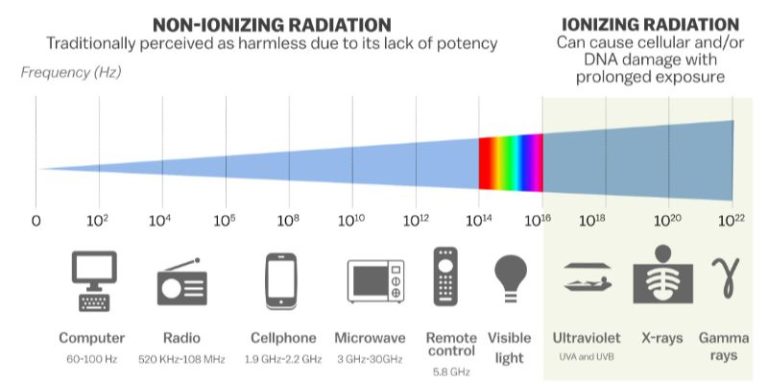
Radiation is energy that moves in waves or particles. It is all around us but often invisible. Knowing the basics helps to detect it at home. Understanding what radiation is and where it comes from keeps you safe.
Some types of radiation are natural. Others come from man-made objects. Not all radiation is harmful. It depends on the type and amount.
Types Of Radiation
Radiation comes in different forms. The main types are alpha, beta, gamma, and neutron radiation. Alpha and beta particles cannot travel far and are blocked by skin or paper. Gamma rays are stronger and pass through many materials. Neutron radiation is rare but very powerful. Each type needs a different method to detect it.
Common Sources At Home
Many household items give off small amounts of radiation. Smoke detectors use a tiny amount of radioactive material. Some old watches and clocks have radium paint. Granite countertops and some well water contain natural radiation. Electronic devices and televisions emit low radiation levels. Knowing these sources helps in checking your home effectively.
Health Risks
Radiation can harm your body if the dose is high. It can damage cells and cause sickness. Long-term exposure to low levels may increase cancer risk. Children and pregnant women are more sensitive. Using detectors helps to find unsafe radiation levels early. Acting fast can reduce health risks.

Credit: www.youtube.com
Radiation Detection Tools
Detecting radiation at home requires reliable tools. These tools measure radiation levels and help keep you safe. Some tools are simple, while others are more advanced. Understanding each type helps you choose the right one for your needs.
Radiation detection tools vary in price, accuracy, and ease of use. Some devices give instant readings. Others track radiation exposure over time. Let’s explore the most common tools for home radiation detection.
Geiger Counters
Geiger counters are the most known radiation detectors. They detect alpha, beta, and gamma radiation. The device clicks or beeps when radiation is present. It shows radiation levels on a meter or screen. Geiger counters are easy to use and portable. Many models work on batteries and fit in your hand. They provide quick information about radiation nearby.
Dosimeters
Dosimeters measure the total radiation dose over time. They do not show instant levels but track exposure. This tool is useful for long-term safety monitoring. Dosimeters come as badges or small digital devices. People working in radiation areas often wear them. At home, dosimeters help check if radiation builds up slowly. Some models connect to computers for detailed reports.
Smartphone Apps
Smartphone apps offer basic radiation detection using the phone’s camera sensor. They can detect some types of radiation but are less accurate. These apps are free or low cost and easy to try. Use them only for general awareness, not precise measurement. Apps may alert you if radiation is unusually high. They work best combined with proper detection devices.
Setting Up Detection
Setting up radiation detection at home is the first step to ensure safety. Proper setup helps you get accurate readings. Follow simple steps to prepare your device and space.
Choosing The Right Device
Select a device based on your needs and budget. Geiger counters are common and affordable. Dosimeters track long-term exposure. Choose one with clear display and easy controls.
Proper Placement
Place the device in areas where radiation risk is higher. Near windows, basements, or old building materials are good spots. Avoid placing it near electronic devices to reduce interference. Keep it at waist height for accurate detection.
Calibration Tips
Calibrate your detector to maintain accuracy. Use a known radiation source or follow the manual’s instructions. Regular calibration ensures reliable readings. Check calibration every few months or after moving the device.
Interpreting Readings
Understanding radiation readings at home is key to staying safe. Devices show numbers that mean different things. Knowing what these numbers mean helps you act wisely. This section explains how to read and understand those numbers clearly.
Safe Levels
Radiation readings are measured in units like microsieverts per hour (µSv/h). Most homes have background radiation below 0.2 µSv/h. Readings under this level usually mean no danger. Slight changes in numbers are normal. If numbers rise above 0.3 µSv/h, keep a close watch. Consistently high readings need more attention.
When To Take Action
If your device shows readings above 1 µSv/h, do not ignore it. This level can harm health over time. Leave the area and check other rooms. Turn off electrical devices that might cause false readings. Contact local health or safety officials if high readings persist. Taking quick steps helps protect you and your family.
Record Keeping
Write down your readings with the date and time. Keep a simple log to track changes over days or weeks. This record helps spot trends or sudden spikes. Share your log with experts if needed. Good records provide clear proof and guide actions. It also helps you feel more in control.
Preventive Measures
Preventive measures help keep your home safe from radiation risks. Taking simple steps lowers your chance of exposure. Knowing what to do creates a safer environment for your family.
Reducing Exposure
Limit time near sources of radiation. Distance yourself as much as possible. Use protective barriers like walls or lead shields. Avoid using damaged or old devices that may emit radiation. Regularly check your home for radon gas, especially in basements.
Safe Storage Of Materials
Store radioactive materials in sealed containers. Keep them in well-ventilated, secure areas. Label containers clearly to avoid accidents. Do not keep these materials near living spaces. Follow instructions for disposal of radioactive waste carefully.
Emergency Steps
Have a plan for radiation emergencies. Evacuate the area quickly if necessary. Remove contaminated clothing and wash skin thoroughly. Seek medical help immediately. Inform local authorities about the situation to get support.
Credit: www.sciencefriday.com
Maintenance And Updates
Maintaining and updating your radiation detection device is crucial for accurate readings. Regular care keeps the device reliable and ready to use anytime. Updates improve performance and add new features.
Ignoring maintenance can lead to false alarms or missed radiation. Stay proactive to ensure safety for you and your family.
Device Maintenance
Clean your device regularly with a soft cloth. Avoid water or harsh chemicals that can damage sensors. Check the battery often and replace it if low. Store the device in a dry, cool place to prevent damage. Handle the device gently to avoid dropping or bumps.
Software Updates
Check for software updates from the manufacturer regularly. Updates fix bugs and improve detection accuracy. Install updates as soon as they are available. Use the official website or app for safe updates. Keep the device connected to Wi-Fi if needed for updates.
Regular Testing
Test the device frequently to ensure it works properly. Use a known radiation source or testing kit if possible. Follow the device manual for testing instructions. Note any unusual readings and consult support if needed. Regular tests help catch problems early and keep the device reliable.
Frequently Asked Questions
What Devices Detect Radiation At Home Effectively?
Geiger counters and dosimeters are common devices for home radiation detection. They measure radiation levels quickly and accurately, ensuring safety. These tools are easy to use and widely available for consumers.
How To Use A Geiger Counter For Home Radiation?
Turn on the Geiger counter and hold it near the object or area. Observe the readings on the display. Higher counts indicate more radiation. Always follow the device’s instructions for accurate results.
Can Smartphones Detect Radiation Without Extra Devices?
Smartphones cannot detect radiation on their own. However, with special external sensors or apps paired with hardware, limited detection is possible. For reliable results, dedicated radiation detectors are recommended.
Is Natural Background Radiation Harmful At Home?
Natural background radiation exists everywhere but is usually low and safe. It comes from soil, rocks, and cosmic rays. Regular home levels rarely pose health risks, but monitoring helps ensure safety.
Conclusion
Detecting radiation at home helps keep you and your family safe. Simple tools can show if radiation is present nearby. Regular checks give peace of mind and early warning. Stay informed and act quickly if you find any signs. Learning these basic steps makes your home safer every day.
Safety starts with knowing what’s around you. Keep your environment healthy and secure with easy radiation detection.