Do Infrared Heaters Give Off Light?
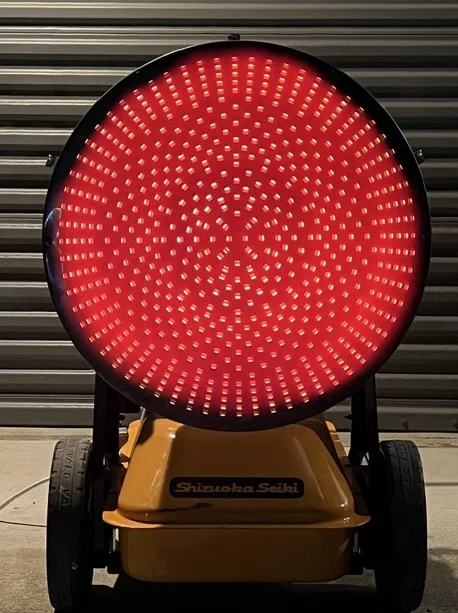
Yes. Many infrared heaters emit no visible light, but quartz and halogen models often glow red or orange because the heating element itself gets hot. Pick the wrong type and you can end up with unwanted light in a bedroom or a look that clashes with a living room. This guide explains why infrared heat can be invisible, which heater types glow, and which choices fit sleep, low-light rooms, outdoor areas, and visible-flame style looks.
Visible glow and how it affects room use
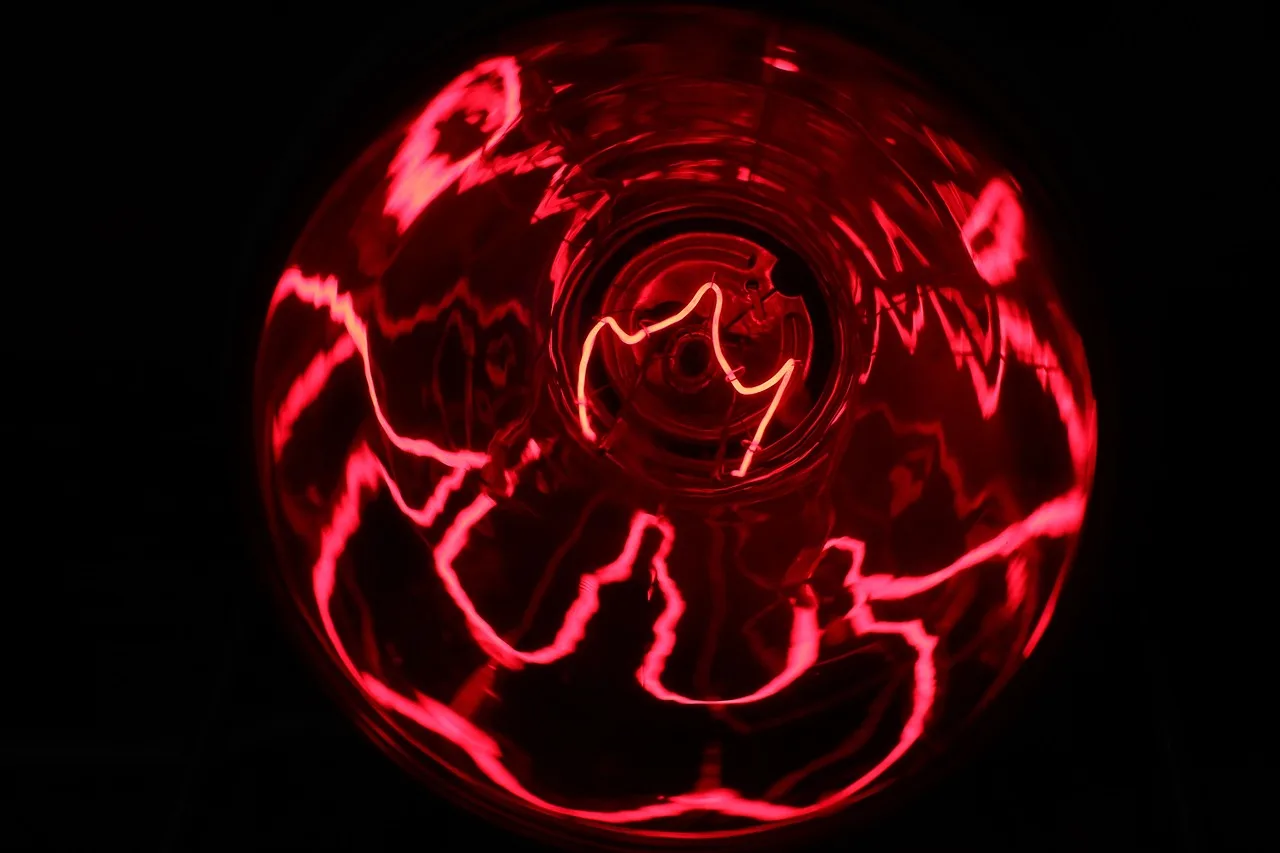


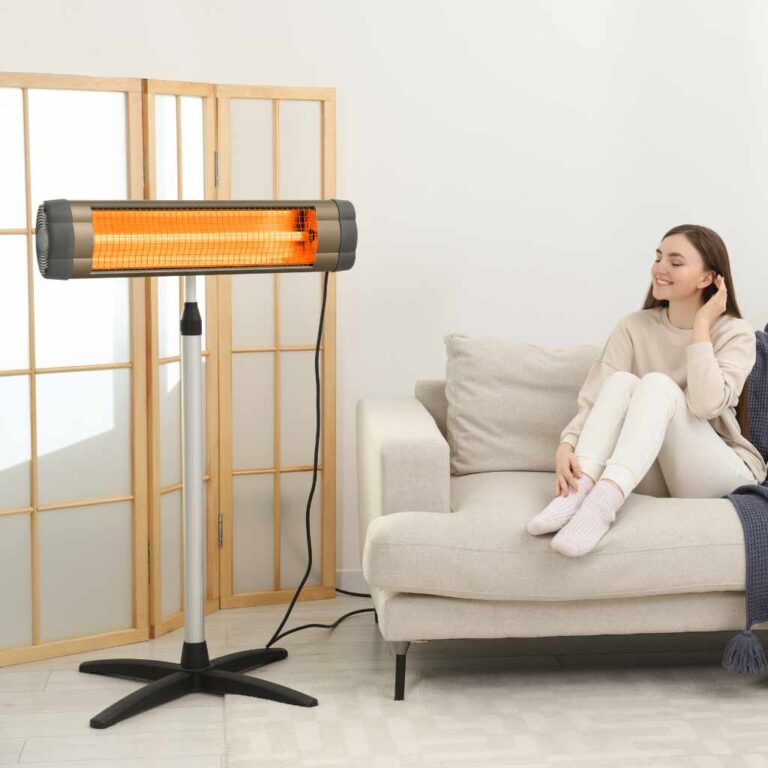
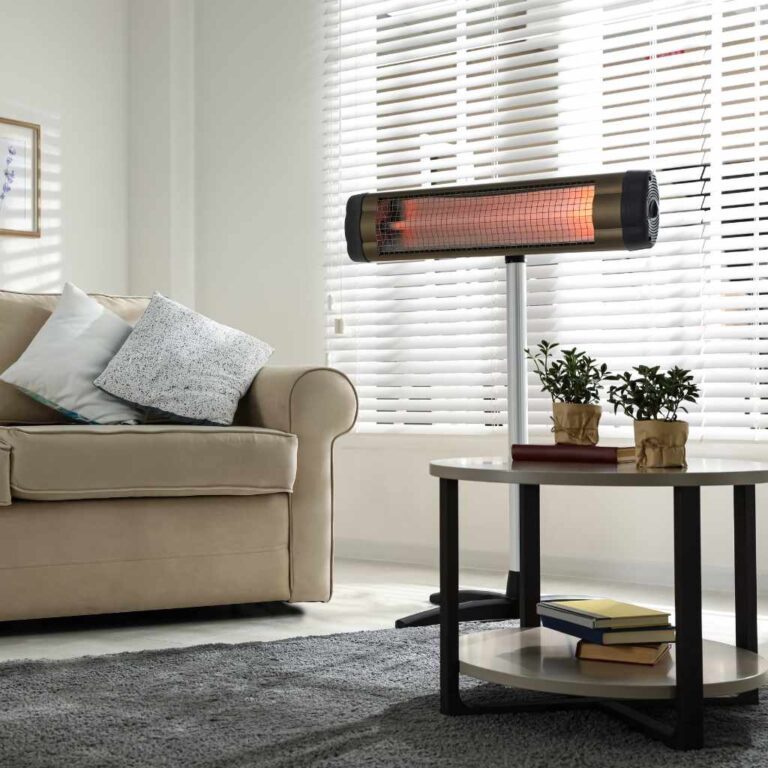
Yes, some do, but the visible light comes from the heater design rather than infrared heat itself. Infrared radiation is outside the visible spectrum, so the warmth can be present without a bright lamp effect. Quartz and halogen models are the most likely to glow, while many far-infrared panels stay visually quiet.
How to tell heat from glow
Look at the element, not just the advertised heating type. A heater can warm people and objects directly and still be dim, or it can be highly visible because the element is intended to glow. If a room needs darkness, choose by visible output first and heating style second.
Infrared heaters use electromagnetic radiation to warm a space. They heat people and objects directly rather than heating the air first. In normal home use, that makes them a practical choice for zone heating, especially when you want warmth without waiting for the whole room to warm up.
What the glow means for comfort and room use
Visible glow matters because it changes how a room feels at night. A bright element can be distracting in a dark bedroom, while a low-glow or no-glow heater is easier to live with when you want sleep-friendly heat. If you want ambient light as part of the look, the glow can be a feature instead of a drawback.
- Choose low-glow or no-glow designs for bedrooms and nurseries.
- Choose visible-glow designs when the lamp-like look is part of the appeal.
- Check the manual if you plan to use the heater while sleeping.
- Remember that visible brightness is a comfort issue, not proof of better heating.
Say your bedroom is small and you want quiet heat for reading before sleep. A heater with a bright orange element may be noticeable every time the room is dark, even if the warmth itself is comfortable. If the same room needs low light, a far-infrared panel or another low-glow design is usually the better fit, subject to the product listing and manual.
Which infrared heaters visibly glow?
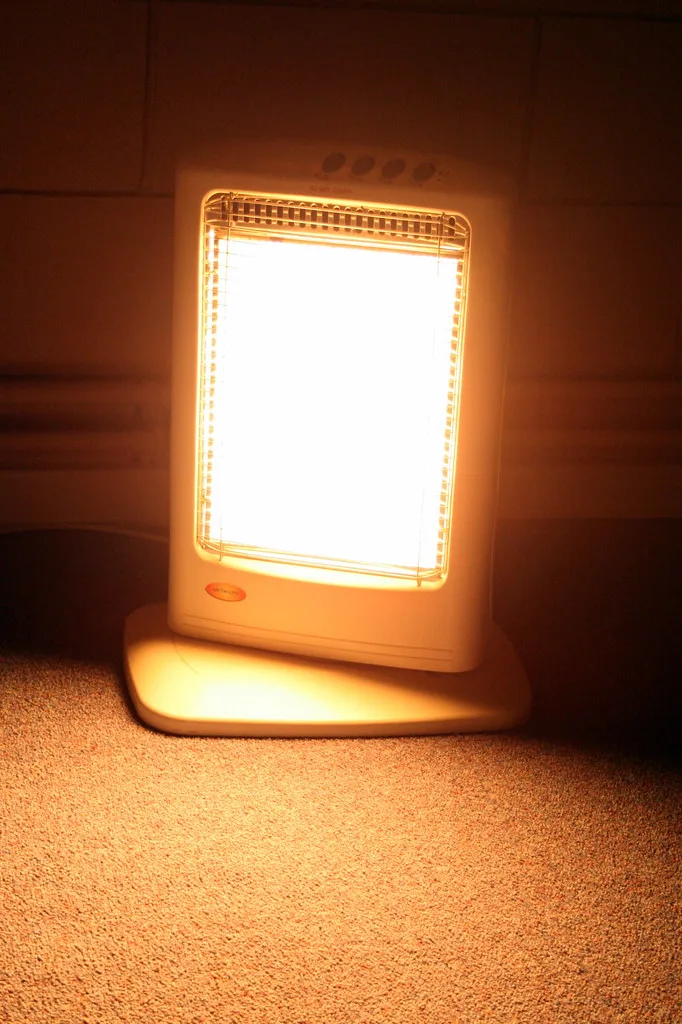
Quartz and halogen heaters are the main infrared styles that visibly glow, often in red, orange, or amber. Fireplace-style infrared heaters also glow because the flame effect is part of the design. Far-infrared panels usually have little to no visible brightness, which makes them easier to live with in bedrooms.
Infrared heaters comparison table
| Heater type | Visible-light output | Typical color/appearance | Likely bedroom suitability | Watch-outs |
|---|---|---|---|---|
| Quartz | Often visible | Red, orange, or amber glow | Mixed; check if the glow will bother you | Quartz heaters are often used in portable space heaters and may include a fan. |
| Halogen | Usually visible | Bright orange or red lamp-like glow | Poor fit for dark bedrooms unless the glow is welcome | Can be prone to toppling over; keep away from combustibles and follow the manual closely |
| Ceramic | Usually low or no visible glow, but varies | Often little visible light; some models show a faint element glow | Depends on the exact heater; many are better for low-light use than glowing element types | Many ceramic space heaters are convection fan heaters rather than true infrared models |
| Far-infrared panels | Usually no disturbing bright light | Little to no visible glow | Often a better fit for bedrooms if the model is approved for that use | Mounting method, surface temperature, and manufacturer sleep guidance still matter |
| Fireplace-style infrared heaters | Often visible for the flame effect | Decorative flame look, usually amber or orange | Good if you want atmosphere; less ideal if you need darkness | The flame effect is separate from the heating function; check whether the glow can be turned off |
Bedroom watch-outs
- Visible brightness range can vary from faint ember-like light to a strong orange lamp effect.
- Fan noise may matter as much as the glow if you want a quiet sleep environment.
- On fireplace-style units, check whether the flame effect can run without heat or be disabled entirely.
- For best bedroom fit, prefer models described as low-glare, no-glow, or panel-style.
Why some heaters glow red
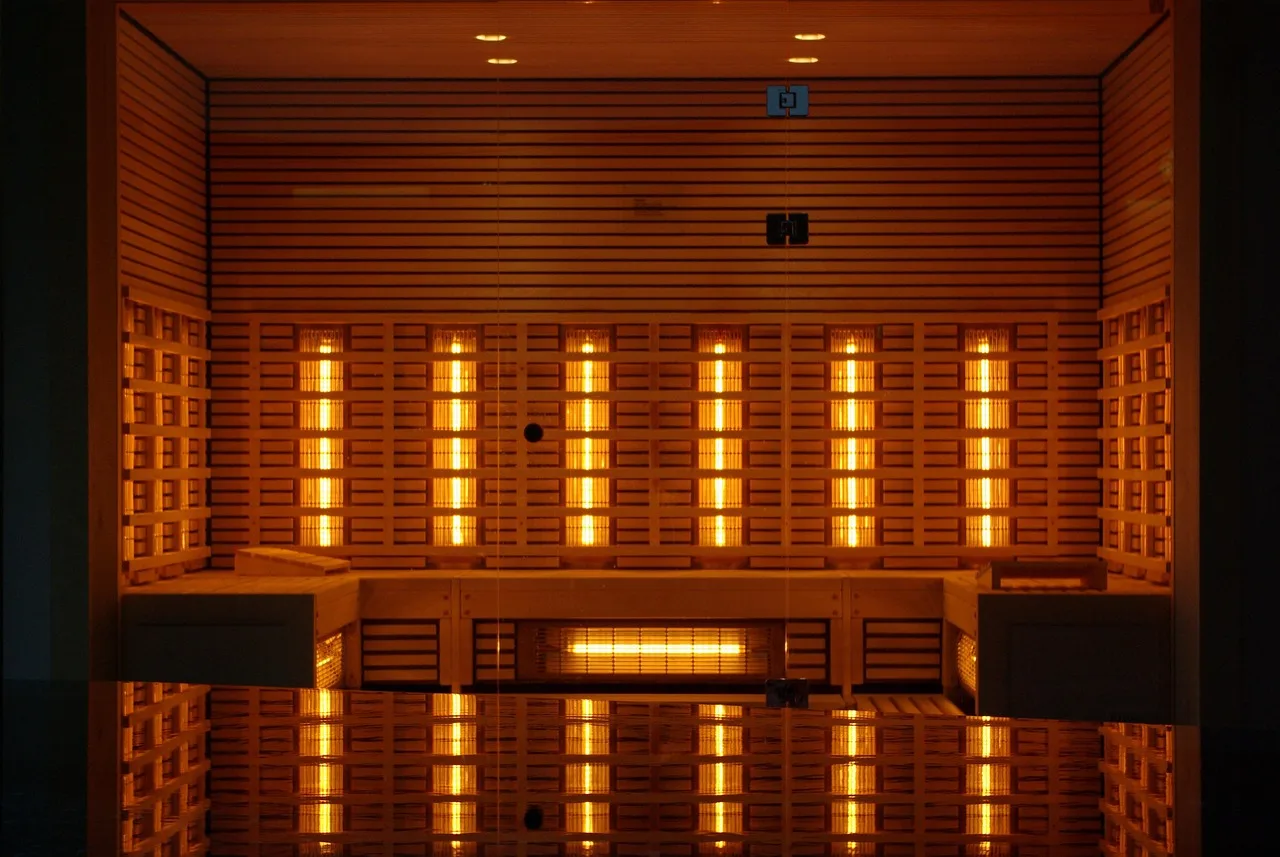
Some infrared heaters glow because their element gets hot enough to emit visible light along with infrared energy. Quartz and halogen designs are the main examples many people notice. Far infrared is different: common market models use far infrared, and those units do not have a disturbing bright light.
What the color tells you
Red, orange, and amber generally mean the element is visibly radiating at a higher temperature. That can be normal for the design, but it also means the heater will be more noticeable in a dark room. The color is about appearance and element behavior, not a guarantee of stronger comfort.
Near infrared heaters tend to have a brighter light and high temperatures. Far infrared heaters are generally the calmer everyday heating category for homes because they are less visually bright. That does not mean every far-infrared product is the same; the exact listing still matters.
The glow does not tell you everything about heat output. A brighter element is not automatically a better heater, and a low-glow panel is not automatically weak. The right question is whether the unit fits the room, the mounting style, and the use case.
A common rookie mistake is assuming an infrared heater should glow brightly like a lamp. A compact halogen heater can look dramatic in a living room, but that same glow may feel too intense beside a bed. A low-glow panel can feel calmer in a bedroom, even though both are still using radiant heat to warm objects and people.
Are infrared heaters safe to look at?
Infrared light itself is invisible to the naked eye, so the main eye-comfort issue is usually the visible glow from the element, not the infrared radiation. In normal use, infrared heaters are generally treated as safe, but bright lamps can still be unpleasant to stare at in a dark room. If the heater glows strongly, treat that as a comfort issue and not proof of better performance.
Practical safety checks
- Confirm the heater is UL- or ETL-listed before buying.
- Look for tip-over and overheat protection on portable units.
- Keep combustible materials out of the clearance zone in the manual.
- Do not assume a decorative glow means the unit is safer or more efficient.
When brightness matters in bedrooms
Brightness matters most when you are trying to sleep, relax, or keep the room dim. A glowing quartz or halogen unit can be fine in a garage, basement, or living area where the light blends in. In a bedroom, though, the same glow can feel intrusive long before the warmth becomes a problem.
Suppose a room has a dim bedside lamp and a heater with a bright orange element. The heat may be comfortable, but the light can still be distracting if you are trying to fall asleep. That is why low-glow models are often the better match for nighttime use, assuming the manual permits the way you plan to use them.
Which infrared heater type fits your room?

The best match depends on how much light you want, how you plan to place the heater, and whether the manufacturer allows overnight or unattended use. For a dark bedroom, low-glow or no-glow models are usually the first place to look. For a living room, a visible glow can work if you want the heater to feel more like part of the room’s atmosphere.
Low-light bedrooms
Choose a model with minimal visible output if your main goal is sleep or quiet evening use. Far-infrared panels are often the least visually distracting, and many residential heaters in this category do not produce a bright glow. Still, check the product listing for sleep guidance and installation requirements.
- Prefer no-glow or low-glare panels.
- Check fan noise if the heater uses forced air.
- Look for a model that can run without a bright pilot or flame effect.
- Confirm the heater is listed for the intended room location.
Living rooms and shared spaces
Quartz and halogen heaters can fit shared spaces where some visible warmth is acceptable. They are more likely to create the red, orange, or amber look people associate with radiant heaters. That can be useful if you want a heater that feels noticeable rather than hidden.
Decorative fireplace-style heaters
Fireplace-style infrared heaters are for people who want a flame effect as part of the room design. The visible flame look is intentional, so brightness is part of the appeal. If you want nighttime darkness, this is usually the wrong style; if you want a visible focal point, it may be exactly right.
Outdoor use: patios, porches, and damp locations
Only heaters specifically rated for outdoor or damp/wet locations should be used outside. Patio-style quartz or halogen heaters are built to project heat into open air, while indoor far-infrared panels are generally meant for protected interior spaces. The location rating on the label and manual should decide where the heater goes.
- Use outdoor-rated models on patios, decks, and other exposed areas.
- Do not move a typical indoor panel heater outside unless the manufacturer says it is allowed.
- Check whether the unit is listed for damp locations, covered porches, or wet locations.
- For uncovered outdoor areas, choose equipment designed for wind, weather exposure, and safe clearance.
Are infrared heaters safe to leave on overnight?
Portable infrared heaters generally should not be left on overnight unless the manufacturer explicitly allows it. Standard portable heater advice warns against leaving them unattended while asleep, and many product manuals say not to use them overnight. Tip-over and overheat protection are important, but they do not change the need to follow the manual.
Overnight-use decision checklist
- Read the manual for any explicit overnight-use allowance.
- Use only models with tip-over and overheat protection.
- Keep the heater well away from bedding, curtains, and furniture.
- Do not rely on a low setting as a substitute for overnight approval.
- If the unit burns fuel, do not use it as a sleep-time heater unless the instructions clearly allow it and ventilation is provided.
Tip-over and overheat protection
A tip-over switch turns the heater off if it falls or is knocked over. Overheat protection can add another layer of shutdown if the internal temperature rises too far. Those features matter, but they are backup safety systems, not permission to ignore the product instructions.
Placement near curtains, bedding, and furniture
Keep portable heaters at least one metre away from combustible materials. That includes curtains, bedding, and furniture. If a specific model calls for more clearance, use the manufacturer’s number instead of a generic rule. Do not guess at spacing with a unit that runs hot at the element.
- Check whether the unit is electric, natural gas, or propane powered.
- Read the owner’s manual for clearance, mounting, and sleep-use guidance.
- Look for UL certification when shopping for electric models.
- Confirm tip-over switch and overheat protection before use.
- Place the heater away from curtains, bedding, furniture, and other combustibles.
- Do not leave a portable heater unattended or running overnight unless the manual explicitly allows it.
Fuel-burning infrared heaters need proper venting and do not belong in unvented indoor spaces unless the manufacturer explicitly allows it. Electric infrared heaters are not generally a source of carbon monoxide as part of their heating method. Carbon monoxide is a combustion issue, so it is a concern with gas or propane models, not with electric radiant heaters. Infrared heaters and electric bills are often easier to manage with electric models because they can support zone heating without venting concerns.
Frequently asked questions
Do infrared heaters emit light?
Yes, but the answer depends on the model. Infrared heaters produce infrared radiation, which is invisible to the naked eye. Some units also emit visible light from the heating element itself, especially quartz and halogen models. Far-infrared panels usually have little to no disturbing visible glow.
Do infrared heaters give off visible light?
Some do, and some do not. Visible light usually comes from the element design, not from infrared heat itself. Quartz and halogen heaters are the most likely to glow red, orange, or amber. Low-glow far-infrared models are usually easier on the eyes in dark rooms.
Why do some infrared heaters glow red?
They glow because the element gets hot enough to emit visible light along with infrared energy. Halogen heaters are the clearest example, and quartz heaters often glow as well. The color usually runs red, orange, or amber. A brighter glow does not automatically mean better heating.
What is the difference between near infrared and far infrared heaters?
Near infrared heaters tend to run hotter and look brighter. Far infrared heaters are the more common residential choice and usually do not have a disturbing bright light. In plain terms, near infrared is the brighter, hotter category, while far infrared is usually the calmer-looking everyday option for home comfort.
Do infrared heaters produce carbon monoxide?
Electric infrared heaters do not produce carbon monoxide because they do not burn fuel. Gas and propane infrared heaters can produce carbon monoxide, which is why ventilation and the manufacturer’s instructions matter. If a heater burns fuel, treat it as a combustion appliance, not just a radiant heater.
Can I use an infrared heater outdoors?
Only if the heater is specifically rated for outdoor or damp/wet locations. Patio-style quartz or halogen heaters are the usual outdoor choice because they are built for exposed settings, while indoor far-infrared panels are generally intended for interior spaces. Always follow the location rating on the label and in the manual.
Can a fireplace-style infrared heater run without the glow?
Sometimes. On some models, the flame effect can be turned off while the heat stays on, but on others the decorative glow is part of the heating display. If you need darkness in a bedroom, confirm that the flame effect can be disabled before you buy.