Positive vs. Negative Pressure Infrared Heaters: Essential Comparison Guide
Positive pressure infrared heaters push combustion gases through tubes for easy maintenance, while negative pressure heaters pull gases for better safety and even heat—choose positive for simple setups or negative for efficiency in large spaces.
Cold warehouses, garages, or workshops can feel uncomfortable without the right heating. Many homeowners and business owners struggle to pick gas-fired infrared tube heaters that are safe, efficient, and reliable. Good news—both positive and negative pressure types provide cozy radiant warmth. This guide explains them simply, so you can decide with confidence.
We’ll compare how they work, pros and cons, and best uses. Soon, you’ll know which one keeps your space warm and worry-free.
What Are Infrared Tube Heaters?
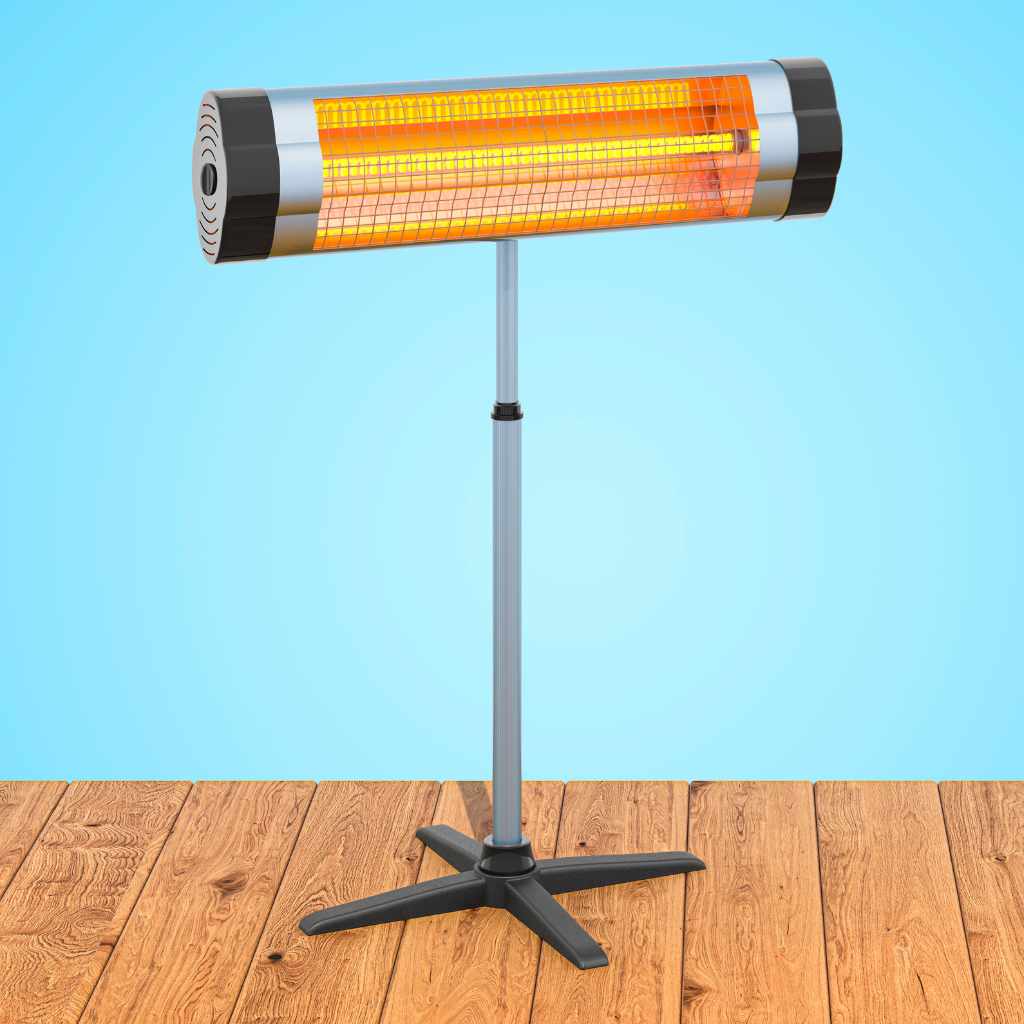
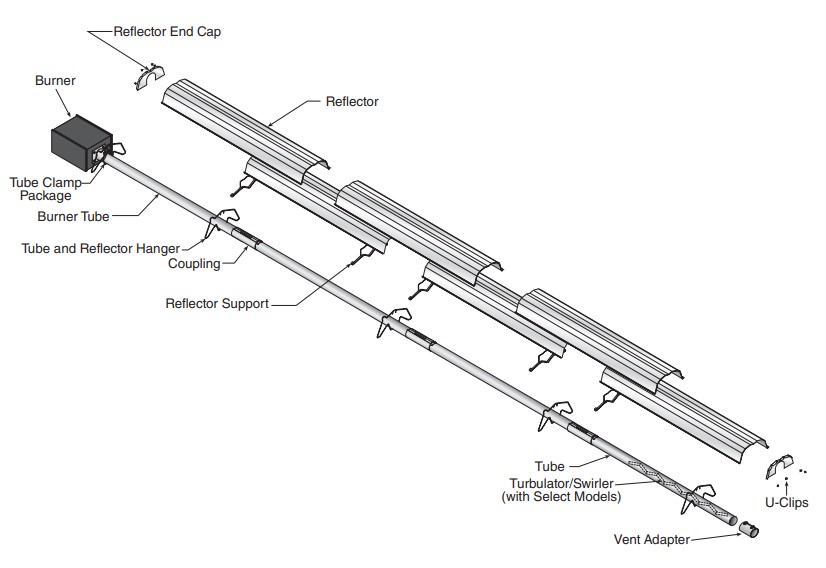
Infrared tube heaters are gas-fired systems that hang from the ceiling. They heat long tubes, which radiate warmth downward like the sun. This warms floors, people, and objects directly—perfect for big, open areas.
They come in low-intensity models (no bright glow) and are called positive or negative pressure based on how air flows inside.
How Positive Pressure Infrared Heaters Work
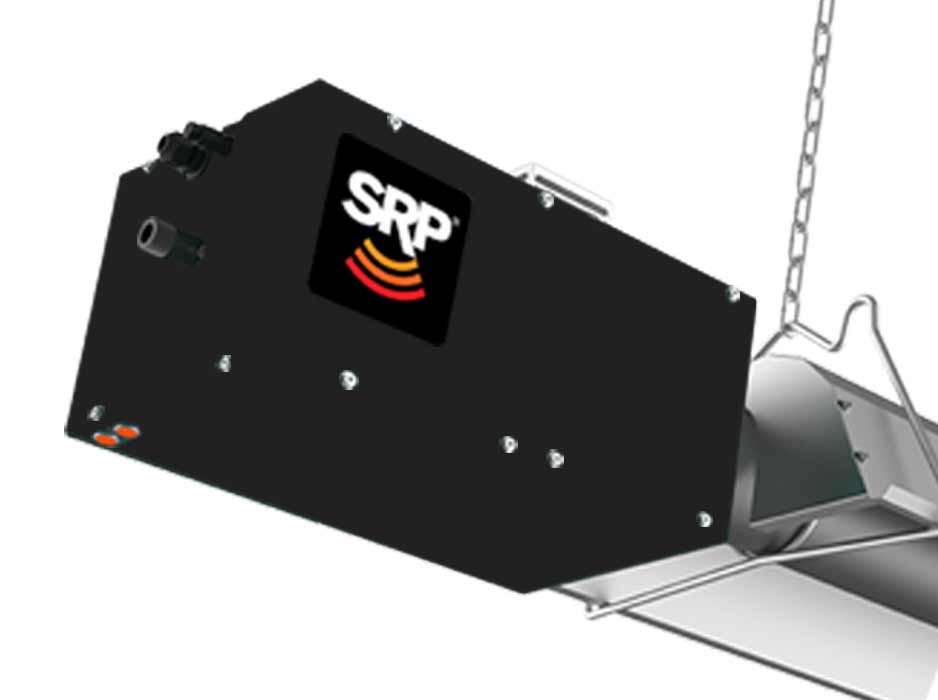
Positive pressure heaters (also called push or forced-draft) have the blower at the burner end. It pushes hot gases through the tubes to the vent.
All controls and parts sit in one sealed box. This makes them easy to install and service.
They work well in most indoor or outdoor spots, like patios or garages.
How Negative Pressure Infrared Heaters Work
Negative pressure heaters (pull-through or vacuum) place the blower at the exhaust end. It pulls combustion gases through the tubes.
This creates suction inside the tubes. It helps prevent leaks and gives more even heat.
Great for larger systems or places needing longer vents.
Key Differences: Side-by-Side Comparison
Here’s a simple table to see the main differences:
| Feature | Positive Pressure | Negative Pressure |
|---|---|---|
| Blower Location | At burner (pushes gases) | At exhaust (pulls gases) |
| Pressure in Tubes | Positive (higher than outside) | Negative (lower than outside) |
| Leak Risk | Higher if joints fail | Lower—leaks pulled inward |
| Installation | Easier, compact burner box | More flexible venting |
| Heat Evenness | Good | Often more uniform |
| Best For | Smaller spaces, simple setups | Large areas, windy spots |
| Noise | Similar, but varies by model | Often quieter operation |
What Are Infrared Radiant Vacuum Systems? – Great Lakes Radiant | Radiant Heat Experts | Commercial HVAC/L Equipment Sales
Pros and Cons of Positive Pressure Heaters
Pros:
- Easy to install and maintain—all parts in one place
- Compact design
- Good for vented or unvented use
- Reliable in many conditions
- Often lower upfront cost
Cons:
- Potential for leaks if seals wear
- Less even heat in very long tubes
- May not handle high winds as well
Many manufacturers like Modine offer positive pressure models for commercial spaces (modinehvac.com).
Pros and Cons of Negative Pressure Heaters
Pros:
- Safer—negative pressure reduces exhaust leak risk
- More even tube temperatures
- Better for long or complex venting
- Higher efficiency in big areas
- Reliable in drafty or windy spots
Cons:
- Installation can be more involved
- Blower at exhaust end may need more space
- Slightly higher cost sometimes
Brands like Roberts-Gordon highlight enhanced safety with negative pressure (robertsgordon.com).
Energy Efficiency and Costs
Both types are highly efficient since infrared heats directly. Fuel use depends more on size and insulation than pressure type.
| Scenario | Better Choice | Why |
|---|---|---|
| Small garage or workshop | Positive Pressure | Simpler install, sufficient performance |
| Large warehouse | Negative Pressure | Even heat, longer runs possible |
| High safety needs (e.g., chemicals) | Negative Pressure | Lower leak risk |
| Windy or outdoor-exposed | Negative Pressure | Better draft resistance |
The U.S. Department of Energy notes radiant heaters save energy by zone heating (energy.gov).
Safety Comparison
Both are safe with proper installation. Negative pressure wins for indoor safety because leaks are less likely to release gases inside.
- Always vent properly.
- Use carbon monoxide detectors.
- Follow clearances from combustibles.
The Consumer Product Safety Commission recommends professional installation for gas heaters (cpsc.gov).
Which One Should You Choose?
Think about your space:
- Go with Positive Pressure if:
- Your area is smaller or straightforward.
- You want easier service.
- Budget is a big factor.
- Basic venting works.
- Go with Negative Pressure if:
- You need maximum safety.
- Heating a large or drafty space.
- Long vent runs required.
- Even warmth matters most.
Many folks pick based on building layout. Consult a pro for your setup.
Tips for Safe and Efficient Use
- Get professional installation and yearly checks.
- Keep areas clear around heaters.
- Insulate your space for best savings.
- Use thermostats for control.
- Ensure good ventilation.

Frequently Asked Questions
What’s the difference between positive and negative pressure infrared heaters?
Positive pushes gases with a blower at the start; negative pulls with a blower at the end. Negative often safer and more even.
Are negative pressure heaters more efficient?
They can be in large spaces due to better heat distribution, but both save energy well.
Can I use these in my home garage?
Yes, both work great. Positive is common for smaller garages.
Do they need venting?
Most yes—check local codes. Some approved unvented in certain cases.
Which is quieter?
Similar, but negative pressure models often run quieter.
Are they safe around kids or pets?
Yes, tubes get hot but reflectors direct heat down. Keep safe distances.
Which is better for outdoor patios?
Positive pressure often used, as setup is simpler.
Final Thoughts: Warm Up Your Space Right
Positive and negative pressure infrared tube heaters both deliver reliable, cozy radiant heat. Positive offers simplicity and easy care—great for many homes and shops. Negative provides extra safety and even warmth—ideal for bigger or trickier spots.
Match the type to your needs, install properly, and enjoy comfortable winters ahead. A warm space makes everything better. You’ve got the info—stay cozy and safe!