Infrared Heaters Vs Oil Filled Heaters: Ultimate Comfort Showdown
Choosing the right heater can make a big difference in how comfortable your home feels during cold months. You might be wondering whether an infrared heater or an oil filled heater is better for your space.
Each has its own way of warming you up, but which one suits your needs best? You’ll discover the key differences, benefits, and drawbacks of both options. By the end, you’ll feel confident about picking the heater that keeps you cozy while saving energy and money.
Keep reading to find out which heater matches your lifestyle perfectly.
How Infrared Heaters Work
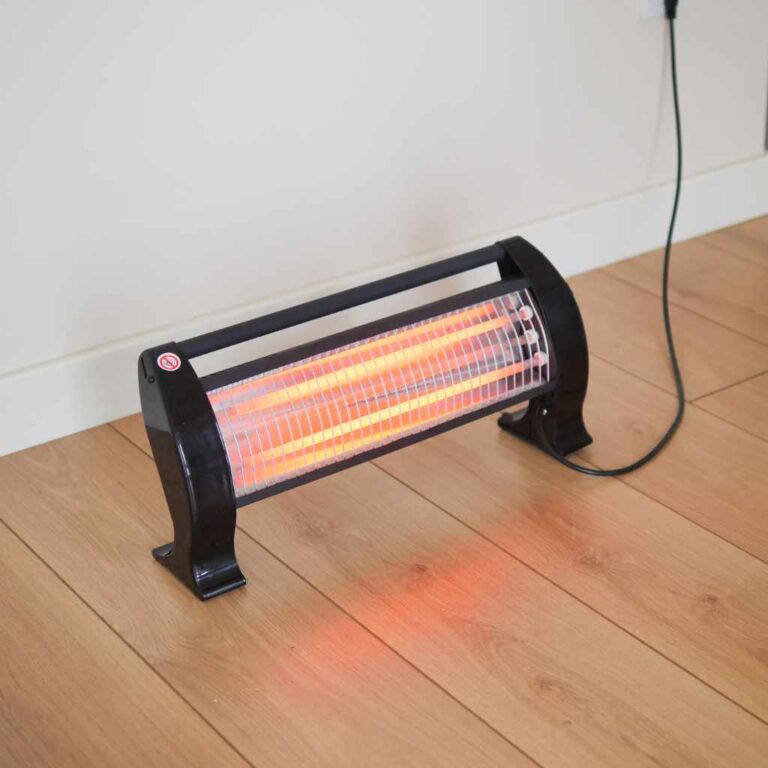
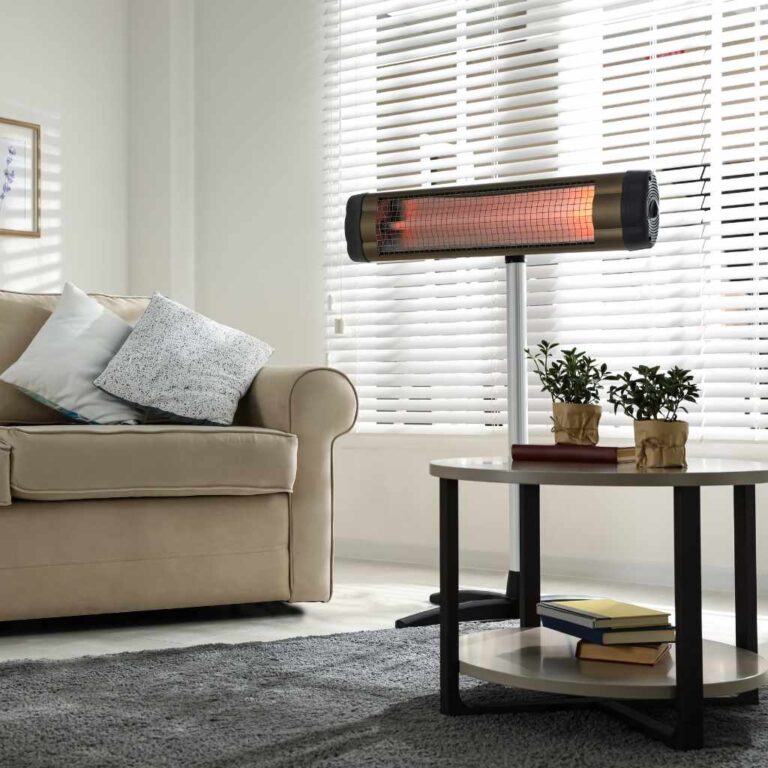
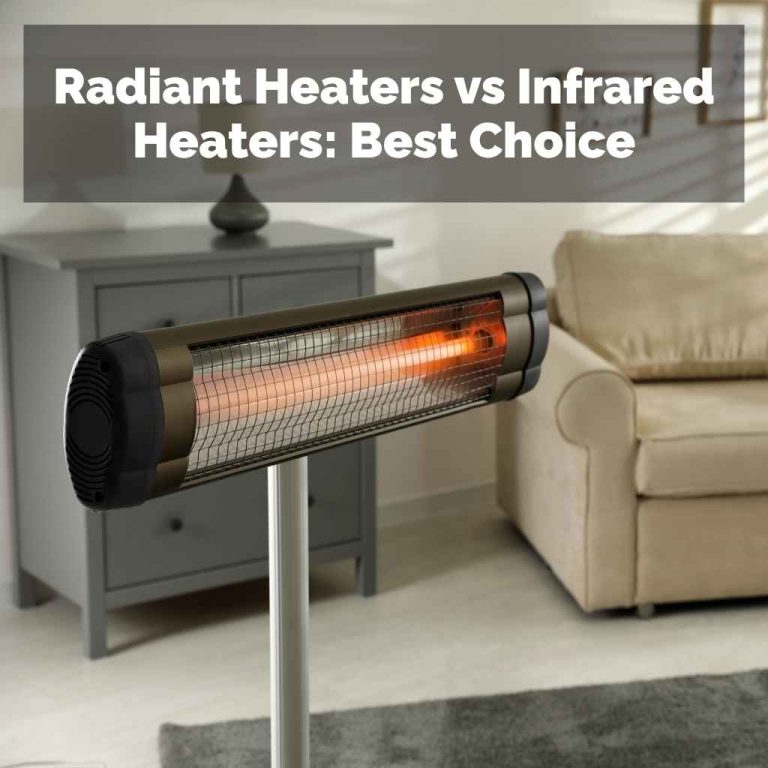
Infrared heaters provide warmth by using a unique heating method. Unlike traditional heaters, they do not warm the air directly. Instead, they send out infrared rays that heat objects and people in the room. This way of heating feels natural, similar to the warmth from the sun.
Radiant Heat Technology
Infrared heaters work through radiant heat technology. They emit infrared rays that travel through the air. These rays warm surfaces and bodies directly without heating the air first. This method reduces heat loss and creates a cozy environment quickly.
Immediate Warmth
Infrared heaters produce heat instantly. As soon as you turn them on, they start warming objects in the room. There is no waiting time for the air to get warm. This feature is perfect for quick heating in cold spaces.
Energy Efficiency
Infrared heaters use less energy compared to other heaters. They focus heat only where it is needed. This targeted heating avoids wasting energy on heating empty spaces. As a result, they can lower your electricity bills while keeping you comfortable.

How Oil Filled Heaters Work
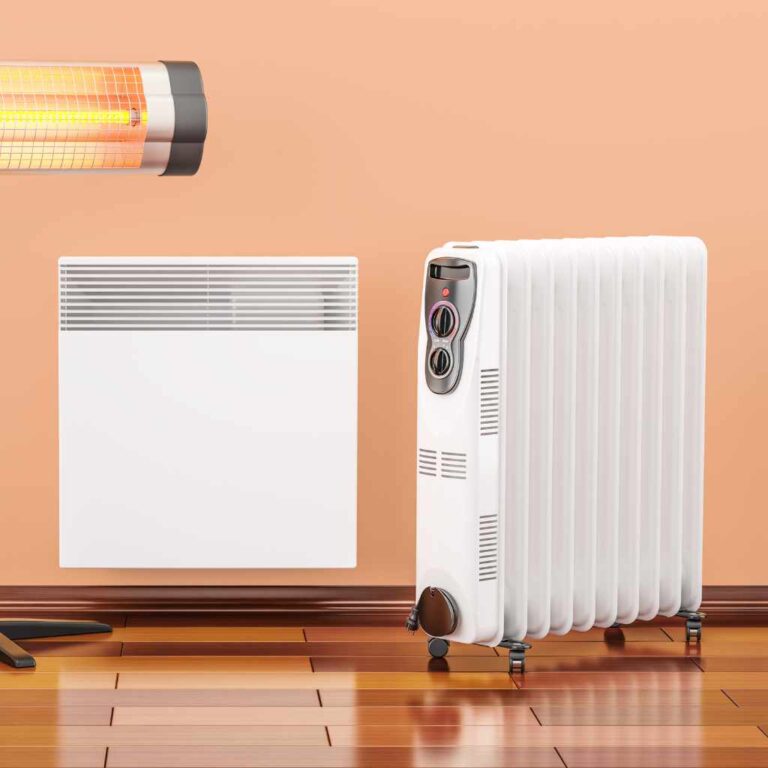
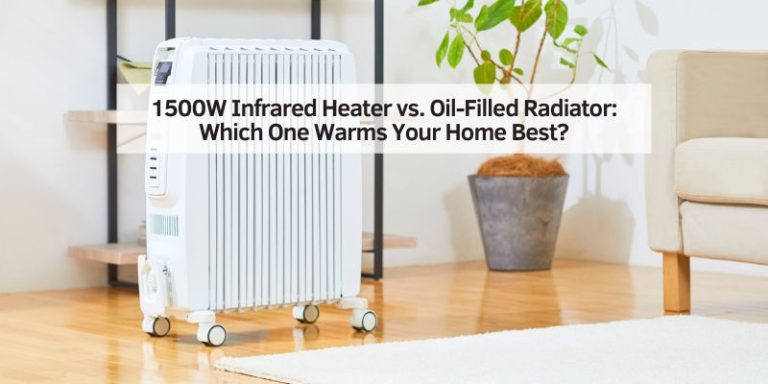
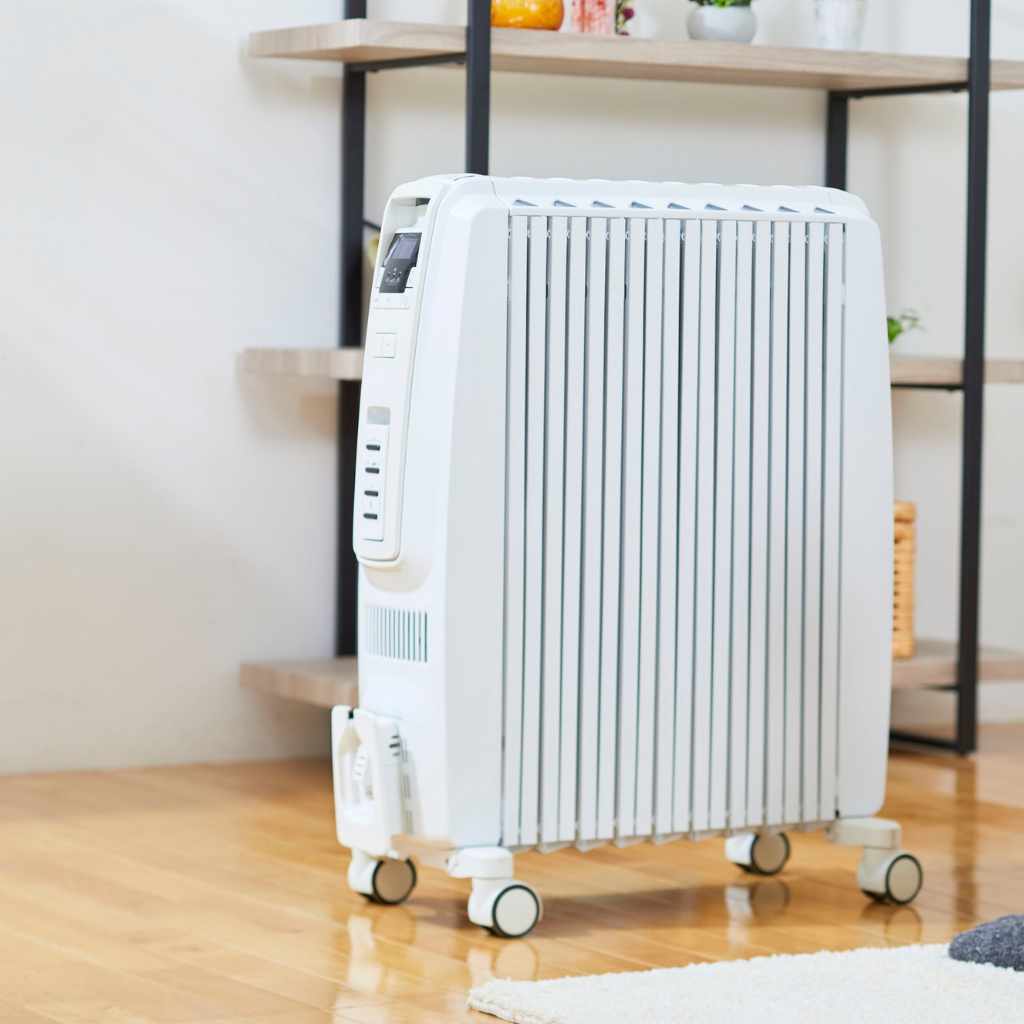
Oil filled heaters use a simple but effective method to warm a room. Inside the heater, there is a special oil that heats up and spreads warmth evenly. This process creates a cozy and stable temperature without sudden changes. The heater stays warm for a long time, even after it is turned off.
Convection Heat Process
The heater warms the oil inside its metal fins. This hot oil heats the metal surface. Warm air rises from the heater and cooler air moves in to take its place. This cycle repeats, slowly heating the whole room. The heat moves gently and quietly.
Heat Retention
The oil holds heat well and keeps the heater warm. Even after switching off, the heater stays hot for a while. This means it continues to warm the room without using extra power. It makes the heater energy efficient and cost effective.
Power Consumption
Oil filled heaters use electricity to warm the oil. They take time to heat up but use less energy once warm. They keep rooms warm longer with less power. This saves money on electricity bills over time.
Heating Speed And Warmth
Heating speed and warmth are key factors when choosing a heater. People want warmth fast and steady. Infrared heaters and oil filled heaters differ a lot in how fast they heat and how warmth spreads.
Response Time Comparison
Infrared heaters warm up almost instantly. They send out heat directly to objects and people. This means you feel warmth right away. Oil filled heaters take longer to heat. They need time to warm the oil inside. The heat then spreads slowly to the room. So, infrared heaters are best for quick heat. Oil filled heaters work better for slow, steady warmth.
Heat Distribution Patterns
Infrared heaters heat objects and people in front of them. The warmth feels like sunlight on your skin. But the heat may not spread evenly in the whole room. Oil filled heaters work differently. They warm the air around them evenly. Heat moves through the room by natural air flow. This makes the whole space warm and cozy over time.
Energy Efficiency And Cost
Energy efficiency and cost are key factors when choosing between infrared heaters and oil filled heaters. Both types have different ways of using electricity and varying costs over time. Understanding these differences helps you pick the best heater for your needs.
Electricity Usage
Infrared heaters warm objects and people directly. This method uses less electricity for quick heat. They work best in small spaces or for spot heating. Oil filled heaters warm the air slowly by heating oil inside them. This process uses more electricity initially but keeps rooms warm longer without running constantly.
Long-term Savings
Infrared heaters save money if used for short periods. They turn off quickly once the area is warm. Oil filled heaters cost more to run at first. Their heat lasts longer, so the heater runs less often. Over time, oil filled heaters can reduce energy bills in large or cold rooms.
Safety Features And Risks
Safety matters a lot when choosing a heater for your home. Infrared heaters and oil-filled heaters have different safety features and risks. Knowing these can help you pick the best and safest option.
Overheat Protection
Both heater types usually include overheat protection. This feature stops the heater if it gets too hot. Infrared heaters heat quickly, so this protection is very important. Oil-filled heaters warm up slower but still have this safety feature to prevent accidents.
Burn Hazards
Infrared heaters get hot on the surface and can cause burns if touched. They need to be placed where children and pets cannot reach them. Oil-filled heaters have a cooler surface, lowering burn risks. They are safer around kids but still need careful placement.
Tip-over Switches
Tip-over switches turn off the heater if it falls. This feature is common in both heater types. It helps stop fires and injuries from accidental knocks. This switch adds an important safety layer in busy homes.
Portability And Design
Portability and design play a big role in choosing between infrared heaters and oil filled heaters. These factors affect how easy the heater is to move and how well it fits in your space. Both types have different features that suit various needs and rooms.
Size And Weight
Infrared heaters are usually smaller and lighter. You can carry them from room to room without trouble. Oil filled heaters are heavier because of the oil inside. They take up more space and are harder to move around. This makes infrared heaters better for quick heating in different places.
Aesthetic Appeal
Infrared heaters often have a modern look. Their sleek design fits well in most homes. Oil filled heaters have a classic, bulky appearance. They look like old-fashioned radiators. Some people like this vintage style. Others prefer the clean lines of infrared models.
Placement Flexibility
Infrared heaters can be placed almost anywhere. They work well on floors, tables, or shelves. Oil filled heaters need flat floors and space around them. They cannot be placed near curtains or furniture. Infrared heaters offer more options for room setup.
Noise Levels
Noise levels play an important role in choosing the right heater. Quiet heating makes a room more comfortable. Some heaters create sounds that may disturb work or rest. Understanding the noise differences helps pick the best option.
Operational Sound
Infrared heaters work silently. They use light waves to heat objects and people. No fans or motors create sound. This makes them very quiet during use.
Oil filled heaters have a gentle humming noise. The oil inside heats up slowly. Some models have a small fan to spread warmth. This can cause a low background sound.
Suitability For Quiet Spaces
Infrared heaters fit well in bedrooms and offices. Their silent operation keeps the space peaceful. They allow focus and rest without noise distractions.
Oil filled heaters are good for living rooms or larger spaces. Their mild sound is usually not disturbing. Still, they might not be best for very quiet rooms like study areas.
Maintenance And Durability
Maintenance and durability are key factors to consider for heaters. These affect how long the heater lasts and how well it works over time. Choosing a heater that needs little care and lasts long can save money and effort. Infrared heaters and oil filled heaters differ in these areas.
Cleaning Requirements
Infrared heaters need regular dusting. Dust on the heating elements can reduce heat output. A soft cloth or brush works well for cleaning. Avoid using water or wet cloths on electrical parts. Oil filled heaters need less frequent cleaning. The metal body can be wiped with a dry cloth. Dust buildup is less a problem since the heat is gentle. Both types benefit from keeping vents clear of dust.
Lifespan Expectations
Infrared heaters usually last about 5 to 10 years. Their lifespan depends on usage and care. Frequent overheating or dust buildup can shorten life. Oil filled heaters often last longer, around 10 to 15 years. They have fewer moving parts and sealed oil inside. This makes them more durable and less prone to damage. Proper maintenance helps extend both types’ lifespan.
Ideal Use Cases
Choosing the right heater depends on where and how you want to use it. Infrared heaters and oil filled heaters serve different purposes. Each heater type fits better in certain rooms and situations. Understanding these ideal use cases helps you pick the best option for your space.
Best Rooms For Infrared Heaters
Infrared heaters work well in rooms where quick warmth is needed. They heat objects and people directly, not the air. This makes them perfect for large or drafty rooms. Garages, workshops, and patios benefit from infrared heat. Also, they are good for rooms where you spend short time periods. Infrared heaters provide fast, focused warmth without waiting.
Best Rooms For Oil Filled Heaters
Oil filled heaters suit rooms where steady, long-lasting heat is needed. They warm the air slowly and keep it warm even after turning off. Bedrooms and living rooms are ideal for oil filled heaters. These heaters work well in small to medium rooms. They provide quiet, consistent heat that lasts for hours. Perfect for creating a cozy and calm atmosphere.
Environmental Impact
Choosing the right heater affects more than comfort. It also impacts the environment. Understanding these effects helps make better choices for a cleaner planet.
Energy Consumption Effects
Infrared heaters use energy efficiently. They heat objects and people directly. This method reduces wasted energy. Oil filled heaters warm the air around them. This process takes more time and energy. They keep heating longer even after turning off. Infrared heaters often cost less to run. Using less energy means fewer emissions from power plants. This reduces your carbon footprint and helps the environment.
Material Sustainability
Oil filled heaters contain metal and oil inside. The oil can be harmful if leaked. Recycling these heaters can be complex. Infrared heaters use fewer materials overall. Many parts can be recycled easily. They usually have a longer lifespan. Choosing heaters with recyclable parts supports sustainability. Less waste means less pollution and less harm to nature.
Frequently Asked Questions
What Are The Main Differences Between Infrared And Oil Filled Heaters?
Infrared heaters warm objects directly using radiant heat, while oil filled heaters warm the air by heating oil inside. Infrared heats instantly, ideal for focused warmth. Oil filled heaters provide steady, long-lasting heat, perfect for continuous room heating.
Which Heater Is More Energy Efficient, Infrared Or Oil Filled?
Infrared heaters are generally more energy efficient for spot heating. They heat objects directly without warming air. Oil filled heaters consume more power but maintain warmth longer, reducing on/off cycles. Efficiency depends on usage and room size.
Are Oil Filled Heaters Safer Than Infrared Heaters?
Oil filled heaters are safer for continuous use as they have lower surface temperatures and stable heat output. Infrared heaters can get hotter and may cause burns if touched. Both require proper placement and usage to ensure safety.
How Quickly Do Infrared And Oil Filled Heaters Warm A Room?
Infrared heaters provide almost instant warmth by heating objects directly. Oil filled heaters take longer to warm a room as they heat air gradually. Infrared is best for quick heating; oil filled is ideal for steady, lasting warmth.
Conclusion
Choosing between infrared heaters and oil-filled heaters depends on your needs. Infrared heaters warm objects and people quickly. Oil-filled heaters provide steady, long-lasting heat. Both types use electricity but work differently. Consider room size, heating speed, and safety features. Each heater suits different spaces and uses.
Think about your budget and energy use. This helps find the best heater for you. Stay warm and comfortable this winter.