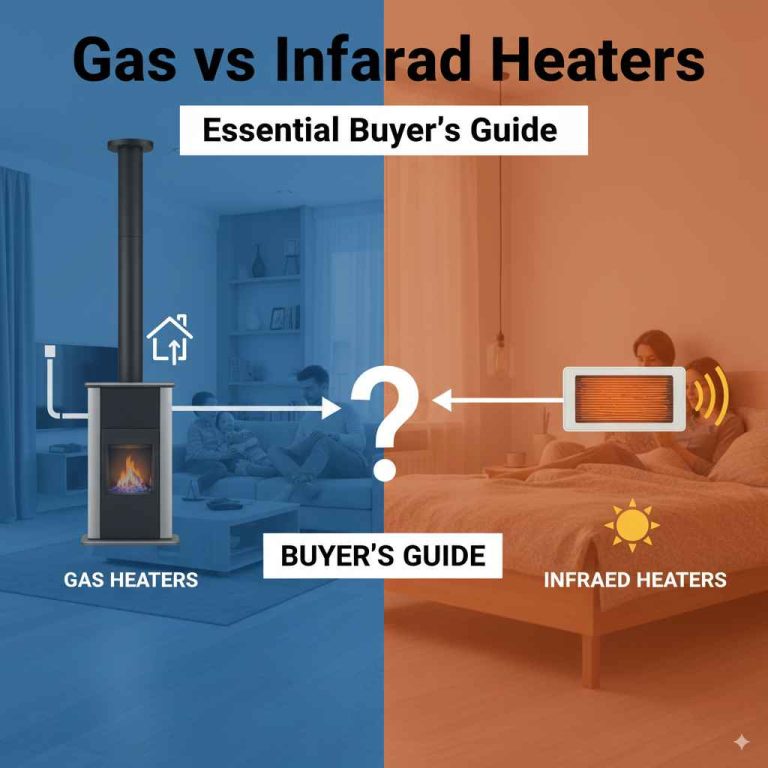
Low Intensity vs High Intensity Infrared Heaters Explained
Low-intensity infrared heaters provide gentle, even warmth perfect for garages and workshops, while high-intensity models deliver quick, powerful spot heating for larger or drafty spaces—choose based on your needs for comfort and efficiency.
For portable or electric heater comparisons, Infrared Heaters Vs Traditional Heaters Who was the Winner: Showdown gives readers another helpful angle before buying or using one.
For portable or electric heater comparisons, Ceramic vs Infrared Space Heater: Showdown gives readers another helpful angle before buying or using one.
For portable or electric heater comparisons, Infrared Heaters Vs Others: Heat Efficiency Showdown gives readers another helpful angle before buying or using one.
Winter can make your garage or workshop feel chilly and uninviting. Many homeowners struggle to find the right heater that warms up the space quickly without wasting energy or creating safety worries. The good news is infrared heaters offer a smart solution. They heat people and objects directly, just like the sun, for cozy comfort that feels natural.
But not all infrared heaters are the same. Low-intensity and high-intensity types work differently and suit different needs. Don’t worry—I’ll guide you step by step to understand the differences. You’ll feel confident picking the best one for your home. Next, we’ll explore how these heaters work and compare them side by side.
How Infrared Heaters Work
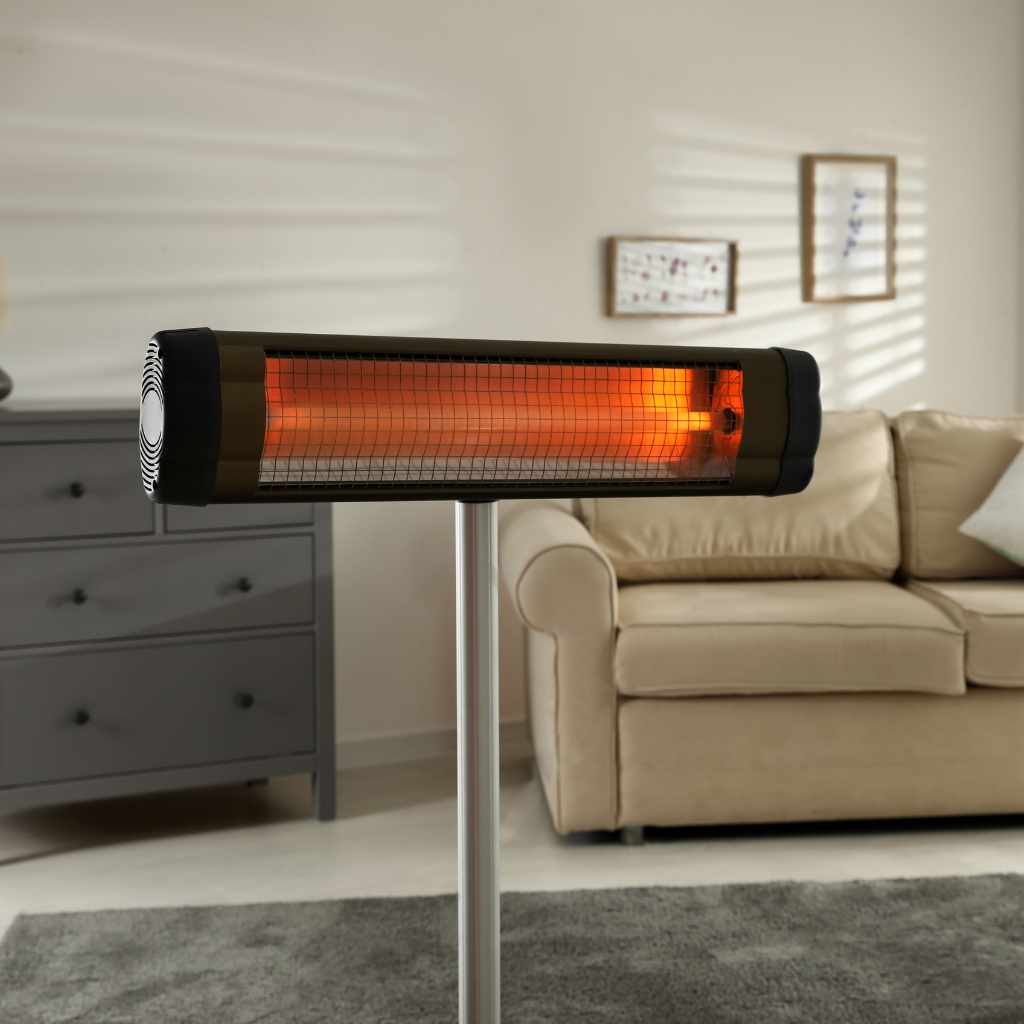
Infrared heaters warm you in a special way. They send out invisible rays that heat objects and people directly, not the air. This makes the warmth feel sunny and cozy right away.
Think of it like this: Traditional heaters blow hot air around the room. That air can escape through doors or drafts. Infrared heaters skip that step. The rays travel until they hit something solid, like your floor, tools, or you. Then, those things absorb the heat and stay warm longer.
This direct heating is safe and efficient. It helps reduce dampness in garages too. Many homeowners love how it creates a comfortable space without drying out the air.
Low-Intensity Infrared Heaters: Gentle and Even Warmth
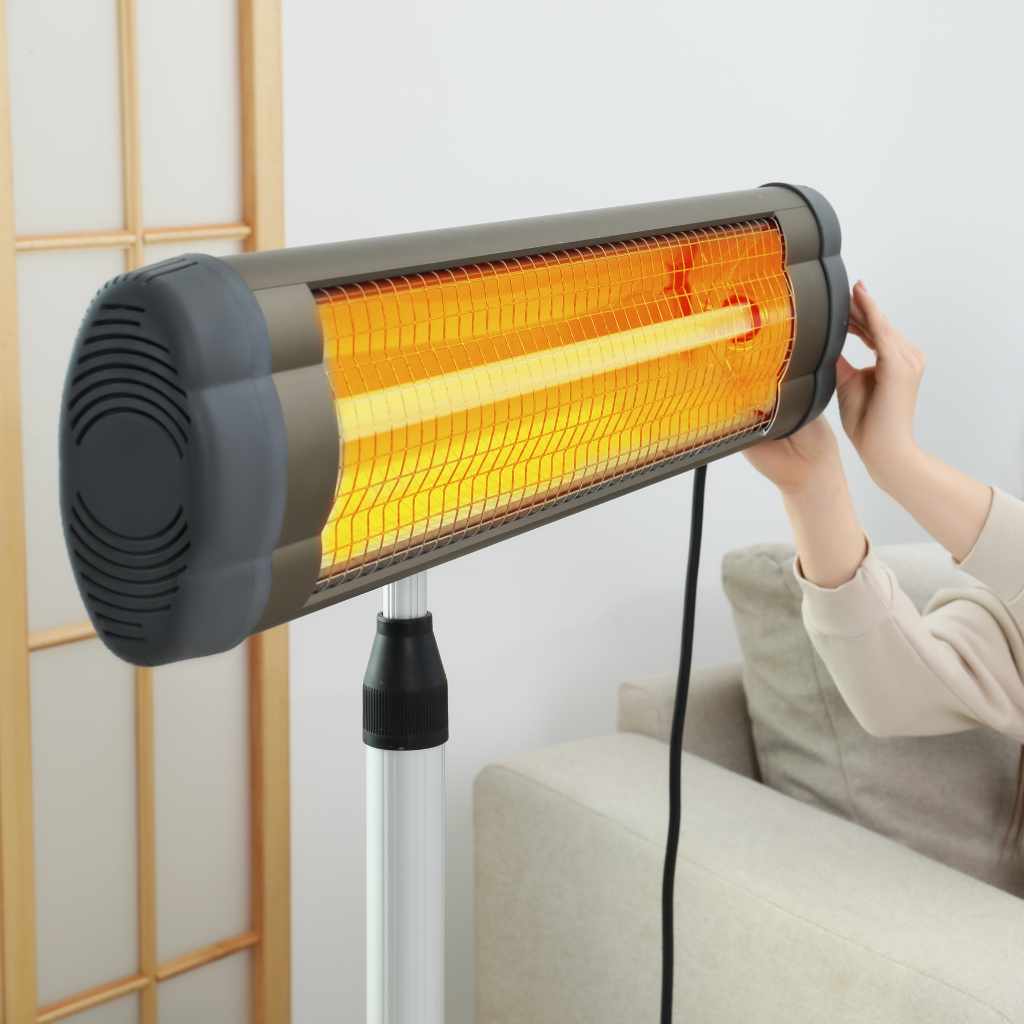
Low-intensity heaters are also called tube heaters. They use a burner to heat long tubes. The tubes glow at lower temperatures, around 900–1350°F. This creates soft, even infrared rays.
The flame stays inside the tube. Reflectors direct the heat downward. These heaters spread warmth over a wide area. They take a few minutes to warm up fully but provide steady comfort.
They’re great for whole-room heating in insulated spaces. Many models can vent exhaust outside for cleaner air indoors.
Pros of Low-Intensity Infrared Heaters
- Even heat distribution—no hot or cold spots
- Quiet operation with no fans needed
- Energy-efficient for larger areas
- Safer surface temperatures
- Can be vented for better indoor air quality
- Good for residential garages and workshops
Cons of Low-Intensity Infrared Heaters
- Takes longer to feel the full warmth
- Best in spaces with decent insulation
- Higher upfront cost for installation
High-Intensity Infrared Heaters: Quick and Powerful Spot Heating
High-intensity heaters are often called ceramic or luminous heaters. They have an open flame that heats a ceramic surface to over 1350°F. This makes a bright glow and strong infrared rays.
The heat comes out fast and intense. It’s perfect for targeting specific areas, like a workbench or loading dock. These heaters act like spotlights for warmth.
They usually run unvented, so all heat stays in the room. But you need good ventilation to handle any fumes.
Pros of High-Intensity Infrared Heaters
- Instant heat—you feel it right away
- Great for drafty or high-ceiling spaces
- Effective spot heating for work areas
- Compact and easy to direct
- 100% of energy turns into heat in the space
Cons of High-Intensity Infrared Heaters
- Brighter glow and higher surface heat
- May need extra ventilation
- More suited for commercial or spot use
- Can feel too intense up close
Key Differences: Low vs High Intensity Infrared Heaters
Here’s a clear comparison to help you decide:
| Feature | Low-Intensity (Tube Heaters) | High-Intensity (Ceramic/Luminous) |
|---|---|---|
| Operating Temperature | Lower (900–1350°F) | Higher (1350°F+) |
| Heat Distribution | Even, wide coverage | Intense, focused spot heating |
| Warm-Up Time | Slower (10–15 minutes) | Instant |
| Venting Options | Often vented | Usually unvented |
| Best For | Garages, workshops, whole areas | Drafty spots, high ceilings, quick heat |
| Safety Note | Cooler surfaces | Hotter, needs clearance |
| Efficiency | High for zoned or total heating | 100% heat retention (unvented) |
For more details on safe installation, check resources from the U.S. Department of Energy on radiant heating: energy.gov/energysaver/radiant-heating.
Which One Is Best for Your Home?
- Think about your space: Insulated garage for projects? Go low-intensity for even warmth.
- Need quick heat? Working in a cold spot? High-intensity gives fast comfort.
- Consider size: Larger areas benefit from low-intensity tubes.
- Safety first: Families or pets? Low-intensity has cooler surfaces.
- Energy goals: Both save money compared to forced-air, but match to your use.
Many homeowners choose low-intensity for home garages. They’re reliable and create a cozy feel all winter.
Energy Efficiency and Cost Savings
Infrared heaters shine here. They heat objects directly, so less energy wastes on empty air. You can lower your main thermostat and use infrared for zones you occupy.
Studies show radiant systems like these can cut heating costs. Pair with good insulation for best results. Always follow manufacturer guidelines for safe, efficient use.
| Aspect | Low-Intensity | High-Intensity | Traditional Forced-Air |
|---|---|---|---|
| Energy Use for Same Comfort | Lower | Similar or lower | Higher |
| Heat Loss in Drafts | Minimal | Minimal | High |
| Typical Efficiency | 75–85% (vented) | Near 100% (unvented) | 80–90% |
Learn more about efficiency from ASHRAE standards or reputable sites like ashrae.org.
Safety Tips for Infrared Heaters
Both types are safe when used right. Keep clearances as recommended. Never block reflectors. Install carbon monoxide detectors if gas-fired.
- Mount securely
- Keep away from flammables
- Supervise around kids and pets
- Regular checks for damage
Gas models need proper venting or room airflow. Electric versions avoid fumes altogether.
Conclusion
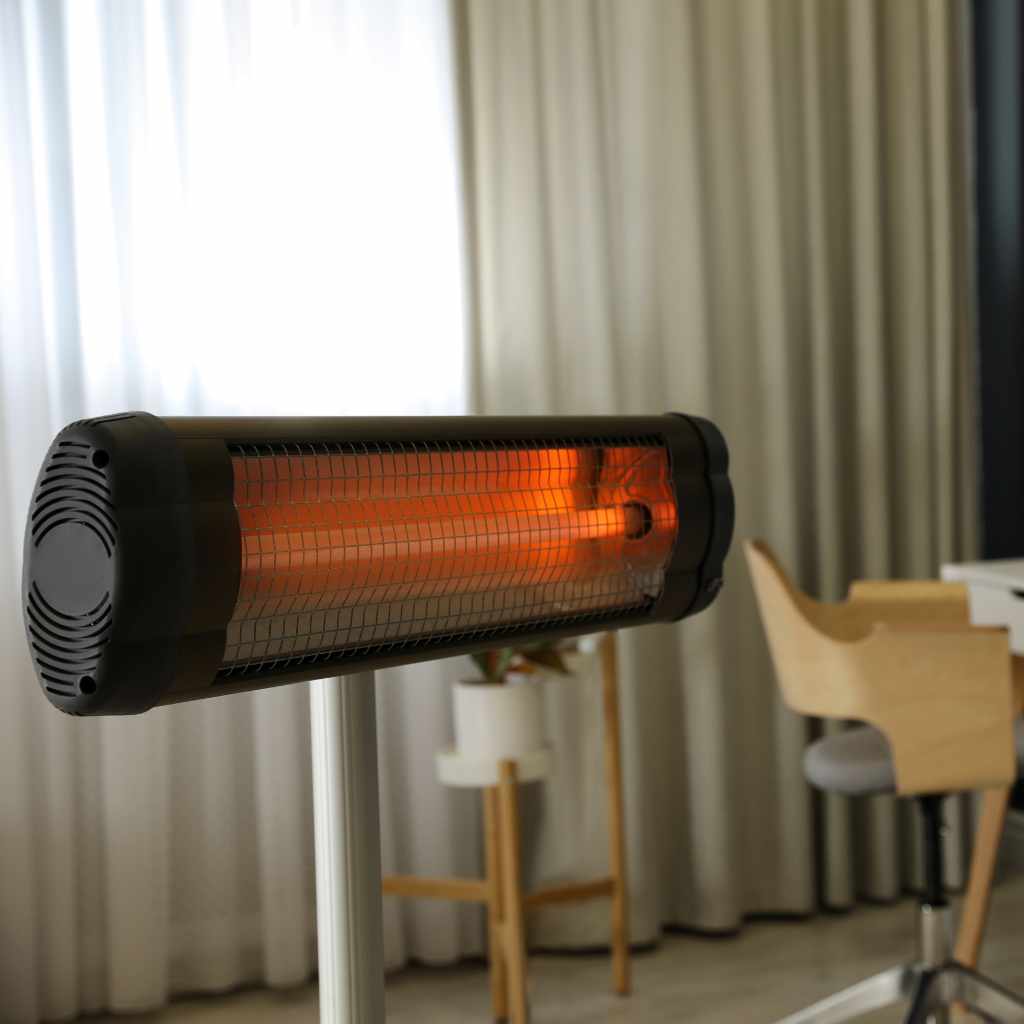
Understanding low-intensity versus high-intensity infrared heaters helps you create a warmer, more comfortable home. Low-intensity offers gentle, even heat ideal for everyday garage or workshop use. High-intensity provides quick, powerful warmth for tougher spots.
Whichever you choose, infrared heating brings efficient, cozy results. You’ll enjoy lower bills, less dampness, and a space that feels inviting all winter. Start small if needed—many homeowners add one and love the difference. Your perfect warm haven is within reach!
Frequently Asked Questions
What is the main difference between low and high intensity infrared heaters?
Low-intensity heaters provide even, gentle warmth over larger areas with cooler tubes. High-intensity deliver fast, strong heat focused on spots with brighter, hotter ceramic surfaces.
Are low-intensity infrared heaters safe for home garages?
Yes! They’re popular for residential use. Many vent outside for fresh air, and surfaces stay cooler than high-intensity models.
Which uses less energy: low or high intensity?
Both are efficient, but it depends on use. Low-intensity excels for whole spaces. High-intensity keeps all heat in (unvented) but suits targeted heating best.
Can high-intensity heaters be used indoors?
Yes, with good ventilation. They’re common in warehouses but work for home spots too—just follow safety rules.
Do infrared heaters reduce moisture in garages?
Absolutely. By warming objects directly, they help dry out dampness and prevent condensation on cars or tools.
How long do these heaters last?
Quality models last 10–20 years or more with simple care. Tubes or ceramics are durable.
Is professional installation needed?
For gas models, yes—it’s safest. Electric ones are often easier, but check local codes.