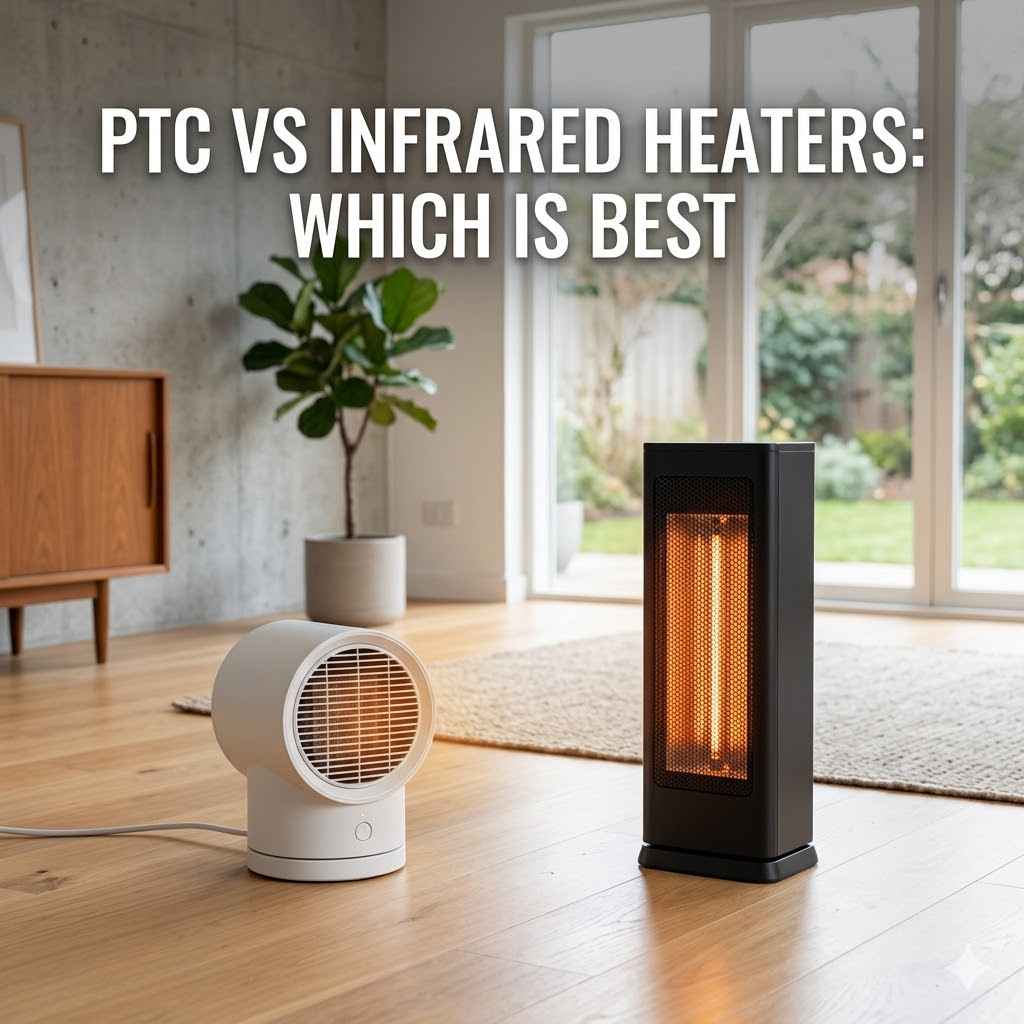
PTC vs Infrared Heaters: Which is Best
Choosing the right heater for your home can feel tricky, especially when you see different types like PTC and infrared. It’s easy to wonder about the differences and how they might work best for you. Don’t worry, figuring out PTC vs Infrared Heaters: Which is Best for Your Home? doesn’t have to be hard.
For portable or electric heater comparisons, Ceramic vs Infrared Space Heater: Showdown gives readers another helpful angle before buying or using one.
For portable or electric heater comparisons, Infrared Heaters Vs Others: Heat Efficiency Showdown gives readers another helpful angle before buying or using one.
For vehicle heating questions, Carbon Fiber vs Ceramic Infrared Heaters: Which Is ? gives readers a related follow-up to check.
We will make it simple to understand which heater fits your needs. Let’s find out together what makes each one special and how they can keep you warm.
Understanding PTC Heaters
PTC heaters are a popular choice for many homes because they are very efficient and safe. They use Positive Temperature Coefficient material, which means their resistance to electricity goes up as they get hotter. This clever design prevents them from overheating, making them a safer option for use around children and pets.
They are great for warming up a room quickly. They work by heating the air around them, circulating warm air throughout the space.
How PTC Heaters Work
PTC stands for Positive Temperature Coefficient. This is a special material that has a unique electrical property. When electricity flows through it, the material heats up.
As it gets hotter, its electrical resistance increases. This means less electricity can flow through it. This self-regulating feature is what makes PTC heaters so safe.
They automatically stop getting hotter once they reach a certain temperature, preventing them from becoming too hot and causing damage or fire hazards.
The heating element in a PTC heater is made from this special ceramic material. When you turn the heater on, electricity passes through the PTC element. This causes the element to heat up.
As the temperature rises, the PTC material’s resistance also rises. This natural feedback loop means the heater will not overheat. It’s a very reliable and safe way to generate heat.
The heat generated by the PTC element is then transferred to the surrounding air.
This warm air is then circulated into the room, typically using a fan. The fan helps to distribute the heat evenly across the space. Because the PTC element is self-regulating, it can maintain a consistent temperature.
This makes PTC heaters good at keeping a room at a comfortable level of warmth without large fluctuations. The process is quiet and efficient for general room heating.
Key Features of PTC Heaters
- Self-Regulation for Safety This is the most important feature of PTC heaters. Because their resistance increases with temperature, they naturally limit their own heat output. This makes them much less likely to overheat compared to other types of heaters. This feature is very important for peace of mind, especially if you have children or pets in your home. It also reduces the risk of fire.
- Fast Heating Capability PTC heaters are known for their ability to heat up a space quickly. Once turned on, they start producing heat almost immediately. The combination of the PTC element and often a fan means that warm air is circulated throughout the room in a short amount of time. This makes them ideal for quickly warming up a cold room.
- Energy Efficiency While they heat up fast, PTC heaters are also quite energy efficient. Their self-regulating nature means they don’t waste energy by overheating. They only produce the amount of heat needed to reach their set temperature. This can lead to lower electricity bills compared to less efficient heating methods. They adjust their power draw as they warm up.
- Compact and Portable Designs Many PTC heaters are designed to be small and lightweight. This makes them easy to move from room to room as needed. Their compact size also means they don’t take up a lot of space. They are a practical solution for supplemental heating in various areas of the house.
PTC Heater Examples
Imagine you’ve just come home on a chilly evening. You can turn on a PTC heater in your living room, and within minutes, the room starts to feel noticeably warmer. The fan circulates the heat, so you don’t have to wait long to feel comfortable.
This quick warming is a common experience for users.
Another example is using a PTC heater in a home office. If the main heating system doesn’t quite reach your workspace, a small PTC heater placed under your desk can provide localized warmth. Its safety features mean you can focus on your work without worrying about it.
The self-regulating aspect ensures it won’t get dangerously hot even if enclosed.
Consider a family with young children. Having a PTC heater in a playroom provides a safe way to keep the space warm during playtime. The absence of exposed heating elements and the automatic shut-off feature give parents peace of mind.
It ensures the children can play comfortably without the risk of burns or other accidents.
Exploring Infrared Heaters
Infrared heaters work differently from PTC heaters. Instead of heating the air, they directly heat objects and people in their path. Think of how the sun feels warm on your skin even on a cool day; that’s similar to how infrared heaters work.
They emit radiant heat that travels in waves. This radiant heat is absorbed by surfaces, warming them up. This makes them feel instantly warm when you are in their direct line of sight.
They are often praised for their efficient use of energy when targeting specific areas.
How Infrared Heaters Work
Infrared heaters produce heat in the form of infrared radiation. This is a type of electromagnetic wave that we feel as heat. Unlike convection heaters, which heat the air, infrared heaters pass through the air without warming it significantly.
The radiation directly warms surfaces it hits, such as furniture, walls, and people. This is why you feel warm almost instantly when you stand in front of an infrared heater.
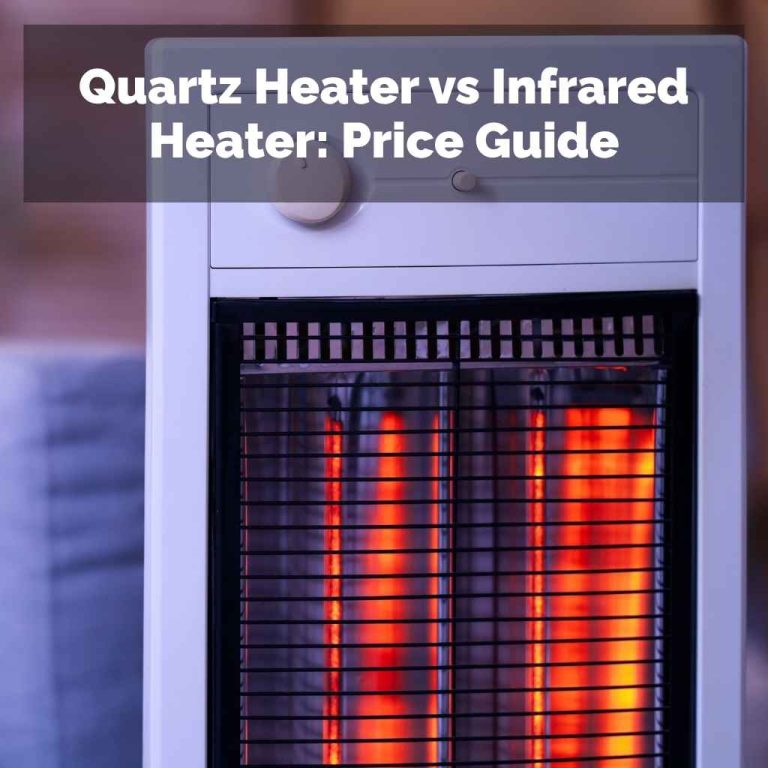
The heating element inside an infrared heater, often a quartz tube or ceramic element, gets very hot. This hot element emits infrared rays. These rays then travel outwards in a straight line.
When these rays encounter an object or person, they are absorbed. This absorption process converts the radiant energy into thermal energy, which we perceive as heat. It’s like a targeted warmth.
Because they don’t rely on heating the air, infrared heaters can be very efficient for warming specific areas or people. You can direct the heat exactly where you need it. This is different from a convection heater that warms the entire room, even areas you aren’t using.
This targeted heating can save energy by not wasting heat on empty spaces. This makes them a good choice for spot heating or for rooms where you spend limited time.
Key Features of Infrared Heaters
- Direct Radiant Heat This is the core function of infrared heaters. They emit waves that directly warm people and objects. This means you feel warm almost immediately upon entering the heated zone. This is a key difference from air-heating systems that require time to circulate warm air. The feeling of warmth is more direct and personal.
- Zone Heating Capability Because they heat objects directly, infrared heaters are excellent for zone heating. You can place a heater in a specific area, like a seating area or a workstation, and only that area will be warmed. This is very efficient if you only need to heat a small part of a larger space. It avoids heating unoccupied areas, saving energy.
- Quiet Operation Many infrared heaters operate very quietly because they don’t typically use fans to circulate heat. The heating process itself is silent. This makes them ideal for use in quiet environments like bedrooms, offices, or living rooms where noise can be disruptive. The absence of fan noise is a major advantage for some users.
- No Air Circulation Issues Since they don’t rely on air circulation, infrared heaters don’t stir up dust, allergens, or odors. This can be beneficial for people with allergies or respiratory sensitivities. The air quality in the room remains more stable. This feature contributes to a more comfortable and healthier indoor environment for sensitive individuals.
Infrared Heater Examples
Imagine you have a patio and want to enjoy it on a cool evening. An outdoor infrared heater can be mounted to warm you and your guests directly, making the outdoor space comfortable. The heat isn’t blown away by the breeze, so you stay warm and cozy.
It extends the usability of your outdoor areas.
In a large living room, you might have a favorite reading nook. Instead of heating the entire large room, you can use an infrared heater pointed at your chair. This provides instant warmth precisely where you are sitting.
This targeted approach saves energy and is very effective for personal comfort. You get warmth without heating unused space.
Consider a workshop or garage. Infrared heaters are often used in these spaces because they can effectively heat people and tools even in large, open areas where air heating would be inefficient. The direct warmth makes working in a cooler environment much more bearable, allowing for projects to continue regardless of outside temperature.
It provides a comfortable working environment.
PTC vs Infrared Heaters Which is Best for Your Home
When deciding between PTC vs Infrared Heaters: Which is Best for Your Home?, the choice really depends on your specific needs and how you plan to use the heater. Both types have their strengths. PTC heaters are excellent for quickly warming up an entire room and offer enhanced safety features, making them a good all-around choice for general home heating.
Infrared heaters excel at providing instant, targeted warmth, making them ideal for spot heating or for spaces where you want to feel warm immediately without heating the entire area.
Room Warming Efficiency
PTC heaters are generally better at warming up an entire room. They work by heating the air, which is then circulated by a fan. This process gradually increases the temperature of the whole space.
They are designed for whole-room heating and are effective for making a space feel cozy and comfortable throughout. Their self-regulating feature ensures they can maintain a set temperature efficiently.
The effectiveness of a PTC heater in a room depends on its wattage and the size of the room. A higher wattage heater will warm a larger space more quickly. The fan plays a crucial role in distributing the warm air evenly, preventing cold spots.
For continuous, comfortable warmth throughout a bedroom or living area, a PTC heater is a strong contender. Their design focuses on ambient heating.
Infrared heaters, on the other hand, are not as effective for warming an entire room. They heat objects directly, so if no objects or people are in the path of the infrared rays, the air will remain cool. While they can indirectly warm a room over time as objects absorb heat, this is not their primary function.
Their strength lies in providing immediate warmth to specific areas.
If your goal is to quickly make a whole room feel warm and inviting, a PTC heater is likely the better choice. They are designed for this purpose and excel at creating a consistent, comfortable temperature throughout the space. The ease of use and broad heating capability make them a popular option for general home comfort.
Targeted Heating vs Whole Room Heating
The main difference lies in how they deliver heat. PTC heaters focus on heating the air in a room. They are like a miniature furnace that blows warm air.
This is great for making the whole space comfortable. It’s a more general approach to heating.
Infrared heaters focus on warming people and objects directly. Imagine standing in the sun; you feel warm even if the air is cool. That’s radiant heat.
This is perfect for heating just you or a specific spot where you are sitting or working. It’s a more specific, personal way to get warm.
So, if you need to warm up a chilly basement, a PTC heater would be good. It will heat the air in that whole space. If you just want to feel warm while you read in a big, drafty room, an infrared heater aimed at your chair is more efficient.
It heats you, not the empty space around you.
Safety and Efficiency Considerations
When it comes to safety, PTC heaters have a significant edge due to their self-regulating PTC element. This feature prevents them from overheating, which greatly reduces fire risks. They are a worry-free choice for homes with children and pets.
Their design inherently includes safety mechanisms.
Infrared heaters are also generally safe when used correctly. However, their heating elements can get very hot to the touch. This means you need to be more careful about placement, especially in homes with curious children or pets.
Always follow manufacturer guidelines for safe operation and placement to avoid burns or other hazards. They require more mindful usage.
In terms of energy efficiency, both can be efficient, but in different ways. PTC heaters are efficient for warming a whole room because they don’t waste energy by overheating and their self-regulation helps maintain a steady temperature. They use energy effectively to heat the air.
Infrared heaters are highly efficient for targeted heating because they don’t waste energy heating empty air. If you only need to warm yourself or a small area for a short period, an infrared heater will use less electricity than a PTC heater trying to warm the entire room. Their efficiency comes from their directed heat output.
Cost and Maintenance
The initial cost of PTC heaters can vary widely, but many affordable options are available for basic room heaters. They often have a longer lifespan due to their robust design and self-regulating heating elements. Maintenance is usually minimal, often just requiring dusting the vents.
Infrared heaters can also range in price. Some high-end models can be more expensive. However, their simplicity of operation, with fewer moving parts (often no fan), can mean less maintenance over time.
Cleaning the reflective surfaces and ensuring the element is free of debris is usually all that’s needed.
Both types are generally low maintenance. The primary differences in cost will often come down to brand, features, and the specific technology used within each category. For long-term, reliable heating, both can be good investments.
Their operational costs will depend more on usage patterns than inherent design flaws.
Environmental Impact and Air Quality
When considering environmental impact and air quality, both PTC and infrared heaters can be good choices, especially when replacing older, less efficient heating systems. PTC heaters, by efficiently warming air, reduce the need for constant reheating, thereby saving energy. Their lack of reliance on fossil fuels also makes them a cleaner option compared to some traditional heating methods.
Infrared heaters are excellent for air quality because they don’t circulate air. This means they don’t kick up dust, pollen, or other allergens that can be present in a room. For individuals with allergies or respiratory issues, this can lead to a more comfortable and healthier living environment.
They heat without disturbing the air.
Both types, when powered by electricity from renewable sources, offer a cleaner way to heat your home. The key is to use them efficiently. For example, using an infrared heater to warm yourself for a short time is more eco-friendly than heating an entire room with any type of heater for the same duration.
Mindful usage is key for both.
| Feature | PTC Heaters | Infrared Heaters |
|---|---|---|
| Primary Function | Warm air (convection) | Direct radiant heat |
| Best For | Whole room heating | Targeted/zone heating |
| Feeling of Warmth | Gradual, ambient | Instant, direct |
| Safety (Self-regulation) | Very High (self-regulating) | High (needs careful placement) |
| Air Quality Impact | Can circulate dust if fan is used | Does not circulate air; good for allergies |
| Noise Level | Can be audible due to fan | Very quiet (often no fan) |
Making Your Choice
Deciding between PTC and infrared heaters comes down to understanding their strengths and how they fit your lifestyle. If you’re looking to warm up a bedroom, a small office, or any space that needs consistent, even warmth, a PTC heater is likely your best bet. They are safe, efficient for whole-room heating, and provide that cozy feeling without fuss.
Their ability to self-regulate adds an extra layer of security, making them ideal for families.
On the other hand, if you need quick, direct warmth for a specific spot, like your favorite armchair or a workspace, an infrared heater is the superior choice. They provide instant heat without wasting energy on unoccupied areas. This makes them incredibly efficient for personal comfort and for use in larger or draftier spaces where heating the entire volume of air would be impractical.
They offer a modern, targeted approach to staying warm.
Consider the room size, how you use the space, and safety needs. For general comfort and peace of mind, PTC heaters shine. For focused warmth and efficiency in specific zones, infrared heaters lead the way.
Both offer effective ways to supplement your home’s heating, helping you stay comfortable while managing energy use. Your choice depends on prioritizing ambient warmth versus direct, immediate heat.
Frequently Asked Questions
Question: Are PTC heaters safe for children and pets?
Answer: Yes, PTC heaters are generally very safe for children and pets due to their self-regulating heating elements that prevent overheating. This makes them a popular choice for families.
Question: Do infrared heaters heat the air?
Answer: Infrared heaters primarily heat objects and people directly with radiant waves, rather than heating the air like convection heaters. They pass through the air without significantly warming it.
Question: Which type of heater is more energy-efficient for a large room?
Answer: For warming a large room evenly, a PTC heater is generally more energy-efficient because it is designed to heat the entire air volume. Infrared heaters are more efficient for targeted heating in specific zones.
Question: Can I use an infrared heater to warm my whole house?
Answer: Infrared heaters are not typically designed for whole-house heating. They are best suited for zone heating or personal warmth in a specific area.
Question: Which heater provides heat faster?
Answer: Infrared heaters provide instant heat because they directly warm objects and people. PTC heaters take a little longer as they need to heat the air first and circulate it.
Summary
Choosing between PTC and infrared heaters hinges on your needs. PTC heaters excel at warming entire rooms safely and efficiently, perfect for general comfort. Infrared heaters offer instant, targeted warmth, ideal for specific spots and saving energy.
Both provide effective heating solutions for your home, offering different benefits for your comfort.