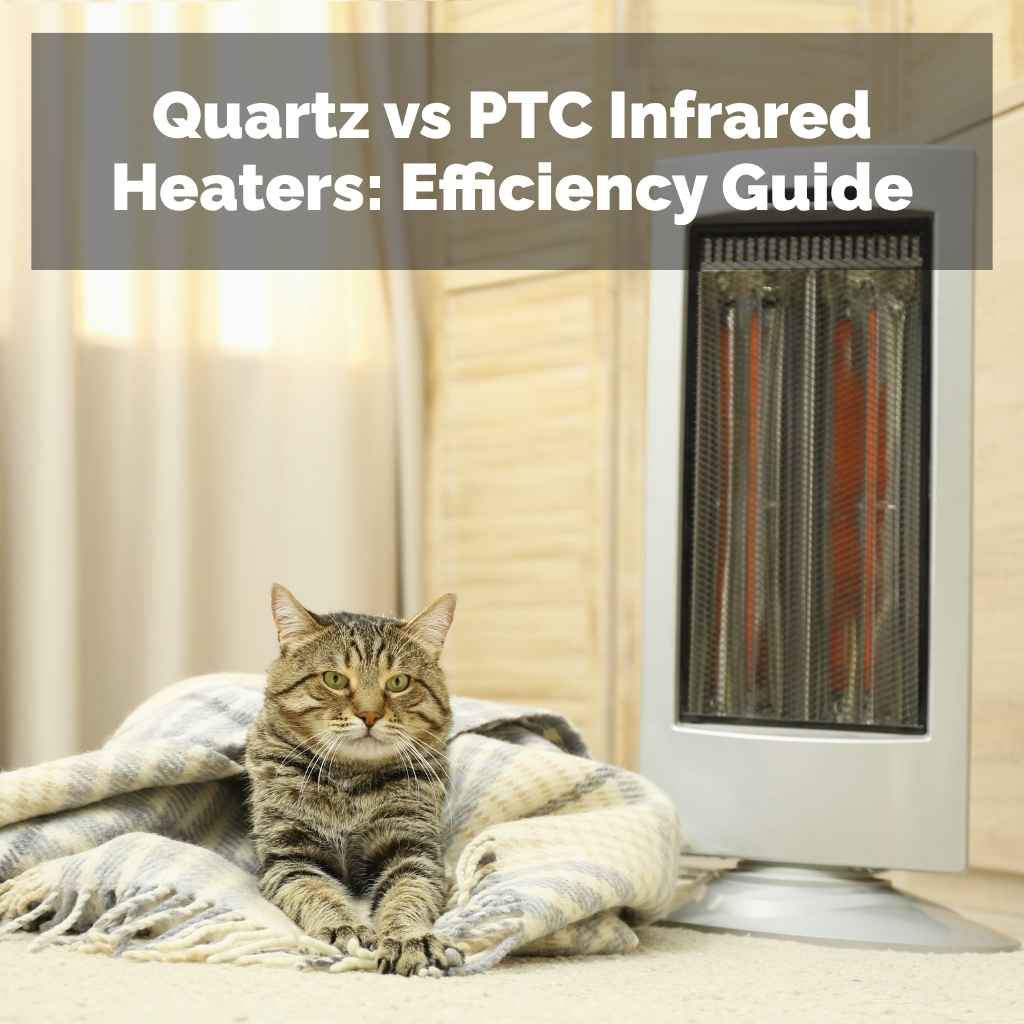
Quartz vs PTC Infrared Heaters: Efficiency Guide
Choosing the right heater can feel tricky, especially when you hear terms like Quartz and PTC infrared. This is where Quartz vs PTC Infrared Heaters: Expert Efficiency Review comes in. Many folks find this confusing at first glance.
If cost, wattage, or efficiency matters, Energy Efficiency Ceramic Heaters vs Oil Filled adds a useful comparison before choosing a heater.
For portable or electric heater comparisons, Infrared Heaters Vs Radiant: Comfort and Efficiency Showdown gives readers another helpful angle before buying or using one.
For portable or electric heater comparisons, Infrared Heaters Vs Others: Heat Efficiency Showdown gives readers another helpful angle before buying or using one.
Don’t worry, though! We’ll break it down simply. We will look at what makes each type work and how well they heat things up.
Let’s get started so you can make a smart choice for your home.
Understanding Infrared Heater Technology
Infrared heaters work by sending out waves that heat objects directly, not the air around them. Think of how the sun feels warm on your skin. This is similar to how infrared heaters function.
They create a cozy warmth that you feel almost instantly. This direct heating method makes them very efficient for targeted warming. They can heat a person or a specific spot in a room quickly.
Unlike traditional heaters that warm the air, infrared heaters transfer energy through electromagnetic radiation. This radiation is in the infrared spectrum, which is invisible to the human eye. When these waves hit an object, their energy is absorbed and converted into heat.
This makes the object warm to the touch. This is why you feel the warmth right away, even if the air temperature hasn’t risen much.
How Infrared Heaters Work
The core of an infrared heater is its emitter. This is the part that generates the infrared waves. Different types of emitters produce different wavelengths of infrared radiation.
These wavelengths affect how the heat is perceived and how it interacts with surfaces. For instance, shorter wavelengths might feel more intense. Longer wavelengths might feel gentler.
The design of the emitter and the reflector behind it plays a big role in directing the heat. A good reflector ensures that most of the infrared energy is sent out into the room where it’s needed. Poorly designed reflectors can waste energy by sending heat in unwanted directions.
This efficiency in directing heat is a key factor in an infrared heater’s performance.
-
Direct Heat Transfer
This means you feel warm quickly. Infrared waves go straight to you and objects in their path. This is unlike convection heaters that heat the air first, which then heats you.
This directness saves energy because you don’t have to wait for a whole room to get warm. It’s great for warming up a person sitting in a cold spot.
-
Zone Heating Capability
Infrared heaters are excellent for heating specific areas. You can point the heater at a couch or a desk. The area you are in becomes warm and comfortable.
This allows you to avoid heating unused parts of a room or house. This targeted approach can lead to significant energy savings. It’s like using a flashlight to shine light only where you need it.
-
Minimal Air Movement
Because infrared heaters don’t rely on air circulation, they don’t stir up dust or allergens. This is a big plus for people with allergies or respiratory issues. It also means the heat doesn’t get blown away by drafts.
The warmth stays where it’s directed. This also helps maintain a more stable and comfortable environment.
Quartz Infrared Heaters Explained
Quartz infrared heaters use quartz tubes as their heating element. These tubes are made of a glass-like material that can withstand high temperatures. Inside the quartz tube is a resistance wire, often made of nichrome.
When electricity flows through this wire, it heats up and emits infrared radiation. The quartz tube then efficiently transfers this heat outwards.
Quartz is favored because it is clear and allows infrared rays to pass through easily. It also has good thermal shock resistance, meaning it can handle rapid temperature changes without cracking. The bright glow you see from some quartz heaters is a sign that they are emitting a lot of heat.
This visible glow is part of the infrared spectrum, though some of it is in the visible light range too.
How Quartz Elements Heat
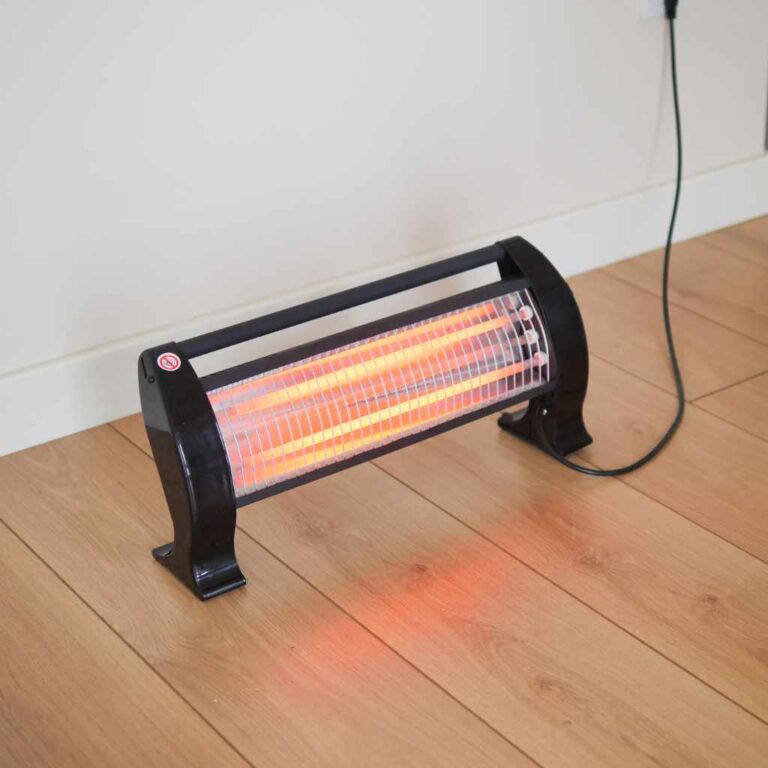
The resistance wire inside the quartz tube gets very hot, often glowing red or orange. This intense heat is then radiated outwards. The quartz tube itself acts as a protective casing and a way to focus the heat.
It’s a simple and effective design. The radiant heat is the primary way these heaters warm spaces and objects.
The temperature of the resistance wire determines the type and intensity of the infrared radiation emitted. Higher temperatures lead to shorter wavelengths and a more intense, direct heat. This can be felt very quickly.
The quartz tube helps contain this heat and direct it in a specific direction.
Pros of Quartz Heaters
-
Rapid Heating
Quartz heaters are known for their speed. They start to emit heat almost immediately after being turned on. This is because the resistance wire heats up very quickly.
You feel the warmth very fast. This makes them ideal for quick spot heating or for rooms that are used only occasionally.
-
Visible Glow
The radiant glow can provide a visually comforting warmth. Some people enjoy the soft red light produced. This visual cue reassures users that the heater is working effectively.
It can also add a cozy ambiance to a room.
-
Lower Cost to Produce
Generally, quartz heaters are less expensive to manufacture. This often translates to a lower purchase price for consumers. They are a good budget-friendly option for those needing supplemental heat.
The materials used are common and widely available.
Cons of Quartz Heaters
-
Shorter Lifespan
The resistance wire inside quartz tubes can degrade over time. This can lead to a shorter overall lifespan for quartz heaters compared to other types. Eventually, the wire may break or become less efficient.
This means replacement might be needed sooner.
-
Can Be Intense Heat
The direct, strong heat can sometimes feel too intense if you are too close. The visible glow can also be too bright for some people, especially in bedrooms. It’s important to use them at a safe distance.
-
Fragile Tubes
The quartz tubes, while durable to heat, can be fragile. They might break if the heater is knocked over or dropped. Care must be taken during installation and use to prevent damage.
This fragility adds a layer of caution to their handling.
Quartz Heater Applications
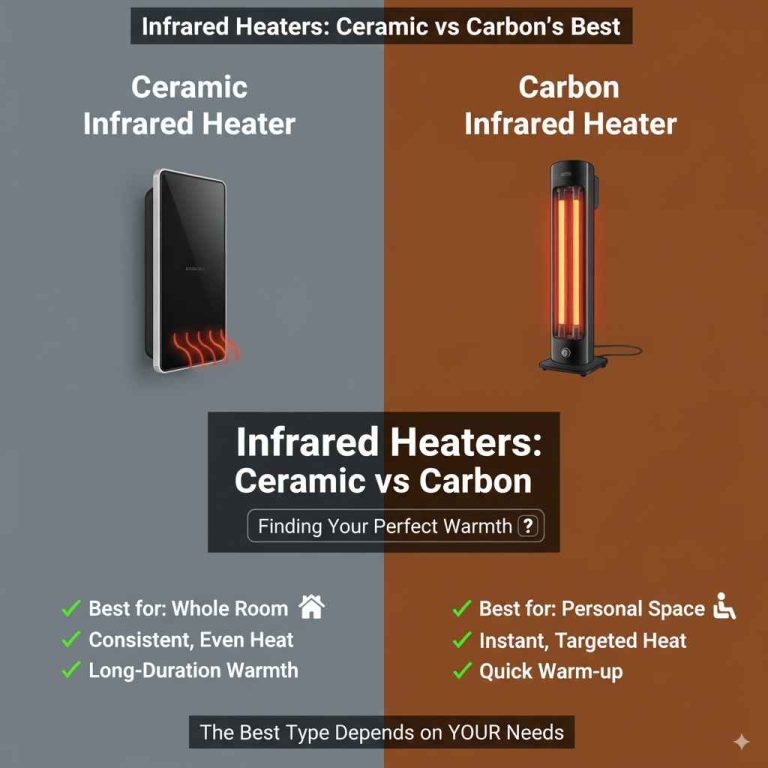
Quartz heaters are often used for personal heating. They are great for warming a specific spot at a desk or in front of a TV. They are also popular in workshops, garages, or covered patios where quick, direct heat is needed.
Their low cost makes them a popular choice for many households.
Some commercial applications also utilize quartz heaters. For instance, they might be used in outdoor restaurant seating areas to keep diners comfortable. They can also be found in some industrial settings for localized heating.
Their ability to provide instant warmth is a key advantage in these situations.
PTC Infrared Heaters Explained
PTC stands for Positive Temperature Coefficient. PTC infrared heaters use ceramic elements that have this special property. These ceramic elements are made of special semiconductor materials.
As the temperature of a PTC element increases, its electrical resistance also increases. This is a self-regulating feature.
This self-regulation means that a PTC element will heat up to a certain point and then stop increasing its temperature significantly. Its resistance goes up, which naturally limits the amount of electricity it can draw. This inherent safety feature is a major advantage of PTC technology.
It prevents overheating.
How PTC Elements Heat
PTC elements generate heat through electrical resistance, similar to quartz heaters. However, their composition is different. They often contain additives that create a network of hot spots.
As these hot spots heat up, their resistance increases, which in turn limits the current flow and thus the heat output.
The heat generated by PTC elements is typically less intense and more evenly distributed than that from a quartz element. They don’t usually produce a bright visible glow. Instead, they provide a steady, consistent warmth.
This makes them very comfortable for general room heating.
Pros of PTC Heaters
-
Self-Regulating and Safe
The biggest advantage is their safety. Because the resistance increases with temperature, PTC elements are much less likely to overheat or cause fires. They automatically regulate their heat output.
This makes them a very safe choice, especially for homes with children or pets.
-
Longer Lifespan
PTC ceramic elements are generally more durable and have a longer lifespan than the resistance wires in quartz heaters. They are less prone to wear and tear. This means a PTC heater can provide reliable warmth for many years.
-
Even Heat Distribution
PTC heaters tend to provide a more consistent and even heat. They are excellent for warming up a whole room gently rather than creating intense hot spots. This creates a comfortable and stable temperature.
-
Energy Efficient
While both types are efficient, PTC elements can be very energy efficient due to their self-regulating nature. They only draw the power needed to maintain a certain temperature. This prevents wasted energy.
Cons of PTC Heaters
-
Higher Initial Cost
PTC technology is generally more advanced and can be more expensive to produce. This often means that PTC infrared heaters have a higher purchase price upfront compared to quartz models. The advanced materials and manufacturing processes contribute to this.
-
Slower Initial Heat Up
While they provide consistent warmth, PTC heaters might take a little longer to reach their optimal operating temperature compared to the instant heat of some quartz heaters. The self-regulation process takes a moment to engage fully.
-
Less Intense Heat
For applications requiring very intense, immediate heat, PTC might not be the best choice. The heat is gentler and more spread out. If you need to feel warm instantly from a distance, a quartz heater might feel more effective.
PTC Heater Applications
PTC infrared heaters are commonly used for whole-room heating. They are a great choice for living rooms, bedrooms, or offices where consistent comfort is desired. Their safety features make them ideal for spaces where they might be left on for extended periods.
They are also often found in portable heaters designed for general household use. The even heat distribution helps maintain a comfortable ambient temperature. Their durability means they can withstand regular use.
Quartz vs PTC Infrared Heaters: Expert Efficiency Review
When comparing Quartz vs PTC Infrared Heaters: Expert Efficiency Review, efficiency is key. Both types are more efficient than many traditional heating methods because they heat objects directly. However, there are nuances to consider.
Quartz heaters offer instant heat, which can feel very efficient for spot heating. You turn it on, and you feel warm right away. This means less wasted energy heating air that might escape a room.
PTC heaters are efficient in a different way. Their self-regulating nature prevents them from consuming excessive energy once they reach a certain temperature. This steady, controlled heat output can be very efficient for maintaining a comfortable room temperature over longer periods.
They avoid the energy spikes and potential over-consumption that can occur with less regulated heaters.
Direct Comparison of Efficiency
To truly compare, we need to look at the specific use case. For quick, targeted warmth, like heating your hands under a desk, a quartz heater is highly efficient. You get the heat you need exactly when you need it.
For maintaining a consistent, comfortable environment in a living space, a PTC heater’s controlled output is often more efficient in the long run. It avoids overshooting the desired temperature.
Statistics show that infrared heaters, in general, can reduce energy consumption by up to 30% compared to forced-air systems for spot heating. A study by the National Renewable Energy Laboratory found that radiant heating systems, including infrared, can offer significant energy savings. The specific type, quartz or PTC, then refines this efficiency based on application.
| Feature | Quartz Infrared Heaters | PTC Infrared Heaters |
|---|---|---|
| Heating Speed | Very fast, instant heat | Moderate, gradual heat |
| Heat Type | Intense, direct radiant | Gentle, even radiant |
| Lifespan | Shorter | Longer |
| Safety | Good, but requires caution (fragile, intense heat) | Excellent, self-regulating |
| Initial Cost | Lower | Higher |
| Energy Use (Spot Heating) | Highly efficient | Efficient, but slower to reach full potential |
| Energy Use (Room Heating) | Can be efficient if controlled; risk of over-heating air | Very efficient due to self-regulation |
The efficiency of both quartz and PTC infrared heaters is high compared to traditional methods. Quartz excels at immediate, focused heat, making it efficient for short bursts of use. PTC, with its self-regulating ceramic elements, provides sustained, even warmth.
This makes it very efficient for maintaining a comfortable room temperature over extended periods, as it avoids overheating and unnecessary energy draw.
Factors Affecting Overall Efficiency
Several factors influence how efficient any infrared heater is in your home. The size of the heater relative to the space you need to heat is crucial. An undersized heater will struggle, while an oversized one might cycle on and off too much or be less controllable.
The insulation of your home also plays a massive role. A well-insulated room will retain heat better, meaning the heater doesn’t have to work as hard.
The thermostat and control settings on the heater itself are also important. Using a programmable thermostat can optimize energy use by only heating when and where it’s needed. Even the placement of the heater can affect perceived efficiency.
Directing the infrared waves towards where people will be sitting or working maximizes the feeling of warmth and comfort, making the heat feel more effective.
Real-World Efficiency Examples
- A small home office is kept at a comfortable temperature all day. The owner uses a 700-watt PTC infrared heater. It maintains a steady 70°F (21°C) with minimal fluctuation. Over a month, this heater uses approximately 150 kWh, costing around $20 in electricity. This is much cheaper than heating the entire house.
- A garage workshop is used for short periods on weekends. The user has a 1000-watt quartz infrared heater. They turn it on for 30 minutes before starting work. The intense heat quickly warms them up. The heater is only used for a total of 4 hours per weekend, costing about $5 per month. This is efficient for its specific use case.
Environmental Impact and Energy Savings
Both quartz and PTC infrared heaters can contribute to lower energy bills and a reduced carbon footprint, especially when used to supplement central heating. By heating specific zones, you can turn down your main thermostat, saving energy. Infrared technology is generally considered eco-friendly due to its efficient heat transfer.
Data from energy efficiency surveys suggests that zone heating with infrared can lead to annual savings of 10-20% on heating costs for many households. This is achieved by avoiding the need to heat unused rooms or the entire house when only a small area needs warmth. This smart approach to heating helps both your wallet and the environment.
Frequently Asked Questions
Question: Which type is better for a cold basement?
Answer: For a cold basement that you use frequently, a PTC infrared heater might be a better choice for consistent, even warmth. If you only need to quickly warm up a small spot for short periods, quartz could work.
Question: Can these heaters dry out the air?
Answer: Infrared heaters heat objects directly and don’t rely on moving air as much as forced-air systems. This generally means they are less likely to dry out the air significantly, providing a more comfortable environment.
Question: How far away should I be from an infrared heater?
Answer: For quartz heaters, it’s best to be at least 3-6 feet away due to the intense heat. PTC heaters can usually be closer, but always follow the manufacturer’s recommendations for safe operation.
Question: Do infrared heaters use a lot of electricity?
Answer: Compared to traditional heaters, infrared heaters are very energy efficient. Their wattage can vary, but their direct heating method means less energy is wasted warming air.
Question: Are quartz heaters safe for pets?
Answer: Quartz heaters can be safe if used properly with adequate distance. However, the intense heat and visible glow might be startling or concerning for some pets. PTC heaters are often considered safer due to their more gentle and self-regulating heat.
Conclusion
You now have a clearer picture of Quartz vs PTC Infrared Heaters: Expert Efficiency Review. Quartz offers fast, direct heat for specific needs, while PTC provides safe, steady warmth for whole rooms. Both are efficient infrared options.
Choose based on whether you need quick spot heat or consistent, gentle comfort for better energy use in your home.