

Are you dreaming of extending your swimming season and enjoying your pool even when the temperatures drop? If so, you’re probably considering installing a pool heater.
But with so many options available, how do you choose the right one for your needs? We’ll dive into the debate between pool heat pumps and gas heaters. We’ll break down the pros and cons of each, helping you make an informed decision that suits your lifestyle and budget.
By the end, you’ll know exactly which option will keep your pool warm and inviting, no matter the season. So, let’s get started on finding the perfect solution for your backyard oasis!
Types Of Pool Heaters
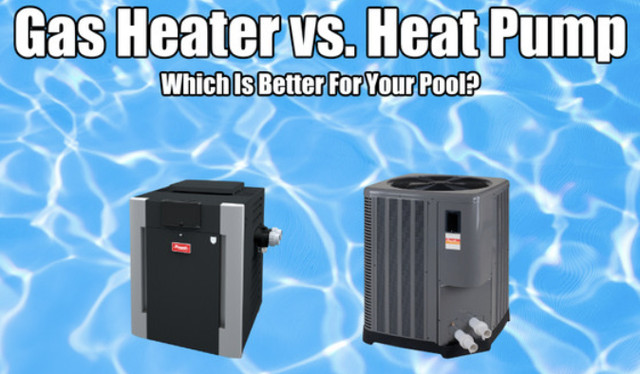
Heat pumps are a popular choice for pools. They use electricity and air to heat water. This makes them energy-efficient. Heat pumps work best in warmer climates. They need warm air to heat the pool. They may not work well in very cold weather. Heat pumps are eco-friendly. They produce less pollution than gas heaters. They also last a long time with good care.
Gas heaters use natural gas or propane to heat pools. They heat water quickly. This is good for cold climates. They can heat the pool even in winter. Gas heaters are best for short-term use. They are not as energy-efficient as heat pumps. They use more fuel and can cost more over time. But they are reliable and easy to use.

Credit: www.eztestpools.com
How Heat Pumps Work
Heat pumps move warmth from one place to another. They don’t make heat. They extract heat from air or water. Then, they transfer it to your pool. This process uses electricity. It is not like burning fuel. Heat pumps have a compressor. It squeezes gas to make it hotter. Then, the heat is given to the pool water.
Heat pumps work best when temperatures are above 45°F. They use less energy in mild weather. The COP (Coefficient of Performance) shows how efficient they are. Higher COP means better efficiency. Location matters too. Places with mild climates are better for heat pumps. Proper maintenance keeps them running smoothly.
How Gas Heaters Work
The burner system is the heart of a gas heater. It uses natural gas or propane. The gas flows into the burner, creating a flame. This flame heats a copper coil. Water from the pool passes through the coil. The water gets warm and returns to the pool. This is how the burner system works.
Temperature control is very simple. A thermostat helps manage the temperature. You can set it to your liking. If the water is too cold, the heater turns on. When it’s warm enough, the heater stops. This keeps the water just right. Safe and comfortable for swimming.
Credit: www.raypak.com
Cost Considerations
Heat pumpsoften have a higher initial cost. They can be pricey to install. Gas heatersare usually cheaper at the start. This can be a good choice if the budget is tight. But think about the long-term costs too. Each type has its own benefits and drawbacks.
Heat pumpsuse electricity. They are more efficient. This means lower bills over time. Gas heatersburn fuel. They can be more expensive to run. This is because gas prices can vary. Consider the weather too. Heat pumps work better in warm climates. Gas heaters work well in any weather. Choose based on your needs and location.
Environmental Impact
Choosing between pool heaters impacts the environment differently. Heat pumps use electricity, offering eco-friendly heating options. Gas heaters, reliant on fossil fuels, contribute to higher emissions. Understanding these differences helps in making a responsible choice for pool heating.
Energy Consumption
Gas pool heaters use natural gas or propane. They burn fuel to create heat. Heat pumps use electricity. They move heat from air or water. Gas heaters heat pools quickly. Heat pumps work slower but use less energy. Electricity is often cleaner than gas. Gas heaters may use more energy over time. Heat pumps can save energy with good maintenance.
Emissions
Gas heaters produce emissions. They release carbon dioxide into the air. Heat pumps do not burn fuel. They have lower emissions. Gas heaters impact air quality. Heat pumps are more eco-friendly. Choosing a heater affects the environment. Heat pumps can help reduce emissions. Gas heaters may be less green.
Performance In Different Climates
Heat pumps work best in mild climates. They struggle in very cold weather. Gas heaters perform better in these conditions. They can heat the pool quickly, even in the cold. This means you can swim when it’s chilly. Gas heaters can be a better choice for cold regions.
In warm weather, heat pumps shine. They use the warm air to heat the pool. This is more energy-efficient. They save money over time. Gas heaters work well too. But they use more fuel and can cost more. Heat pumps are often the better option in warm climates.
Maintenance And Longevity
Pool heaters offer different maintenance needs and lifespans. Heat pumps require less upkeep and can last longer. Gas heaters need regular checks but provide quicker heating. Choosing between them depends on your priorities for efficiency and longevity.
Routine Care
Regular care keeps pool heaters working well. Gas heaters need checking for leaks. Clean the burners often. Heat pumps require cleaning filters. Check for any blockages. Both types need checking for rust or wear. Keep the area around them clean and dry. Routine care prevents big problems. It saves money in the long run. Follow the manual for care tips.
Expected Lifespan
Heat pumps can last up to 20 years. Gas heaters usually last about 5-10 years. Lifespan depends on care and usage. More care means longer life. Heavy use may shorten lifespan. Regular checks extend lifespan. Replace worn parts when needed. Good care ensures heaters last longer.
User Experience
Gas heaters are easy to start. Just turn them on and set the temperature. Heat pumps are also simple. They have buttons for temperature control. Both options are user-friendly. No special skills are needed.
Gas heaters warm pools quickly. They are fast and efficient. Heat pumps take longer. They heat pools slowly. But they use less energy. Choose based on your need for speed or savings.
Choosing The Right Heater
Everyone has different needs for their pool heater. Some like warm water all the time. Others only need it warm sometimes. A heat pump works well in warm places. It uses air to heat the pool. It’s slow but saves energy. A gas heater heats water fast. Great for cold places or quick heating.
Money is important when picking a heater. Heat pumps cost more at first. But they save money over time. Gas heaters are cheaper to buy. They use more fuel and can cost more to run. Think about your budget now and later. This helps you choose the best heater.
Frequently Asked Questions
How Do Heat Pumps Work For Pool Heating?
Heat pumps use electricity to transfer heat from the air to the pool water. They are efficient in mild climates, consuming less energy than gas heaters. This can lead to lower operational costs, making them an eco-friendly choice for pool owners.
Are Gas Heaters Faster Than Heat Pumps?
Yes, gas heaters typically heat pools faster than heat pumps. They are ideal for quick heating, especially in colder climates. However, they can be more expensive to operate due to higher fuel costs, making them suitable for occasional use.
Which Is More Eco-friendly: Heat Pumps Or Gas?
Heat pumps are generally more eco-friendly than gas heaters. They use electricity efficiently, reducing carbon emissions. Gas heaters rely on fossil fuels, which increase carbon footprint. Choosing a heat pump can help minimize environmental impact and promote sustainability.
Can Heat Pumps Operate In Cold Weather?
Heat pumps can operate in cold weather but may be less efficient. They rely on ambient air temperature to transfer heat. In colder climates, their performance might decrease, potentially leading to longer heating times compared to gas heaters.
Conclusion
Choosing between pool heaters and gas pumps depends on your needs. Both have unique benefits. Heat pumps are energy-efficient. They save on bills. Gas heaters warm water quickly. Ideal for colder climates. Consider initial costs. Also, think about long-term savings.
Maintenance is important too. Keep your pool warm and inviting. Decide wisely for comfort and convenience. Your pool experience matters. Enjoy a relaxing swim. Warm water makes it better. Analyze features carefully. Make a choice that fits your lifestyle. Your pool deserves the best.
Stay informed. Make the right decision for your pool heating needs.