Pool Heaters Needed in Florida for Cooler Months
Quick Summary: While Florida boasts warm weather, a pool heater can significantly extend your swimming season, ensuring comfortable temperatures even during cooler months or chilly evenings. For many, the answer is yes, especially if you want to maximize your pool’s usability year-round and enjoy a truly luxurious swimming experience.
Living in the Sunshine State means most of us dream of cool dips in our backyard pools. But have you ever stepped into your pool on a crisp morning or a cooler evening and wished it was just a little warmer? It’s a common feeling, even here in Florida! The good news is, you don’t have to endure a chilly splash. This guide is here to help you figure out if a pool heater is the right choice for you, making your pool a delightful spot any time you wish. We’ll break down everything you need to know in simple terms, so you can make a confident decision.
Florida Pool Temperatures: What to Expect
Florida is famous for its sunshine and warmth, and during the summer months, your pool water often reaches a wonderfully comfortable temperature naturally. The intense sun and warm air do a great job of heating things up. However, “warm” doesn’t always mean “perfectly swimmable” for everyone, and temperatures can fluctuate. Several factors influence how warm your pool water gets throughout the year:
- Seasonal Changes: Even in Florida, cooler months do arrive. While you won’t experience freezing temperatures, the air temperature can drop, and this directly impacts your pool water’s heat.
- Nighttime Cooling: As the sun sets, the ambient temperature drops, and your pool water loses heat to the cooler air overnight. This can leave the water feeling surprisingly cool by morning.
- Shade vs. Sun: A pool that gets full sun all day will naturally stay warmer than one that is shaded by trees or buildings for a significant portion of the day.
- Wind Exposure: Evaporation is a significant cause of heat loss from your pool. Windy conditions increase evaporation, which cools the water faster.
- Pool Cover Usage: A pool cover acts like a blanket, preventing heat loss due to evaporation and retaining the sun’s warmth. Those who don’t use a cover will experience cooler water.
Generally, most Floridians find their pool water comfortable for swimming from late spring through early fall without any assistance. But if you want to extend that comfortable swimming window or guarantee a pleasant temperature on demand, a pool heater becomes a compelling option.

Is a Pool Heater Really Necessary in Florida?
The short answer is: it depends on your preferences and how you want to use your pool. For some, a pool is a refreshing oasis primarily for hot summer days. For others, it’s a year-round amenity for relaxation and exercise. Let’s explore the scenarios where a pool heater shines in the Sunshine State:
For the Year-Round Swimmer
If you dream of starting your day with a serene swim in warm water, or enjoying an evening dip without shivering, a pool heater is likely a great investment. Florida’s cooler months, typically from November to February, can see nighttime temperatures drop into the 50s and 60s Fahrenheit. This can cool unprotected pool water into the low 70s, which many consider too cool for comfortable swimming. A heater can maintain your desired water temperature, regardless of the outside air. According to Energy.gov, maintaining a pool at 78°F (26°C) uses significantly less energy than maintaining it at 85°F (29°C), so even a few degrees can make a difference and is achievable with efficient heating.
To Extend the Swimming Season
Even if you’re not a hardcore year-round swimmer, a heater can significantly extend the period you enjoy comfortable swimming. This means you can happily jump in during spring evenings when the air is still a bit cool, and continue well into the autumn. Instead of a short 6-8 month swimming season, you might be able to enjoy your pool for 10-12 months a year.
For Families with Children
Children are often more sensitive to cooler water temperatures. A heated pool ensures they can play and swim comfortably for longer periods, without getting chilled too quickly. This makes pool time more enjoyable and less interrupted by cold.
For Therapeutic or Fitness Swimming
Swimmers using the pool for exercise or therapy often prefer warmer water temperatures for optimal performance and muscle relaxation. A consistent, warm temperature can make these activities more effective and enjoyable.
When is it Less Necessary?
- Strictly Summer Use: If your only goal is to cool off during the hottest months of July and August, your pool will likely heat itself sufficiently with ample sunlight.
- Budget Constraints: Pool heaters do consume energy and have an initial purchase and installation cost. If budget is a primary concern and you only use the pool briefly, the investment might not be justified.
- Infrequent Use: If you only use your pool a few times a year, especially during peak summer, additional heating might be an unnecessary expense.
Types of Pool Heaters for Florida Homes
Choosing the right type of pool heater is crucial for both effectiveness and energy efficiency. Here are the most common types available for Florida homeowners:
Gas Pool Heaters
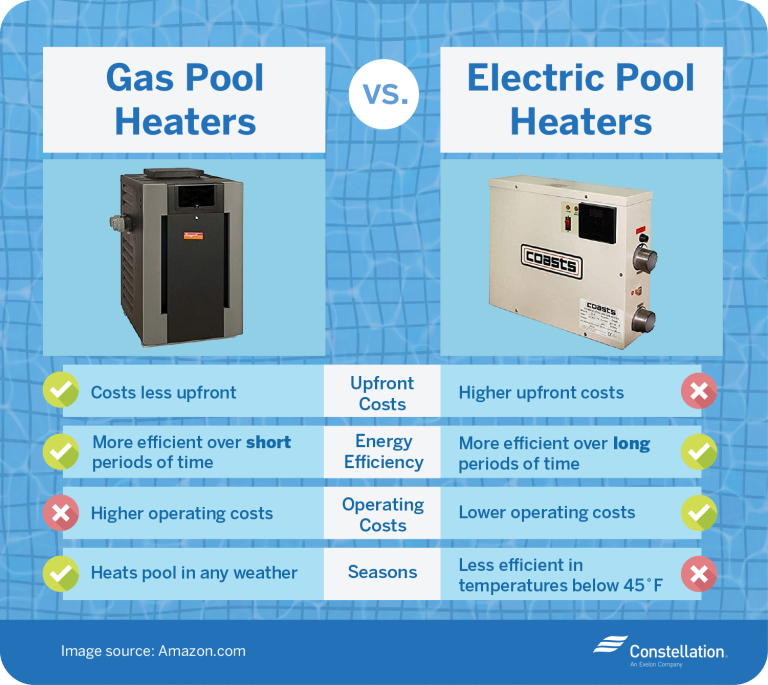
Gas pool heaters use natural gas or propane to heat your pool water. They are powerful and can heat a pool quickly, making them ideal for those who want to heat their pool on demand. However, they can be more expensive to operate due to the cost of gas.
Pros:
- Fast heating capabilities.
- Effective even in colder ambient temperatures.
- Lower upfront cost compared to some other types.
Cons:
- Higher operating costs due to gas consumption.
- Requires a gas line connection (natural gas) or propane tank.
- Less energy-efficient than heat pumps for many users.
Electric Heat Pumps
Electric heat pumps are the most popular choice for Florida homeowners due to their energy efficiency. They don’t generate heat directly; instead, they extract heat from the surrounding air and transfer it to the pool water. This process is much more energy-efficient than electric resistance heaters.
Pros:
- Highly energy-efficient, leading to lower operating costs.
- Environmentally friendly.
- Longer lifespan compared to gas heaters.
- Good for maintaining temperature rather than rapid heating.
Cons:
- Slower to heat the pool compared to gas heaters.
- Efficiency decreases in very cold air temperatures (though this is rarely an issue in most of Florida).
- Higher upfront cost than gas heaters.
Solar Pool Heaters
Solar pool heaters use the sun’s energy to heat your pool water. They typically consist of a solar collector (often black panels or tubes) mounted on a roof or stand, through which pool water is pumped. They are the most energy-efficient and eco-friendly option, with very low operating costs after installation.
Pros:
- Extremely low operating costs – essentially free after installation.
- Environmentally friendly.
- Can significantly extend the swimming season using free solar energy.
Cons:
- Heating capacity depends entirely on sunlight availability.
- Slower to heat and may not provide consistent warmth on cloudy days or at night.
- Requires sufficient roof space or ground area for solar panels.
- Higher upfront installation cost.
Electric Resistance Heaters
These heaters use an electric element to directly heat the water passing through them. While they have a lower upfront cost, they are the least energy-efficient and most expensive to operate. For this reason, they are generally not recommended for heating entire pools in Florida, but they can be useful for very small spas or spools that need quick heating.
Pros:
- Lower initial purchase price.
- Compact size.
- Can heat water quickly for small volumes.
Cons:
- Extremely high operating costs due to electricity consumption.
- Not suitable for heating larger pools efficiently.
- Less durable for continuous use compared to other types.
Factors to Consider When Choosing a Pool Heater
Selecting the perfect pool heater involves looking at several key elements to ensure it meets your needs and budget. Here’s what to keep in mind:
1. Pool Size and Volume
The larger your pool, the more powerful the heater needs to be. A heater’s capacity is measured in BTUs (British Thermal Units). A common guideline is to choose a heater with a BTU rating appropriate for your pool’s gallonage. Your pool professional can help you calculate this accurately.
2. Desired Water Temperature
What temperature do you find most comfortable? Most people prefer their pool water between 78°F (26°C) and 82°F (28°C). If you like it warmer, you’ll need a more powerful heater.
3. Local Climate and Usage Patterns
Even within Florida, there are microclimates. Coastal areas might be windier, affecting evaporation and heat loss. Deciding when you want to swim – year-round, just weekends, or extending seasons – will significantly influence your choice. For instance, in South Florida where it stays warmer longer, a heat pump might be sufficient. In North Florida, where winter nights can be cooler, a gas heater might offer faster boosts, but a heat pump with good insulation is still a strong contender for efficiency.
4. Energy Efficiency and Operating Costs
This is a big one! While the initial purchase price matters, the ongoing cost of running the heater can add up. Heat pumps are generally the most efficient for consistent heating. Solar is almost free to run but relies on the sun. Gas heaters are powerful but have higher fuel costs.
To put it into perspective, here’s a general comparison of energy efficiency and operating costs:
| Heater Type | Energy Efficiency | Typical Operating Cost (Relative) | Upfront Cost (Relative) |
|---|---|---|---|
| Solar Heater | Highest (uses free solar energy) | Very Low (after installation) | High |
| Electric Heat Pump | High (transfers heat from air) | Moderate | Moderate to High |
| Gas Heater | Moderate to Low (depending on fuel) | High (especially propane) | Low to Moderate |
| Electric Resistance Heater | Lowest (generates heat from electricity) | Very High | Low |
*Relative costs are generalized and can vary based on unit size, efficiency ratings, local utility rates, and usage patterns.
5. Installation Requirements
Consider the space needed for a heater and its installation requirements. Gas heaters need a gas line or propane tank. Heat pumps require electrical connections and adequate airflow. Solar heaters need roof space or a ground mount with sunlight exposure.
6. Budget
Pool heaters range from a few hundred dollars for basic electric resistance models (again, not recommended for full pool heating) to several thousand dollars for high-efficiency heat pumps or solar systems. Don’t forget to factor in installation costs, which can add a significant amount. Get at least three quotes from reputable installers.
Installation and Maintenance Tips
Once you’ve chosen a heater, proper installation and regular maintenance are key to its longevity and efficient operation. Think of it like taking care of your car – a little attention goes a long way!
Professional Installation is Key
For most pool heaters, especially gas and electric heat pumps, professional installation is highly recommended. A qualified technician will ensure:
- The heater is sized correctly for your pool.
- All electrical and plumbing connections are safe and up to code.
- The unit is installed in an appropriate location with proper ventilation and drainage.
- For gas heaters, the gas line is safely connected and leak-tested.
- Solar systems are mounted securely and plumbed correctly.
Attempting to install a heater yourself without the proper knowledge can be dangerous and may void your warranty. Check out resources from organizations like the National Swimming Pool Foundation for general pool safety and maintenance best practices.
Regular Maintenance Practices
Consistent care will prevent many common problems and ensure your heater runs efficiently.
- Weekly:
- Check the heater’s digital display for any error codes.
- Ensure the area around the heater is clear of debris (leaves, branches).
- Monthly:
- Clean the air intake screen on heat pumps to ensure good airflow.
- Visually inspect the unit for any signs of leaks or corrosion.
- For gas heaters, check that the burner compartment is clean and free of debris.
- Annually:
- Have a qualified pool technician perform a professional tune-up. This often includes cleaning burner components, checking electrical connections, testing safety controls, and flushing the system.
- For heat pumps, ensure the fan motor and compressor are in good working order.
- For solar systems, inspect the manifold and piping for leaks and ensure the pump is functioning correctly.
- Winterization (if applicable): While direct freezing is rare in most of Florida, some northern areas might experience occasional light frost. If you anticipate prolonged periods of very cold weather where the heater might not be used, a manual may guide you on simple steps to protect it, though many modern units are designed to withstand cooler temperatures. Always follow the manufacturer’s instructions.
Using a pool cover is one of the best maintenance practices for your heater because it significantly reduces heat loss, meaning your heater doesn’t have to work as hard.

Making Your Pool Comfortably Warm, Effortlessly
Having a pool in Florida is a dream for many. With the right understanding and perhaps a little help from modern technology, you can ensure your pool is always ready for you to enjoy, no matter the season. Whether you’re seeking a gentle warmth for morning laps or a toasty haven for the kids’ playtime, understanding your options is the first step.
A pool heater isn’t just about comfort; it’s about maximizing your investment and enjoying your slice of paradise to the fullest. By considering the size of your pool, how you plan to use it, and the types of heaters available, you can make an informed decision that balances cost, efficiency, and your desire for the perfect swimming temperature.
Don’t let a cool dip cut your swimming short. Explore your options for pool heating, and get ready to make those refreshing Florida days even more enjoyable!
Frequently Asked Questions (FAQs)
Q: How much does it cost to heat a pool in Florida?
A: The cost varies significantly based on the type of heater, the size of your pool, the desired temperature, local electricity/gas rates, and how often you use the heater. Electric heat pumps are generally the most cost-effective for ongoing operation, followed by solar. Gas heaters are typically more expensive to run. A solar system has very low operational costs after the initial investment.