Heat Pump Vs Propane Pool Heater: Ultimate Comparison
Are you tired of jumping into a pool that’s too cold for comfort? Choosing the right pool heater can transform your swimming experience from chilly to cozy.
But with so many options, how do you decide between a heat pump and a propane pool heater? The answer can impact not just your comfort, but also your wallet. You’ll discover the pros and cons of each option, helping you make the best decision for your needs.
Imagine enjoying a warm swim every time you dive in, without worrying about unexpected costs or inefficiencies. Ready to find out which heater suits you best? Let’s dive into the details that will keep your pool inviting all season long.
Efficiency
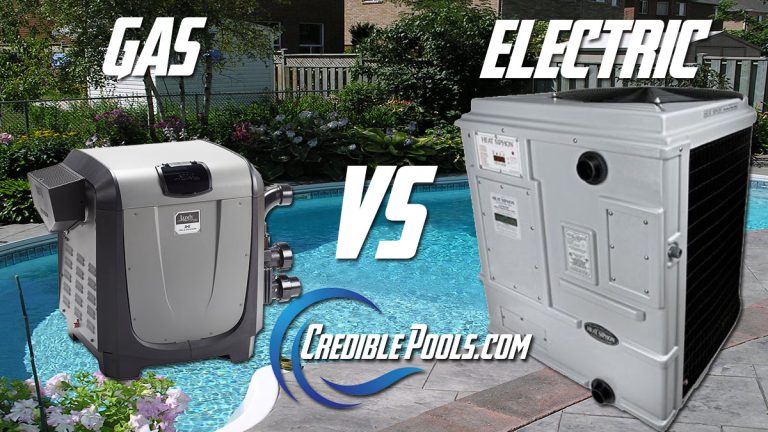
A heat pump uses electricity to move heat. It uses less energy. This means it costs less to run. A propane pool heater burns gas for warmth. It consumes more energy. Running costs can be higher. Choosing a heat pump can save money over time. It’s better for the environment too. Propane heaters heat quickly but use more fuel.
Propane pool heaters warm water fast. Perfect for quick dips. Heat pumps are slower to heat water. They are best for regular use. If you swim often, a heat pump can keep water warm all the time. Propane heaters are best for less frequent swimming.
Cost Analysis
Comparing heat pumps and propane pool heaters involves examining initial costs and long-term expenses. Heat pumps generally offer lower operating costs but may have higher upfront prices. Propane heaters, while less expensive initially, might lead to higher fuel expenses over time.
Installation Costs
Heat pumps often have higher installation costs. They need special wiring. Propane heaters might be cheaper to install. They connect easily to the existing gas line. Prices can vary based on location. Some places have lower prices for propane. Always check local prices before deciding.
Operational Costs
Heat pumps use electricity. They are usually more energy-efficient. Propane heaters need gas. Gas can be expensive in some areas. Heat pumps save money over time. Propane might be cheaper short-term. Consider your local energy costs. This helps decide which is best.
Maintenance Expenses
Heat pumps need regular checks. They have more parts. Propane heaters are simpler. They need less upkeep. You might spend more on heat pump maintenance. Always clean and check both types. This keeps them running well. Regular care saves money in the long run.
Environmental Impact
Heat pumps have a smaller carbon footprintthan propane heaters. They use electricity, which can be from green sources. Propane heaters burn fuel, releasing more carbon. This adds to pollution and harms the earth.
Heat pumps can run on renewable energylike solar or wind power. This makes them better for the planet. Propane heaters rely on fossil fuels, which are not renewable. Choosing a heat pump helps save resources and protect nature.

Credit: www.poolheatpumps.com
Performance In Different Climates
Heat pumps work best in warm places. In cold weather, they can struggle. Propane pool heaters do better in cold. They heat water fast, even in chilly air. Heat pumps need warmth to pull heat from the air. When it is too cold, they stop working well. Propane heaters burn fuel to make heat. So, they do not care about the cold air. For cold weather, propane is the better choice. But, it uses more fuel. That means higher costs.
Heat pumps shine in warm weather. They use less electricity. This makes them cheap to run. They pull heat from the warm air. Propane heaters are less efficient in warm weather. They burn gas even when it is hot. This can be wasteful. For warm places, heat pumps save money. They keep the pool warm without using much power. Plus, they are kinder to the planet. Less fuel means less pollution.
Durability And Lifespan
Heat pumps generally last longer than propane pool heaters, often exceeding 15 years. Propane heaters typically last 5 to 10 years. Both require regular maintenance to ensure optimal performance and longevity.
Material And Build Quality
The heat pump has strong materials. It is often made of durable metals. This helps it last longer. Propane pool heaters can use high-quality metals too. They resist rust and wear. The build quality of both is important. Good build means fewer repairs.
Average Lifespan
Heat pumps usually last 10 to 15 years. They need regular care. Propane heaters might last around 5 to 10 years. Maintenance is key for both. Checking parts and cleaning helps. Lifespan can vary with use. Take care of them for longer life.
User Experience
Heat pumps are easy to use. Just turn them on and set the temperature. Propane pool heaters need more steps. You must check the fuel level. They need gas to run.
Heat pumps have simple controls. They often have a remote. Propane heaters might need manual adjustments. They can be tricky for some people.
Heat pumps are quiet. They hum like a fridge. You can relax by the pool. Propane pool heaters make more noise. They sound like a small engine.
Some people find propane heaters too loud. For a peaceful poolside, a heat pump is better. Kids can easily enjoy the calm.
Installation And Space Requirements
Heat pumps demand more space, typically needing a large area for installation due to their size. Propane pool heaters are compact, fitting into smaller spaces easily, making them suitable for pools with limited installation room.
Space Considerations
Both heaters need space to work well. A heat pumpusually needs more room. It must be placed in an open area. This helps it to pull air easily. A propane pool heateris smaller. It can fit in tighter spots. Always keep safety in mind. Make sure there is good airflow around both heaters.
Installation Process
Setting up a heat pumpcan be complex. It may need professional help. Proper connections are crucial. It must be linked to the pool system and power source. A propane heateris often easier to install. It connects directly to the pool system. Yet, it needs a safe gas supply. Always check local rules and guidelines.

Credit: www.youtube.com
Safety Features
Heat pumps are safe but can have electrical issues. Propane heaters may have gas leaks. Both need regular checks to ensure safety. Electric connections can be a risk for heat pumps. Propane tanks must be handled with care. Understanding these risks is important. Proper installation reduces dangers. Always follow the instructions.
Heat pumps need routine maintenance. Check wires and parts often. Propane heaters require checking for gas leaks. Install carbon monoxide detectors nearby. Emergency shut-off valves are important for both. Always keep a safe distance from the water. Never use damaged equipment. Contact professionals for repairs.
Credit: www.energy.gov
Frequently Asked Questions
What Is A Heat Pump Pool Heater?
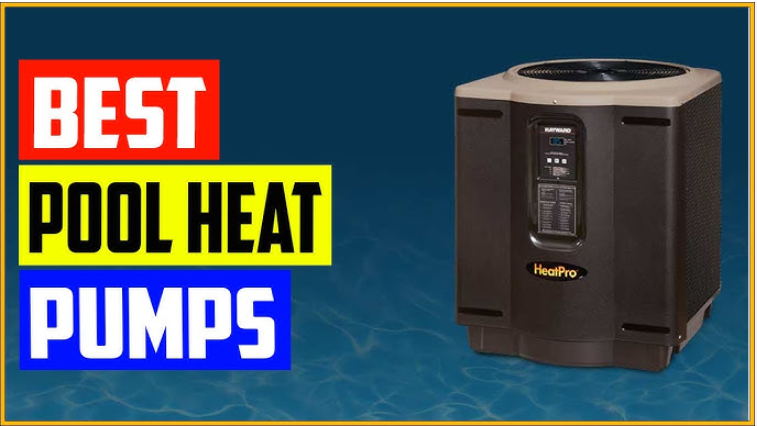
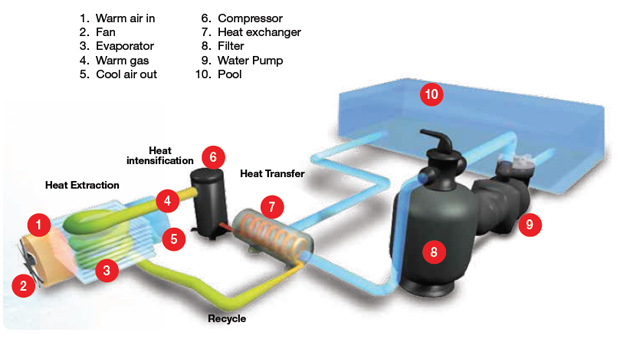
A heat pump pool heater uses electricity to transfer heat from the air to your pool. It is energy-efficient and works best in moderate climates. It may cost more upfront but saves money over time with lower operating costs compared to propane heaters.
How Does A Propane Pool Heater Work?
A propane pool heater burns propane gas to generate heat, quickly warming your pool water. It performs well in cooler climates and heats pools rapidly. Although it has higher operating costs, it is an excellent choice for short-term heating needs.
Which Is More Energy-efficient?
Heat pump pool heaters are generally more energy-efficient than propane heaters. They use ambient air to heat the water, reducing energy consumption. Propane heaters tend to have higher operating costs due to fuel prices and can be less efficient over time.
Is Installation Easy For Both Heaters?
Installation of a heat pump can be more complex than propane heaters. It requires electrical connections and proper placement for airflow. Propane heaters are simpler to install but require a gas line. Professional installation is recommended for both types to ensure safety and efficiency.
Conclusion
Choosing between a heat pump and propane pool heater depends on your needs. Heat pumps work best in warm climates, saving energy costs. Propane heaters heat pools quickly, ideal for cold climates or urgent use. Consider budget, efficiency, and local climate before deciding.
Both options have pros and cons, affecting your pool experience. Think about long-term costs and benefits. The right choice keeps your pool comfortable and enjoyable. Proper maintenance also ensures optimal performance. Evaluate your priorities and make a decision that suits your lifestyle.
Enjoy your pool year-round with the right heater choice.