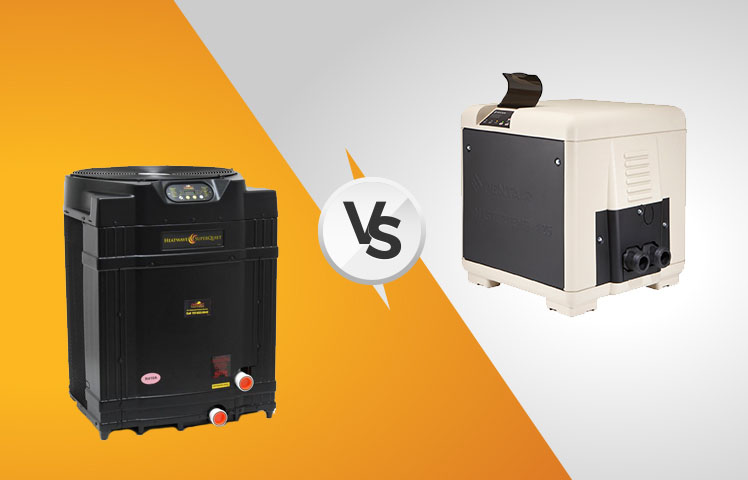
Heat Pump Vs Gas Pool Heater: Ultimate Efficiency Battle
Choosing the right pool heater can feel like a daunting task. You want to enjoy your pool year-round, but with so many options, how do you decide?
The debate between heat pumps and gas pool heaters is one many pool owners face. Each has its own benefits and drawbacks, and making the wrong choice could affect your comfort and energy bills. Imagine jumping into your pool and feeling the perfect water temperature, regardless of the season.
That’s the dream, right? But to get there, you need to know which heating system fits your needs best. We’ll explore the differences between heat pumps and gas pool heaters, helping you make an informed decision that will keep you swimming happily for years to come. Are you ready to discover the best option for your pool? Keep reading to find out!
Energy Efficiency Comparison
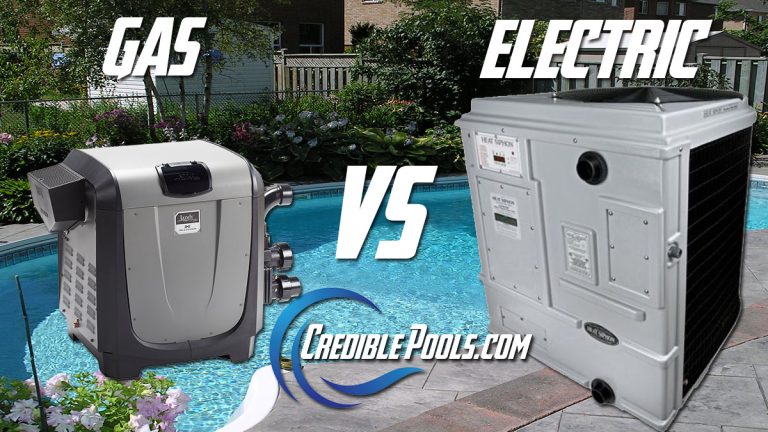
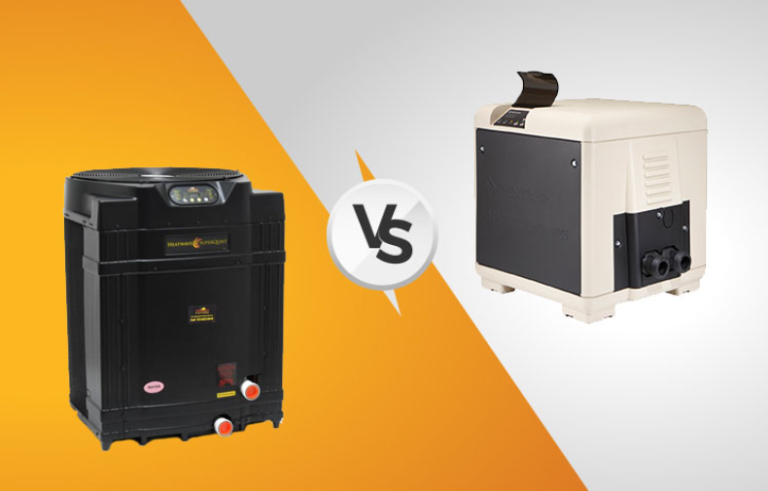
Heat pumps use air to heat the pool. They are very energy efficient. They need less electricity than other heaters. Heat pumps work well in warm weather. They use less energy than gas heaters. This saves money on bills. Heat pumps are good for the environment. They do not burn fuel. This means they make less pollution.
Gas pool heaters use gas to heat water. They heat pools very quickly. This is useful for short swims. Gas heaters work well in any weather. They use more energy than heat pumps. This means higher bills. Gas heaters need fuel. This can cause pollution. They are less eco-friendlythan heat pumps.
Cost Analysis
Comparing costs, heat pumps use electricity and are more energy-efficient, but have higher initial expenses. Gas pool heaters heat water quickly, ideal for short-term use, yet incur higher running costs due to fuel consumption. Choose based on budget and usage needs.
Initial Cost
A heat pumpfor pools costs more to buy. This cost can be high for many. Gas pool heatersare cheaper to purchase. They need less money upfront. People might choose them due to lower initial costs. Budget matters a lot. Look at what you can spend first.
Operating Cost
Heat pumps save money over time. They use less energy. Bills are lower with them. Gas pool heaters cost more to run. They need more gas. Bills can be high every month. Long term savingsare better with heat pumps. Choose wisely for yearly expenses.
Environmental Impact
Choosing between heat pumps and gas pool heaters impacts the environment differently. Heat pumps use less energy, reducing carbon emissions, while gas heaters consume more fossil fuels, increasing greenhouse gases. Understanding these differences can guide eco-friendly decisions for pool heating solutions.
Carbon Footprint
Heat pumps have a smaller carbon footprintthan gas pool heaters. They use electricity to move heat, not create it. This makes them more energy-efficient. Gas pool heaters burn fuel, releasing more carbon dioxide. This adds to air pollution and global warming. Choosing a heat pump helps reduce these effects.
Sustainability
Heat pumps are more sustainablefor the environment. They use renewable energy sources like solar and wind. Gas pool heaters rely on non-renewable resources. These resources can run out and harm nature. Using a heat pump helps keep our planet healthy. It supports a cleaner and greener future for all.
Performance In Various Climates
Heat pumps work better in mild weather. In cold weather, their efficiency drops. They use the air to heat water. Cold air makes them work harder. Gas heaters don’t depend on air. They use gas to heat the pool. This makes them better in cold climates. They heat water faster. Even in chilly weather, they perform well. Heat pumps can struggle in winter months. Gas heaters keep pools warm. No matter the outside temperature.
In warm climates, heat pumps shine. They use less energy. They harness the heat from the air. This makes them efficient. Gas heaters use more energy. Heat pumps cost less to run. Warm air helps them work better. Gas heaters heat quickly, but use more gas. In warm weather, heat pumps save money. They work well when the air is warm. Perfect for hot days.
Maintenance And Longevity
Heat pumps need regular cleaning of filters. Dust and debris can cause problems. Gas pool heaters require checking for leaks. Pipes and connections may need tightening. Both need annual check-ups by professionals. This ensures they work well. Maintenance costs can add up over time. Keeping a schedule helps extend their life.
Heat pumps usually last longer. They can work for 10 to 15 years. Gas heaters may only last 5 to 10 years. Proper care can make them last longer. Regular maintenance is key. Replacement parts are sometimes needed. This can affect lifespan. Plan for these costs.

Credit: www.eztestpools.com
Installation Considerations
Heat pumps need more space than gas heaters. They have large fans. Gas heaters are smaller and fit tight areas. Pools near walls may fit gas heaters better. Always check your pool’s space first. It helps decide the best option.
Gas pool heaters need a gas line. This can be complex. Professional help is often needed. Heat pumps need electric lines. Electricians set them up. Both require trained workers. This ensures safety and good work.
User Experience
Heat pumpsneed less attention. Easy controls make them simple. You set the temperature and let it work. Gas heatersmay need more checks. They might require adjustments often. Some people find them tricky.
Remote controls help with both heaters. Smart systemsoffer better control. Apps can manage the temperature. This makes life easier. Users enjoy simple setups.
Heat pumps are quieter. They hum softly. Gas heatersare louder. They make more noise. This can be annoying for some.
Quiet operation is important. People enjoy peaceful environments. Noisy heaterscan disturb fun times. Choosing the right heater matters. Consider noise levels before buying.
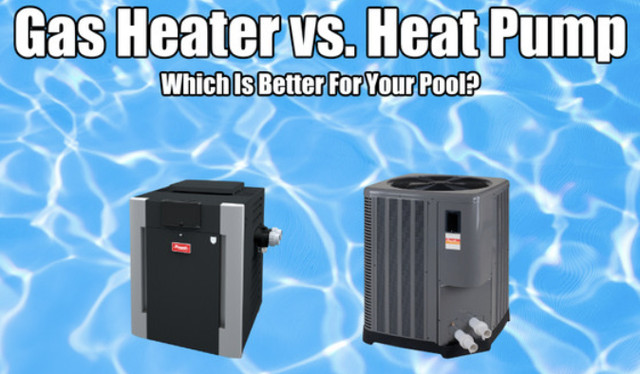
Credit: www.raypak.com
Availability And Market Trends
Heat pumps and gas pool heaters are both available in stores. Both are popular for pool heating. Heat pumps are often seen as more eco-friendly. They use air to warm water. Gas heaters are known for quick heating. They use natural gas or propane. Many stores stock both types. Choices depend on what you need.
Heat pumps are becoming more popular. People like their energy-saving features. They work well in warm climates. Gas heaters remain a favorite too. They heat pools fast. Some people prefer them for large pools. Both types have their fans. Each has its own benefits.
Choosing The Right Option
Deciding between a heat pump and a gas pool heater depends on your climate and budget. Heat pumps are energy-efficient, perfect for warm climates. Gas heaters quickly warm water, ideal for cooler regions. Consider energy costs and installation when choosing the best fit for your pool needs.
Personal Preferences
Heat pumpsuse the air outside to warm the pool. They are quiet and work well in warm places. They take longer to heat water.
Gas pool heaterswork fast. They use gas to make the pool warm. They are good for quick heating. They work in any weather.
Think about the cost. Heat pumps can be cheaper to run. Gas heaters might cost more over time. Consider the environment. Heat pumps are more eco-friendly.
Decide based on your needs. If you swim often, a heat pump might be best. For quick heating, a gas heater works well.
Frequently Asked Questions
How Does A Heat Pump Work?
A heat pump transfers heat from the air or ground to the pool water. It uses electricity to operate. It is efficient in maintaining consistent temperatures. It’s ideal for warmer climates where temperatures remain above 45°F.
Are Gas Pool Heaters Faster Than Heat Pumps?
Yes, gas pool heaters heat water faster than heat pumps. They are ideal for quick heating needs, especially in cooler climates. Gas heaters can rapidly increase water temperature, making them suitable for pools used infrequently.
Which Is More Energy-efficient?
Heat pumps are more energy-efficient than gas heaters. They use ambient air to heat water, consuming less energy. Heat pumps have lower operating costs over time. They are environmentally friendly and suitable for regular pool use.
What Is The Cost Difference?
Heat pumps have higher upfront costs but lower operating expenses. Gas heaters are cheaper initially but cost more to run. Consider long-term savings with heat pumps. Energy efficiency of heat pumps often offsets initial investment.
Conclusion
Choosing the right pool heater impacts your energy costs and comfort. Heat pumps work efficiently in warmer climates, saving energy. Gas heaters heat quickly, ideal for cooler areas or quick warmth. Consider your location, pool use, and budget before deciding.
Both options have pros and cons. The right choice depends on individual needs. Evaluate energy efficiency, installation costs, and maintenance. Compare warranties and lifespan too. Every pool owner has unique requirements. Make a choice that suits your lifestyle and pool usage.
Enjoy warm swims with your chosen heater.