
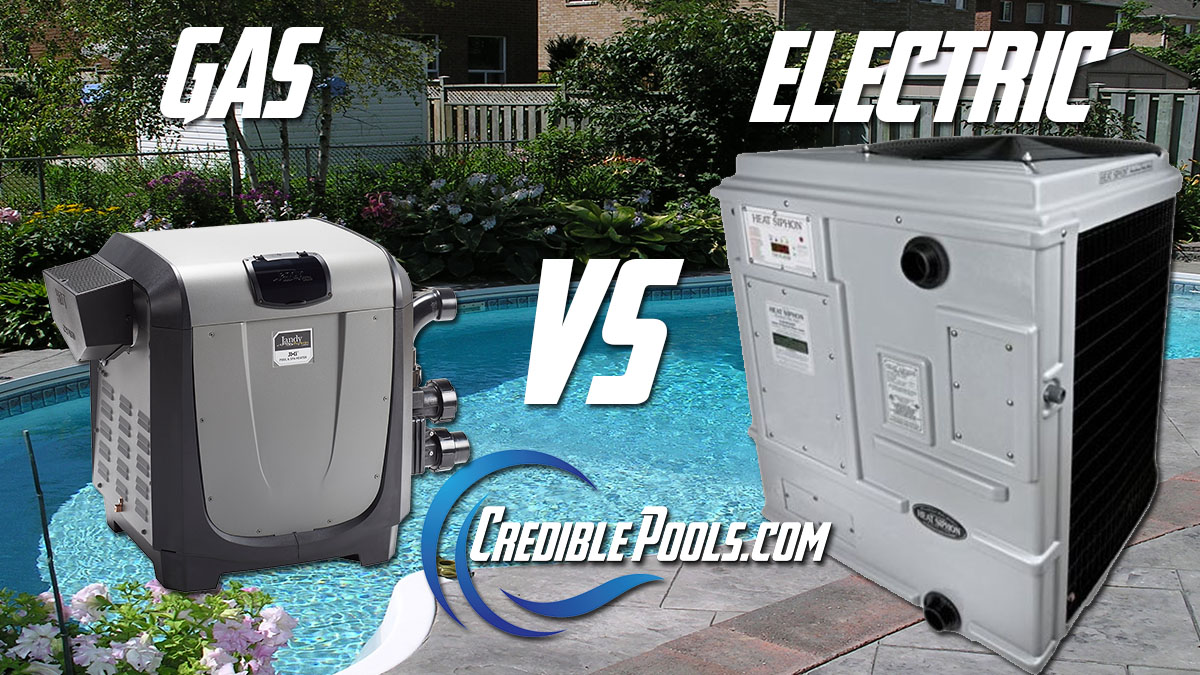
When it comes to keeping your pool at just the right temperature, choosing between a gas or electric pool heater can feel like a daunting task. You want to enjoy your pool as much as possible, but which option is truly the best for your needs?
Imagine diving into crystal-clear water that’s always perfect, no matter the season. That’s what a good pool heater can offer you. But before you make a decision, it’s crucial to understand how each type of heater works and what it means for your comfort and wallet.
As you read on, you’ll discover the pros and cons of gas and electric pool heaters, helping you make an informed choice that could transform your swimming experience. Stick with us to find out which option aligns with your lifestyle and ensures endless fun in your pool.
Comparing Gas And Electric Pool Heaters
Gas pool heaters use natural gas or propane. They heat water quickly. This is great for cold climates. But they can cost more to run. Electric pool heaters use electricity. They heat water slowly. Ideal for warmer places. They cost less over time. But initial setup can be high.
Gas heaters are less eco-friendly. They produce emissions. Electric heaters are more environmentally friendly. They use renewable energy sources. Both heaters have pros and cons. Choose based on your needs and budget. Consider your local climate too.
Credit: midstatepoolliners.com
Efficiency And Performance
Gas pool heaters warm up the water quickly. They use a burner that heats the water fast. This is handy for big pools or when you want to swim soon. Electric heaters take more time. They use a heat pump, which is slowerbut steady. Gas heaters are great for quick heating needs.
Electric heaters keep the water at a steady temperature. They are good for keeping the pool warm all the time. Gas heaters can heat fast but might not keep it steady. Electric heaters use less energy over time. For regular use, electric heaters work best.
Cost Analysis
Gas pool heaters usually have a lower initial cost. They are often cheaper to buy. Electric heaters can cost more at first. The price difference can be noticeable. Both types need installation. This can add to the cost. Always check for local installation fees.
Gas heaters use natural gas or propane. This can be costly over time. Electric heaters use electricity. They might be cheaper to run daily. Costs depend on local energy prices. It’s important to think about your monthly budget.
Gas heaters need regular cleaning and checks. This can add up over time. Electric heaters are usually easier to maintain. They have fewer moving parts. Maintenance costs are generally lower. Keeping heaters in good shape is important.
Environmental Impact
Gas pool heaterscreate more carbon emissions. They burn fossil fuels like propane or natural gas. This release of gases harms the air. Electric heaters produce fewer emissions during use. But, their power source matters. If electricity comes from coal, emissions are high.
Gas heaters rely on non-renewable resources. These resources can run out. Electric heaters can be more sustainable. They use renewable energy like solar or wind. This makes them a greener choice. Choosing a sustainable energy sourcehelps the planet.
Installation And Space Requirements
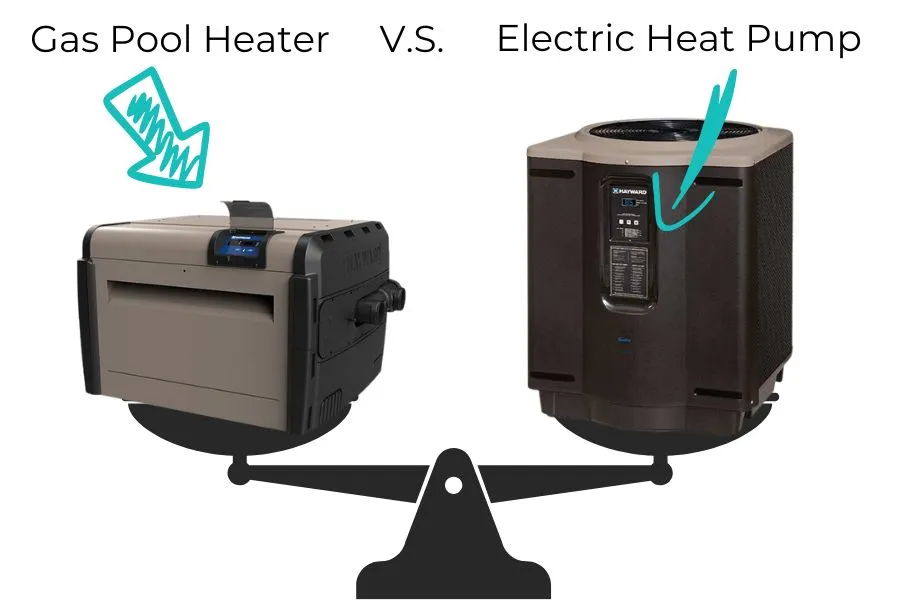
Gas pool heaters are often bigger. They need more space. Electric heaters are smaller. They fit in tight spaces. Check your yard size first. Pick the heater that fits best.
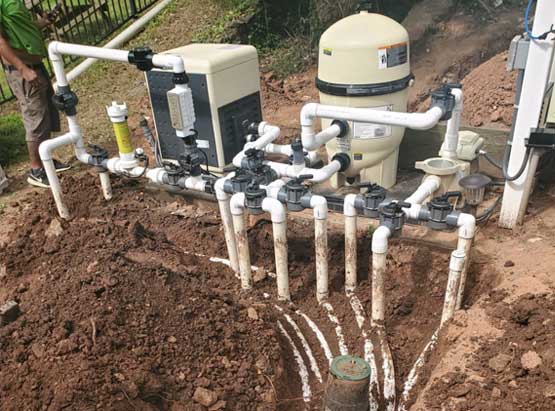
Gas heaters can be hard to install. They need gas lines. This may need a professional. Electric heaters are easier. They plug into outlets. No gas lines needed. This can save time.
Durability And Lifespan
Gas heatershandle heavy use better. Their metal parts last long. They face less wear and tear. Electric heatershave more moving parts. They wear out quicker. Little things can break in electric heaters. Both need care. Cleaning helps them last.
Gas heaters last about 10 years. With care, they live longer. Electric heaters last 5-10 years. Some last longer with good care. Bad weather affects both. Sun and rain can shorten lifespan. Proper cover helps them last. Regular checks keep them working well.
User Experience
Choosing between gas and electric pool heaters affects user experience. Gas heaters warm pools quickly, ideal for colder climates. Electric heaters work efficiently in milder temperatures, offering lower operating costs.
Ease Of Use
Gas heatersare simple to start. You just flip a switch or turn a knob. They warm the pool quickly. This is great for last-minute plans. Electric heatersneed you to set temperatures. This can take a bit of time. They heat the pool slowly. Some people prefer this gentle heat.
Control Features
Gas heatershave basic controls. They are easy for everyone to use. Some models have smart systems. These let you control the heater with your phone. This can be fun! Electric heatersoften have more controls. Some have timers. Others let you choose different settings. This gives you more options.
Climate And Weather Considerations
Choosing between gas and electric pool heaters depends on local climate and weather conditions. Gas heaters warm pools quickly, ideal for cooler climates. Electric heaters work efficiently in warmer areas, maintaining consistent water temperatures.
Regional Climate
Gas pool heaters perform well in colder areas. They heat water quickly. This is great for regions with short summers. Electric heaters work better in warm regions. They are more energy-efficient there. Gas heaters cost more to run. Especially in cold climates. Electric heaters save more money in warm areas.
Seasonal Usage
People in cold places use pools for shorter times. A gas heater is better for short, intense use. It heats fast for quick swims. Warmer places have longer swimming seasons. Electric heaters are more efficient for steady use. They maintain warmth without large energy spikes. Choosing the right heater depends on season length.
Pros And Cons Summary
Gas heaters warm pools fast. They are great for large pools. They work in any weather. But, they can be costly to run. Gas heaters need regular checks. They also give off emissions. This can be bad for the environment.
Electric heaters are better for the environment. They are quiet and need less upkeep. They work best in warm places. But, they heat pools slowly. They might not work well in cold weather. Running costs can be lower than gas.
Credit: romanellipools.com
Making The Right Choice
Choosing between gasand electricpool heaters can be tricky. Gas heaters are quick. They heat pools fast. This is great for sudden swim plans. Electric heaters are slower. But they are eco-friendly. They use less fuel. So, think about your needs. Do you want fast heating? Or, do you prefer saving energy? Your choice matters.
Gas pool heaters are often cheaperto buy. But they can cost more to run. Their fuel can be expensive. Electric heaters might cost more at first. Yet, they are usually cheaperto run. They use electricity. Which can be less costly. Consider your budget. Can you pay more now for electric? Or, do you want a cheaper start with gas?
Frequently Asked Questions
Which Is Cheaper: Gas Or Electric Pool Heater?
Gas heaters are generally more affordable upfront but may cost more over time due to fuel expenses. Electric heaters tend to have lower operating costs but might be more expensive initially. Choosing between them depends on your budget, energy prices, and how often you use the pool.
How Do Gas And Electric Heaters Work?
Gas heaters burn fuel to generate heat, while electric heaters use electricity to warm the water. Gas heaters often heat the pool faster, making them ideal for quick heating needs. Electric heaters are more energy-efficient and better suited for maintaining a consistent temperature over time.
Are Gas Heaters More Efficient Than Electric Ones?
Gas heaters are efficient for quick heating, especially in colder climates. However, electric heaters are generally more energy-efficient for maintaining consistent temperatures. The efficiency of each depends on your pool size, climate, and usage pattern. Choosing the right heater depends on these factors and your specific needs.
What Are The Environmental Impacts Of Each Type?
Electric heaters are generally considered more environmentally friendly as they produce fewer emissions compared to gas heaters. However, their impact depends on your electricity source. Gas heaters emit more greenhouse gases, but advancements in technology are helping reduce their environmental footprint.
Conclusion
Choosing between gas and electric pool heaters depends on your needs. Gas heaters warm pools quickly, ideal for cooler climates. Electric heaters are energy-efficient, perfect for long-term use. Both options have pros and cons. Consider initial costs, efficiency, and maintenance.
Think about your climate and usage frequency. Make a choice that fits your budget and lifestyle. Keep your pool warm and enjoyable year-round. Enjoy swimming in any season. Stay informed and make the best decision. Your pool deserves the best heating solution.