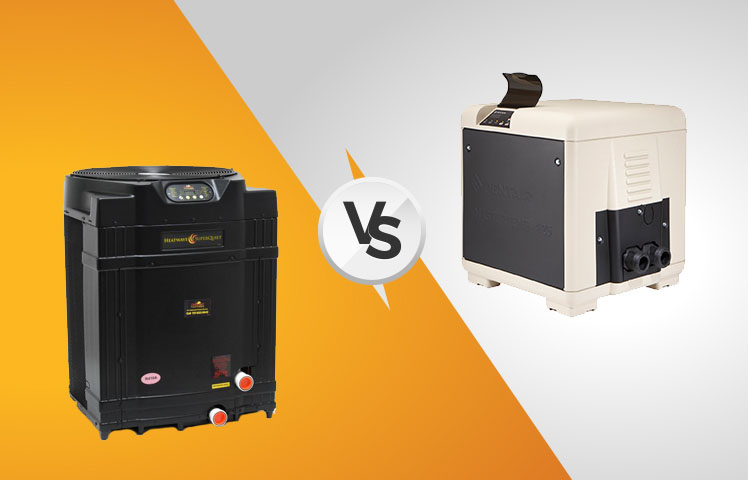
Pool Gas Heaters Vs Heat Pumps: Which is Best?
Are you dreaming of extending your pool season beyond the summer months? Choosing the right heating system is key to keeping your pool warm and enjoyable.
You might be wondering whether a pool gas heater or a heat pump is the better choice for your needs. Each option has its own unique benefits and limitations, and understanding these can make all the difference in your decision.
Imagine the joy of a perfectly heated pool, ready for you at any time. By the end of this article, you’ll discover which heating solution aligns best with your lifestyle, budget, and environmental preferences. Let’s dive into the details that will help you make a smart choice for your pool’s comfort.
Pool Gas Heaters Overview
Pool gas heaters use natural gas or propane to warm pool water. Cold water flows through the heater. The burner heats the water. Then, the warm water goes back to the pool. This process keeps the pool at a comfortable temperature. Gas heaters work best in cold weather. They heat the pool quickly.
Gas heaters heat the pool fast. They work well in any weather. Perfect for cold climates. You can swim even in winter. They are easy to control. Set your desired temperature. Enjoy warm water anytime. Gas heaters are durable. They last for many years.
Gas heaters need fuel to run. Fuel can be costly. They need regular maintenance. Heaters are not very eco-friendly. They produce emissions. Some heaters can be noisy. Check noise levels before buying. They need professional installation.
Heat Pumps Overview
Heat pumps move heat from one place to another. They do not make heat. Heat pumps use electricity to work. They have two parts: a compressor and a coil. The compressor makes air warm or cool. The coil moves the air. This helps to heat or cool a pool. It is like a big fan that changes air temperature.
Heat pumps save energy. They use less electricity than other heaters. This makes them eco-friendly. They work well in warm weather. They can be used all year long. Heat pumps last a long time. They are quiet when running. This makes them good for homes.
Heat pumps cost more to buy. They need warm air to work well. Cold weather slows them down. They can take longer to heat a pool. This might not be good for cold places. Maintenance can be tricky. Repairs may cost a lot. This can be a problem for some users.
Cost Comparison
Gas heaters usually have a lower upfront cost. They are cheaper to buy. Heat pumps cost more at first. They need extra equipment. This makes them more expensive. Many people choose gas heaters for their price. But some prefer heat pumps for their benefits.
Gas heaters use more fuel. This makes them cost more to run. They heat water fast but need more gas. Heat pumps use electricity. They are more efficient and save money. Over time, they cost less to operate. Their efficiency helps keep costs down. Both have pros and cons in costs.
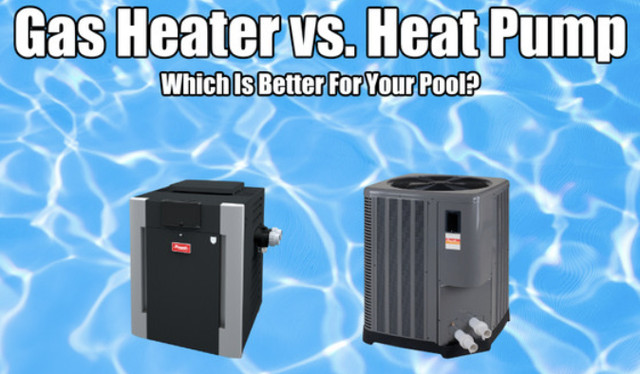
Credit: www.raypak.com
Energy Efficiency
Gas heaters warm pools quickly. They use natural gas or propane. Heat is produced fast and efficiently. This makes them ideal for cold climates. They can heat water in minutes. But gas heaters can be costly over time. They consume more energy. Bills can be higher. Maintenance is needed often. They are not eco-friendly.
Heat pumps use air and water to warm pools. They work best in mild climates. They save energy. This makes them cost-effective. They take longer to heat water. Initial costs can be high. But they lower electricity bills. Maintenance is less frequent. Heat pumps are environmentally friendly. They use less energy.
Environmental Impact
Choosing between pool gas heaters and heat pumps significantly affects the environment. Gas heaters often emit more greenhouse gases, impacting air quality. Heat pumps, using electricity, tend to be more energy-efficient, reducing carbon footprint.
Gas Heaters And Environment
Gas heaters burn fossil fuelsto create heat. This process releases harmful carbon dioxideinto the air. Carbon dioxide is a greenhouse gasthat warms the planet. Gas heaters also use a lot of energy. This means more fuel is needed. More fuel use leads to more pollution. Some gas heaters use natural gas. Natural gas is cleaner than coal or oil. But it still pollutes the air. Using gas heaters can harm the environment.
Heat Pumps And Sustainability
Heat pumps use electricityto move heat. They do not burn fuel. This means less air pollution. Heat pumps are more energy-efficient. They use less energy than gas heaters. Less energy use is better for the planet. Heat pumps can use renewable energy. Solar or wind power can run them. This reduces the carbon footprint. Heat pumps help keep the environment safe.
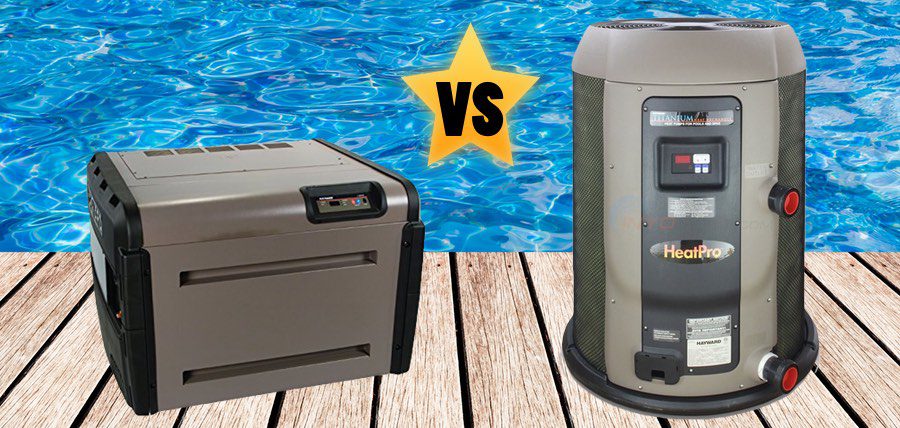
Credit: skovishpools.com
Installation And Maintenance
Pool gas heaters offer quick heat but need regular service for efficiency. Heat pumps, though slower, demand less upkeep. Choose based on your climate and maintenance preference. Both options have unique benefits, making them suitable for different needs. Ensure proper installation for optimal performance.
Installation Requirements
Pool gas heatersneed a gas line for installation. A professional must install it. This ensures safety and correct setup. Heat pumpsneed electricity. They must be near an electric outlet. They also need space for air flow. Both types require proper connections to the pool. Choose the right spot for efficiency.
Maintenance Needs
Gas heaters need regular checks. Clean the burners and filters often. Look for gas leaks to ensure safety. Heat pumps need less maintenance. Check the fan and coils. Clean them to keep them working well. A cover can protect both types. This keeps them clean when not in use.
Climate Considerations
Pool gas heaters work best in cold places. They heat water quickly. This is useful on chilly days. Heat pumps need warm air to work well. They perform best in warm places. They might struggle in cold weather.
Both options have good points and bad points. Picking the best one depends on where you live.
Warm areas suit heat pumps. They use less energy there. Gas heaters are better for cooler places. They heat pools fast, even in cold weather. People in mixed climates can use both options. They can switch between them based on the weather.
It is important to think about your local weather. This helps in choosing the right pool heater.
Choosing The Right Option
Deciding between a pool gas heaterand a heat pumpcan be tricky. Consider the cost. Gas heaters usually cost less upfront. But they can have higher operating costs. Heat pumps save more money over time. Another factor is the climate. Gas heaters work well in cold weather. Heat pumps need warm air to function best.
Think about your usage. If you swim all year, a gas heater might be better. Heat pumps are great for occasional use. Noise can also matter. Gas heaters can be louder. Heat pumps are quieter. Lastly, consider the speed. Gas heaters warm the pool faster. Heat pumps take longer to heat up.
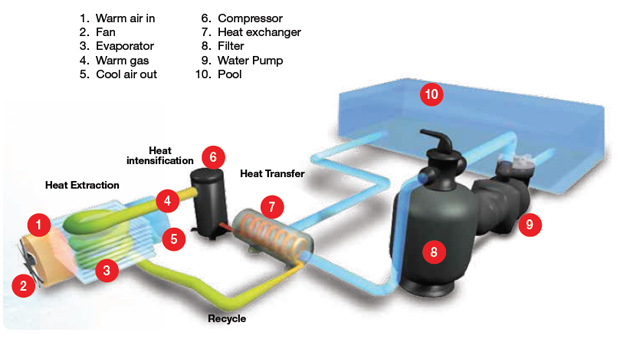
Credit: www.energy.gov
Frequently Asked Questions
What Are The Main Differences Between Pool Gas Heaters And Heat Pumps?
Pool gas heaters use natural gas or propane to heat water quickly, ideal for quick heating. Heat pumps use electricity and ambient air to heat the pool, operating efficiently in warmer climates. While gas heaters offer rapid heating, heat pumps are more energy-efficient over time.
How Does A Pool Gas Heater Work?
A pool gas heater burns gas to produce heat, which warms the pool water. It circulates water through a combustion chamber, where heat is transferred. This method allows for quick temperature increases, making it suitable for on-demand heating during colder months.
Are Heat Pumps More Energy-efficient Than Gas Heaters?
Yes, heat pumps are generally more energy-efficient than gas heaters. They transfer heat from the air to the water, using electricity efficiently. This process consumes less energy, especially in warmer climates, resulting in lower operating costs compared to gas heaters.
Which Option Is Better For Year-round Use?
For year-round use, a pool gas heater is more reliable in colder climates. It can quickly heat the pool regardless of outside temperature. However, in warmer climates, a heat pump is more cost-effective due to its energy efficiency, providing consistent heating throughout the year.
Conclusion
Choosing the right pool heater depends on your needs. Gas heaters warm pools quickly, ideal for spontaneous swims. Heat pumps save energy but heat slower. Consider your climate and budget. Colder areas may benefit from gas heaters. Warmer regions might prefer heat pumps.
Each option has its benefits. Think about maintenance costs. Gas heaters need regular checks. Heat pumps last longer with less upkeep. Decide what suits your lifestyle best. Enjoy swimming in the perfect temperature.