Portable Heater Troubleshooting When It Won’t Heat
If a portable heater powers on but won’t heat, start with the mode, thermostat, airflow, and outlet. If it still fails after one reset and one known-good outlet, suspect an internal fault. Missing the pattern can waste time, trip breakers again, or leave a room cold when you need heat most. This guide helps you match the exact no-heat symptom to power, control, airflow, or component problems.
What a cold heater usually means
A plug-in electric space heater can power on with lights, a fan, or a glowing indicator and still fail to produce usable heat. That can point to a control setting, airflow restriction, safety cutoff, or an internal component such as a thermal fuse or heating element. Common 1500W fan-forced ceramic, quartz, oil-filled, and panel models fail in different ways, so the symptom pattern matters.
One heater may move air but stay cold. Another may feel warm at the grille while the room stays cool. A third may heat, then stop after a few minutes because protection circuitry is reacting to blocked airflow, recirculated warm air, or a soft surface under the unit.
Why heater type changes the likely cause
Fan-forced ceramic heaters depend on steady airflow across a heated element. Quartz units can produce strong radiant heat with less fan movement. Oil-filled and panel heaters often warm more slowly and may feel lukewarm at first even when they are working normally. That means a cold room does not always mean a dead heater.
Room size matters too. A heater rated for a small area can seem weak in a larger space, especially if it sits near a wall, a curtain, or a sofa that sends its output back into the intake.
What should you check first when your space heater won’t heat?
Check the power source, mode, thermostat, airflow, and placement first. Unplug the heater before inspecting it, let it cool, and keep it at least 3 feet from combustibles. If the unit repeatedly shuts down, smells burnt, or heats a cord or plug, stop using it and move to service or replacement.
What you’ll need
- A second known-good outlet
- A flashlight
- A dry cloth or soft brush
- A vacuum with a brush attachment
- A timer or phone clock
- A hard, level floor or clear open area
Power source and outlet checks
- Confirm the mode. Set the heater to heat mode, not fan-only or eco. If it has a thermostat dial, turn it above room temperature by a clear margin so the element actually calls for heat.
- Test one other outlet. Plug the heater directly into a different wall outlet with no extension cord or power strip. If only one outlet fails, the problem may be the circuit, breaker, or a voltage drop from other loads on that branch.
- Inspect the cord and plug. Check for heat at the plug, discoloration, or a loose fit. A hot plug or cord means stop using the heater immediately and have it checked before use.
Placement, airflow, and room-size checks
- Move it into open space. Place the heater on a hard, level floor with clear space around the intake and discharge grille. An open area away from furniture, bedding, and curtains reduces the chance that blocked airflow will make the unit run hotter than designed.
- Check for recirculation. If the heater sits too close to a wall or in a corner, warm air can loop back into the intake. That can fool the sensor, reduce net heat to the room, and trigger a shutdown pattern.
- Match the heater to the room. If a small heater is being used in a large, drafty room, weak heat output may be expected. A 1500W unit can still feel inadequate if the space is beyond its practical coverage.
Safety cutoff and tip-over checks
- Check for a tilt condition. Look for an uneven floor, a thick carpet, or a soft surface under the base. Tip-over switches may cut heat with only slight movement, so a heater that warms briefly and then goes cold may be reacting to position.
- Let it cool once. If the heater shut off from overheat protection, let it cool fully before one retry. Repeated immediate restarts can keep the cutoff active and do nothing except add heat stress to the unit.
- Watch the restart pattern. If it heats again only after cooling, then shuts down after 2–10 minutes, the overheat path is more likely than a dead power source.
Portable heater no-heat symptom map
| Symptom pattern | Most likely cause | Safe homeowner check | Escalation trigger |
|---|---|---|---|
| Runs but no warm air | Heat mode off, thermostat set too low, or thermal fuse/high-limit failure | Raise the thermostat above room temperature and test one known-good outlet | No heat after one outlet swap and a full cool-down |
| Warm grille, cold room | Output is being recirculated or the heater is undersized for the space | Move to open space on a hard floor, at least 3 feet from combustibles | Warm grille persists after relocation and the room still stays cold |
| Shuts off after 2–10 minutes | Overheat protection from blocked airflow or too-close placement | Clean vents and retry in open space with clear intake and discharge paths | Shutdown repeats in the same time window |
| Only heats in one outlet | Weak branch circuit, loose receptacle, or voltage drop on the first outlet | Use a different outlet on a different circuit | Breaker trips again or the plug feels warm |
| Weak airflow | Dust, pet hair, or lint blocking the intake or fan path | Vacuum the intake and discharge grille with the heater unplugged | Airflow stays weak after cleaning |
| Burns dust smell plus no heat | Dust burnoff at startup, or an abnormal overheating condition | Wait for 10–30 minutes only if the smell is light and fades | Odor persists beyond about 30 minutes or gets stronger |
| Tip-over related shutdowns | Position switch reacting to tilt, carpet, or uneven flooring | Set the heater on a flat, hard surface and test for stable operation | It shuts off again with no movement |
| Repeated breaker trips | Overload, cord fault, or an internal heater fault drawing abnormal current | Stop using the heater and try no more than one outlet check | Breaker trips again or the cord/plug heats |
How do heater parts fail when heat stops?
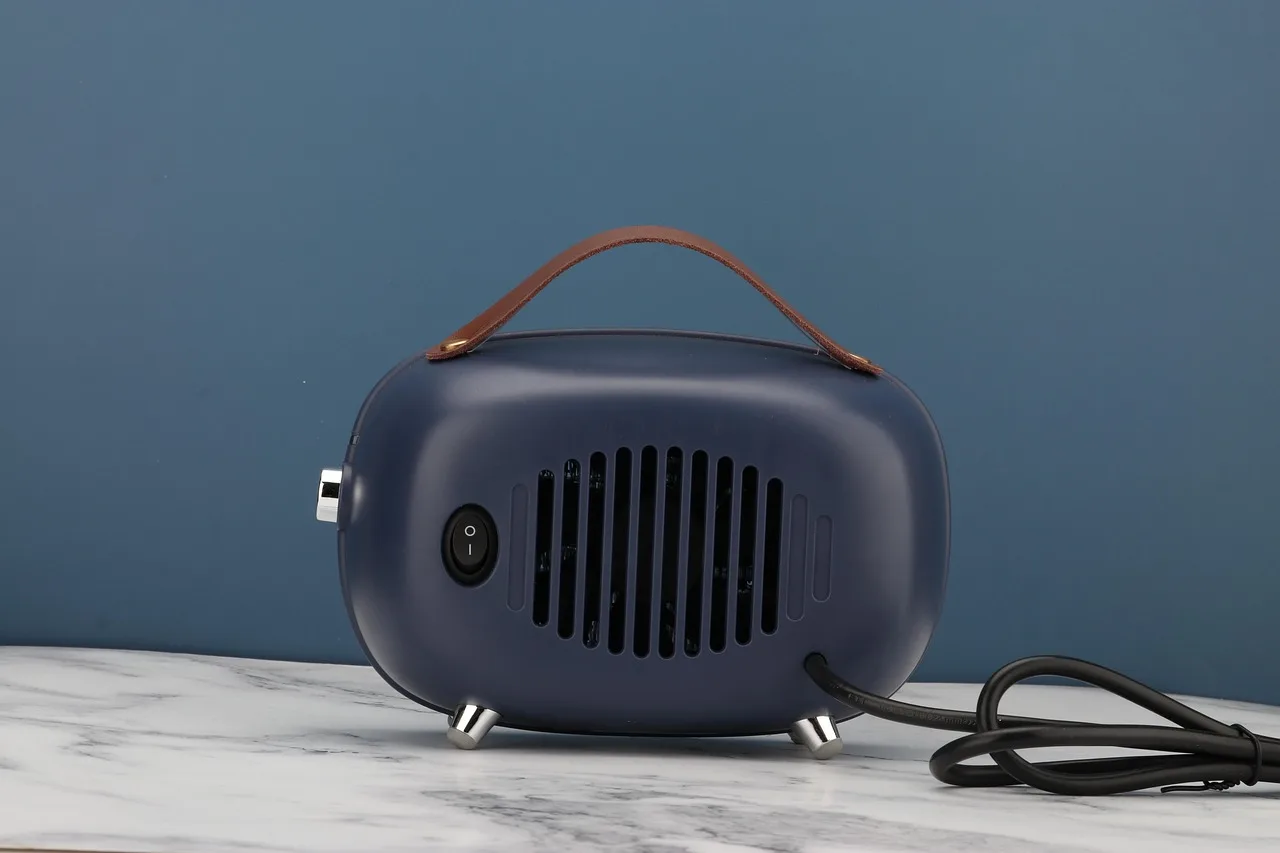
When a heater powers on but won’t warm the room, the failure often sits in one of four places: the thermostat or sensor, the overheat protection path, the thermal fuse or high-limit switch, or the airflow system. A heater can look alive and still refuse to send current to the element or allow enough air across it.
Thermostat and sensor problems
A thermostat set too low will keep the heater from calling for heat. A sensor can also misread the room if the unit sits in recirculated warm air or right beside another heat source. That produces cycling, short bursts of heat, or a heater that feels warm at the grille but does little for the room.
Say your 1500W ceramic heater sits in a corner behind a chair. It may read its own exhaust as room heat, stop early, and never warm the space well. Moving it out into open air often changes the result more than changing the setting does.
Overheat protection and thermal fuse problems
Safety cutoff parts protect against blocked vents, too-close placement, and fan problems. Some reset after a cool-down period; others do not. A thermal fuse is a non-serviceable protection device on many heaters, and a blown one commonly leaves the heater running without heat or completely dead on the heating side.
If the unit repeatedly shuts off after 2–10 minutes in an open area, or the same shutdown happens after careful cleaning, the internal protection path may be doing its job because a deeper fault exists. At that point, replacement or professional service is the safer call.
Airflow restriction and fan problems
Dust buildup, pet hair, and lint can choke the intake or discharge grille. Weak airflow can make the heater run hotter than designed, which then triggers protection. This is common in fan-forced ceramic heaters and can also affect quartz and panel units that rely on surrounding air movement.
Can a dirty filter make a portable heater stop heating? Yes, on models that use a removable filter or intake screen. Clean the filter or grille with the heater unplugged, then recheck airflow before assuming the element has failed.
Troubleshooting steps for a heater that powers on but stays cold
Use this sequence only after you have unplugged the heater and let it cool. Do not open the housing. Do not keep retrying a unit that smells burnt, trips a breaker more than once, or has a hot cord or plug.
- Clean the intake. Vacuum the intake and discharge grille with a brush attachment, then wipe visible dust with a dry cloth. If the unit uses a removable screen or filter, clean that part exactly as the manual directs before retrying.
- Relocate the heater. Put it on a hard, level floor in open space, at least 3 feet from combustibles. This removes carpet tilt, wall recirculation, and blocked vents from the equation.
- Switch outlets once. Test a different outlet on a different circuit with no extension cord or power strip. If another appliance on the same circuit is already running a heavy load, turn it off for the test.
- Observe one full cycle. Let the heater run long enough to see whether it produces warm discharge air or shuts down after 2–10 minutes. That time window helps separate a control issue from overheat protection or an internal fault.
- Stop at the fault line. If the heater still has no heat after cleaning, proper placement, and one outlet test, the likely cause shifts toward a failed sensor, thermal fuse, high-limit switch, or element. Those parts are not a homeowner repair path in most cases.
Suppose a quartz heater warms for a minute, then the room still feels cold and the unit shuts off after 6 minutes on thick carpet. Moving it to a hard floor and clearing the intake may fix the pattern. If it repeats on a flat surface, the issue is no longer a simple placement problem.
Common mistakes
One mistake is treating every no-heat complaint as dust alone. Another is restarting the heater over and over after a shutdown, which can mask the pattern and add stress to an already hot unit. A third is using a power strip or extension cord that drops voltage under load.
Do not place the heater on thick carpet, beside bedding, or right against furniture. Do not keep using it with a burnt odor, repeated breaker trips, or a hot plug. And do not assume a warm grille means the room is getting enough heat; that mismatch is a clue, not a clean bill of health.
When should you stop troubleshooting?
Stop when the outlet or cord shows trouble, when the heater repeats the same shutdown after one cool-down and one relocation, or when the odor is abnormal. A portable heater involved in about 1,600 fires a year from 2020 to 2022 caused about 70 deaths a year and about 150 injuries a year, so repeated faults are not worth pushing through.
Signs the outlet or cord is the problem
If the breaker trips again, the outlet feels loose, or the plug heats up, the power path may be the fault. Move the heater off that circuit and do not keep testing the same outlet. A cord with visible damage or heat marks should end the test immediately.
Signs the heater needs service or replacement
If cleaning, placement changes, and one outlet swap do not change the symptom, the problem likely sits inside the heater. A thermal fuse, high-limit switch, fan motor, or sensor fault can cause a no-heat condition without any obvious external sign. Sealed internal parts are not a homeowner fix.
Prevention
Keep the heater in open space, not in a corner or on soft flooring. Clean the intake and discharge grille regularly, and store the unit where pet hair and lint will not pack into it before the next season.
Frequently asked questions
Why is my portable heater running but not heating?
The most likely causes are a low thermostat setting, blocked airflow, a safety cutoff, or a failed internal protection part. Start with a known-good outlet, then check airflow and placement. If the heater still runs cold after one cool-down and one outlet change, service or replacement is the safer path.
What should I check first when my space heater won’t heat?
Check the mode switch, thermostat, and outlet first. Make sure the heater is not in fan-only mode and is not plugged into a strip or extension cord. Then place it on a hard, level floor with clear space around the vents before testing again.
Can a dirty filter make a portable heater stop heating?
Yes. On models with a removable filter or intake screen, dust can restrict airflow enough to trigger overheat protection or reduce heat output. Clean it with the heater unplugged, then test again. If the unit still overheats or stays cold, the filter was not the only issue.
Why does my heater turn off after a few minutes then come back on?
That pattern usually points to overheat protection or a tip-over switch. Blocked vents, recirculated warm air, carpet, or a bad placement spot can trip it after 2–10 minutes, then let it restart after cooling. Put it on a hard surface in open space and test once more.
Is it safe to keep using a portable heater with weak airflow?
No. Weak airflow can make the heater run hotter than designed and can push it into shutdown or a more serious fault. Clean the intake and discharge grille first. If airflow stays weak after cleaning, stop using the heater until it is inspected or replaced.
How do I know if the problem is the outlet, cord, or heater itself?
Use one known-good outlet on a different circuit, then watch the result. If the breaker trips again or the plug heats up, suspect the power path. If the heater behaves the same in a different outlet after cleaning and proper placement, the fault is likely inside the heater.
When is a no-heat portable heater a repair issue instead of a simple fix?
It becomes a repair issue when the heater still won’t heat after cleaning, relocation, one outlet test, and a full cool-down. Repeated shutdowns, burnt odor, hot plug, or a dead heating function point to a thermal fuse, sensor, high-limit switch, or element problem that should not be opened at home.