Calculating Heater Size For Your Home Explained
Figuring out How to Calculate the Right Heater Size for Your Space can feel tricky, right? It’s a common problem! Lots of folks aren’t sure where to begin. Maybe you’re worried about getting a heater that’s too small and doesn’t warm your place or buying one that’s too big and wastes energy. Don’t worry, it’s easier than you think. This post will give you a step-by-step plan to get it right. You’ll learn how to find the perfect heater size for comfort and savings, so let’s get started!
For the safety side of this topic, Electric Baseboard Heaters for Efficient and Safe Home Heating gives readers a practical next check before using a heater.
For another water-heater question, Are All 40 Gallon Water Heaters Same Size? covers a closely related problem readers often compare next.
If cost, wattage, or efficiency matters, How Much Power Does a Portable Heater Use: Energy Savings Explained adds a useful comparison before choosing a heater.
What Influences Heater Size Calculations
When you’re trying to figure out what size heater you need, several things affect the calculations. It’s not just about the square footage of your space. Things like the climate you live in, how well your house is insulated, and the type of windows you have play a big role. It’s important to consider these factors because they influence how quickly heat escapes from your home, thus requiring a heater that can effectively combat heat loss. This way, you don’t end up with a heater that is either insufficient or wasteful. Getting the right size means your space will be cozy, and you won’t have to pay extra on your energy bill.
Climate Considerations
The climate where you live has a huge impact on the heating requirements for your house. If you live in a place where the winters are freezing, you will need a more powerful heater than someone in a milder climate. The cold weather requires a heater to work harder and more frequently to maintain a comfortable temperature. Places with harsh winters often experience greater heat loss because of the bigger difference between indoor and outdoor temperatures, calling for more powerful heating solutions. By accounting for your local climate conditions, you can choose a heater that is perfectly fitted to handle the seasonal temperatures and maintain your home warm and comfy.
- Extreme Cold: If you live in an area with very cold winters (like northern states or mountainous regions), you’ll need a higher BTU (British Thermal Unit) rating.
- Mild Climate: In milder climates with shorter and less severe winters, a lower BTU heater might be sufficient.
- Seasonal Variations: Consider the range of temperatures throughout the year. If you have hot summers, insulation and other factors will also impact the ideal heater size.
Regions that experience extremely low temperatures often need heaters with higher BTU ratings to counteract the rapid heat loss from their homes. These heaters must be capable of quickly increasing and maintaining indoor temperatures in the face of severely cold weather conditions. Houses in these areas are likely to have more thermal transfer due to greater temperature differences between indoors and outdoors, needing more powerful heaters to keep people comfortable.
In mild climates with less extreme winters, the need for heating is less intensive compared to colder regions. Houses don’t lose heat as quickly, allowing smaller heaters to maintain comfortable indoor temperatures. The smaller differences between outdoor and indoor temperatures mean less energy is needed to warm up the space, making lower BTU heaters an economical and efficient option.
It’s important to consider not only the coldest months but also the full range of seasonal temperature variations. When choosing a heater, think about the highest temperatures you’ll need to reach. The ability of a heater to work in warm weather affects the overall efficiency and comfort levels. Homes with poor insulation can lose heat rapidly, but those with better insulation may need heaters that are less energy-intensive. Planning for both hot and cold seasons is vital for a comfortable and energy-efficient heating setup.
Insulation and Heat Loss
Insulation is super important for your home’s energy use and how well your heater works. Good insulation keeps heat inside during the winter and stops heat from getting in during the summer. If your house has poor insulation, heat escapes more easily, meaning your heater has to work harder to keep your place warm. That could make you spend more on your energy bill. The amount and quality of the insulation in your walls, roof, and floors greatly affect heat loss and therefore your heater needs. Assessing insulation levels helps you choose a heater that’s strong enough to keep your space cozy without costing you a ton of cash.
- Wall Insulation: Walls are a big source of heat loss. Well-insulated walls reduce the amount of heat that escapes.
- Attic Insulation: A significant amount of heat can escape through the roof. Make sure your attic is properly insulated.
- Window Type and Efficiency: Double-pane or triple-pane windows offer better insulation than single-pane windows.
Proper wall insulation is important for keeping your house warm and comfortable in the winter. Walls that are well-insulated prevent heat from escaping to the outside. This means your heater doesn’t have to work as hard, and you can save money on energy bills. Well-insulated walls are a must for energy-efficient homes. They are crucial for reducing energy use and making your home cozier.
The attic is a major point of heat loss. Proper attic insulation creates a thermal barrier that prevents heat from escaping through the roof in the winter. By maintaining stable indoor temperatures and decreasing the workload on your heater, insulation helps save money and boost overall efficiency. Houses with properly insulated attics tend to be more energy-efficient and comfortable, requiring less energy for heating.
The type and efficiency of your windows have a huge effect on how well your house holds heat. Double-pane or triple-pane windows are much better at stopping heat loss than single-pane windows. They have multiple layers of glass with air or gas filled in between to boost insulation. Upgrading to more efficient windows can significantly reduce heat loss, creating a more comfortable indoor environment while also lowering heating costs. Consider the quality of your windows when calculating your heating needs.
Room Size and Layout
The size and layout of a room are important when selecting a heater. Larger rooms need more powerful heaters to warm them efficiently, while smaller rooms can get away with heaters that produce less heat. The layout of a room, including its shape, height, and any unusual features, also affects heat distribution. Open floor plans need stronger heaters because there’s more space to heat. The location of the heater within the room is equally important for even heat distribution. Thinking about these aspects helps you select a heater that perfectly matches your area’s unique features, resulting in a cozy and energy-efficient heating experience.
- Square Footage: Measure the room’s length and width to find its square footage. This is a basic starting point for calculating heater size.
- Room Height: Higher ceilings mean more air to heat. Factor in the room’s height when calculating volume.
- Open Floor Plans: Open floor plans may require more powerful heaters, as heat can easily spread throughout the space.
The square footage of a room is the core number for calculating the appropriate heater size. Multiply the room’s length by its width to find this. For example, a room that is 10 feet wide by 12 feet long has a square footage of 120 square feet. This area is then used with other factors, like climate and insulation, to decide on the appropriate BTU rating for an effective and efficient heating system. A good measurement of the area is essential for ensuring your heater performs well.
Higher ceilings greatly increase the volume of air that your heater has to warm. Standard calculations for heater sizes typically only factor in the area, not the full space. Rooms with tall ceilings need more powerful heaters to ensure even heat distribution. When evaluating your heating needs, think about the room’s cubic footage, which is the product of area and ceiling height. This will ensure that your heater is able to provide an adequate level of warmth in the entire area.
Open floor plans pose special challenges in heating because heat can easily spread across a wider area. These designs remove the barriers of walls and doors. A single heater in an open area must heat a larger volume of air compared to rooms that are separate. You might have to select a heater with a higher BTU rating or even think about heating multiple zones to ensure that every part of the space is comfortably heated. Open floor plans can benefit from strategically placed heaters or systems that heat the entire area efficiently.
Calculating the Right BTU for a Heater
The British Thermal Unit (BTU) is a unit of measurement that describes how much energy a heater uses to create heat. Knowing how to correctly calculate the BTU requirements for a space is the key to selecting a heater that’s both effective and energy-efficient. Calculating BTU involves a series of steps to account for the size of your space, the climate, and the insulation in your house. The result is a number that helps you to find a heater that will efficiently heat your space while helping save money on energy bills. Let’s explore how to calculate the correct BTU.
Formula and Conversion
There is a basic formula you can use to calculate how many BTUs you need. The formula helps you find the right heater size for your room. You’ll need to know a few things to get started, such as the area of the room and the insulation quality. The formula uses this information to help you figure out how many BTUs you need, which tells you how much heat your heater must produce to heat your space. This helps in making sure the heater does a good job without wasting energy.
- Basic Formula: Start with the square footage of your room. Multiply this by a factor based on your insulation.
- BTU per Square Foot: Use a BTU per square foot calculation that considers insulation and climate.
- Adjustments: Consider adding BTUs for rooms with multiple exterior walls, poor insulation, or drafty windows.
The starting point for calculating your heating needs is to calculate the square footage of the room. Once you have this number, multiply it by a factor that depends on how well your house is insulated. For example, for a room with average insulation, the factor might be around 20 BTUs per square foot. If the room has very good insulation, you could reduce this factor. This basic formula gives a starting point for the number of BTUs your heater must provide to keep your area warm and cozy.
Determining the BTU per square foot is a key step in evaluating your heating needs. This calculation takes into account both your house’s insulation and the climate conditions where you live. For a home with normal insulation in a temperate area, the suggested BTU per square foot could be between 20-25. If the home has poor insulation or is located in a colder area, you may need a higher BTU per square foot. This approach ensures your heater can work effectively in its specific environment.
Once you have a base BTU calculation, adjustments are important to make sure it is accurate for your room’s specific characteristics. Add BTUs for rooms with more exterior walls, which lose heat more quickly. Likewise, if your house has poor insulation or drafty windows, you’ll need to add BTUs to account for extra heat loss. These alterations improve the accuracy of the final calculation and help ensure your heater efficiently and effectively heats your space.
Using BTU Calculators
BTU calculators are useful tools. These calculators help simplify the process of evaluating your heating needs by offering a straightforward way to calculate BTUs. Inputting details about your area, such as the square footage, insulation type, and climate, is the only task required. The calculator then does the work. These calculators make it easy for anyone to find the correct heater size without having to manually calculate the number. They offer a simple way to figure out heating needs for any space.
- Online Calculators: Many websites offer free BTU calculators. Search online for “BTU calculator” to find these tools.
- Inputting Information: You’ll usually need to enter the room’s square footage, ceiling height, and insulation details.
- Interpreting Results: The calculator will provide a recommended BTU range. Use this to select a heater.
Numerous websites have free BTU calculators. They are easy to find with a simple online search. These calculators allow you to enter information about your area, such as its size, insulation, and the local climate, so they can estimate the BTU needs for your space. Using these online calculators can save time and energy, giving you a quick and accurate estimate of the heater size that you need. These are an excellent resource for anyone who wants a straightforward way to select the right heater.
When using a BTU calculator, you’ll need to give it specific details about your room and your house. This includes the room’s square footage, its ceiling height, and the quality of the insulation. The more precise the information that you supply, the more accurate the BTU calculation will be. Being as accurate as possible with these details will help the calculator offer a reliable estimate for your heating needs, allowing you to choose the perfect heater size for your house.
After you have entered the data and the calculator has finished, it will give a suggested BTU range, indicating the required heat output for your room. If the calculator suggests a range, consider the factors discussed above, such as insulation quality and climate. With the result, you can evaluate various heater models to find one that has a BTU rating that matches your needs. This range makes it easier to choose a heater that is the right size for your home.
Real-Life Examples
Let’s look at a few examples to see how the calculations work in real life. These case studies will help you see the factors and how they work. Understanding these examples can help you to calculate the right heater size for your area. These examples show how everything, from the room’s area to the quality of the insulation, plays a crucial part in the selection process.
- Example 1: Average Room
A living room is 200 square feet with average insulation in a temperate climate. The calculation starts by multiplying 200 square feet by 20 BTU per square foot, resulting in 4,000 BTUs. Then, consider adding an extra 500 BTUs to account for drafty windows. The final recommended heater size is 4,500 BTUs, which offers effective warmth in the space.
- Example 2: Cold Climate, Poor Insulation
A bedroom in a colder region that is 150 square feet and has poor insulation. The calculation starts by multiplying 150 square feet by 30 BTU per square foot, yielding 4,500 BTUs. Since the insulation is bad and the area is in a colder region, an extra 1,000 BTUs are added. The ideal heater size is 5,500 BTUs to provide sufficient heat in this condition.
- Example 3: Well-Insulated Room
A home office that is 100 square feet with excellent insulation in a mild climate. The calculation starts by multiplying 100 square feet by 15 BTU per square foot, for a total of 1,500 BTUs. Then, add an extra 200 BTUs to accommodate for its two outside walls. This calculation reveals the ideal heater size, which is 1,700 BTUs, providing energy-efficient warmth in the space.
Choosing the Right Heater Type
After you have calculated the required BTU for your space, the next step is to choose the correct type of heater. Heaters come in many different forms, each one designed to work in different scenarios. Electric heaters, gas heaters, and portable units all have unique benefits and are best for particular situations. Considering your specific requirements, such as the space size, your access to fuel sources, and your personal preferences, helps you find the most efficient and cost-effective heating solution for your home.
Types of Heaters
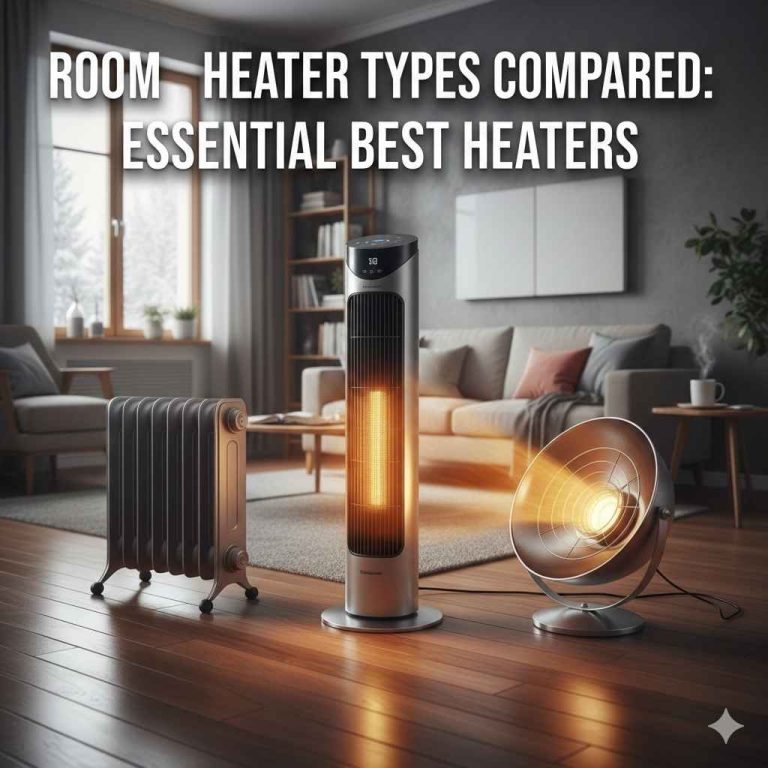
Several kinds of heaters are available. Each kind uses a different technology to deliver warmth to your house. Understanding the variations among these heaters can help you make an educated choice. Things to think about are the efficiency, the initial costs, and your access to utilities such as gas or electricity. The best heater for you depends on where you live and your needs. From electric to gas and portable heaters, there is a heater that is perfect for any space.
- Electric Heaters: These are easy to use, as you just plug them into an outlet. They are great for small spaces.
- Gas Heaters: These use natural gas or propane to provide heat. They are often more cost-effective for larger spaces.
- Portable Heaters: Portable heaters are versatile and easy to move between rooms.
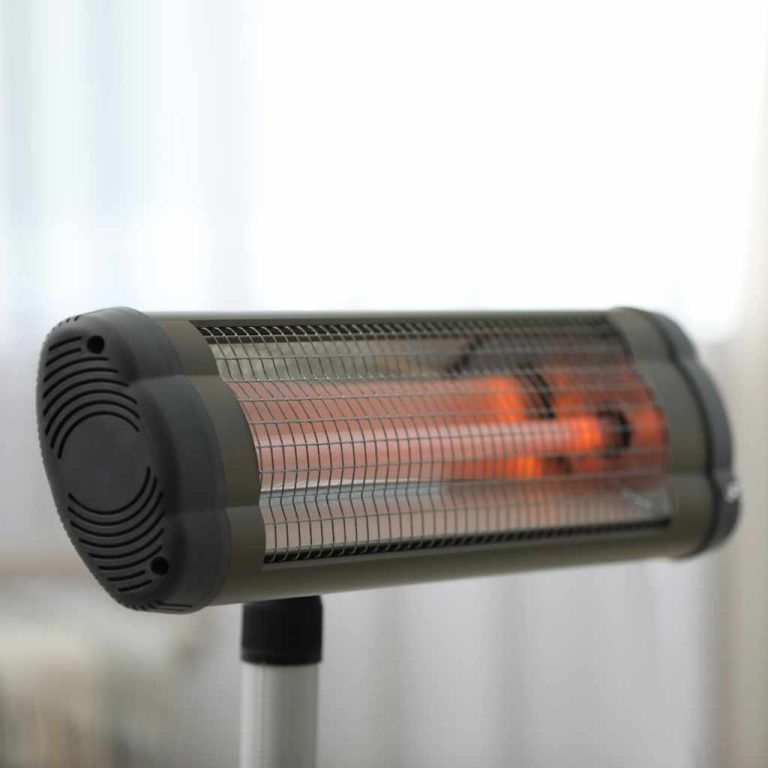
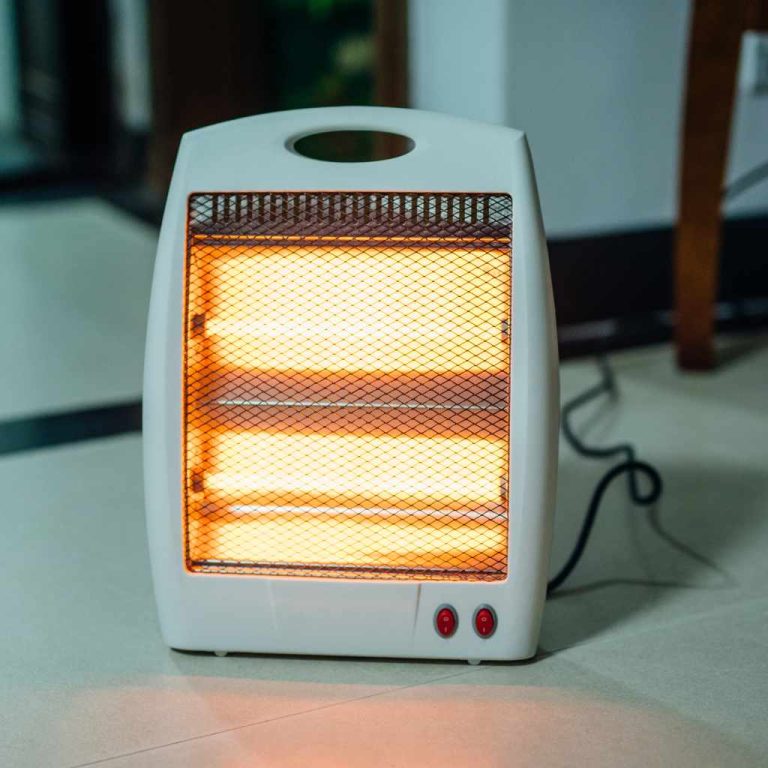
Electric heaters are user-friendly choices because you simply plug them into a standard outlet. They are best for heating small spaces or individual rooms, and don’t need gas lines or special installation. Some popular types of electric heaters include space heaters, fan-forced heaters, and radiant heaters. They are an accessible and portable alternative, giving immediate and targeted warmth, although they may cost more to run over time compared to gas heaters if electricity rates are high. This makes them a useful option for any home.
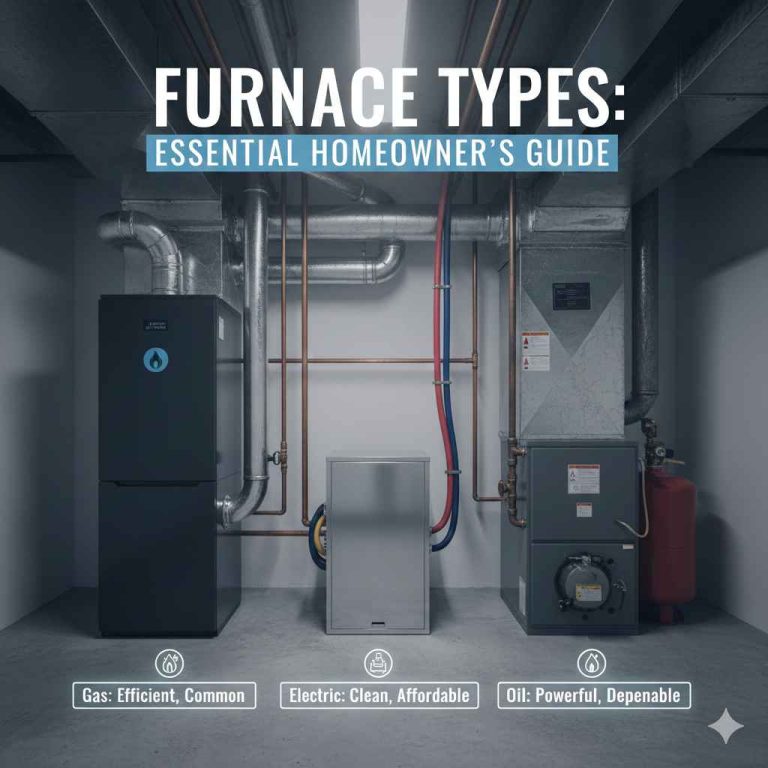
Gas heaters make use of natural gas or propane, providing efficient and powerful heating that’s often better for larger spaces or whole-house heating. These heaters may be more costly up front because of professional installation requirements. However, gas heaters are frequently more economical to operate than electric heaters, particularly if you have access to affordable gas sources. Choices include furnaces, wall heaters, and space heaters, giving a reliable and strong heat source. Ensure that you follow all safety guidelines when using gas heaters.
Portable heaters are a flexible heating solution that can be moved from one room to another. They are great for providing extra heat where and when you need it. Portable heaters are available in both electric and gas models. When choosing a portable heater, you must think about the size of the room, the safety features, and the heating needs of your area. They provide easy and mobile warmth.
Safety and Efficiency
The safety and efficiency of your heater are vital for both your comfort and your home’s energy use. Safety measures, like having automatic shut-off features and certifications from safety organizations, help to avoid accidents and make sure your heater is safe to use. You can also improve energy efficiency by selecting heaters with high energy ratings. Taking these elements into consideration will help you save money on your energy bills and ensure that your heating system is safe for you and your family.
- Safety Features: Look for heaters with tip-over shut-off, overheat protection, and safety certifications.
- Energy Efficiency: Choose heaters with a high Energy Efficiency Ratio (EER) or Energy Star rating to save on energy costs.
- Proper Ventilation: Ensure the area is well-ventilated, especially when using gas heaters, to avoid carbon monoxide buildup.
When selecting a heater, always prioritize safety features such as tip-over shut-off, which turns the heater off automatically if it falls over. Overheat protection is equally important, as it helps prevent fires. Ensure the heater is certified by reputable organizations, such as Underwriters Laboratories (UL) or Intertek (ETL). These features help safeguard your safety while you are using the heater, giving peace of mind that it will function safely.
Energy efficiency is an important factor to consider when choosing a heater. Look for heaters that have a high Energy Efficiency Ratio (EER) or an Energy Star rating. An Energy Star-certified heater uses less energy. Choosing an efficient heater can reduce your energy bills and minimize your carbon footprint. Always compare the EER ratings of various models to find the most efficient option for your needs. This results in significant savings and a greener home.
Proper ventilation is essential, especially when you use gas heaters. Make sure the space is properly ventilated. Gas heaters, such as furnaces, require adequate ventilation to eliminate combustion byproducts, which could include carbon monoxide. Make sure you have carbon monoxide detectors installed and that you follow all the maker’s instructions for appropriate ventilation. Adequate ventilation guarantees your safety. This prevents hazardous fumes from accumulating in the area.
Maintenance Tips
Regular maintenance can extend the life of your heater and keep it operating at peak efficiency. Simple tasks like cleaning the heater’s filters, checking for leaks, and getting the heater serviced by a professional will help make sure it works correctly. Regular maintenance boosts its performance and helps prevent failures. Taking care of your heater ensures it offers dependable heat while keeping your energy expenses down. Making sure that your heater is well-maintained is a smart way to protect your investment and make sure it is safe to use.
- Cleaning Filters: Clean or replace filters regularly, especially in electric heaters, to maintain efficiency.
- Checking for Leaks: For gas heaters, inspect gas lines regularly for leaks.
- Professional Servicing: Get your heater serviced by a professional once a year to ensure optimal performance and safety.
Regularly cleaning or replacing your heater’s filters is important for keeping it working effectively. Over time, dust and debris can accumulate in the filters, which lowers airflow and the heater’s heating efficiency. Make a habit of checking and cleaning or replacing filters often. This easy maintenance task helps improve your heater’s performance. Clean filters ensure better air quality. Proper care boosts the heater’s lifespan and helps keep energy costs low. Make cleaning filters a regular habit.
Inspect gas lines frequently for leaks if you have a gas heater. Any gas leaks can be dangerous. Be alert for the smell of gas, which can be a sign of a leak. Check all gas connections and lines for any cracks or loose connections. If you find a leak, turn off the heater right away and seek a trained technician to fix the problem. Gas heaters must be maintained to ensure safe operation. Periodic checks help reduce any risks.
You must have your heater serviced once a year by a trained professional to ensure optimal performance and safety. A professional will check and clean all heater parts, and they’ll also identify and fix any potential problems. This helps to extend the lifespan of your heater and keep it operating efficiently. Schedule a professional service. This helps ensure your heating system works safely and efficiently. Routine maintenance can also help reduce the chances of sudden failures.
Frequently Asked Questions
Question: How do I measure a room for heating purposes?
Answer: Measure the length and width of the room in feet, then multiply these numbers to find the square footage. For room volume, multiply the square footage by the ceiling height.
Question: What’s the difference between BTU and wattage?
Answer: BTU (British Thermal Unit) measures the amount of heat a heater produces, while wattage measures the amount of electrical power it consumes.
Question: Can I use a space heater in a small, enclosed room?
Answer: Yes, but ensure the room is well-ventilated and that the heater has safety features, like an automatic shut-off. Follow the manufacturer’s safety guidelines.
Question: How often should I replace a heater’s filter?
Answer: It depends on the filter type and how often you use the heater. Generally, check the filter every month and clean or replace it every 1-3 months.
Question: What are some common signs that a heater is too small?
Answer: If the heater runs constantly but the room doesn’t get warm, if it struggles to heat the space, or if the room is consistently colder than the set temperature.
Final Thoughts
Selecting the right heater size for your home doesn’t have to be hard. By considering the factors that influence heating needs, such as the climate, insulation, and room size, you can make a good choice. Calculating the correct BTU requirements is key, so use the formulas, tools, and examples presented to get you started. Make sure you also think about the different types of heaters available and their safety measures and energy efficiency. Remember, choosing the right heater can make your home cozy and help you save money on energy bills. Start by measuring your space and looking at your local climate to get the ideal fit for your needs. With this information, you can get a comfortable and energy-efficient home heating system.