Can a Heater Cause Mold if Used Wrong? Signs and Fixes
Yes, used the wrong way, a heater can help mold by warming air without removing moisture. That pushes condensation onto cold walls, windows, and corners. If humidity stays above 60%, mold risk rises fast. Ignore that, and a damp room can turn into a costly cleanup, with damaged paint, rotten trim, and musty odors. This guide explains why heated rooms still mold, where condensation forms, and the fixes that stop moisture feeding growth.
Can a heater cause mold if used wrong?
The heater is usually not the source of mold. The source is moisture that stays in the room, then condenses on cold surfaces after the air is warmed. Mold grows in damp places, and it tends to prefer 77°F to 86°F, so heat alone does not solve the problem if water is still present.
This mistake comes up often. A heater can make the air feel drier near the unit while the far side of the room still has wet corners, cold windows, or damp wall surfaces. That is how a room can smell stale, show spotting on trim, and still feel warm enough to fool the occupant.
How heating can hide dampness while mold keeps growing
Warm air can hold more water vapor than cool air. So when a room is heated, the relative humidity may drop near the heater even though the total moisture in the room has not been removed. If that moisture then hits a cold wall or window, it turns back into liquid water.
That is why heat can hide the problem. The air seems better, but the building surface still stays wet long enough for mold to spread across paint, caulk, drywall paper, or window frames.
According to Will Heating Kill Mold? Unraveling the Myth and the Science — Mold tends to prefer 77°F to 86°F.
Why does my room get moldy when I run the heater?
A heated room can still get moldy when warm air meets a cold surface and leaves condensation behind. The heater changes air temperature first. It does not automatically dry building materials, stop leaks, or fix poor insulation. If those cold spots stay wet, mold can keep growing there.
Warm air, cold walls, and condensation on the surfaces that stay cold
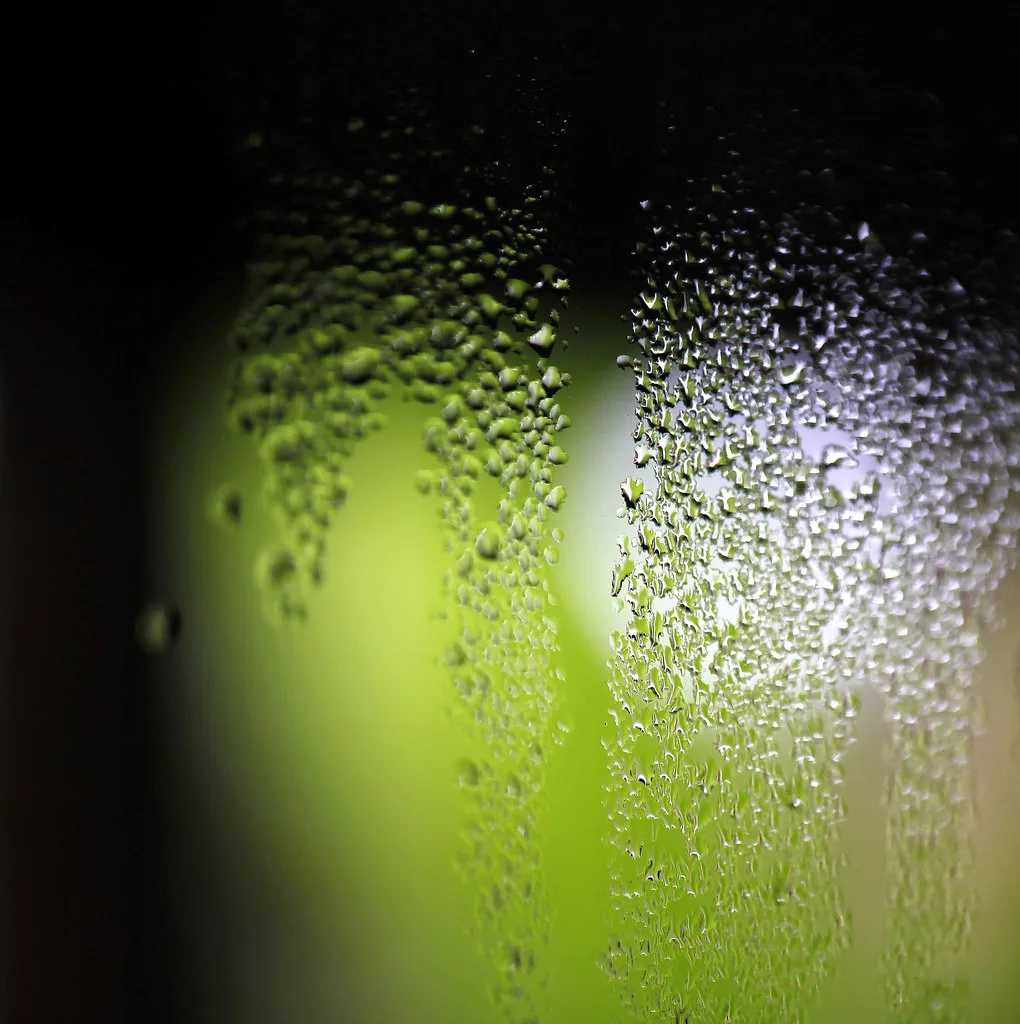
Condensation happens when warm, moist air meets a colder surface, cools, and leaves water on that surface. Windows usually show it first. Exterior walls, corners, and areas behind furniture are next, because air moves there poorly and surfaces remain colder than the rest of the room.
This is why a room can feel less humid while the window frame still beads water. The air and the surface are not behaving the same way.
Why a room can feel drier while corners, windows, and exterior walls stay wet
People often judge by comfort alone. That misses the surface problem. A heater can make the center of the room feel better, yet the coldest spots still sit below the dew point and collect moisture. The result is hidden dampness, especially behind curtains, large furniture, and wall hangings.
Common failure points: poor insulation, leaks, and blocked air flow
Poor insulation keeps surfaces cold. Leaks and wet building materials keep feeding moisture. Blocked air flow lets damp air sit in one place long enough to condense. Those three conditions are often the reason a heater seems tied to mold, when the real issue is what the heater did not fix.
What humidity level prevents mold indoors?
For most homes, indoor relative humidity should usually stay in the 30% to 50% range for mold prevention. A hygrometer matters because guessing by comfort is unreliable. If indoor humidity stays high for long enough, mold risk can increase, especially on colder surfaces and in rooms with poor air exchange.
Indoor relative humidity target range
Relative humidity is a percentage of how much water vapor the air is holding compared with what it could hold at that temperature. Lower is usually safer for mold control, but very dry air can be uncomfortable. In practice, the middle of the 30% to 50% band is a useful target.
Why a hygrometer matters more than guesswork
A room can feel warm and still be damp. A hygrometer gives a number instead of a guess. That matters because a heater can change temperature quickly, while moisture may lag behind. Checking the reading near the coldest wall, not only in the middle of the room, gives a better picture.
When to use a dehumidifier with heat
If the room is heated but humidity remains high, a dehumidifier should usually do the heavy lifting. Heat and dehumidification can work together, but the dehumidifier removes water from the air while the heater helps surfaces stay above the condensation point. That pairing is useful in basements and damp bedrooms.
| Reading or condition | What it means | Best next step |
|---|---|---|
| 30% to 50% RH, dry surfaces | Lower mold pressure | Heating is usually neutral if ventilation stays adequate |
| Above 60% RH | Mold risk rises fast | Use a dehumidifier, improve ventilation, and find the moisture source |
| Condensation on windows or walls | Cold surface is wet even if air feels warm | Heat may help only if paired with moisture removal |
| Visible mold or soft, stained drywall | Material is already affected | Remove source moisture first; cleaning alone is not enough |
How do different heater types affect mold risk?
Heater type matters because some units change moisture and indoor air quality, while others mostly change temperature. Electric space heaters do not add moisture from combustion. Combustion heaters can. Fan-forced units move warm air around faster; radiant units warm people and nearby objects more directly, which changes where condensation breaks first.
Electric space heaters: what they change and what they do not
Electric space heaters warm the air and nearby surfaces. They do not remove moisture on their own. A good electric heater may help keep a cold wall or window slightly warmer, which can reduce condensation at the surface. But if the room is already damp, the heater is only part of the fix.
Fan-forced versus radiant heat in damp rooms
Fan-forced heat mixes air faster. That can help even out room temperature and reduce cold pockets. Radiant units create a stronger warm zone near the heater, which may leave farther corners cold. In a damp room, the fan-forced type can be better at moving warm air to cold surfaces, but neither type removes water.
Why unvented kerosene heaters can add moisture and indoor air risks
Unvented kerosene heater units are portable, unvented, and fuelled by kerosene. They release combustion products into indoor air. They can emit carbon monoxide and also release nitrogen dioxide. That means they can add air quality problems while failing to solve the moisture source behind mold.
Use care with any space heater. Space heaters can be a serious fire hazard when used the wrong way, and home heating equipment is a common cause of fires and injuries. They should be kept at least three feet from combustibles and should not be plugged into power strips or surge protectors. Home heating fires are especially common in winter.
Where heater placement makes mold or safety problems more likely
Placement changes both drying and safety. A heater too close to a wall, curtain, or chair can dry one small area while leaving the rest of the room cold. It can also create a fire hazard. Good placement keeps air moving, preserves clearance, and avoids blocking the path out of the room.
Clearance from furniture, curtains, and walls
Keep space heaters at least three feet from combustibles. That means curtains, bedding, upholstered chairs, cardboard, and similar items. Wall spacing matters too, because heat trapped close to a surface can warm one patch while leaving the larger damp area untouched.
Avoiding blocked exits and trapped hot spots
Do not place a heater where it blocks a doorway or creates a cramped hot zone. If air cannot circulate, the heater may overheat a small pocket without drying the room evenly. That leaves mold risk in the same cold corners and also raises the chance of a burn or fire.
How placement affects airflow and surface drying
A heater placed to push warm air across a cold wall can be useful only when the room also has a path for moisture to leave. If the air has nowhere to go, the heater may simply move damp air around. Placement should support both warming and ventilation, not one without the other.
Room-by-room checklist: when heat helps, when it is neutral, and when it may worsen mold risk
This checklist is the practical rule set. Start with surface dampness, ventilation, and the hygrometer reading. Then label the room based on what is actually happening, not on how warm it feels.
- Heater helps when humidity is in the 30% to 50% range, surfaces are dry, and air can move across cold spots.
- Heater neutral when the room is dry enough but already warm, or when the heater changes comfort without changing humidity or surface moisture.
- Heater may worsen mold risk when humidity stays above 60%, condensation is visible, or the room has damp walls, leaks, or blocked air flow.
Bedrooms with damp walls
Bedrooms often trap moisture from breathing and closed doors. If the walls are damp or the windows sweat in the morning, heat alone is not enough. The heater helps only if the room is ventilated and the moisture source is controlled. Otherwise, it can leave bedding and corners in a humid pocket.
Basements with cool concrete and weak air flow
Basements are high risk because concrete stays cold and air movement is weak. A heater may make the room feel better while moisture still condenses on the slab, sill plate, or lower walls. In this setting, a dehumidifier is often the main response, with heat used only to support surface drying.
Bathrooms and kitchens after showers or cooking
These rooms generate moisture fast. Heat without exhaust is a weak response. Use bathroom and kitchen exhaust first, then add heat only if the room still needs it. Otherwise, steam stays in the space long enough to hit cold tile, grout, paint, and window frames.
Poorly insulated rooms with cold exterior surfaces
Poor insulation makes one room behave differently from the rest of the house. The air may warm quickly, but exterior walls stay cold and collect condensation. In that case, the heater is only a partial aid. Air sealing, insulation repair, and moisture control are the real fixes.
How do I use a heater without creating mold?
Use a heater to support drying, not to replace moisture control. Start by checking humidity, then use ventilation and a dehumidifier if needed. Keep the heater clear of combustibles and aim it so warm air reaches cold surfaces. If the room is still wet, fix the source first.
Practical steps
Follow these steps in order:
- Check indoor relative humidity with a hygrometer.
- Look for condensation on windows, corners, and exterior walls.
- Run exhaust fans in bathrooms and kitchens.
- Use a dehumidifier if humidity stays in the roughly 50% to 60% range for a while.
- Place the heater with at least three feet of clearance.
- Keep it away from walls, curtains, bedding, and exits.
- Fix leaks, wet insulation, and hidden damp materials.
What heat cannot do
Heat cannot replace source moisture removal. It cannot dry soaked drywall deep inside a wall cavity. It cannot clean up visible mold by itself. Severe growth often needs professional mold remediation, and that work usually starts with removing wet materials or stopping the leak, not running the heater longer.
Is it safe to use a heater in a bedroom with damp walls?
It may be safe only if the heater is placed correctly, the room is ventilated, and the damp wall problem is temporary and small. If the wall is wet from a leak, chronic condensation, or hidden damage, heat is not the fix. The moisture source must be found and corrected first.
Use extra caution with combustion heaters in a bedroom. Unvented kerosene heater units can add combustion products to indoor air and can emit carbon monoxide and nitrogen dioxide. In sleeping rooms, that risk makes electric heat the safer category, though it still will not solve damp walls on its own.
Can unvented heaters increase indoor moisture problems?
Yes. Unvented heaters can increase indoor moisture problems because they add combustion byproducts to the room and do not send exhaust outdoors. That can worsen humidity, indoor air quality, and condensation risk, especially in small rooms or spaces that already have poor ventilation and cold surfaces.
That is why heater type matters. An electric unit mostly changes temperature. An unvented combustion unit can change temperature and also add indoor air contaminants. If the goal is mold control, adding moisture or exhaust byproducts is the wrong direction.
Frequently asked questions
Can space heaters make condensation worse?
They can, if they warm the air without dealing with the moisture source. The heater may shift condensation from the middle of the room to colder edges, especially on windows and exterior walls. If ventilation is poor, the added warmth can hide the issue instead of fixing it.
Does heating a damp room stop mold?
Not by itself. Heating may slow surface wetting in some cases, but mold control depends on lowering moisture and drying the source. If the room has a leak, wet materials, or humidity above the target range, heat alone will not stop growth. A dehumidifier and ventilation usually matter more.