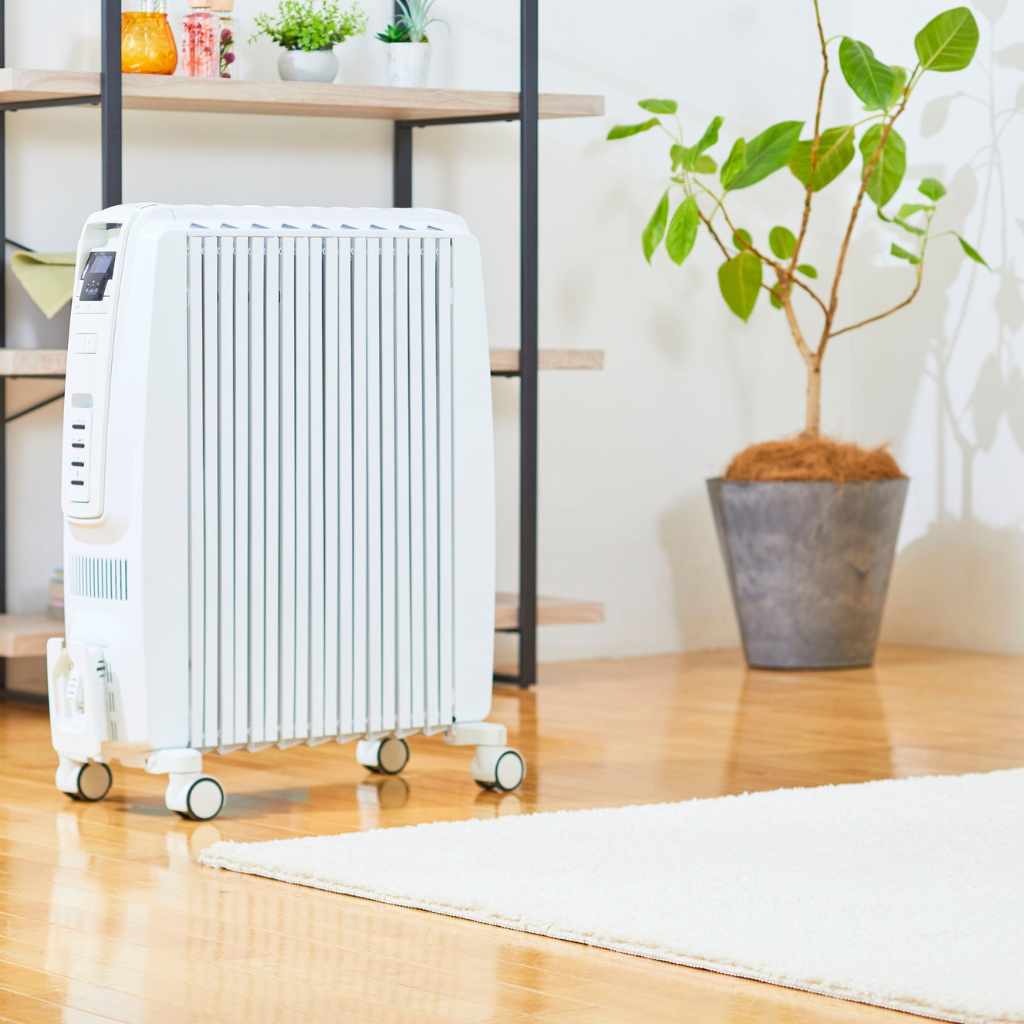
Radiant Heater Vs Ceramic Heaters Efficiency: Ultimate Heat Showdown
Choosing the right heater can make a big difference in how warm and comfortable your space feels—and how much you pay on your energy bill. You might be wondering: should you go for a radiant heater or a ceramic heater?
For portable or electric heater comparisons, Blue Flame Vs Radiant Propane Heaters: Efficiency Showdown gives readers another helpful angle before buying or using one.
For portable or electric heater comparisons, Infrared Heaters Vs Others: Heat Efficiency Showdown gives readers another helpful angle before buying or using one.
For vehicle heating questions, Sauna Carbon Vs Ceramic Heaters gives readers a related follow-up to check.
Both promise warmth, but which one truly delivers the best efficiency for your needs? You’ll discover the key differences that impact how well these heaters perform. By the end, you’ll know exactly which option saves you money and keeps your home cozy, no matter the chill outside.
Keep reading to find the perfect heater for your comfort and wallet.
How Radiant Heaters Work
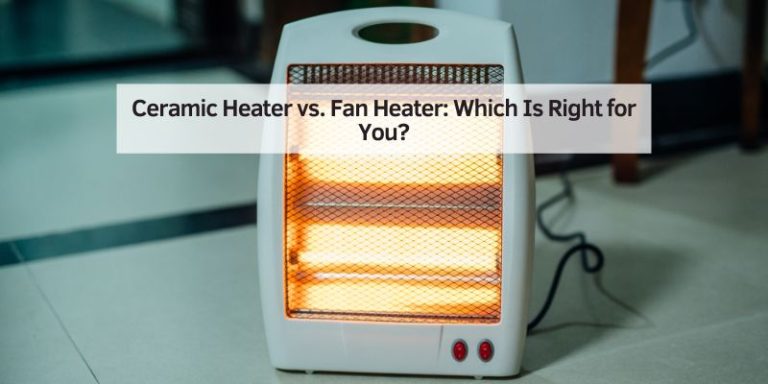
Radiant heaters warm objects and people directly. They do not heat the air first. This method saves energy and feels cozy fast. Radiant heat is similar to the warmth felt from sunlight.
Radiant Heat Technology
Radiant heaters use infrared light to send heat. This light travels through the air without warming it. When it hits a surface, the heat is absorbed. That surface then warms the surrounding area. This direct heat transfer is efficient and quick.
Best Use Cases
Radiant heaters work well in small spaces. They are ideal for spot heating. Use them in rooms where you stay for short times. Perfect for garages, patios, or offices. They keep you warm without wasting energy on the whole room.
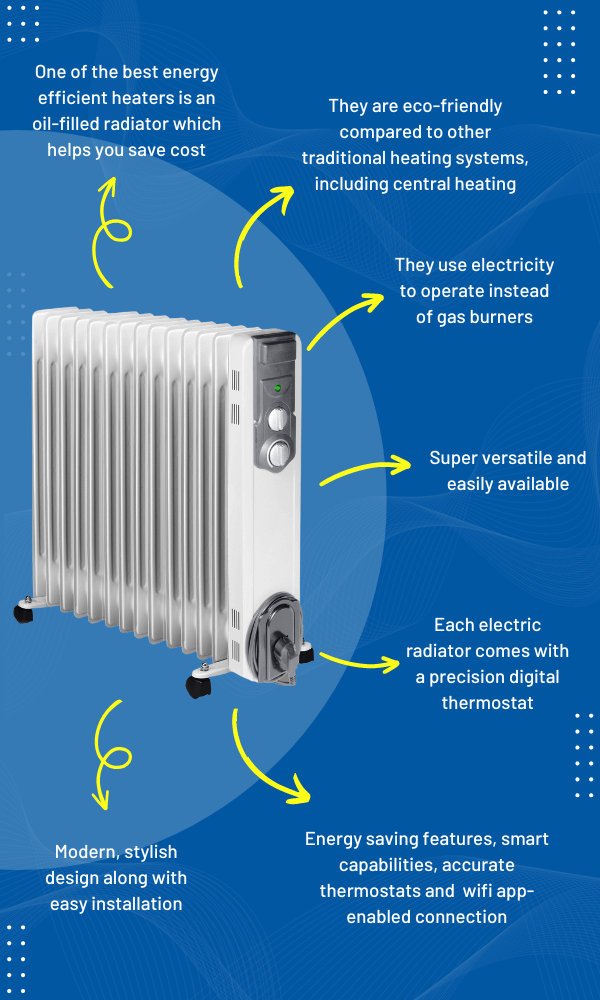
How Ceramic Heaters Work
Ceramic heaters offer a unique way to warm spaces efficiently. Their design focuses on quick heat production and steady warmth. Understanding how they work helps choose the right heater for your needs.
Ceramic Heating Elements
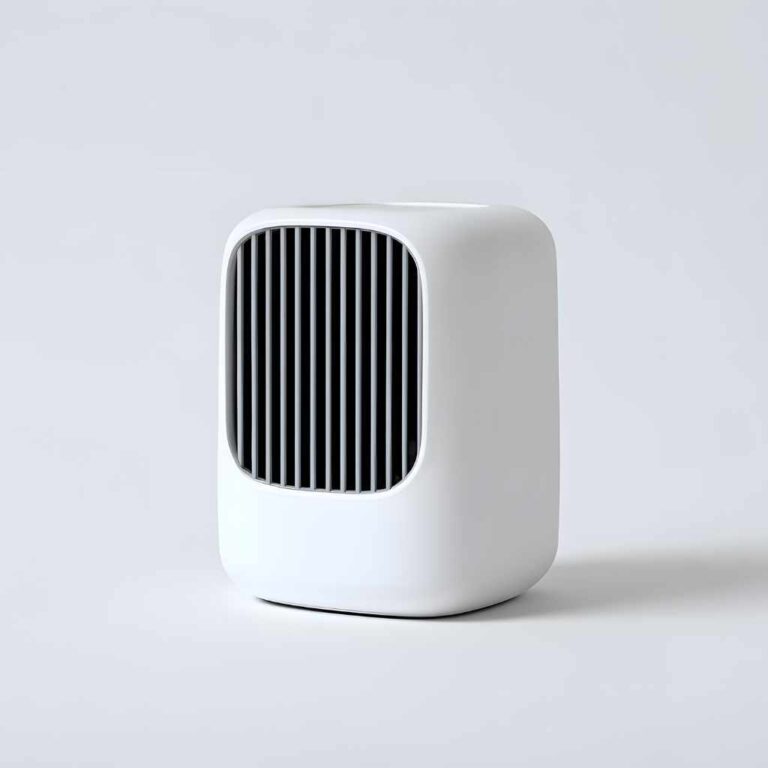
Ceramic heaters use ceramic plates as heating elements. Electricity passes through these plates, heating them quickly. The ceramic material holds heat well, releasing it evenly. A fan often blows air over the plates to spread warmth faster. This design saves energy and heats rooms quickly.
Ideal Environments
Ceramic heaters work best in small to medium rooms. They are great for bedrooms, offices, and small living areas. These heaters provide steady warmth without overheating the space. They are safe for homes with children or pets. Ceramic heaters also perform well in dry climates.
Energy Consumption Comparison
Energy consumption plays a big role in choosing the right heater. Understanding how much power these heaters use helps save money and energy. Radiant heaters and ceramic heaters work differently. Their energy use varies depending on design and function. Let’s explore how they compare in energy consumption.
Power Usage
Radiant heaters use electricity to warm objects directly. This method heats faster in small spaces. They usually run at a steady power level. Ceramic heaters use a ceramic element to heat the air. They often have adjustable settings to control power. Ceramic heaters may cycle on and off to keep temperature. Power use depends on the size and setting of the heater. Both types generally use between 750 to 1500 watts.
Cost Efficiency
Radiant heaters save energy by heating people, not the air. This reduces wasted heat in open areas. They are ideal for spot heating. Ceramic heaters warm the air, which can be lost through drafts. This may increase energy use in large rooms. Running a radiant heater for short periods costs less. Ceramic heaters are better for longer use in enclosed spaces. Choosing the right heater depends on your heating needs and room size.
Heat Distribution And Speed
Heat distribution and speed are key factors in choosing between radiant and ceramic heaters. They affect how quickly a room feels warm and how evenly the heat spreads. Understanding these aspects helps pick the best heater for your space.
Warm-up Time
Radiant heaters warm objects and people directly. They start feeling warm almost instantly. Ceramic heaters use a fan to blow warm air. This process takes a bit longer to heat the room. If you want quick heat, radiant heaters work fast.
Coverage Area
Radiant heaters focus heat in a small area. They work best for close, personal warmth. Ceramic heaters spread warm air around a larger space. They cover more ground and heat rooms evenly. For heating bigger rooms, ceramic heaters perform better.
Safety Features And Concerns
Safety is very important when using any heater at home or office. Both radiant and ceramic heaters have features to keep users safe. Knowing these features helps you choose the right heater for your space.
Heaters can get very hot. This can cause burns or fires if not controlled. Good heaters include safety measures to prevent accidents.
Overheat Protection
Overheat protection stops the heater if it gets too hot. Radiant heaters often have sensors that shut off the device automatically. This prevents damage and fire risk.
Ceramic heaters also include overheat protection. They use a thermostat to monitor heat levels. If the heater gets too warm, it turns off to cool down.
This feature gives peace of mind. It reduces the chance of overheating and keeps your home safer.
Surface Temperature
Surface temperature means how hot the outside of the heater feels. Radiant heaters can have very hot surfaces. Touching them may cause burns, especially for children or pets.
Ceramic heaters usually have cooler outer surfaces. They use ceramic plates and fans to spread heat gently. This makes them safer to touch.
Choosing a heater with a safe surface temperature helps avoid accidents. It is important in homes with kids or pets.
Durability And Maintenance
Durability and maintenance play a big role in choosing between radiant heaters and ceramic heaters. Knowing how long each heater lasts and how to keep them clean saves time and money. Both heater types need care to work well and stay safe.
Lifespan
Radiant heaters usually last longer. Their simple design means fewer parts can break. Ceramic heaters have more parts, like fans and ceramic plates. These parts may wear out faster. Still, both heaters can last several years with proper use.
Cleaning Tips
Dust buildup lowers heater efficiency. Turn off and unplug the heater before cleaning. Use a soft cloth or brush to remove dust. Avoid water inside the heater to prevent damage. Clean vents and grills often for better airflow. Regular cleaning keeps heaters working well and safe.
User Experience And Noise Levels
User experience and noise levels play a big role in choosing a heater. Comfort matters most. A heater should keep a room warm without adding noise. Quiet operation helps maintain a peaceful space. Easy controls make daily use simple and stress-free.
Operational Noise
Radiant heaters are almost silent. They use infrared light, so no fan noise occurs. This makes them great for bedrooms and offices. Ceramic heaters usually have fans. Fans create some noise, but it is often low. Some models offer quieter fan settings. Noise levels can vary between brands and designs.
Ease Of Use
Radiant heaters are simple to operate. Many models have just an on/off switch. Some come with a thermostat for better control. Ceramic heaters often have more features. They may include timers, multiple heat settings, and remote controls. These extras help customize comfort. Both types are easy to move and place in different rooms.
Price And Value For Money
Choosing the right heater means thinking about price and value. Both radiant and ceramic heaters serve well but differ in costs. Understanding these differences helps you pick the best option for your budget. Let’s break down the initial cost and long-term savings for each heater type.
Initial Cost
Radiant heaters usually cost less upfront. They have a simple design and fewer parts. This makes them cheaper to buy at stores. Ceramic heaters tend to be a bit more expensive at first. Their advanced heating elements and safety features add to the price. Still, both types come in a wide price range. You can find models for small budgets or more premium options.
Long-term Savings
Radiant heaters heat objects and people directly. This method can save energy in small spaces or short use. Ceramic heaters warm the air and keep rooms cozy longer. They often have thermostats to control temperature better. This control can reduce electricity use over time. Ceramic heaters might cost more initially but save money on bills. Radiant heaters might use more power for longer heating sessions.
Choosing The Right Heater
Choosing the right heater helps save energy and keeps you comfortable. Both radiant and ceramic heaters have strengths. Picking one depends on your space and needs. Let’s break down what to consider.
Room Size Considerations
Small rooms heat up quickly with radiant heaters. They send warmth directly to objects and people. Larger rooms benefit from ceramic heaters. Ceramic heaters warm the air, spreading heat evenly. Think about how big your room is. Match the heater type to the room size for best results.
Personal Preferences
Some like quick, direct heat. Radiant heaters fit this choice well. Others want soft, steady warmth. Ceramic heaters provide gentle heat that lasts longer. Noise level matters too. Ceramic heaters often run quieter than radiant ones. Choose based on how you want to feel and hear your heater.
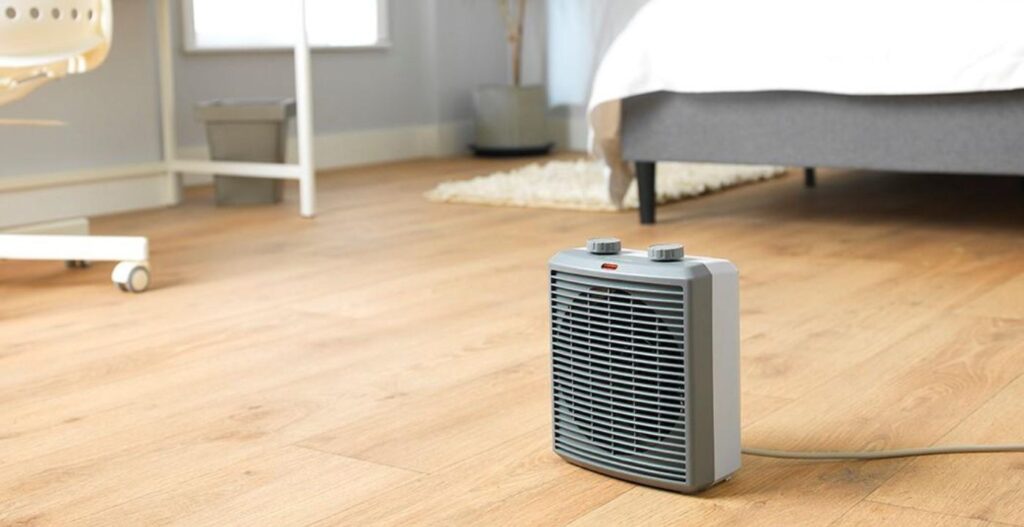
Frequently Asked Questions
What Is The Efficiency Difference Between Radiant And Ceramic Heaters?
Radiant heaters warm objects directly, using less energy for small spaces. Ceramic heaters heat the air, offering even warmth but may use slightly more power. Efficiency depends on room size and usage needs.
Which Heater Type Saves More Electricity?
Radiant heaters typically consume less electricity for targeted heating. Ceramic heaters can be efficient for larger areas due to even heat distribution. Choosing depends on your heating requirements and energy-saving goals.
Are Radiant Heaters Better For Small Rooms?
Yes, radiant heaters are ideal for small rooms or personal heating. They provide quick, direct warmth without heating the entire space. This makes them energy-efficient for limited areas.
Do Ceramic Heaters Provide More Consistent Heat?
Ceramic heaters distribute heat evenly throughout the room. Their fan-assisted design circulates warm air, creating consistent comfort. This is beneficial for heating larger spaces efficiently.
Conclusion
Radiant and ceramic heaters each offer unique benefits for home heating. Radiant heaters warm objects directly, making them ideal for small spaces. Ceramic heaters heat the air quickly and spread warmth evenly. Choosing the right heater depends on your room size and personal comfort needs.
Consider energy use and how fast you want heat. Both types can save money if used wisely. Think about what fits your lifestyle best. This will help you stay warm and comfortable all winter.