What Heater Works Best in My Garage? Choosing the Right One
Figuring out What Heater Works Best in My Garage? can be tricky. It’s a common question, especially for those new to garage heating. There are so many heater types and factors to consider! Don’t worry, though. This guide breaks it down step-by-step. We’ll explore everything from fuel sources to garage size, making the process easy to follow. You’ll soon be able to choose the best heater for your needs. Now, let’s get started.
If cost, wattage, or efficiency matters, How Many BTU Garage Heater Do I Need for My Garage? adds a useful comparison before choosing a heater.
For the safety side of this topic, Leaving a Garage Heater On Is It Safe? Safety and Prevention gives readers a practical next check before using a heater.
For the safety side of this topic, Garage Heaters: Safety and Selecting the Right One gives readers a practical next check before using a heater.
Choosing a Garage Heater: An Overview
Selecting a heater for your garage involves looking at several things. The size of your garage is important. Small garages need less powerful heaters than large ones. You also have to think about what kind of fuel you want to use. You can use electricity, propane, or natural gas. Each has its own pros and cons. Finally, consider what you’ll be using the garage for. If you’re working on cars, you might need a heater that heats the whole area quickly. If you are just storing things, you might be fine with a less powerful heater. We’ll explore each of these factors in greater detail.
Types of Garage Heaters
There are a few main types of garage heaters available, and each has unique advantages. Electric heaters are simple to use and don’t need special fuel hookups. However, they can be costly to run if you have a large garage. Propane heaters are a good middle ground. They offer a lot of heat, but you will need to buy propane tanks. Natural gas heaters are effective, providing a steady heat source. They require a gas line connection, which can mean more installation work. Each choice involves trade-offs. Knowing the distinctions between the different heater types is important for making the right selection.
-
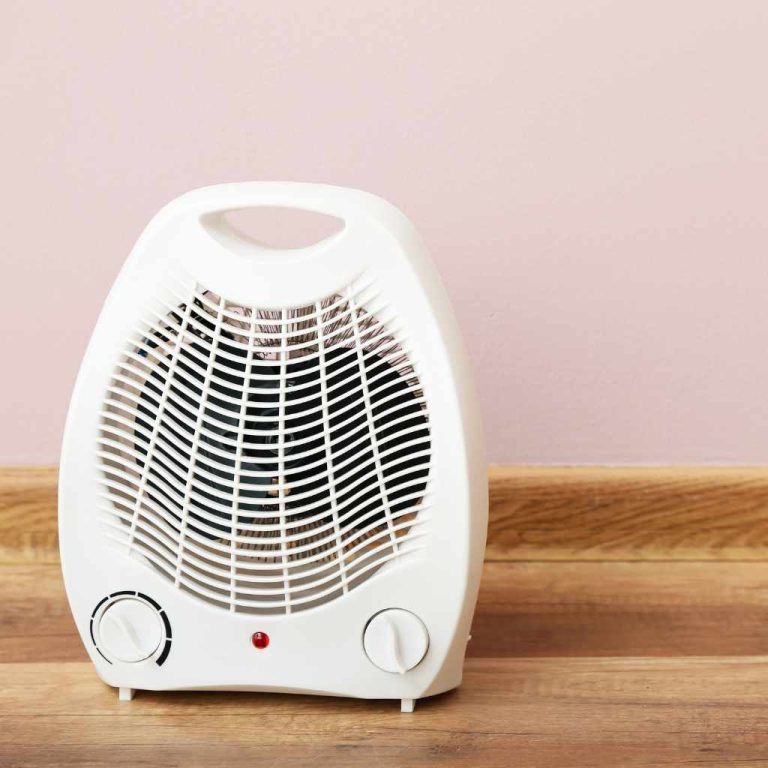
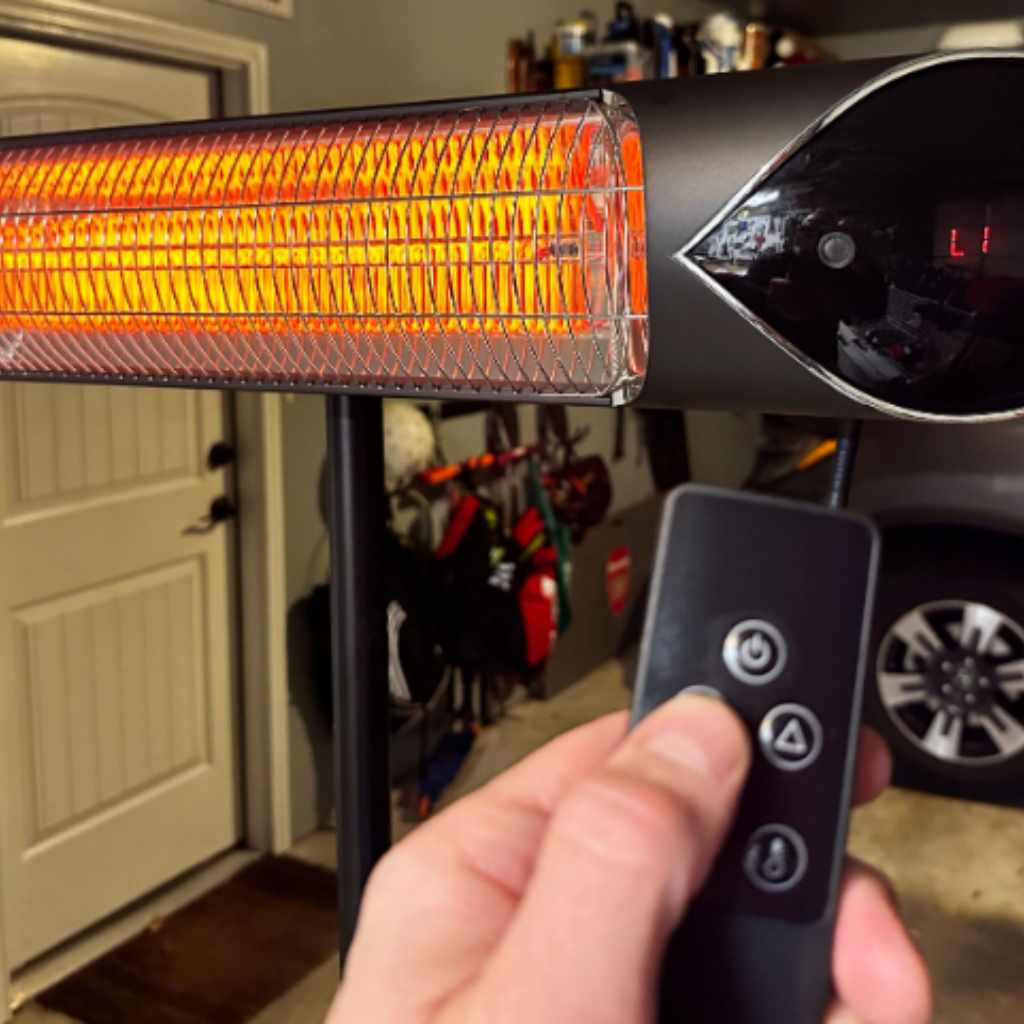
- Electric Heaters: These heaters plug directly into a power outlet. They’re often portable and easy to move around the garage. Many feature built-in safety features like overheat protection.
Electric heaters are the simplest to install, requiring only an outlet. They are suitable for smaller garages or for supplementing other heat sources. Some models come with thermostats, so you can set a specific temperature. However, electric heaters can be expensive to run, especially in large spaces. The wattage and voltage of your electrical system in the garage are critical. Make sure the circuit can support the heater’s power requirements. Always ensure the circuit breaker is correctly sized to prevent tripping.
-
- Propane Heaters: Propane heaters run on propane gas, stored in portable tanks. They’re very effective at heating large spaces and are a good option if you don’t have access to natural gas.
Propane heaters are powerful and can heat a garage quickly. You can easily adjust the heat output to meet your needs. Propane tanks need to be refilled, which could be an inconvenience. You need to store the tanks safely. Make sure you have proper ventilation to avoid carbon monoxide buildup. Consider the BTU rating (British Thermal Units) – a measurement of heat output – when choosing a propane heater. A higher BTU means the heater can warm a larger area. They are often less expensive to operate than electric heaters.
-
- Natural Gas Heaters: Natural gas heaters connect directly to a natural gas line. They provide consistent, reliable heat and are a good long-term solution.
Natural gas heaters offer a constant source of heat. They are very efficient, and the fuel is usually cheaper than propane or electricity. The heater itself will need a professional installation because it connects to a gas line. You need to have natural gas service available in your garage. Check local regulations and codes related to gas heater installations. These are usually permanent installations, unlike the portability of propane or electric heaters. Gas heaters are efficient, but the installation costs can be higher.
Factors to Consider When Choosing a Heater
When selecting a garage heater, several factors are important. Garage size is a key factor. Larger garages need heaters with higher BTU ratings. Insulation is important, too. Well-insulated garages retain heat better. Climate affects your choice of heater also. The needed heat output is different in cold versus milder climates. Also think about your budget. The cost of the heater, the fuel, and installation must be considered. Safety is a top priority, too, so look for heaters with safety features like automatic shut-offs. Doing some research and checking customer reviews is helpful.
-
- Garage Size: Measure the length, width, and height of your garage to find the total square footage. This helps you figure out the required heater capacity.
A smaller garage will need a heater with a lower BTU rating. You don’t want to overheat the space and waste energy. A large garage will need a higher BTU heater to keep the area comfortable. Consider the type of activities taking place. If you are working in the garage, you may want to warm it up fast. If you are storing items, a lower setting may be acceptable. A good rule of thumb is to calculate the cubic feet and then determine the correct BTU needed to heat the space. In colder climates, choose a heater slightly above your calculations.
-
- Insulation: Check the walls, ceiling, and door of your garage. Good insulation keeps the heat in, making your heater more effective.
A well-insulated garage needs less energy to maintain a desired temperature. Without insulation, the heater has to work harder and it will cost more money. If your garage lacks insulation, you may need a heater with a higher BTU rating. Consider adding insulation if you are serious about heating your garage. Insulating your garage can save money. Insulation also helps keep your garage cooler in the summer. Inspect your garage for drafts, which can be sealed with caulk or weatherstripping.
-
- Climate: The average temperatures in your area have a major impact on your heater selection. Colder climates require more powerful heaters.
In areas with harsh winters, you need a heater that can handle freezing temperatures. In milder climates, a smaller heater might be enough to keep the garage warm. Check the average low temperatures for your area. This will help you select a heater with the proper BTU output. Consider the number of days each year you expect to heat your garage. If you use the garage often, you should consider a more efficient heater. Think about the need for immediate heat, or if preheating before using the space is acceptable.
-
- Fuel Type: Consider the availability and cost of electricity, propane, and natural gas in your area.
Each fuel type has advantages and disadvantages. Electricity is easy to use but can be expensive. Propane is very effective but requires tank refills. Natural gas is efficient but requires a gas line connection. Compare the costs of each fuel over time. Propane prices vary. Electricity costs differ based on your provider. The initial cost of the heater will vary based on fuel type. The cost of running your heater will also differ. Factor in the installation costs and maintenance requirements for each fuel type.
-
- Safety Features: Always look for heaters with safety features like automatic shut-offs and overheat protection.
Safety is the most important thing. Automatic shut-off features are important. They shut off the heater if it tips over or detects a problem. Overheat protection stops the heater from getting too hot. This prevents fire hazards. Choose a heater that has a pilot light safety device, which shuts off the gas supply if the pilot light goes out. Place your heater on a level surface, away from flammable materials. Always follow the manufacturer’s instructions. Get your heater regularly inspected by a professional. This helps ensure safe operation. Carbon monoxide detectors are another safety measure for gas heaters.
Sizing Your Garage Heater
Sizing your garage heater is a critical step, and getting the right size will provide both comfort and savings. You don’t want a heater that’s too small. This will not heat the garage properly. You don’t want one that’s too big, as that wastes energy and money. There are some basic calculations to help you. These consider factors like garage size and insulation. The correct size heater will keep your garage at a comfortable temperature without costing you too much.
Calculating BTU Requirements
The BTU (British Thermal Unit) is a measure of the heat output of a heater. You must determine the correct BTU for your garage. Start by calculating the volume of your garage in cubic feet (length x width x height). Then, factor in the level of insulation in your garage. If the garage is insulated, you will need approximately 10 BTU per cubic foot. If the garage is uninsulated, plan on 20 BTU per cubic foot. This provides a starting point for the heater size needed to heat your garage effectively. The numbers can change based on climate.
-
- Determine Garage Volume: Measure the length, width, and height of your garage. Multiply these numbers to find the cubic feet. For instance, a garage measuring 20 feet long, 12 feet wide, and 8 feet high has a volume of 1920 cubic feet.
Accurately measuring your garage’s dimensions is essential. It is the basis for your calculations. Take measurements in feet, and be sure to calculate the total cubic footage. Consider any unusual architectural features that affect the volume. If your ceiling slopes, take an average height. Make sure you are using consistent units. Then use this calculation to get started with the BTU calculations. This will prevent you from choosing an incorrectly sized heater.
-
- Insulation Assessment: Check your garage’s insulation levels. Well-insulated garages need fewer BTUs to maintain a comfortable temperature.
The insulation in your garage is important. It directly impacts how much heat you will need to warm the space. If the garage has good insulation, the heat will stay in. This reduces the size of the heater you need. Inspect the walls, ceiling, and doors for insulation. Poorly insulated garages lose heat quickly, requiring a heater with higher BTU. In general, garages with insulation need around 10 BTU per cubic foot. Garages with little or no insulation need around 20 BTU per cubic foot. Insulation reduces energy costs and improves efficiency.
-
- BTU Calculation: Multiply the garage volume by the appropriate BTU factor (10 or 20, depending on insulation). This gives you the estimated BTU requirement for your heater.
Multiply the cubic footage of your garage by the BTU factor based on the insulation level. If your garage is 1920 cubic feet and well-insulated (10 BTU/cubic foot), you will need a heater with approximately 19,200 BTU. If it is not insulated (20 BTU/cubic foot), you will need around 38,400 BTU. This is an estimate, so it’s a good idea to add a buffer. You can make adjustments based on climate and usage needs. You might want a slightly more powerful heater if you live in a cold area or use the garage frequently. This will ensure you stay comfortable.
Example Scenarios for Garage Heater Sizing
-
- Scenario 1: Small, Insulated Garage
Let’s say you have a single-car garage that is well-insulated. The dimensions are 15 feet long, 12 feet wide, and 8 feet high. Calculate the volume: 15 x 12 x 8 = 1440 cubic feet. Since the garage is insulated, we will use the factor of 10 BTU per cubic foot: 1440 x 10 = 14,400 BTU. You would need a heater with a capacity of approximately 14,400 BTU.
-
- Scenario 2: Large, Uninsulated Garage
Now, let’s look at a two-car garage without insulation. The dimensions are 24 feet long, 24 feet wide, and 10 feet high. Calculate the volume: 24 x 24 x 10 = 5760 cubic feet. Because the garage is uninsulated, we’ll use the factor of 20 BTU per cubic foot: 5760 x 20 = 115,200 BTU. In this case, you will need a heater capable of providing approximately 115,200 BTU. This demonstrates the relationship between garage size and the appropriate heater size.
Safety and Operation of Garage Heaters
Using a garage heater safely involves taking a few precautions. Safety should always come first. When using a gas heater, make sure your garage is well-ventilated to prevent carbon monoxide buildup. Keep flammable materials like gasoline, paint, and chemicals away from the heater. Inspect the heater regularly for damage or leaks. Always follow the manufacturer’s instructions. Regular maintenance also helps ensure the heater’s safe and effective use. Remember these practices to help prevent accidents.
Safety Measures
Follow a few simple steps to make sure you stay safe when using a garage heater. Start by making sure the heater is placed on a level surface. Keep flammable materials at a distance. Don’t store gasoline, paint thinners, or any other chemicals close to the heater. Install a carbon monoxide detector to provide warning of any gas leaks. Regularly check the heater for any signs of damage. Make sure you follow the manufacturer’s operating instructions. Finally, inspect and maintain your garage heater to extend its lifespan and maintain safety. Consider adding extra safeguards.
-
- Ventilation: Ensure proper ventilation, particularly with gas heaters, to prevent carbon monoxide buildup. Open a window or use an exhaust fan.
Adequate ventilation is critical when running a gas-powered garage heater. It helps to ensure that you are breathing fresh air. Proper ventilation will reduce the risk of carbon monoxide poisoning. Make sure there is an open window or a ventilation system to get fresh air into the space. A window cracked open slightly will provide some ventilation. A small exhaust fan can help circulate the air more effectively. Always check the heater’s manual for specific instructions.
-
- Flammable Materials: Keep all flammable materials, such as gasoline, paint, and solvents, away from the heater. Store these items in a separate, well-ventilated area.
Flammable materials can catch fire and cause serious accidents if they are too close to the heater. Ensure these materials are stored far away from any heat source. This also applies to things like paper, wood, and other items that can easily catch fire. Inspect your garage often for any spills or leaks of these materials. If you see any spills, clean them up immediately. A fire-resistant storage cabinet is an excellent idea if you have a lot of flammable items.
-
- Regular Inspections: Inspect the heater regularly for any signs of damage or leaks. Check the gas lines and connections if you are using a gas heater.
Routine inspections are important to catch any problems early. Look for things like frayed wires, leaks, or any unusual noises. Gas heaters need the gas lines and connections inspected for any leaks or damage. If you notice any damage, do not use the heater until it has been repaired. Inspect your heater before each use, and perform any recommended maintenance. This will help maintain the heater’s efficiency and safety. Any repairs should be performed by a qualified professional.
Maintenance Tips
To keep your garage heater working safely and effectively, you need some simple maintenance. Clean your heater regularly, removing dust and debris. Check all connections and fuel lines for leaks. If you use a gas heater, make sure the pilot light is working correctly. Replace filters as needed. It’s also important to have your heater serviced by a professional. This helps ensure its safe operation and longevity. Maintaining your garage heater keeps it working well and helps prevent potential hazards.
-
- Cleaning: Clean your heater regularly to remove dust, dirt, and debris that can affect its efficiency and pose a fire hazard.
Dust and debris can build up over time. This reduces the heater’s efficiency, and also can cause a fire hazard. Use a vacuum cleaner or a soft brush to remove dust from the heating elements and the exterior of the heater. Be sure to turn off the heater and let it cool down before cleaning. Regularly clean the air intake and exhaust vents. Clean the filter according to the manufacturer’s instructions. Keeping your heater clean will improve its efficiency and lifespan.
-
- Connection Checks: Regularly check all connections, especially fuel lines, for leaks. Replace worn or damaged parts immediately.
Make a visual inspection of all fuel lines and connections. This is especially important for propane and natural gas heaters. Look for any signs of corrosion or damage. If you notice any leaks, turn off the heater immediately and call a professional. Tighten any loose connections. The lines should be replaced if they show signs of wear. Proper connections are crucial to ensure that your heater will work safely and effectively. Following these steps helps prevent fuel leaks and fire hazards.
-
- Professional Servicing: Have your heater professionally serviced at least once a year to ensure it is functioning safely and efficiently.
A professional inspection ensures that your heater operates at its best. Professionals have the right tools and skills. They can identify problems that you might miss. They will inspect the unit for any potential safety concerns. During the service, the technician will clean and adjust components. The professional will also check the fuel lines, connections, and safety devices. Make sure that you only employ a qualified technician for the service. Professional maintenance keeps your heater running safely and helps to extend its lifespan.
Frequently Asked Questions
Question: What is a BTU and why is it important for garage heaters?
Answer: A BTU, or British Thermal Unit, is a measurement of heat output. For garage heaters, a higher BTU rating means the heater can produce more heat. Choosing the right BTU is vital to ensure that your garage is heated to your desired temperature.
Question: How do I know what size heater I need for my garage?
Answer: You determine the needed heater size based on the size of your garage (length x width x height), its insulation level, and the climate where you live. Use the calculations to figure out the needed BTU. A well-insulated garage will need fewer BTUs than a non-insulated one.
Question: Are electric garage heaters safe?
Answer: Yes, electric garage heaters are generally safe. Look for heaters with safety features like automatic shut-offs and overheat protection. Always follow the manufacturer’s instructions and ensure the electrical circuit can handle the heater’s wattage.
Question: What are the main differences between propane and natural gas heaters?
Answer: Propane heaters use portable propane tanks, which provide mobility but require refills. Natural gas heaters connect to a gas line. They offer a continuous fuel supply but require professional installation and a gas connection.
Question: How often should I have my garage heater serviced?
Answer: It’s recommended to have your garage heater professionally serviced at least once a year. This helps to ensure the heater is functioning safely and efficiently. The professional will check the components, the gas lines, and the safety devices.
Final Thoughts
Choosing the right garage heater involves a few key steps. First, decide what kind of heater fits your needs. Then, find the correct size based on your garage’s measurements, insulation, and the climate. Always make safety your top priority. Ensure good ventilation, and follow all safety instructions. Regular maintenance, including cleaning and professional servicing, helps keep your heater working well and for a long time. Now that you have explored these points, you are better positioned to decide What Heater Works Best in My Garage? Start by determining your needs. Then explore the different options. The right heater will provide warmth, comfort, and enable you to use your garage year-round. Get started selecting your garage heater, and soon you’ll be enjoying a warmer, more comfortable garage!