What’s the Best Way to Heat Your Garage
Many people wonder, What’s the Best Way to Heat Your Garage? It can feel like a puzzle at first because garages are often large, uninsulated spaces. Unlike the rest of your house, they have big doors and often thin walls. This makes picking the right heater a bit tricky, especially if you’re new to this.
But don’t worry, we’ll make it simple. This guide will walk you through everything step-by-step, so you can get your garage cozy and useful all year round. We’ll explore the options and help you find the perfect fit.
Heating Your Garage Explained
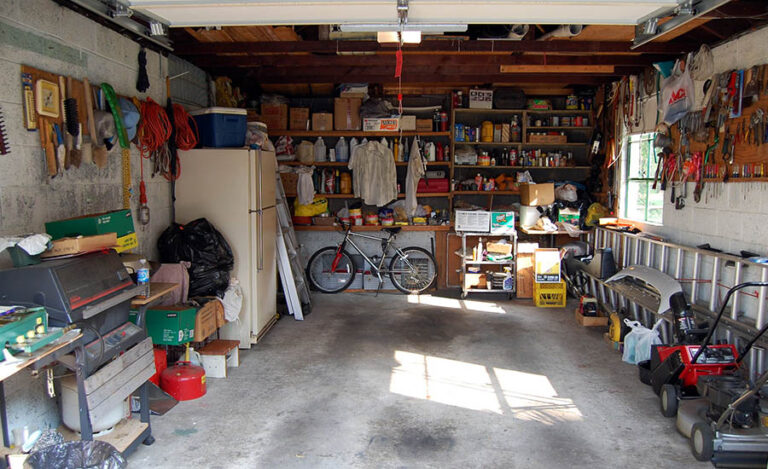
Garages are often overlooked when it comes to comfort. They usually aren’t built with the same insulation as living areas. This means they can get very cold in winter and hot in summer.
Heating a garage is common for hobbyists, people who work on cars, or those who just want extra space to relax. The challenge comes from finding a heater that is safe, efficient, and powerful enough for the size of the space. We will break down the different types of heaters and how to choose the one that best fits your garage and your needs.
Understanding Garage Insulation
Insulation is a key factor in how well any heating system will work. A garage without insulation loses heat quickly. This means your heater will have to run more often to keep the space warm.
Most garages are built with simple framing. The walls might have studs but no insulation between them. The ceiling might be open to the attic, or it might have a basic layer of fiberglass.
The garage door itself is often a thin metal panel, which offers very little thermal resistance.
Adding insulation can make a big difference. It slows down heat transfer. This means less heat escapes in the winter and less heat enters in the summer.
Even a basic level of insulation can reduce your heating costs and make the space more comfortable.
Why Insulation Matters for Heating
Think of insulation like a blanket for your garage. Without it, the warm air you create escapes easily through the walls, ceiling, and doors. Your heater then works overtime, using a lot of energy to try and replace the lost heat.
Proper insulation helps keep the warm air inside. It creates a barrier against the cold outside air. This means your heater doesn’t have to work as hard.
You’ll use less energy, save money on bills, and the garage will stay warm more consistently.
When you’re thinking about What’s the Best Way to Heat Your Garage?, always consider insulation first. It’s often the most cost-effective step you can take to improve comfort and efficiency.
Common Garage Insulation Types
Fiberglass Batts
These are the most common type of insulation. They come in rolls or pre-cut pieces that fit between wall studs or ceiling joists. Fiberglass is relatively inexpensive and easy to install, but it can be itchy to work with and needs a vapor barrier. It’s effective at blocking heat flow.
Spray Foam Insulation
This type of insulation is sprayed onto surfaces and expands to fill gaps. It provides excellent insulation and also acts as an air and vapor barrier. Spray foam is more expensive than fiberglass but offers superior performance, sealing out drafts and moisture. It’s great for hard-to-reach areas.
Rigid Foam Boards
These are rigid panels made of polystyrene or polyisocyanurate foam. They are often used for insulating garage doors or interior walls. They are easy to cut and fit into place and provide good R-value (a measure of thermal resistance). They can also help improve the structural integrity of walls.
Electric Garage Heaters
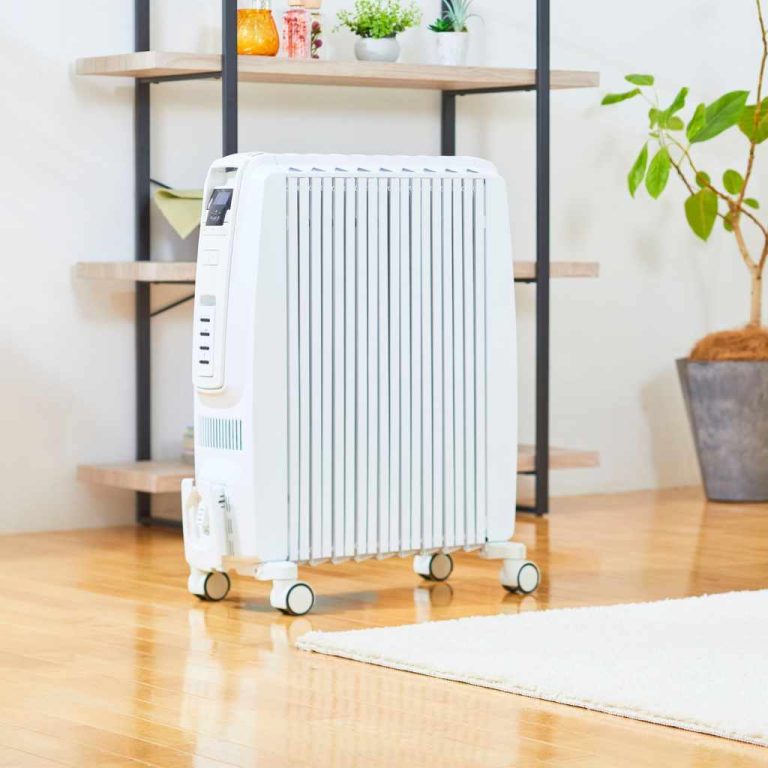
Electric garage heaters are a popular choice because they are easy to install and operate. They don’t require special ventilation like gas heaters do, which makes them a safer option for many people. These heaters convert electrical energy into heat.
There are several types, each with its own pros and cons.
One of the main advantages of electric heaters is their versatility. You can find portable models that you can move around, or permanently mounted units that are hardwired into your electrical system. For a garage, especially one that is used frequently or for extended periods, a permanently mounted unit is usually more efficient and safer.
When you’re considering What’s the Best Way to Heat Your Garage?, electric heaters offer a good balance of convenience and effectiveness. They are a solid choice for many homeowners looking to make their garage a more comfortable space.
Types of Electric Garage Heaters
Convection Heaters
These heaters work by circulating warm air. They draw in cooler air, heat it, and then release it back into the room. They are quiet and provide an even heat distribution. They are good for maintaining a consistent temperature over large areas.
Fan-Forced Heaters (Space Heaters)
These are very common and portable. They use a fan to blow air over a heating element. They heat up a space quickly, but they can be noisy and tend to dry out the air. They are best for smaller areas or for quickly warming up a space before using another type of heater.
Infrared Heaters
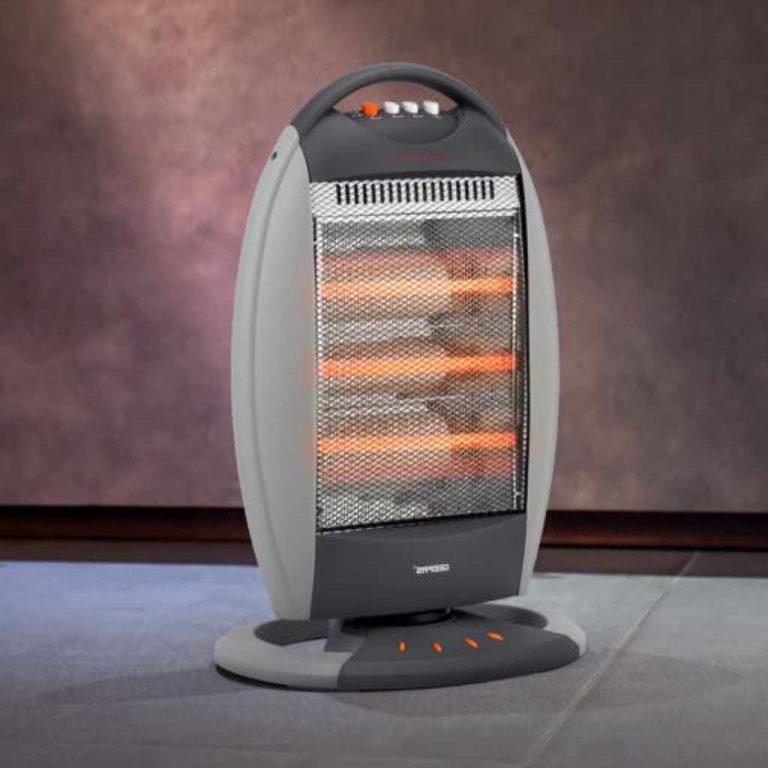
Infrared heaters work differently. They emit radiant heat that warms objects and people directly, rather than heating the air. This is similar to how the sun feels warm on your skin. They are very efficient for spot heating and can be effective even in drafty spaces because they don’t rely on air circulation.
Ceramic Heaters
Ceramic heaters use a ceramic heating element that heats up and then a fan blows air over it. They are often more efficient and safer than traditional metal coil heaters. They also tend to be more durable and provide a more consistent heat.
Pros and Cons of Electric Heaters
| Pros | Cons |
|---|---|
| Easy installation, no venting required | Can be costly to run for large spaces |
| Safe operation, especially models with safety features | May struggle to heat very large or poorly insulated garages effectively |
| Wide variety of portable and mounted options | Reliance on electricity means power outages can leave you cold |
| Good for supplemental or zone heating | Heating elements can wear out over time |

Gas Garage Heaters
Gas heaters, particularly propane and natural gas models, are powerful and efficient for heating larger spaces like garages. They generate a lot of heat quickly. However, they do require careful installation and ventilation to ensure safety.
These heaters burn fuel to create heat. This process releases exhaust gases, which is why proper venting is absolutely critical. Without adequate ventilation, dangerous gases like carbon monoxide can build up in the garage, posing a serious health risk.
If your garage is large, frequently used, and you have access to natural gas or are comfortable with propane tanks, a gas heater might be a strong contender for What’s the Best Way to Heat Your Garage?. It’s important to understand the safety requirements before you decide.
Types of Gas Garage Heaters
Direct-Vent Heaters
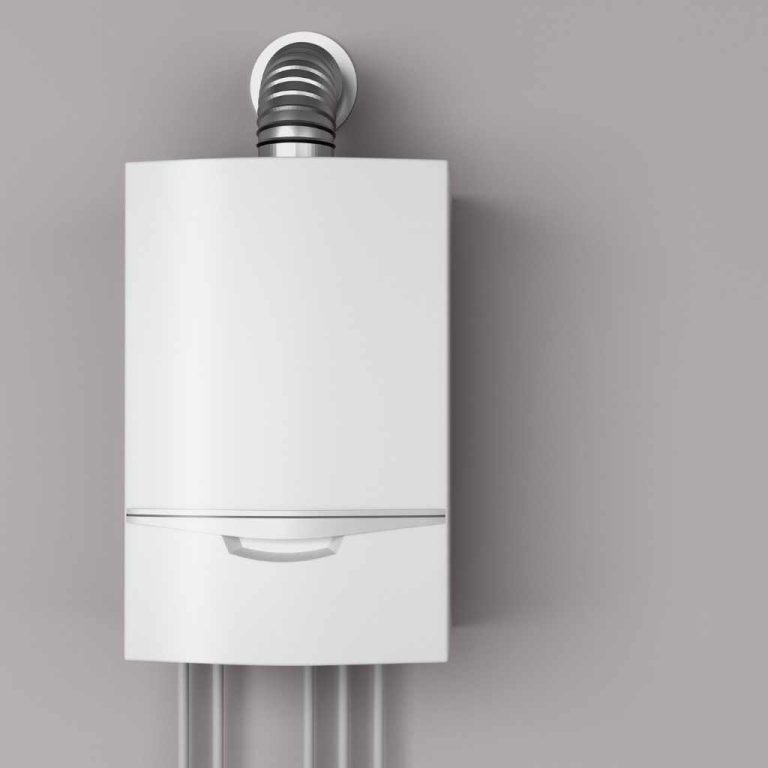
These heaters are sealed from the garage’s interior. They pull combustion air from the outside and vent exhaust gases directly outside through a single pipe that passes through the wall. This is the safest type of gas heater for enclosed spaces because it doesn’t consume the indoor air for combustion and doesn’t release fumes into the garage.
Vented Heaters
These heaters require a chimney or vent pipe to carry exhaust gases outside. They draw combustion air from the garage. While less safe than direct-vent models, they are still a viable option if properly installed with a robust venting system and carbon monoxide detectors.
Unvented Heaters (Propane Only)
These propane heaters do not require a vent. They release combustion byproducts directly into the garage. They are the least safe option due to the risk of carbon monoxide poisoning and oxygen depletion. They are generally not recommended for garages where people spend extended periods.
Safety Considerations for Gas Heaters
Safety is paramount when using gas heaters. Always follow manufacturer instructions for installation and operation. Ensure there is adequate ventilation.
A carbon monoxide detector is essential. It will alert you if dangerous levels of carbon monoxide are present. Regularly inspect your heater and venting system for any signs of damage or leaks.
It’s also important to keep flammable materials away from the heater. Ensure the heater is placed on a stable, non-combustible surface. Regular maintenance by a qualified professional is highly recommended.
Wood Burning Stoves
Wood burning stoves can provide a lot of heat and create a cozy atmosphere. They are a good option if you have access to a cheap or free source of firewood. However, they require a lot of work and careful management.
Operating a wood stove involves more than just lighting a fire. You need to constantly feed it wood, manage the fire, and clean out the ashes. There are also safety considerations, such as ensuring the stovepipe is properly installed and insulated to prevent fires.
For some, a wood-burning stove is the answer to What’s the Best Way to Heat Your Garage?, especially if they enjoy the rustic feel and the physical activity involved. But it’s not for everyone due to the labor and maintenance involved.
Installation Requirements
Installing a wood-burning stove requires a safe hearth. The stove must sit on a non-combustible material, like concrete or stone, with adequate clearance from walls and ceilings. This clearance prevents heat from igniting surrounding materials.
A proper chimney system is also vital. This includes the stovepipe, which connects the stove to the chimney, and the chimney itself. The stovepipe needs to be insulated in areas where it passes through combustible materials.
The chimney must extend above the roofline high enough to ensure proper draft and prevent smoke from re-entering the building.
The local building codes will dictate specific requirements for hearth size, clearances, and chimney height. It is always best to consult with a professional installer and local authorities before proceeding.
Maintenance and Operation
Wood stoves require regular maintenance. This includes sweeping the chimney to remove creosote, a flammable residue that builds up from burning wood. If not removed, creosote can cause dangerous chimney fires.
Ash removal is another task. Ashes should be removed when they accumulate, but some ash should be left in the firebox to insulate the coals and help maintain the fire. The stove itself should be cleaned periodically to remove soot and debris.
Operating the stove efficiently involves learning how to manage the airflow. Dampers on the stove and chimney control the amount of air reaching the fire. Proper management ensures a steady burn and maximum heat output while minimizing smoke.
Heating Your Garage Door
Many garage doors are a major source of heat loss. They are often uninsulated metal or wood panels. Insulating your garage door can significantly improve the efficiency of any heating system you choose.
You can buy special garage door insulation kits. These kits typically include foam panels or reflective insulation that fits into the sections of your door. Some kits are DIY-friendly and can be installed in just a few hours.
If your garage door is a significant source of cold air entering your garage, addressing it is a crucial part of answering What’s the Best Way to Heat Your Garage?. It’s a practical step that complements your heating system.
DIY Insulation Kits
These kits often use reflective insulation with a bubble-pack core, or rigid foam panels. They are designed to be cut to size and fit snugly into the panels of a standard garage door. Many kits come with adhesive or clips for easy attachment.
The R-value of these kits can vary, but even a modest increase in insulation can make a noticeable difference. They are a cost-effective way to improve your garage’s thermal performance.
Before buying a kit, measure the inside dimensions of your garage door panels to ensure you get the right size. Check reviews to see how well the insulation holds up over time and how easy it is to install.
Professional Insulation Options
For a more permanent and effective solution, you can hire a professional to insulate your garage door. This might involve spray foam application or the installation of custom-fit rigid foam boards.
Professionals can ensure a complete seal, filling all gaps and cracks that might allow air to escape. This can provide a higher R-value and better overall thermal performance compared to DIY kits.
While more expensive, professional insulation offers a long-term solution. It can significantly reduce your heating and cooling costs for the garage. It also adds to the overall comfort and value of your home.
Choosing the Right Heater for Your Garage
Deciding on the best heating method involves considering several factors unique to your garage and how you use it. It’s not a one-size-fits-all answer. You need to think about the size of your garage, how well it’s insulated, your budget, and how often you’ll be using the space.
For smaller, well-insulated garages, a powerful electric space heater might be enough. For larger, draftier spaces, you might need a more robust solution like a propane heater or even a small wood stove, provided you can manage the safety and ventilation requirements.
Answering What’s the Best Way to Heat Your Garage? means finding the right balance of cost, performance, and safety for your specific situation. Let’s look at some scenarios to help you decide.
Factors to Consider
Garage Size
The square footage of your garage is a primary consideration. Larger spaces require more powerful heaters. A small 10×12 foot garage will need a much less powerful unit than a 2-car 20×20 foot garage.
Insulation Level
As discussed, this is critical. A well-insulated garage will retain heat much better, requiring a smaller and less energy-hungry heater. A poorly insulated garage will need a more robust system and will cost more to run.
Usage Frequency
How often do you plan to use the heated garage? If it’s just for occasional use, a portable heater might suffice. If you plan to spend hours there working or relaxing, a more permanent and efficient system is advisable.
Budget
Heating systems vary in cost, both for the unit itself and for ongoing operation. Electric heaters may have a lower upfront cost but higher running costs, while gas heaters might have higher initial costs and installation but lower fuel costs.
Fuel Availability
Do you have access to natural gas? Are you comfortable handling propane tanks? Do you have a reliable source of firewood? Your choices will be influenced by what fuel sources are practical for you.
Scenario Examples
Hobbyist Garage with Moderate Insulation
Sarah has a two-car garage (approx. 400 sq ft) where she works on her car. She has insulated the walls and ceiling fairly well but the garage door is still uninsulated. She needs consistent heat for several hours at a time.
Recommendation: A 5000-watt electric garage heater permanently mounted to the ceiling would be a good choice. It provides consistent, safe heat. She should also insulate her garage door for better efficiency. If she has access to natural gas, a direct-vent gas heater would also be an excellent, potentially more cost-effective, option for running costs.
Workshop Garage with Occasional Use
Mark uses his single-car garage (approx. 200 sq ft) as a workshop for small projects. He only needs heat for a few hours at a time, a few days a week. The garage is not well insulated.
Recommendation: A portable electric infrared heater would be ideal. It heats objects directly, so it’s efficient for spot heating and doesn’t need to warm the entire cold space. It’s easy to store when not in use and doesn’t require installation. A smaller fan-forced heater could also work for quick warm-ups.
Cost of Running Heaters
The cost of running a garage heater depends on the type of heater, its wattage or BTU output, the price of the fuel (electricity, propane, natural gas), and how long it runs.
For example, an electric heater that uses 1500 watts will cost about $0.20 per hour to run if electricity costs $0.13 per kilowatt-hour (kWh). A propane heater with an output of 30,000 BTU might cost more per hour to fuel but could heat a larger space faster, potentially using less total energy if used intermittently. Natural gas is often the cheapest fuel source per BTU.
It’s important to check local utility rates and fuel prices to estimate your running costs. A well-insulated garage will significantly reduce these costs regardless of the heater type.

Frequently Asked Questions
Question: Is it safe to heat a garage?
Answer: Yes, it is safe to heat a garage as long as you use appropriate heating equipment, install it correctly, and follow all safety guidelines, especially regarding ventilation for gas heaters and keeping flammable materials away from any heat source.
Question: What is the cheapest way to heat a garage?
Answer: The cheapest way to heat a garage usually involves a combination of good insulation, sealing air leaks, and using a fuel source that is inexpensive in your area, such as natural gas if available, or using efficient electric heaters judiciously in a well-insulated space.
Question: Can I use a portable space heater in my garage?
Answer: Yes, portable space heaters can be used in garages, but they are best suited for smaller or intermittently used spaces. Ensure they are designed for garage use and follow all safety instructions, especially regarding placement away from flammable items.
Question: How much insulation do I need for my garage?
Answer: The amount of insulation needed depends on your climate and how warm you want the garage to be. Generally, adding insulation to walls, ceiling, and the garage door will significantly improve heating efficiency.
Question: Should I vent a propane heater in my garage?
Answer: Yes, if you are using an unvented propane heater, it is crucial to have adequate ventilation to prevent the buildup of dangerous gases like carbon monoxide. Direct-vent models are a safer alternative as they are sealed from the garage interior.
Summary
To find What’s the Best Way to Heat Your Garage?, consider your garage’s size, insulation, and how you use it. Electric heaters are easy and safe for most situations. Gas heaters offer power but need proper venting.
Insulating your garage door and walls makes any heating system more effective. Choose wisely based on your needs and budget for a warm, usable space.