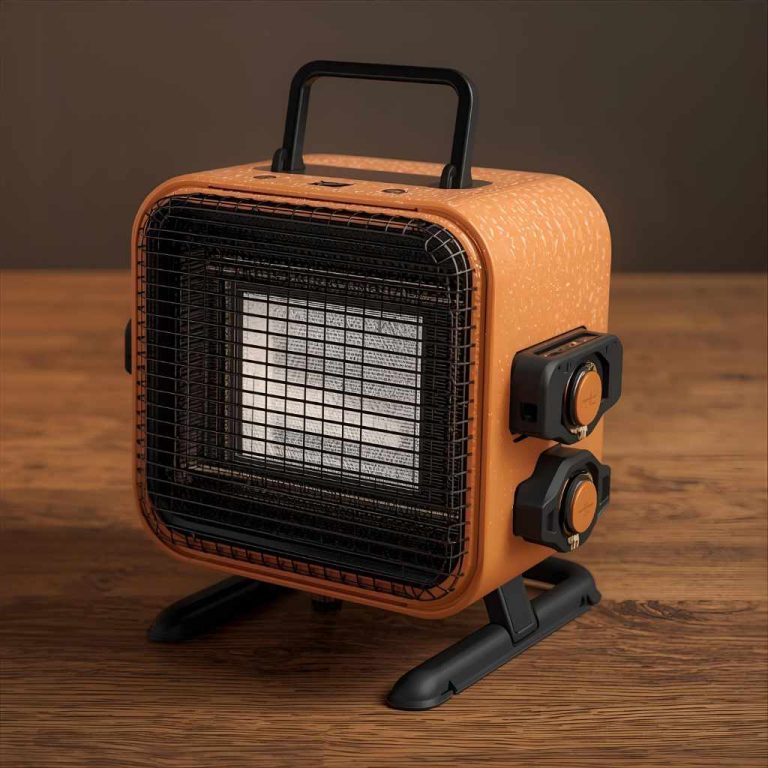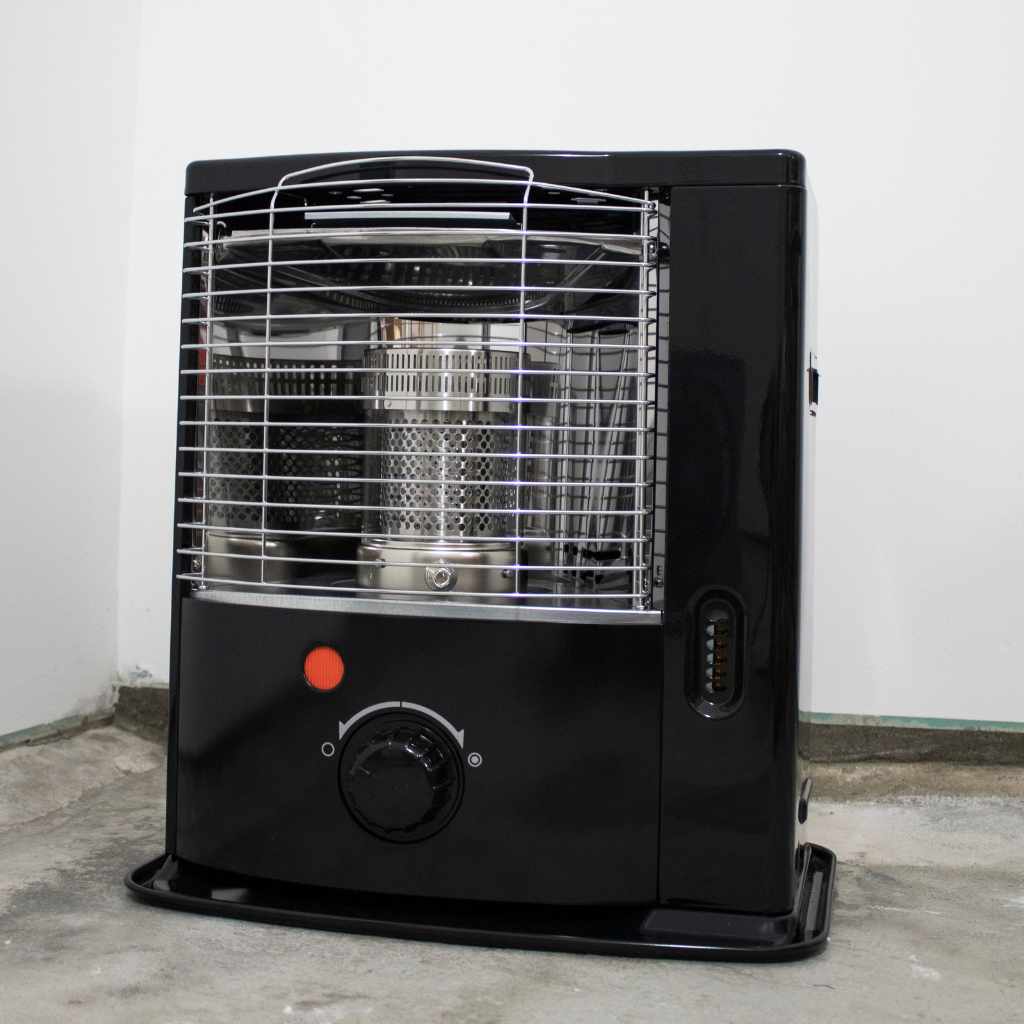
What Type of Portable Heater is Best: Ultimate Guide to Warmth
Are you tired of feeling chilly in your own space? Choosing the right portable heater can make all the difference in keeping you warm and cozy.
But with so many options out there, how do you know which one fits your needs best? Whether you want something energy-efficient, fast-heating, or safe for your family, this guide will help you find the perfect portable heater for your home or office.
Keep reading to discover which type matches your lifestyle and keeps the cold at bay without emptying your wallet.
Types Of Portable Heaters
Portable heaters come in different types, each with unique features. Choosing the right type depends on your space, heating needs, and safety concerns. Understanding these types helps you pick the best heater for your home or office.
Ceramic Heaters
Ceramic heaters use ceramic plates to produce heat quickly. They are lightweight and easy to move. These heaters warm small to medium rooms efficiently. They often include a fan to spread heat fast. Ceramic heaters are safe and energy-saving options.
Infrared Heaters
Infrared heaters heat objects directly, not the air. This method is quiet and effective. They work well in rooms where you stay for a long time. Infrared heaters are good for spot heating. They save energy by focusing heat where it is needed.
Oil-filled Radiators
Oil-filled radiators heat oil inside the unit to provide warmth. They take longer to heat but keep rooms warm longer. These heaters do not dry the air. They are silent and safe for bedrooms or offices. Oil-filled radiators are ideal for steady, long-lasting heat.
Fan Heaters
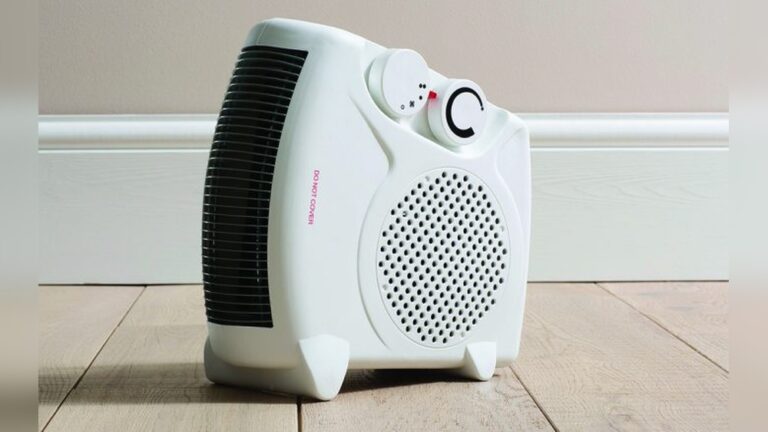
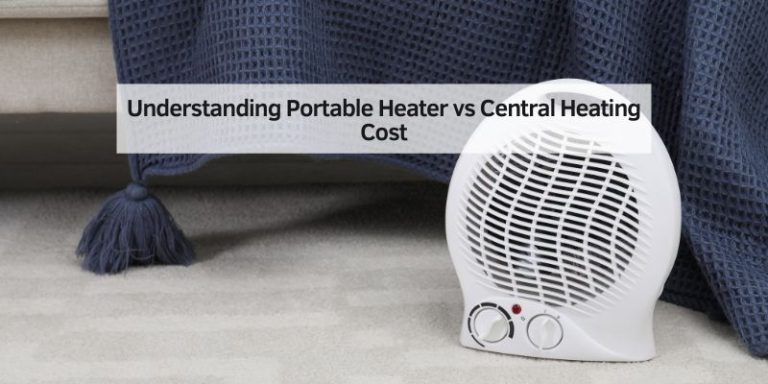
Fan heaters use a fan to blow warm air into the room. They heat spaces quickly and are usually compact. Fan heaters are good for quick warmth in small areas. They can be a bit noisy but are affordable. Perfect for short-term use or spot heating.
Propane Heaters
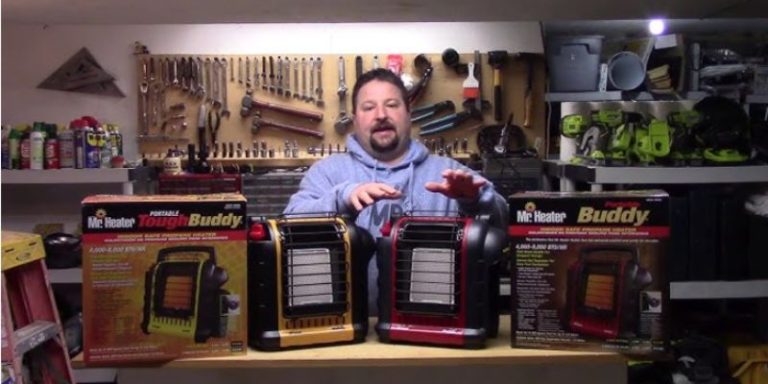
Propane heaters run on gas and provide strong heat output. They work well in large or outdoor spaces. These heaters need good ventilation for safety. Propane heaters are powerful and portable but require caution. Ideal for garages, workshops, or camping trips.
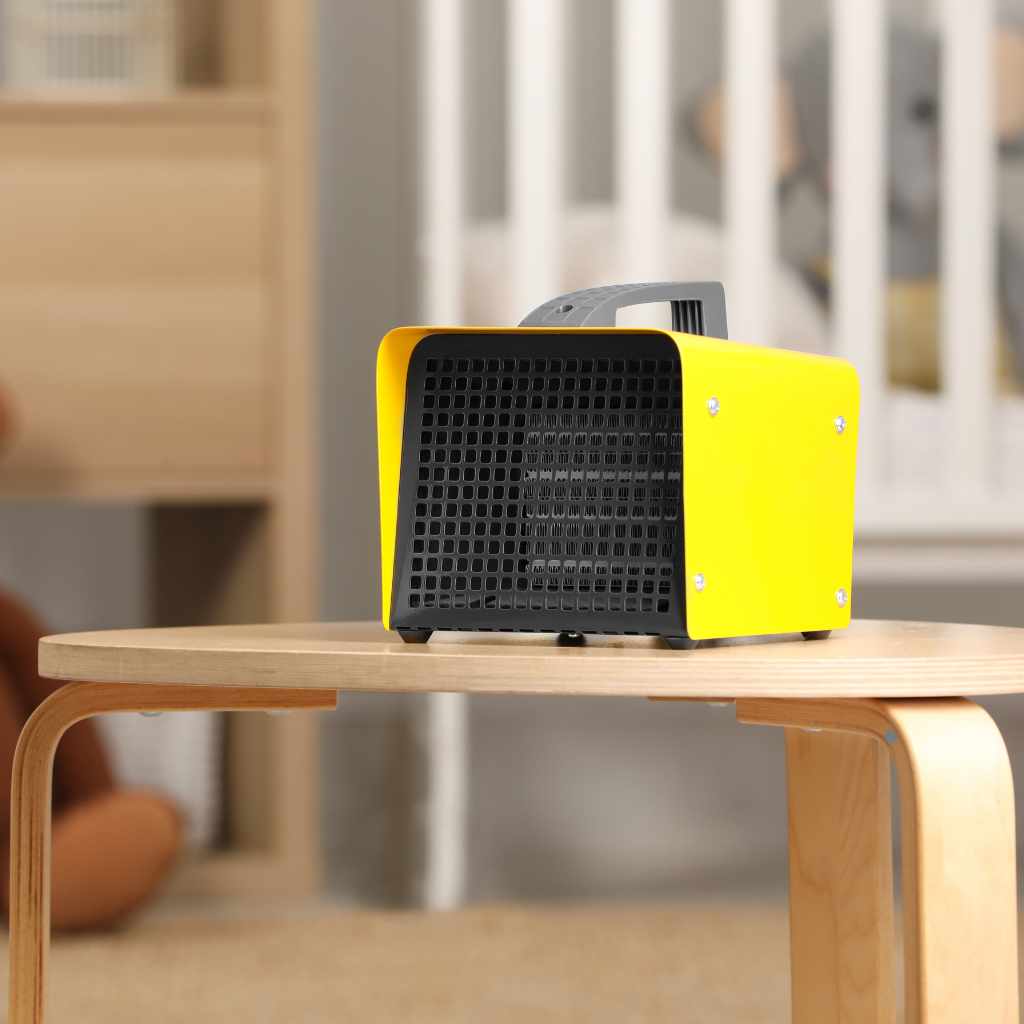
Key Features To Consider
Choosing the best portable heater means understanding what features matter most. This helps you pick a heater that fits your needs perfectly. Focus on important aspects like how much heat it gives, how safe it is, and how easy it is to move around.
Heating Capacity
Heating capacity shows how much space a heater can warm. Check the size of the room you want to heat. Match it with the heater’s power level, usually measured in watts or BTUs. A heater too small will not warm the room well. One too big wastes energy.
Energy Efficiency
Energy efficiency means using less electricity to produce heat. Efficient heaters save money on bills and help the environment. Look for models with energy-saving modes or thermostats. These adjust heat output based on the room’s temperature.
Safety Features
Safety is very important with portable heaters. Choose heaters with automatic shut-off if tipped over. Overheat protection prevents accidents by turning off the heater if it gets too hot. Cool-touch surfaces keep you safe from burns.
Portability And Size
Portable heaters should be easy to carry and store. Smaller models fit in tight spaces and are light to move. Handles or wheels make moving the heater simple. Consider where you will use it most before deciding the size.
Noise Levels
Noise can affect comfort, especially in bedrooms or offices. Some heaters run quietly with no fan noise. Others use fans that make more sound. Choose a heater with low noise if you need peace and quiet.
Best Heaters For Different Spaces
Choosing the right portable heater depends on the space you want to warm. Different rooms need different types of heaters. Understanding which heater suits each area helps you stay comfortable and save energy.
Small Rooms
For small rooms, compact heaters work best. Ceramic heaters heat quickly and use less power. They are safe and often have a fan to spread warmth fast. Oil-filled radiators also work well. They keep heat longer, even after turning off.
Large Areas
Large spaces need powerful heaters. Infrared heaters warm objects and people directly. They are energy-efficient for open rooms. Convection heaters also suit big areas. They warm the air evenly and keep the room cozy.
Outdoor Use
Outdoor heaters must handle wind and cold. Propane heaters are strong and portable. They provide instant heat but need ventilation. Electric patio heaters are safer for enclosed outdoor spots. They offer steady warmth without fumes.
Bathrooms
Bathrooms need heaters with moisture protection. Look for heaters with waterproof features. Wall-mounted or compact models save space. Infrared heaters warm you quickly without drying the air.
Cost And Energy Use
Choosing the right portable heater depends a lot on cost and energy use. These factors affect your budget and your monthly bills. Knowing what to expect helps you pick a heater that fits your needs and wallet.
Initial Price Range
Portable heaters come with a wide price range. Basic models start around $20. More advanced heaters with extra features can cost over $100. Ceramic heaters and oil-filled radiators usually cost more than fan heaters. Think about how much you want to spend before buying.
Running Costs
Running costs depend on the heater’s power and how often you use it. Electric heaters use about 1,500 watts. This can add up on your electric bill if used many hours daily. Oil-filled heaters keep heat longer, so they use less energy over time. Check the wattage and your usage to estimate costs.
Energy Savings Tips
Use a heater only in small, closed rooms for best results. Turn it off when you leave the room. Keep windows and doors shut to keep heat inside. Use a thermostat or timer to control the heater. Lowering the heater’s temperature by just a few degrees saves energy.
Maintenance And Longevity
Choosing the best portable heater is not just about power and design. Maintenance and longevity play a key role. A well-maintained heater lasts longer and works better. It saves money and keeps your space warm safely. Understanding basic care tips helps you get the most from your heater.
Cleaning Tips
Keep your heater clean to avoid dust build-up. Dust blocks airflow and lowers heating efficiency. Turn off and unplug the heater before cleaning. Use a soft cloth to wipe the exterior. For vents and grills, use a brush or vacuum. Avoid water inside the heater to prevent damage.
Common Issues
Portable heaters may face some common problems. Overheating is frequent if dust blocks airflow. A heater that won’t turn on might have a faulty switch or plug. Strange noises can mean loose parts or motor issues. Check these issues early to prevent bigger damage.
Extending Heater Life
Place your heater on a flat, stable surface. Avoid using it in very dusty or wet areas. Always follow the manufacturer’s instructions for use and care. Store the heater in a dry place during warm months. Regular checks and cleaning extend its working life. These small steps keep your heater reliable and safe for years.
Safety Tips For Portable Heaters
Portable heaters can warm your space quickly. They are handy but need safe use. Following safety tips keeps your home and family safe. These simple rules prevent accidents and fires.
Placement Guidelines
Place heaters on flat, stable surfaces. Keep them away from doors and windows. Avoid blocking walkways with heaters. Maintain at least three feet of space around the heater. Do not place heaters near curtains or furniture. Proper placement helps heat the room evenly and safely.
Avoiding Fire Hazards
Never leave heaters unattended while on. Turn off heaters before sleeping or leaving home. Avoid using extension cords with heaters. Use only cords recommended by the manufacturer. Clean heater vents regularly to prevent dust buildup. These steps reduce the risk of fire.
Child And Pet Safety
Keep heaters out of reach of children and pets. Use heater models with cool-touch exteriors. Consider heaters with automatic shut-off features. Teach children about the dangers of heaters. Secure cords to prevent tripping or pulling. These practices protect your loved ones.
Choosing The Right Heater For You
Choosing the right portable heater means finding one that fits your space and needs. Not all heaters work the same way or suit every room. This section helps you pick the best heater for your home or office.
Assessing Your Needs
Start by thinking about the room size. Small rooms need less power than big rooms. Check if you want a heater that warms the air quickly or one that keeps the room warm for a long time. Consider safety features if children or pets are around. Decide if you want a heater for occasional use or daily use.
Comparing Models
Look at different types of portable heaters. Some use fan heat, others use infrared or oil. Fan heaters warm the air fast but can be noisy. Infrared heaters warm objects directly and are quiet. Oil-filled heaters stay warm longer but take time to heat up. Compare the energy use and size of each model too.
User Reviews And Ratings
Read reviews from people who bought the heater. They share real experiences about how well it works. Pay attention to comments about noise, heat output, and safety. Ratings show overall satisfaction. Choose heaters with high ratings and positive feedback for better results.
Frequently Asked Questions
What Is The Most Energy-efficient Portable Heater?
Energy-efficient portable heaters use less electricity to generate heat. Infrared and ceramic heaters are top choices for saving energy while warming small spaces effectively.
Are Portable Heaters Safe For Indoor Use?
Yes, many portable heaters are safe indoors if used correctly. Always follow manufacturer guidelines and keep heaters away from flammable materials.
Which Portable Heater Is Best For Large Rooms?
Oil-filled radiator heaters work well for large rooms. They provide consistent, gentle heat and maintain warmth even after switching off.
How Do I Choose A Portable Heater For My Home?
Consider room size, heater type, energy efficiency, and safety features. Match the heater’s power output to your room’s heating needs.
Conclusion
Choosing the best portable heater depends on your needs and space. Consider the size of the room and how fast you want warmth. Safety features matter, especially around children or pets. Energy efficiency can save money on bills. Some heaters work better for small rooms, others for larger areas.
Quiet operation might be important for bedrooms or offices. Think about portability if you plan to move it often. The right heater keeps you warm and comfortable without hassle. Take your time to pick what fits your lifestyle best.