Radiant Vs Blue Flame Propane Heaters: Which is Best?
Are you on a quest to find the perfect propane heater for your home or workspace? When the chill of winter sets in, keeping warm becomes a top priority.
But with so many options available, how do you choose the right one for your needs? Enter the world of Radiant and Blue Flame Propane Heaters—two popular contenders in the heating arena. Each promises to keep you cozy, but they operate in remarkably different ways.
By the end of this article, you’ll have a clear understanding of which heater type aligns best with your lifestyle and preferences. Get ready to make an informed decision that ensures warmth and comfort for you and your loved ones throughout the cold months.
Credit: www.walmart.com
Heat Distribution
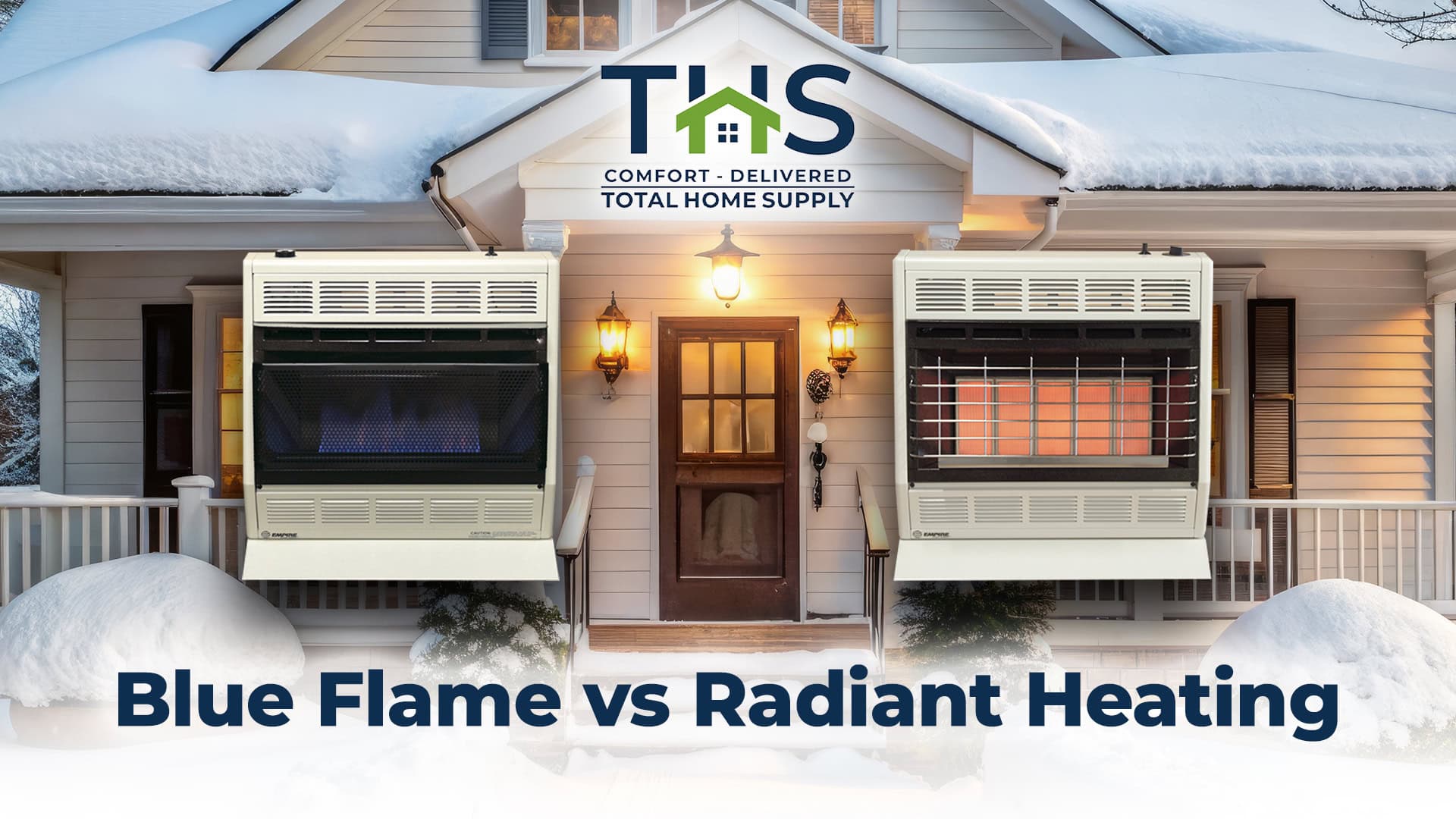
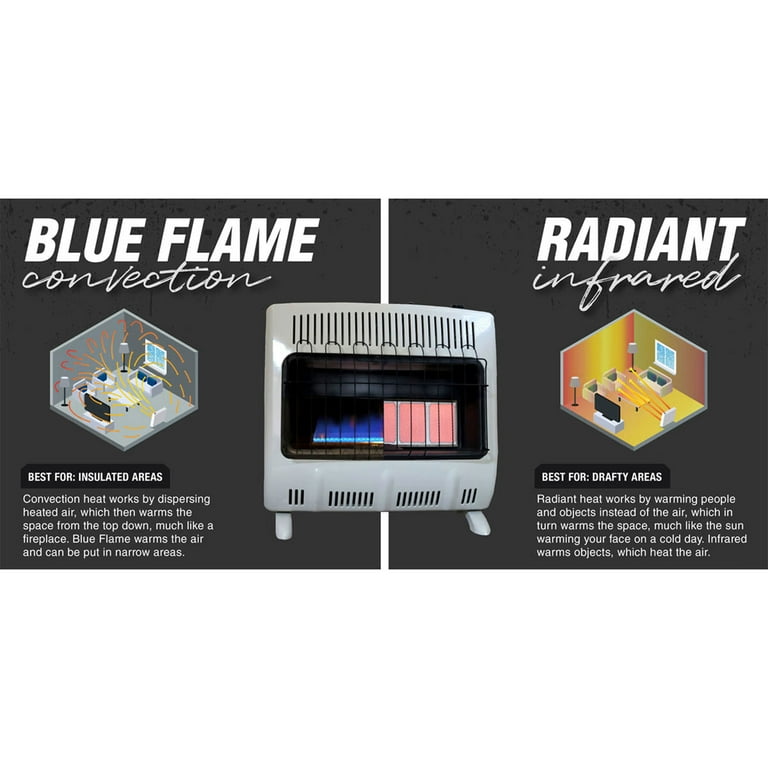
Radiant heaters warm objects directly in their path. They are great for heating small spaces. These heaters emit heat like the sun. This heat is absorbed by floors and furniture. It’s perfect for spot heating. People near the heater feel warm quickly. Radiant heat is often more efficient in drafty rooms. No need for a fan, making them silent.
Blue flame heaters warm the air in the room. They are ideal for heating a whole room. These heaters use convection to circulate warm air. Cold air enters the heater, gets warmed, and then rises. This process continues, spreading warmth. It’s best for rooms with insulation. Blue flame heaters give a gentle and even warmth. Great for consistent comfort.
Energy Efficiency
Radiant heatersuse less fuel. They warm objects. Not the air. This makes them efficient. Blue flame heatersheat the air. They might use more fuel. Both have good features. Radiant heaters work well in cold rooms. Blue flame heaters spread warmth evenly.
Propane is cleaner than coal or oil. Both heater types use propane. Radiant heatersmight save more energy. Using less fuel means less pollution. Blue flame heatersmight produce more emissions. Yet, both have lower impact than other fuel types. Choosing wisely helps the planet.
Safety Features
Radiant heaters have several safety features. Tip-over switches turn off the heater if it falls. Overheat protection stops the heater if it gets too hot. Safety grills keep fingers away from the hot parts. Some models have cool-touch housing to prevent burns. These features help keep the user safe. Always read the manual for best safety practices.
Blue flame heaters require careful handling. Ventilation is crucial to prevent gas build-up. These heaters should not be blocked by objects. Carbon monoxide detectors are recommended nearby. Always check for gas leaks. Regular maintenance keeps the heater running smoothly. Follow all safety instructions from the manufacturer.

Credit: www.gasappliancesni.com
Cost Analysis
Radiant heatersare often cheaper to buy. They have simple parts. You might pay less than $100. Blue flame heaterscan cost more. They use extra technology. Expect to pay $150 or more. Think about the size too. Bigger heaters usually cost more money.
Radiant heatersneed less fixing. They have fewer moving parts. This makes them easy to care for. Blue flame heatersmay need more attention. They have special burners. Cleaning these parts can cost money. Check filters often. Clean them to save money. Both types need gas. Gas prices can change. Always check the tank. A full tank means warm rooms.
Ideal Usage Scenarios
Radiant heaters work best in small spaces. They heat objects directly. This makes them great for workshops or garages. Use them in drafty areas. They are effective even with open windows. Keep the heater close to the area you want warm. Don’t use in large open spaces. They work slowly there. Ideal settings are low to medium. This saves propane and ensures safety.
Blue flame heaters are best for larger rooms. They warm the air, not objects. Ideal for living rooms or basements. Use in closed spaces for best results. Ensure good ventilation. Open a window slightly if needed. Settings should be medium to high. This keeps the room warm evenly. Avoid using in open spaces. They are less effective there.
User Preferences
Choosing between radiant and blue flame propane heaters depends on user preferences for warmth distribution. Radiant heaters provide direct heat, ideal for small spaces. Blue flame models heat air first, suitable for larger areas.
Comfort And Aesthetic Appeal
Radiant heaters provide a soft glowand warmth. These heaters often look like fireplaces. People find them cozy and pleasant. Blue flame heaters have a modern look. These heaters do not have visible flames. They fit well in homes with sleek designs. Both heater types add styleto rooms. Choosing depends on the feeland look desired.
Ease Of Operation
Radiant heaters are easyto use. Turn them on and feel warm fast. Blue flame heaters also start quickly. They spread heat evenly in rooms. Users control both types with simple knobsor buttons. No need for complicated steps. People like heaters that work with ease. Both types are user-friendlyand quick to operate.
Market Availability
Many brands sell propane heaterstoday. Some are very well-known. Mr. Heater and Dyna-Glo are two popular brands. They make both radiantand blue flameheaters. You can find these brands in big stores. Home Depot and Lowe’s often stock them. Online shopping sites like Amazon also sell them. These brands are trusted by many people. They offer a variety of models. Each has different features. Choose one based on your needs.
People like to share their thoughts on heaters. Reviews help others make decisions. Radiant heaters get good reviews for heating small spaces. They are quick and effective. Blue flame heaters are praised for heating larger areas. They provide even warmth across the room. Some users note they are quiet. Others mention they are easy to use. Most reviews are positive. But some mention fuel cost. It’s important to read reviews before buying. They give you valuable insights.
Frequently Asked Questions
What Is The Difference Between Radiant And Blue Flame Heaters?
Radiant heaters use infrared rays to directly warm objects and people. Blue flame heaters heat the air first, which then warms the surroundings. Radiant heaters are ideal for uninsulated spaces, while blue flame heaters work best in insulated areas, ensuring consistent warmth throughout.
Are Blue Flame Heaters More Energy Efficient?
Blue flame heaters are generally more energy-efficient in insulated spaces. They heat the air, which spreads warmth evenly. In contrast, radiant heaters are more efficient for spot heating. Your choice depends on your room’s insulation and heating needs.
Which Heater Is Safer For Indoor Use?
Both radiant and blue flame heaters are safe for indoor use if used correctly. Ensure proper ventilation and follow manufacturer guidelines. Blue flame heaters are often preferred indoors due to their even heat distribution and reduced risk of direct contact burns.
Can Radiant Heaters Be Used Outdoors?
Yes, radiant heaters are suitable for outdoor use. They directly warm objects and people, making them effective in open spaces. They are ideal for patios and outdoor gatherings, providing focused warmth regardless of surrounding air temperature.
Conclusion
Choosing the right propane heater depends on your needs. Radiant heaters offer direct warmth, ideal for small spaces. Blue flame heaters warm the air, suitable for larger areas. Both types have unique benefits. Safety and efficiency are crucial factors to consider.
Check your space size and insulation before deciding. Compare features and prices carefully. Ensure proper ventilation when using propane heaters. Your comfort and safety come first. Make a choice that fits your lifestyle. Stay warm this winter with the right heater.