Gas Furnace Vs Electric Baseboard Heaters: Ultimate Heating Showdown
Choosing the right heating system can make a big difference in your comfort and energy bills. If you’re torn between a gas furnace and electric baseboard heaters, you’re not alone.
Each option has its own strengths, costs, and quirks that could impact your home in different ways. By understanding how they work and what they offer, you can make a smart choice that fits your needs and keeps your space cozy all winter long.
Keep reading to discover which heating solution suits you best.
Gas Furnace Basics
Gas furnaces are a common heating option in many homes. They use natural gas to create heat. This heat warms air, which is then spread through your house. Gas furnaces offer quick, strong warmth, making cold days more comfortable.
Understanding how gas furnaces work can help you decide if they fit your home. Let’s look at the basics of gas furnace operation, efficiency, and installation needs.
How Gas Furnaces Work
A gas furnace burns natural gas to produce heat. The burner lights up, creating flames inside the furnace. These flames heat a metal heat exchanger. Air passes over this hot metal and warms up. Then, a blower pushes the warm air through vents in your home. The process is fast and keeps your rooms cozy.
Efficiency Ratings
Efficiency shows how well a furnace turns gas into heat. It is measured by AFUE (Annual Fuel Utilization Efficiency). A higher AFUE means less fuel is wasted. Most gas furnaces today have ratings between 80% and 98%. Choosing a furnace with a good rating saves money on bills and reduces energy use.
Installation Requirements
Installing a gas furnace needs a gas line connection. Proper ventilation is also crucial to remove combustion gases safely. A professional must install the furnace to meet safety codes. Space for the furnace and ducts must be planned carefully. Correct installation ensures the furnace runs safely and efficiently.
Electric Baseboard Heater Basics
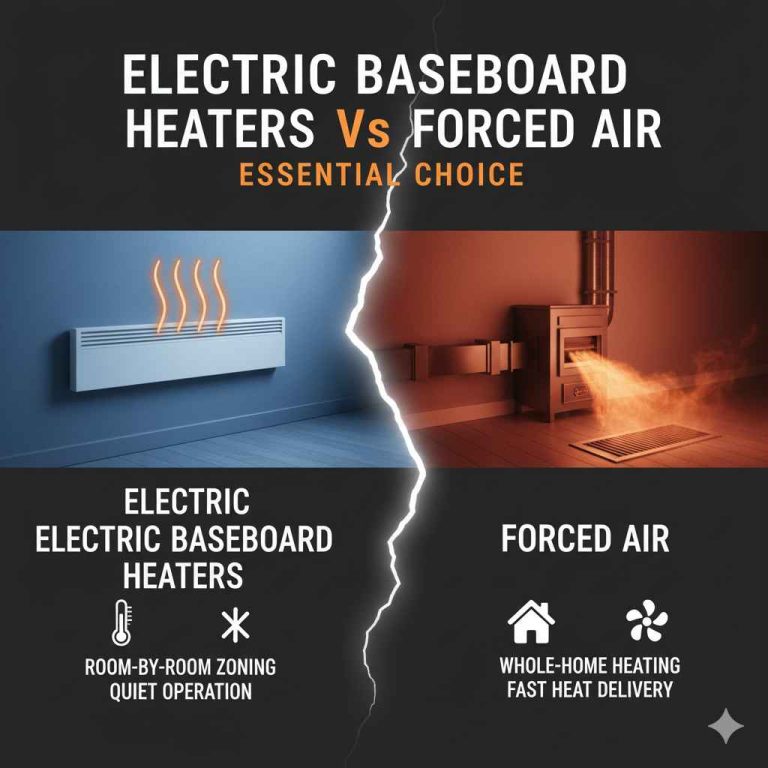
Electric baseboard heaters offer a simple way to heat rooms. They use electricity to warm the air near the floor. This heat then rises, warming the whole space. These heaters are common in homes without central heating systems. They are easy to control and provide steady warmth.
Understanding how they work helps compare them to gas furnaces. This knowledge helps you pick the right heating for your home.
How Baseboard Heaters Work
Electric baseboard heaters use electric resistance to create heat. Electricity flows through metal coils inside the unit. The coils get hot and warm the air around them. This warm air moves up naturally, spreading heat across the room. The heater runs quietly and does not blow air. It heats the space slowly but evenly.
Energy Consumption
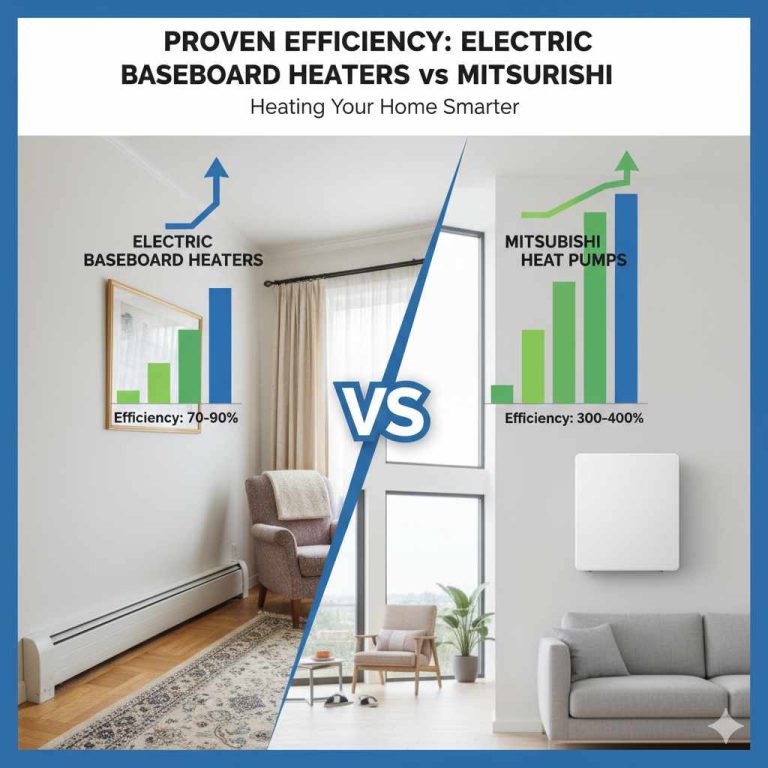
Baseboard heaters use electricity directly to make heat. They convert almost all electricity into heat, so no energy is wasted. The cost depends on your electric rates and heater size. These heaters can be more expensive to run than gas furnaces. They work best in small spaces or rooms used often.
Installation And Placement
Baseboard heaters are installed along the base of walls. They need some free space to let heat spread well. Avoid placing furniture or curtains in front of them. Installation is simpler than central heating systems. Each room can have its own heater and thermostat. This allows better control of temperature in different rooms.
Cost Comparison
Comparing the costs of gas furnaces and electric baseboard heaters helps decide the best option. Costs include buying, installing, running, and maintaining the system. Understanding each cost area makes the choice clearer.
Initial Purchase And Installation
Gas furnaces usually cost more to buy than electric baseboard heaters. Installing a gas furnace needs ductwork and gas lines, raising the installation price. Electric baseboard heaters are simpler to install. They only need wiring and a place on the wall. Installation costs for electric heaters are often lower and faster.
Operating Costs
Gas furnaces use natural gas, which often costs less than electricity. This can lead to lower monthly bills. Electric baseboard heaters use electricity, which can be more expensive. The cost depends on local energy prices. Gas furnaces heat a whole house well, saving energy in big spaces. Electric heaters are good for heating small rooms.
Maintenance Expenses
Gas furnaces need yearly checkups to ensure safety and efficiency. This includes cleaning and parts replacement. These services add to the cost. Electric baseboard heaters require little maintenance. They have no moving parts and rarely break. This means fewer expenses over time.
Performance And Comfort
Performance and comfort are key factors when choosing between a gas furnace and electric baseboard heaters. Both systems provide heat, but they differ in how they deliver warmth and maintain comfort in your home. Understanding these differences helps you pick the right heating for your needs.
Heat Distribution
Gas furnaces use ducts to spread warm air through your home. This creates even heat in every room. Electric baseboard heaters warm the air around them. The heat stays close to the unit and may not reach far. Rooms with baseboard heaters can feel warmer near the unit and cooler farther away.
Response Time
Gas furnaces heat the air quickly and start working fast. You feel warmth soon after turning it on. Electric baseboard heaters take longer to warm up. They heat the air slowly and provide steady heat over time. This delay can affect how fast your room feels comfortable.
Noise Levels
Gas furnaces make some noise from the blower and gas ignition. The sound is usually low but noticeable. Electric baseboard heaters work quietly with no moving parts. They are nearly silent, making them ideal for bedrooms or quiet spaces.
Environmental Impact
The environmental impact of heating systems matters a lot today. Choosing between a gas furnace and electric baseboard heaters affects the planet differently. Understanding their impact helps make a better choice for a cleaner future.
This section explains how each system affects the environment through carbon emissions, energy sources, and sustainability factors.
Carbon Emissions
Gas furnaces burn natural gas, releasing carbon dioxide into the air. This adds to greenhouse gases that cause climate change. Electric baseboard heaters do not produce emissions at home. But electricity may come from power plants that burn fossil fuels.
Overall, gas furnaces tend to emit more carbon directly. Electric heaters’ emissions depend on the electricity source. Cleaner electricity means lower carbon footprints for electric heaters.
Energy Sources
Gas furnaces rely on natural gas, a fossil fuel. Natural gas is non-renewable and contributes to pollution. Electric baseboard heaters use electricity, which can come from many sources. These include coal, natural gas, nuclear, wind, or solar power.
The environmental impact varies greatly with electricity sources. Renewable energy reduces harm. Fossil fuels increase pollution and resource depletion. Electric heaters have the potential to be greener as energy grids improve.
Sustainability Factors
Gas furnaces depend on a limited natural gas supply. Extracting and transporting gas can harm ecosystems. They also have a shorter lifespan and need regular maintenance. Electric baseboard heaters last longer and need less care.
Electric heaters offer more sustainability if powered by clean energy. They produce no indoor air pollution. Choosing electric heating supports future energy shifts toward renewables.
Safety Considerations
Safety is a key factor when choosing between a gas furnace and electric baseboard heaters. Each heating system has its own risks and safety measures. Understanding these helps you keep your home safe and warm. This section covers potential hazards, safety features, and user precautions for both systems.
Potential Hazards
Gas furnaces can leak carbon monoxide, a dangerous gas. Faulty vents or cracks increase this risk. Gas leaks can cause fires or explosions.
Electric baseboard heaters pose fire risks if flammable items are too close. Overheating can cause burns or damage walls. Electrical faults may also cause shocks or fires.
Safety Features
Modern gas furnaces include carbon monoxide detectors and automatic shut-offs. These features stop the furnace if a problem occurs. Many have sealed combustion chambers to reduce leaks.
Electric baseboard heaters often have built-in thermal cutoffs. These turn off the heater if it gets too hot. Some models have protective covers to avoid direct contact with the heating element.
User Precautions
For gas furnaces, regular inspections by professionals are essential. Keep vents clear and install carbon monoxide detectors in your home.
For electric baseboard heaters, do not place furniture or curtains too close. Keep them clean and check cords for damage regularly. Turn off heaters when not in use for safety.
Choosing The Right Heater
Choosing the right heater matters for comfort and cost. Picking between a gas furnace and electric baseboard heaters depends on several factors. Understanding your needs helps you make a smart choice.
Climate And Location
Cold climates may benefit more from gas furnaces. They heat large spaces quickly and keep homes warm during long winters. Electric baseboard heaters work well in mild climates. They provide steady heat in small areas without much fuel cost.
Home Size And Insulation
Large homes with good insulation suit gas furnaces best. They warm the entire house evenly and use less energy for big spaces. Small or medium homes with poor insulation may find electric baseboards easier. These heaters add warmth to specific rooms without heating unused spaces.
Budget And Preferences
Gas furnaces have higher upfront costs but lower running expenses. Electric baseboard heaters cost less to install but use more electricity over time. Personal preference also plays a role. Some prefer the quiet and simple electric heaters. Others want the powerful heat from gas systems.
Frequently Asked Questions
Which Is More Energy-efficient: Gas Furnace Or Electric Baseboard?
Gas furnaces are generally more energy-efficient for heating large spaces. Electric baseboard heaters work well for small areas but cost more to run. Efficiency depends on fuel prices and insulation quality.
What Are The Installation Costs For Gas Vs. Electric Heaters?
Gas furnace installation costs are higher due to ductwork and gas lines. Electric baseboard heaters are cheaper and easier to install. Costs vary by home size and local labor rates.
How Do Maintenance Needs Differ Between Gas And Electric Heaters?
Gas furnaces require regular servicing to ensure safety and efficiency. Electric baseboard heaters need minimal maintenance, mainly cleaning dust buildup. Proper upkeep extends the lifespan of both systems.
Which Heating System Is Safer For Home Use?
Electric baseboard heaters pose fewer safety risks since they don’t burn fuel. Gas furnaces must be checked for leaks and proper ventilation to avoid hazards. Both are safe with proper installation.
Conclusion
Choosing between a gas furnace and electric baseboard heaters depends on your needs. Gas furnaces heat large spaces quickly and cost less to run. Electric baseboard heaters are easy to install and good for small rooms. Think about your home size, budget, and energy costs.
Both options have benefits and drawbacks. This helps you pick the best heater for comfort and savings. Keep your climate and preferences in mind when deciding. Stay warm and save money with the right choice.