Convection Vs. Hydronic: Essential Guide
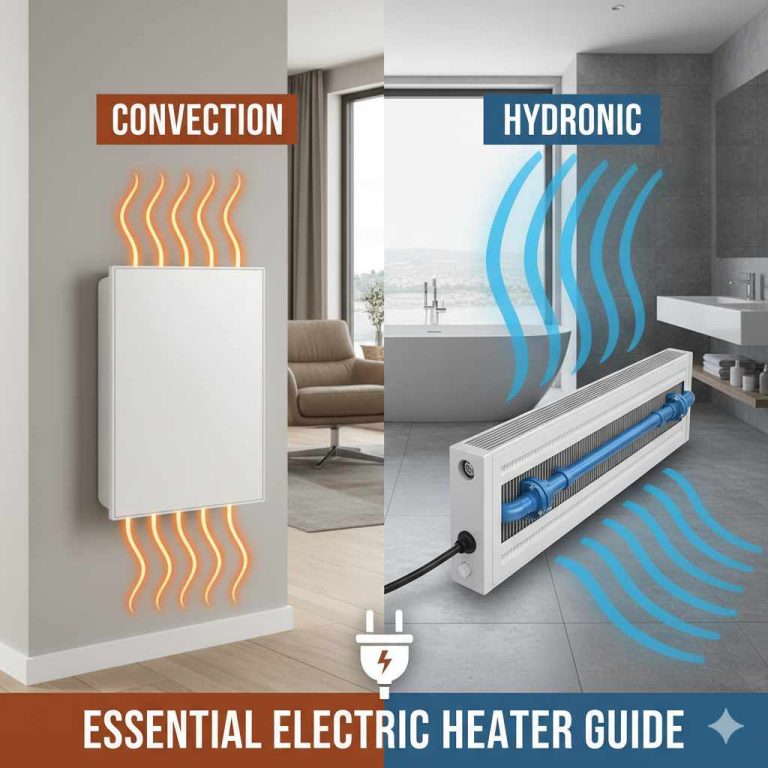
Choosing between convection and hydronic baseboard heaters? Convection offers quick, dry heat that’s budget-friendly upfront, while hydronic provides consistent, quiet warmth radiating from a liquid core, often proving more energy-efficient long-term. This guide breaks down their differences, pros, and cons to help you pick the best cozy solution for your home.
Deciding on the right heating system for your home can feel a bit overwhelming, especially when you’re faced with different technologies. You want your home to be warm, comfortable, and safe, but which type of heater will get you there without costing a fortune or being a hassle to use? Many homeowners wonder about convection and hydronic electric baseboard heaters—they sound similar but work quite differently! This guide is here to clear up any confusion. We’ll walk through each type, explaining exactly how they heat your space, what makes them stand out, and how you can choose the perfect fit for your needs.
Understanding Your Home Heating Options: Convection vs. Hydronic Baseboard Heaters
When you think about keeping your home toasty warm, especially during those chilly months, baseboard heaters often come to mind. They’re a popular choice for supplemental heating or for homes that don’t have a central heating system. But not all baseboard heaters are created equal! The two main types you’ll encounter are convection and hydronic electric models. While they both sit along your walls and radiate heat, their inner workings and how they deliver that warmth are distinct. Let’s dive into what makes each one tick, so you can feel confident about your choice.
What is a Convection Heater?
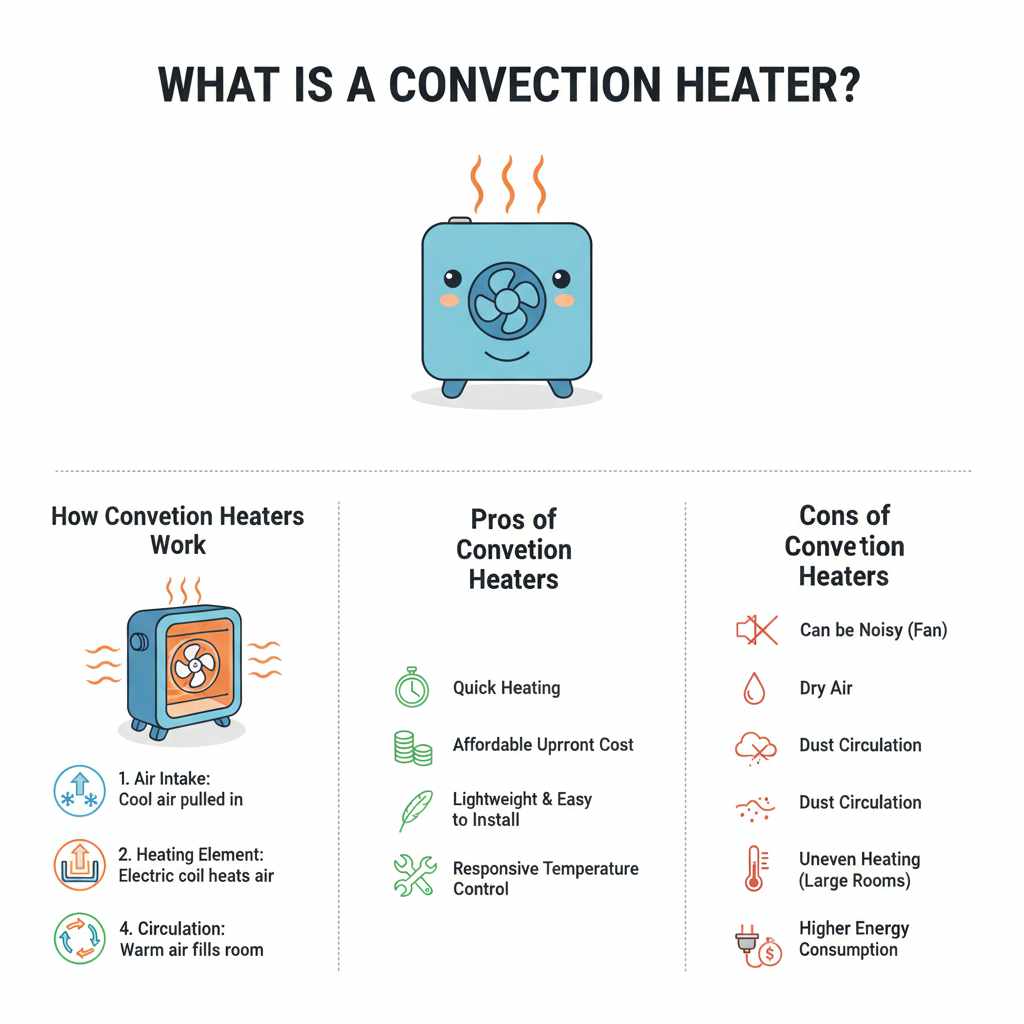
Imagine a small, friendly fan that quietly does its job. That’s a good way to think about a convection heater. These heaters work by drawing in cooler air from the room, heating it up internally, and then releasing the warmer air back into the space. This process creates a natural flow of air, known as convection currents, that gently circulates warm air throughout your room. They are designed to heat the air directly. They don’t actually involve any liquids inside their heating elements. The heat comes from an electric resistance element that heats up, and then the fan or natural air currents push that heated air out.
How Convection Heaters Work
The process is wonderfully simple:
- Air Intake: Cool air from your room is pulled into the bottom of the heater.
- Heating Element: Inside, an electric resistance coil quickly heats up.
- Airflow: The heated air rises and is pushed out of the top of the heater. Some models use a small fan for faster heat distribution, while others rely on natural convection (hot air naturally rises).
- Circulation: As warm air fills the room, it creates a gentle air current, pushing cooler air down to be heated. This continuous cycle warms the entire space.
Pros of Convection Heaters
Convection heaters are a popular choice for many good reasons:
- Quick Heating: They heat the air quickly, so you feel the warmth relatively fast after turning them on.
- Affordable Upfront Cost: Generally, convection heaters are less expensive to purchase than hydronic models.
- Lightweight: They are usually lighter, making installation simpler and less strenuous.
- Easy to Install: Many are plug-and-play or require basic wiring, making them a DIY-friendly option for many homeowners.
- Responsive Temperature Control: Since they heat the air directly, their thermostats can react quickly to temperature changes, offering good control over the room’s comfort.
Cons of Convection Heaters
While they have many advantages, it’s also good to be aware of their limitations:
- Can be Noisy: Models with fans can produce a noticeable hum or whirring sound. Even fan-less models can make clicking sounds as the thermostat cycles on and off.
- Dry Air: The rapid heating of air can sometimes lead to drier indoor air, which might be uncomfortable for some people or exacerbate dry skin and respiratory issues.
- Dust Circulation: The airflow can sometimes stir up dust and allergens present in the room, which might be a concern for allergy sufferers.
- Uneven Heating (Potentially): While convection circulates air, very large or poorly insulated rooms might experience slightly cooler spots compared to where the heater is located.
- Higher Energy Consumption (Potentially): Because they heat the air directly and rely on currents, they might use more electricity to maintain a consistent temperature in larger or drafty spaces compared to the radiant heat from hydronic systems.
What is a Hydronic Heater?
Think of a hydronic heater as a gentle, persistent hug for your room. Instead of heating air directly, these heaters contain a special heating element that heats a liquid (usually a non-toxic oil or a water-based solution) sealed inside the baseboard. This heated liquid then circulates through the fins of the heater, which radiate warmth into the room. This type of heat is often described as more radiant and enveloping. It warms objects and people in the room rather than just heating the air, leading to a feeling of consistent comfort.
How Hydronic Heaters Work
The process is a bit more involved, but results in a unique type of warmth:
- Heating Element: A sealed electric heating element heats a heat-transfer fluid (like oil) inside the baseboard.
- Liquid Circulation: The heated fluid warms up and naturally rises within the sealed chamber.
- Radiant and Convection Heat: As the heated fluid flows through, it warms the metal fins surrounding it. These fins then release heat through radiation (warming objects and people directly) and some gentle convection (warming the air that touches them).
- Consistent Temperature: Because the liquid retains heat for a while, hydronic heaters tend to provide a more stable and consistent temperature with fewer fluctuations than convection heaters where on/off cycles can be more noticeable.
Pros of Hydronic Heaters
Hydronic heaters offer some significant benefits for homeowners seeking a specific type of comfort:
- Quiet Operation: This is a major advantage. Since there are no fans and the liquid core dampens sounds, hydronic heaters are exceptionally quiet, making them ideal for bedrooms, living areas, and quiet workspaces.
- Consistent & Even Heat: The stored heat in the liquid provides a steady, even warmth that doesn’t fluctuate as much. This creates a very comfortable and stable room temperature.
- Less Dry Air: The gentler heating method often results in less dry air compared to forced-air convection systems.
- No Dust Circulation: Because they don’t rely on fans to push air, they don’t actively stir up dust, making them a better choice for those with allergies or respiratory sensitivities.
- Energy Efficiency (Long-Term): While upfront costs might be higher, their ability to retain heat and provide consistent warmth can lead to lower energy bills over time, especially in well-insulated spaces. They might cycle less often than some convection heaters.
- Safer Surfaces: The metallic surfaces of hydronic heaters often stay cooler to the touch compared to exposed heating elements in some unconcealed convection units, which can be a safety benefit.
Cons of Hydronic Heaters
It’s also important to consider the potential drawbacks:
- Higher Upfront Cost: Hydronic heaters typically have a higher purchase price than convection models.
- Heavier and More Difficult Installation: They are heavier due to the liquid inside and may require more complex installation, possibly needing professional help.
- Slower to Heat Up: Because the liquid needs time to heat up first, it takes longer for a hydronic heater to start delivering noticeable warmth into the room compared to a convection unit.
- Slower to Cool Down: Once turned off, they will continue to radiate heat for a while as the liquid cools, meaning you can’t turn them off and expect the room to cool down instantly.
- Potential for Leaks (Rare): Although designed to be sealed, there’s always a minuscule risk of leaks over many years of use, which could damage flooring. Reputable brands have robust sealing.
Convection vs. Hydronic: Key Differences at a Glance
To make your decision easier, let’s put the core differences side-by-side. Understanding these distinctions will help you weigh the pros and cons based on your specific needs and preferences.
| Feature | Convection Heaters | Hydronic Heaters |
|---|---|---|
| Heating Method | Heats air directly, uses air currents (natural or fan-assisted) for circulation. | Heats a liquid that circulates, radiating warmth and gently warming air. |
| Speed of Heating | Fast; you feel warm air quickly. | Slower; takes time for the liquid to heat up. |
| Heat Quality | Heats the air; can feel like warm air blowing. | Radiant and gentle; warms objects and people evenly. |
| Noise Level | Can be noisy (fan hum, clicking). | Very quiet; no fans, liquid dampens sound. |
| Air Quality Impact | Can dry out air, circulate dust. | Less drying, no dust circulation. |
| Energy Efficiency | Can be less efficient in large spaces; uses electricity to heat air. | Potentially more efficient long-term due to consistent heat retention and steadier cycling. |
| Upfront Cost | Generally lower. | Generally higher. |
| Installation Complexity | Simpler, often DIY-friendly. | Heavier, may require professional installation. |
| Maintenance | Minimal; clean dust. | Minimal; check for obvious issues. |
| Best For | Quick spot heating, budget-conscious initial purchase, rooms where quick warmth is needed. | Consistent, quiet comfort, allergy sufferers, bedrooms, continuous warmth needs. |
Which Heater is Right for You? Factors to Consider
Choosing between convection and hydronic isn’t about which is “better” overall, but which is better for your specific situation. Here are some key things to think about:
Your Budget
If your primary concern is the initial purchase price, a convection heater will likely be the more budget-friendly option. Hydronic heaters often come with a higher price tag. However, don’t forget to consider long-term running costs too, which we’ll touch on later.
Room Size and Usage
For smaller rooms or spaces where you need quick bursts of heat (like a bathroom before showering, or a home office on a cold morning), convection heaters can be very effective. Their ability to heat the air fast is ideal for these scenarios. For larger living areas or bedrooms where you want consistent, background warmth throughout the day or night, the steady, quiet output of a hydronic heater might be more suitable.
Comfort Preferences
Do you prefer the feeling of warm air circulating, or do you like the gentle, enveloping warmth of radiant heat? If you have allergies or asthma, the lack of air circulation and dust movement from a hydronic heater might be a significant advantage. If you need to heat a space very quickly, convection often has the edge. Many people find the quiet and steady heat of hydronic systems to be more luxurious and comfortable for living spaces.
Noise Sensitivity
If you are sensitive to noise, particularly in areas where you sleep or relax, a hydronic heater is almost certainly the better choice. The absence of fans means they operate in near silence, which can be a huge benefit for creating a peaceful environment.
Installation Capabilities
If you’re a seasoned DIYer comfortable with basic electrical work, both types might be manageable. However, the added weight and complexity of hydronic heaters often make professional installation a more practical choice for many homeowners.
Energy Efficiency and Long-Term Costs
This is where it gets interesting. While convection heaters can be very efficient for spot heating, they might consume more electricity than hydronic units in the long run for maintaining a consistent temperature, especially in poorly insulated homes. Hydronic units store heat in their liquid core. This means they can provide warmth even when the heating element isn’t actively running, leading to less frequent cycling and potentially steadier, more controlled energy use. The U.S. Department of Energy offers great resources on improving home energy efficiency, which can inform your heating choices: U.S. Department of Energy – Home Heating Systems.
Installation Basics (For Homeowners)
While professional installation is often recommended, understanding the basics can empower you. Your specific heater’s manual will always be the ultimate guide.
For Convection Heaters:
- Placement: Usually installed on an exterior wall, beneath a window, away from furniture and curtains to allow for proper airflow.
- Mounting: Typically screwed securely into the wall studs.
- Wiring: Many smaller units can be plugged into an existing outlet. Larger or hardwired units require a dedicated circuit, connecting directly to your home’s electrical panel. Always ensure the circuit breaker is the correct size for the heater’s wattage.
- Thermostat: Many convection heaters have built-in thermostats, while others are controlled by a central thermostat.
For Hydronic Heaters:
Due to their weight and the sealed liquid system, professional installation is strongly advised for hydronic units. The process generally involves:
- Precise Mounting: As they are heavier, securing them to wall studs is even more critical.
- Electrical Connection: Similar to convection, they require a dedicated circuit from your electrical panel.
- Thermostat Integration: They are often designed to work seamlessly with a whole-home thermostat system, ensuring coordinated heating.
Important Safety Note: Always turn off power at the breaker before starting any electrical work. If you are not comfortable with electrical wiring, hire a qualified electrician. Proper installation ensures safety and optimal performance.
Maintaining Your Baseboard Heaters for Longevity
Keeping your heaters in good shape is simple and helps them run efficiently. Both types require minimal maintenance, but a little attention goes a long way.
Regular Cleaning is Key:
- Dust Buildup: The most common issue is dust accumulating on the fins and inside the heater. This can reduce efficiency and potentially be a fire hazard if severe.
- Cleaning Method:
- Turn off the power! Always ensure the heater is unplugged or the breaker is off before cleaning.
- Use a vacuum cleaner with a brush attachment or a specialized fin brush to carefully clean between the fins.
- For convection heaters, ensure the air intake and outlet vents are free of obstructions.
- Wipe down the exterior with a damp cloth.
Annual Check-up:
- Periodically check that the heater is securely mounted to the wall.
- Listen for any unusual noises (for convection units) or signs of wear.
- For hydronic units, visually inspect for any signs of leaks, although this is very rare with modern, well-maintained units.
Following these simple steps will help ensure your heaters operate safely and efficiently for years to come.

Frequently Asked Questions (FAQs)
Q1: Will a convection heater make my room too dry?
Answer: Convection heaters heat air directly and can sometimes lead to drier indoor air. If you experience dryness, using a humidifier in the room can help counteract this effect. Hydronic heaters typically produce less dry air.
Q2: Are hydronic heaters safe for use around children and pets?
Answer: Yes, hydronic heaters are generally considered very safe. The liquid-filled core helps keep the outer surfaces cooler than exposed heating elements. However, as with any heater, always supervise young children and pets around them, and ensure they don’t touch the unit directly for extended periods.
Q3: Can I install baseboard heaters myself?
Answer: Smaller convection heaters that plug into an outlet are often DIY-friendly. Hardwired convection units and almost all hydronic heaters involve electrical connections that may require a licensed electrician for safety and code compliance.
Q4: Which type of baseboard heater is more energy-efficient?
Answer: This depends on usage and home insulation. While convection heats air quickly, hydronic’s steady heat retention can often lead to more consistent comfort and potentially lower energy bills long-term due to steadier cycling. U.S.