Electric Baseboard Heaters Vs Forced Air: Essential Choice
Choosing between electric baseboard heaters and forced air systems depends on your home’s needs. Electric baseboard offers quiet, zone-controlled comfort perfect for smaller areas or supplemental heat. Forced air provides whole-home heating quickly but can be noisier and less customizable. We’ll break down the pros, cons, and ideal uses for each to help you decide wisely.
For a related heater topic, Electric Baseboard Heaters Vs Oil Filled: Essential Guide gives readers a useful next step.
Welcome, home comfort seekers! Deciding on the right heating system can feel a little overwhelming, especially with so many options out there. Two common choices you’ll encounter are electric baseboard heaters and forced air systems. You might be wondering: which one is best for my home? Which one will keep me cozy without breaking the bank? Don’t worry! I’m Tanim, your friendly guide to all things home heating. We’ll walk through these two popular options, look at what makes them tick, and explore how they stack up against each other. By the end, you’ll feel confident in making the essential choice that’s right for your comfort and your budget. Let’s dive in and make your home a warm haven!
Understanding Electric Baseboard Heaters
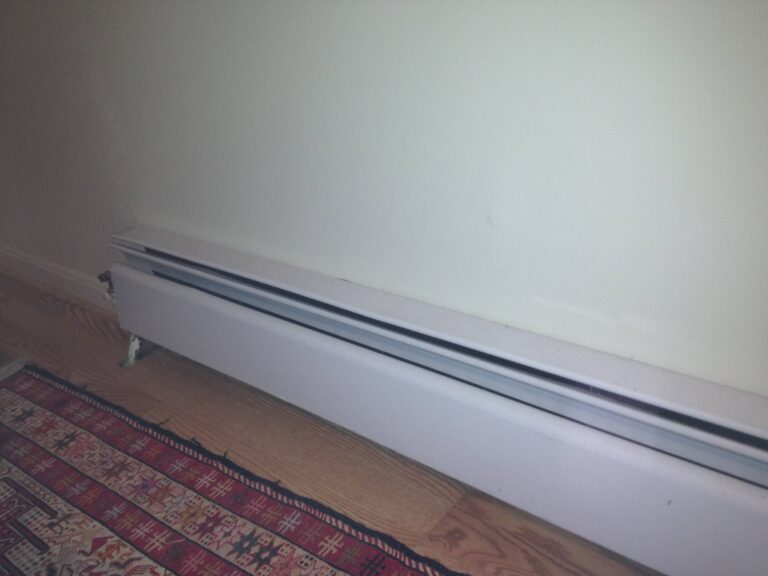
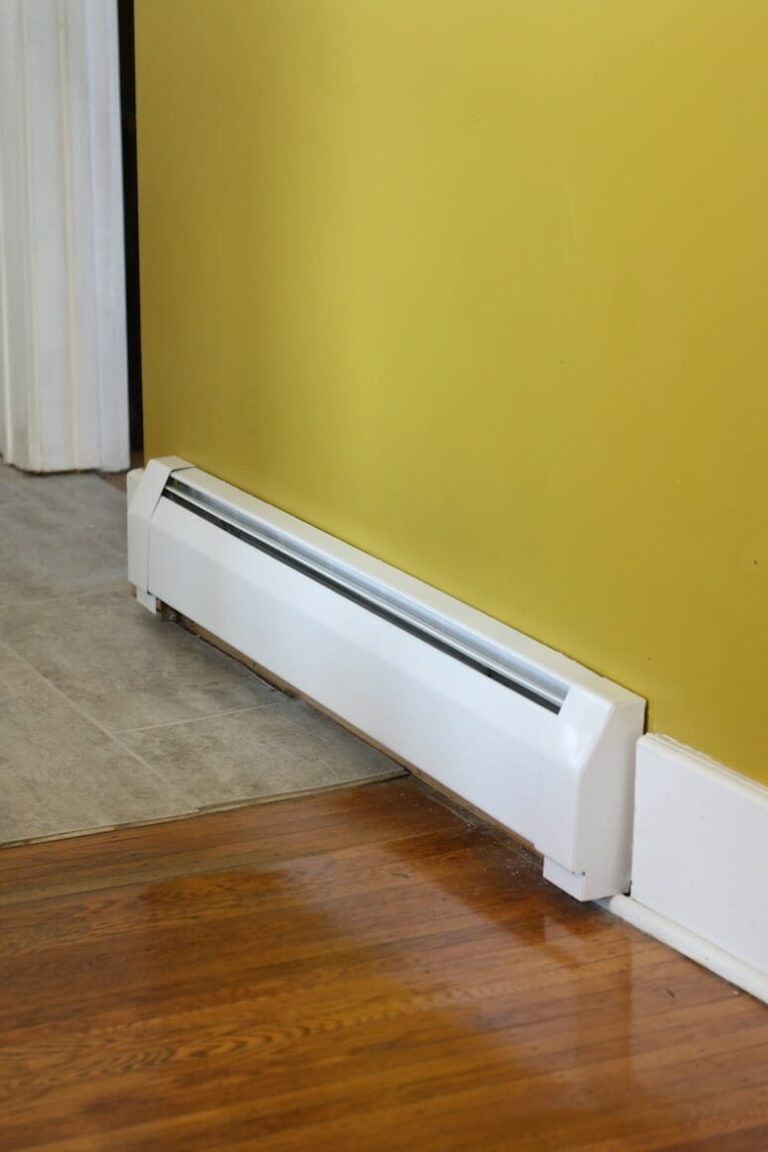
Electric baseboard heaters are a popular choice, especially in certain climates and for specific applications. They are known for their simplicity and quiet operation. Think of them as a series of long, low heaters that run along the base of your walls, usually under windows. They work by drawing in cool air, heating it with an electric element, and then letting the warm air rise naturally. This creates a gentle circulation of heat throughout the room.
How Electric Baseboard Heaters Work
The magic behind electric baseboard heaters is surprisingly straightforward. Inside the metal casing, there’s a finned heating element, much like the one in your toaster but much larger. When electricity flows through this element, it gets hot. Cool air from the room enters the bottom of the unit. As it passes over the heating element, it warms up. Because warm air is less dense than cool air, it rises out of the top of the heater and begins to circulate. This natural convection process gently warms the room. Most units have a built-in thermostat, or they can be controlled by a central thermostat, allowing you to set and maintain a desired temperature for each room individually.
Pros of Electric Baseboard Heaters
Electric baseboard heaters offer a unique set of advantages that make them a great fit for many homes:
- Zoning and Individual Control: Each heater, or a group of heaters on a specific circuit, can often be controlled independently. This means you can heat only the rooms you’re using, saving energy and money. Set the bedroom cooler at night and the living room warmer during the day.
- Quiet Operation: Since they rely on natural convection, these heaters are virtually silent. This is a huge plus for bedrooms, nurseries, or anyone who dislikes the noise associated with other heating systems.
- Easy Installation: For new construction or renovations, installation is relatively simple. They require electrical wiring but don’t need ducts, pipes, or vents, which can make them less disruptive and potentially less costly to install compared to central systems. They simply mount to the wall along the floor.
- Supplemental Heating: They are excellent for supplementing an existing heating system. If you have a drafty room or an addition that doesn’t get enough heat from your main furnace, a baseboard heater can provide targeted warmth.
- Aesthetically Discreet: While not exactly decorative, their low profile allows them to blend into the background, often installed beneath windows where they are less conspicuous.
- No Air Leaks: Unlike forced air systems that can sometimes push air through leaks in ductwork, baseboard heaters heat a specific space directly without relying on a complex air distribution network.
Cons of Electric Baseboard Heaters
While they have many benefits, it’s important to be aware of the potential drawbacks:
- Higher Operating Costs: Electricity can be more expensive per unit of heat than natural gas, especially for whole-house heating. If your primary heating source is electric resistance heat like baseboard heaters, your monthly energy bills could be higher, particularly in very cold climates. The U.S. Department of Energy provides insights into the cost of different heating fuels, which can vary by region.
- Slower to Heat Large Spaces: Because they rely on natural convection, it can take longer for electric baseboard heaters to warm up a large room or an entire house compared to a forced air system that blasts heated air.
- Can Be a Fire Hazard if Blocked: It’s crucial to keep furniture, curtains, and other objects at least a few inches away from baseboard heaters. Blocking the airflow can lead to overheating and potential fire hazards. Always ensure there’s clear space around them.
- Can Create Drafts: While the heating itself is quiet, the natural convection process can sometimes create minor drafts as cool air is pulled towards the heater and warm air rises.
- Dry Air: Like most electric resistance heating, baseboard heaters can contribute to dry indoor air, especially in winter. Some people find they need a humidifier.
Understanding Forced Air Heating Systems
Forced air heating is perhaps the most common heating method in North America. It’s the kind of heat that comes out of vents or registers in your floors, walls, or ceilings. A central furnace heats up air, and then a fan (the blower) pushes that heated air through a network of ducts to warm different parts of your home. It’s a versatile system that often handles your cooling needs too, as the same ducts and fan can be used for an air conditioner in the summer.
How Forced Air Systems Work
The process for forced air is quite dynamic. A furnace heats air, typically using natural gas, propane, or electricity. Once the air reaches a desired temperature (as indicated by your thermostat), a powerful fan, called a blower, kicks in. This blower draws air from your home through return vents, sends it through the furnace to be heated, and then pushes the warm air out through supply ducts to various rooms in your house. The air eventually returns to the furnace via the return vents, creating a continuous cycle. The thermostat acts as the brain, telling the system when to turn on and off to maintain your set temperature.
Pros of Forced Air Heating
Forced air systems have dominated the heating market for good reason:
- Fast Heating: The primary advantage is speed. Within minutes of the furnace turning on, you can feel warm air coming from the vents, quickly raising the temperature of your home.
- Whole-Home Comfort: Forced air systems are designed to heat an entire house from a single central unit. If properly designed and maintained, they can provide consistent temperatures throughout your living space.
- Air Filtration and Humidification/Dehumidification: The system can incorporate air filters to remove dust, pollen, and other allergens, improving indoor air quality. You can also add humidifiers or dehumidifiers to the system to manage indoor moisture levels. The Environmental Protection Agency (EPA) offers great tips on improving indoor air quality, and your HVAC system plays a big part.
- Integrated Cooling: Most forced air systems are part of a larger HVAC (Heating, Ventilation, and Air Conditioning) system. This means the same ductwork and fan can be used for central air conditioning, providing year-round comfort management with a single system.
- Can Be Fuel Efficient: Modern furnaces, especially those powered by natural gas, can be very energy efficient, offering a cost-effective way to heat your home if natural gas is available and affordably priced in your area.
Cons of Forced Air Heating
Despite their popularity, forced air systems aren’t without their challenges:
- Noise: The blower fan and the movement of air through ducts can create noticeable noise. You might hear the fan running, air rushing through vents, and sometimes popping sounds as ducts expand and contract.
- Ductwork Installation and Maintenance: Installing ductwork can be expensive and intrusive, especially in existing homes. Ducts can also develop leaks over time, reducing efficiency and potentially spreading dust or mold if not properly maintained. Regular cleaning and inspection of ducts are recommended.
- Dry Air: Similar to electric baseboards, forced air systems, especially in winter, can circulate dry air. Many people use humidifiers in conjunction with forced air to combat this.
- Uneven Heating: In larger homes or homes with poorly designed ductwork, some rooms might be warmer than others. Rooms far from the furnace or at the end of long duct runs might not receive as much heated air.
- Airborne Allergens: While filters help, forced air systems can circulate dust, allergens, and even viruses throughout the home if filters aren’t changed regularly or if there are issues with the ductwork.
- Higher Initial Cost: The upfront cost of purchasing and installing a furnace, ductwork (if needed), and a central thermostat is typically much higher than installing electric baseboard heaters.
Electric Baseboard Heaters Vs. Forced Air: A Side-by-Side Comparison
To help you visualize the differences, let’s put electric baseboard heaters and forced air systems head-to-head on key factors. This comparison should make it easier to see which system aligns better with your priorities.
| Feature | Electric Baseboard Heaters | Forced Air Systems |
|---|---|---|
| Heating Speed | Slower, relies on natural convection | Faster, uses a fan to push heated air |
| Whole-Home Heating | Best for individual rooms or supplemental heat | Designed for efficient whole-home heating |
| Zoning/Control | Excellent; individual room thermostatic control is common | Standard central thermostat; zoning possible but more complex |
| Installation Cost | Generally lower, especially for supplemental needs | Generally higher, especially if ductwork is needed |
| Operating Cost | Can be higher due to electricity rates, especially for whole-house use | Potentially lower, especially with efficient furnaces and affordable fuel sources (e.g., natural gas) |
| Noise Level | Very quiet; virtually silent | Can be noisy due to fan and air movement |
| Air Quality Features | None inherently; can contribute to dry air | Can integrate air filters, humidifiers, and dehumidifiers |
| Cooling Integration | Does not provide cooling | Often integrated with central air conditioning |
| Maintenance | Minimal (cleaning, occasional check) | Regular filter changes, professional servicing recommended for furnace and ducts |
| Best For | Supplement heat, additions, apartments, rooms with individual temperature needs, quiet environments. | Primary heat source for entire homes, quick temperature changes, homes needing integrated cooling and air filtration. |
Choosing the Right System for Your Home
Now that you have a clearer picture of each system, how do you make the essential choice? It really comes down to understanding your specific needs, your home’s characteristics, and your budget.
Consider Your Climate
If you live in a region with mild winters where temperatures rarely dip severely, electric baseboard heaters might be perfectly adequate, especially if you only need to heat a few rooms or supplement your existing heat. However, in consistently cold climates, the operating cost of electric resistance heat for an entire home can become prohibitively expensive. In these areas, the efficiency and potentially lower fuel costs of a natural gas forced-air system might be a wiser long-term investment, assuming natural gas lines are available.
Evaluate Your Home’s Layout and Size
For smaller homes, apartments, or condos, electric baseboard heaters can be a sensible and cost-effective solution for primary heating. They offer room-by-room control, allowing you to avoid heating unused spaces. For larger, multi-story homes, a central forced-air system is often more practical and efficient for distributing heat evenly throughout the entire structure. If you have an older home where installing ductwork for a forced-air system would be a major undertaking, electric baseboard heaters offer a less invasive installation path.
Factor in Your Budget
Think about both the upfront costs and the ongoing expenses. Electric baseboard heaters generally have a lower initial installation cost. You can install them room by room as needed. Forced air systems, especially with new ductwork, represent a significant upfront investment. However, when considering operating costs, the picture can change. If natural gas is available and affordable in your area, a high-efficiency forced-air furnace can often be less expensive to run daily than electric resistance heat. To get a better idea of energy costs, you can consult your local utility provider or resources like the U.S. Energy Information Administration (EIA) for regional energy price comparisons.
For example, if you’re heating a small detached garage or a sunroom that’s occasionally used, a couple of electric baseboard heaters are likely the most practical and affordable choice. If you’re building a new family home and need to heat the entire structure reliably and potentially integrate air conditioning, a forced-air system is usually the standard and most efficient choice for widespread comfort.
Think About Your Comfort Preferences
Do you value quiet operation above all else? Electric baseboard heaters are the clear winner here, offering silent warmth. If you prefer your home to heat up quickly and enjoy features like air filtration and integrated cooling, then a forced-air system might be more appealing. Consider how you use your home. If you’re often home during the day and only need specific rooms heated, the zoning capability of baseboard heaters is a significant ergonomic benefit.
Installation Complexity
For electric baseboard heaters, installation involves running electrical wiring from your breaker panel to the locations where the heaters will be installed. This is typically a job for a qualified electrician. They mount directly on the wall. Forced air systems require professionals to install the furnace, connect it to fuel and exhaust lines, and run extensive ductwork throughout the house, along with supply and return grilles. This is a much more complex and invasive process, often planned during the home’s construction or a major renovation.
Installation and Usage Tips
Once you’ve made your choice, proper installation and usage are key to maximizing efficiency, safety, and comfort.
For Electric Baseboard Heaters:
- Professional Installation: Always have these heaters installed by a licensed electrician. Incorrect wiring can be a fire hazard and can lead to system malfunctions. They will ensure the correct gauge wiring and circuit breakers are used.
- Clearance is Crucial: Remember to always maintain at least a few inches (check the manufacturer’s recommendation, usually 3-6 inches) of clearance around the heater. Keep curtains, furniture, bedding, and any other combustible materials away from them.
- Regular Cleaning: Dust and debris can accumulate inside the heater and on the fins, reducing efficiency and potentially becoming a fire hazard. Vacuum the area around and underneath the heaters regularly and, if possible and safe to do so according to the manual, gently vacuum the fins themselves.
- Thermostat Use: Utilize the individual thermostats or a central programmable thermostat to set back temperatures when rooms are not in use or during overnight hours to save energy.
- Proper Sizing: An electrician can help determine the appropriate wattage for each heater based on the room’s size, insulation, and window exposure. Undersized heaters won’t heat adequately, while oversized ones waste energy.
For Forced Air Systems:
- Professional Installation and Maintenance: This is a complex system that requires certified HVAC technicians for installation, regular tune-ups, and repairs. Annual professional maintenance ensures efficiency and longevity.
- Change Filters Regularly: This is the most critical DIY maintenance task. Dirty filters restrict airflow, reduce efficiency, strain the system, and worsen indoor air quality. Check your filter monthly and replace it every 1-3 months, depending on the type of filter and your home environment (e.g., pets, allergies). The U.S. Department of Energy has excellent resources on HVAC maintenance.
- Keep Vents Clear: Ensure furniture, rugs, or other items are not blocking supply or return air vents. Obstructions hinder airflow and reduce the system’s effectiveness.
- Seal Duct Leaks: Leaky ducts can waste a significant amount of heated (and cooled) air. You can often seal visible leaks with mastic sealant or metal tape, but for extensive leaks, professional duct sealing might be necessary. Check your local building codes for any specific requirements.
- Programmable Thermostat: Invest in a programmable or smart thermostat to automatically adjust temperatures when you’re away or asleep, saving energy without sacrificing comfort.
Frequently Asked Questions (FAQ)
Here are some common questions beginners have about electric baseboard heaters versus forced air:
Q1: Which system is cheaper to run, electric baseboard or forced air?
A: It depends on many factors, including local energy prices (electricity vs. natural gas), the efficiency of the units, insulation levels of your home, and how you use the system. Generally, if natural gas is available and affordable, a modern, efficient forced-air furnace can be cheaper to run for whole-home heating than electric resistance baseboard heaters.