Convector vs Baseboard Heaters: Proven Efficiency
Convector vs. Baseboard Heaters: Choosing the Right, Efficient Heating for Your Home
Deciding between convector and baseboard heaters can feel tricky. Both are popular choices for home heating, but they work a little differently and can impact your energy bills. This guide will clearly break down convector vs. baseboard heaters, helping you understand their efficiency and which one is best for your comfort and budget. We’ll cover everything you need to know in simple terms.
Convector vs. Baseboard Heaters: Understanding Your Heating Options
Keeping your home warm and cozy during colder months is a top priority for any homeowner. When it comes to heating systems, especially for supplemental or zone heating, two common options often come up: convector heaters and baseboard heaters. While they might look similar and serve the same basic purpose, understanding their differences in how they operate, their efficiency, and their impact on your home’s comfort is key to making the best choice.
Many people wonder which type is more efficient or better suited for their specific needs. Are you looking for quick warmth, steady heat, or a way to save on energy costs? This guide is here to help you navigate the world of convector vs. baseboard heaters. We’ll break down everything in a way that’s easy to understand, no matter your experience level. Get ready to feel confident about choosing the right heating solution for your home.
What is a Baseboard Heater?
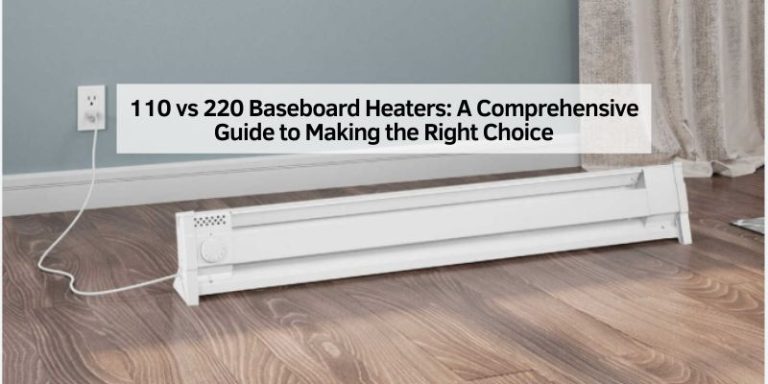
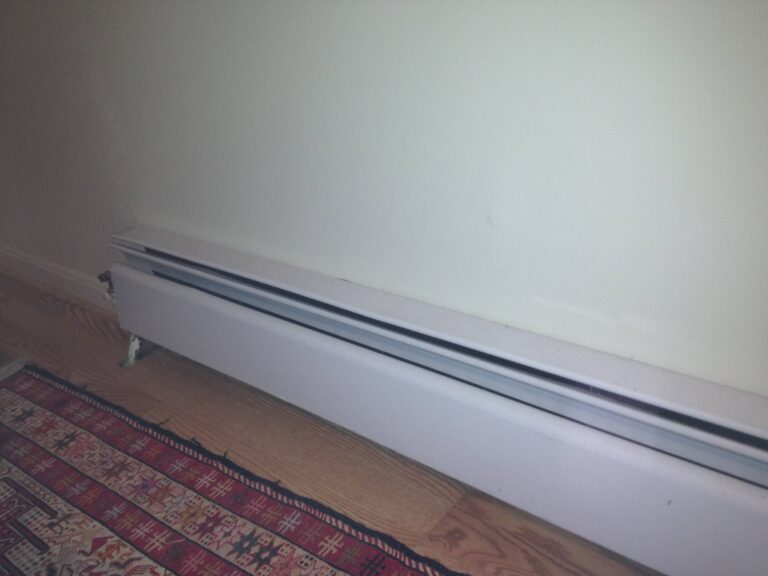
Baseboard heaters are a common type of electric resistance heater designed to be installed along the base of your walls, typically under windows. They are a popular choice for primary and supplemental heating in homes and apartments. Their long, low profile makes them discreet and easy to integrate into room design.
The fundamental principle behind a baseboard heater is simple. It contains a heating element (usually a resistance wire) encased in metal fins. When electricity flows through the heating element, it generates heat. This heat is then transferred to the metal fins, which in turn heat the air that comes into contact with them.
There are two main types:
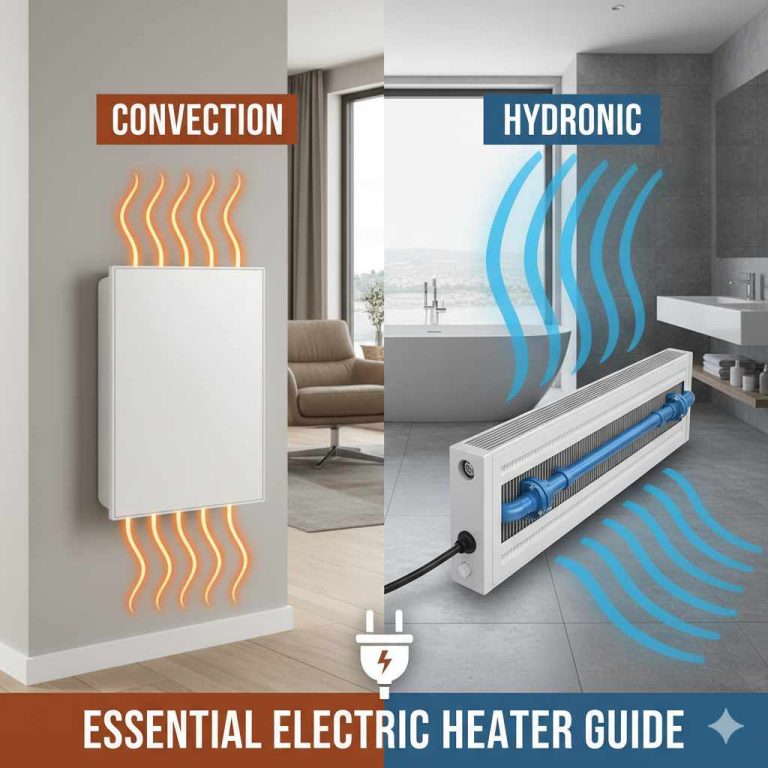
- Convection Baseboard Heaters: These are the most common. Cold air from the room is drawn into the bottom of the heater, passes over the hot heating element and fins, and then rises out of the top, creating a natural convection current that circulates warm air throughout the room.
- Radiant Baseboard Heaters: These also have a heating element but are designed to emit radiant heat directly from their surface. While they can provide a more direct feeling of warmth, they are less common than convection types and can be slower to heat an entire room.
Baseboard heaters are typically controlled by a built-in thermostat or a wall-mounted thermostat. Their installation is relatively straightforward, often requiring a dedicated electrical circuit. They are a solid, reliable option for providing consistent, room-by-room heating.
What is a Convector Heater?
A convector heater, often referred to simply as a “convector,” is a type of heater that primarily relies on convection to distribute heat. Unlike baseboard heaters that are permanently installed along walls, convector heaters are often portable or can be mounted in specific locations within a room. The defining characteristic of a convector is its mechanism for heating and circulating air.
A convector heater typically uses an electric heating element that heats up. A fan is incorporated within the unit to draw cooler air into the heater, pass it over the hot element, and then forcefully blow the warmed air back into the room. This active circulation of air allows convectors to heat a space more quickly than passive convection methods.
Key features of convector heaters include:
- Fan-Assisted Heating: The presence of a fan is what distinguishes many convectors from traditional baseboard heaters. This fan actively pushes warm air out, leading to faster room heating.
- Portability: Many convector models are designed to be moved from room to room, offering flexible heating solutions.
- Faster Heating: Due to the fan, convectors can often heat up a room more rapidly than baseboard heaters.
- Thermostat Control: Most convectors come with adjustable thermostats to set a desired temperature, though the precision can vary.
While the term “convector” can sometimes be used broadly to include any heater that uses convection, in the context of comparing it to baseboard heaters, it usually refers to units that actively use a fan for heat distribution.
Convector vs. Baseboard Heaters: How They Work and Their Efficiency
Understanding the “convector vs. baseboard heaters” debate really comes down to their operational differences and how those differences affect efficiency and comfort. While both aim to heat your home, their methods of heat transfer and distribution vary, leading to distinct advantages and disadvantages.
How Heat is Distributed: Convection vs. Forced Air
The core difference lies in how they move heated air:
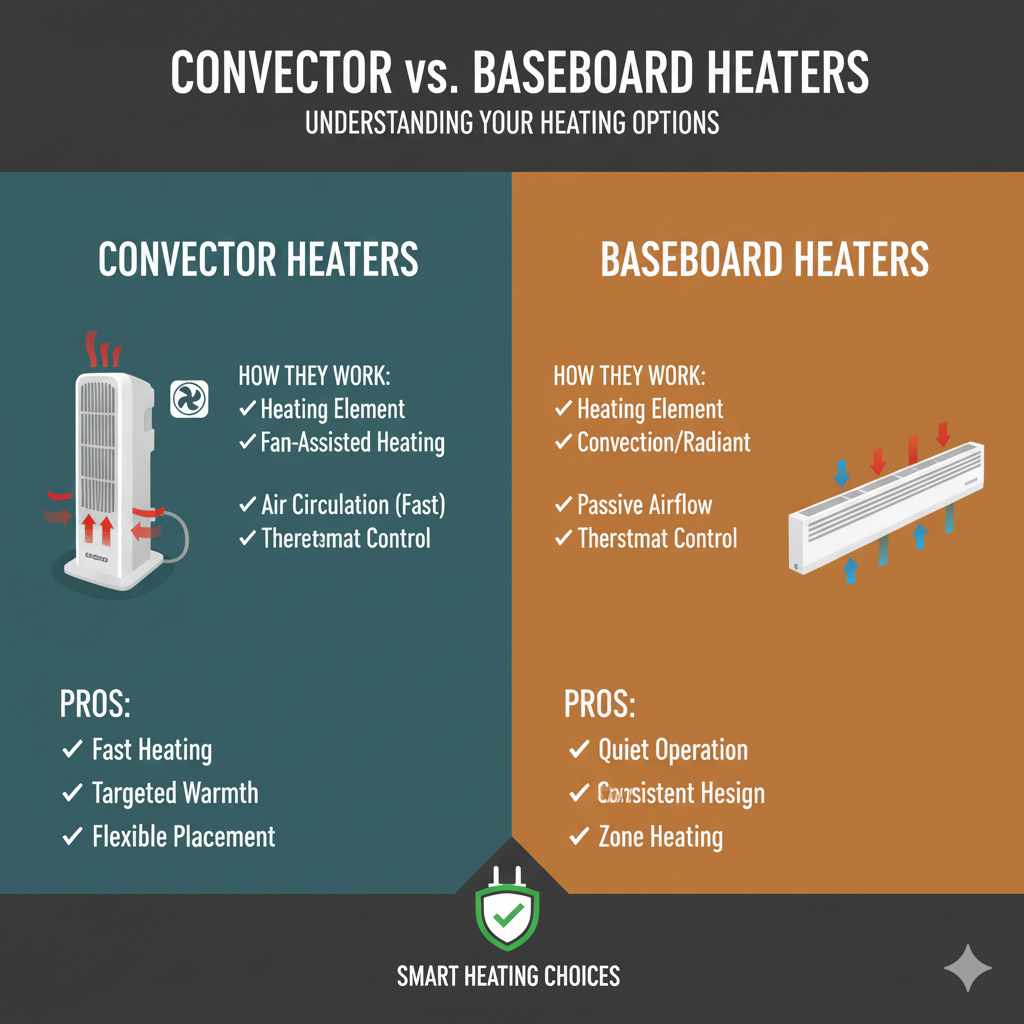
Baseboard Heaters (Convection):
- Natural Convection: They rely on the natural process of convection. Hot air rises, and as it rises from the top of the baseboard, it displaces cooler air. This cooler air then sinks and is drawn into the bottom of the heater to be heated.
- Gentle and Even: This creates a gentle, circulating flow of warm air. It’s a continuous, steady process that aims for even heating, though it can take longer to warm up a space.
- No Fan Noise: A significant advantage is their quiet operation, as there’s no fan to produce noise.
Convector Heaters (Forced Convection):
- Fan-Driven: Most convectors use an internal fan to actively push heated air out into the room.
- Faster Heating: This forced airflow allows them to heat a room much more quickly than natural convection.
- Potential for Drafts and Noise: The fan can sometimes create a noticeable draft or produce a humming sound, which might be a consideration for some.
Energy Efficiency: What the Numbers Say
When we talk about “proven efficiency” in convector vs. baseboard heaters, it’s important to understand that both are electric resistance heaters. This means they convert electrical energy into heat with essentially 100% efficiency at the point of conversion. In other words, every watt of electricity they consume is turned into a watt of heat.1
So, why does one seem more efficient than the other?
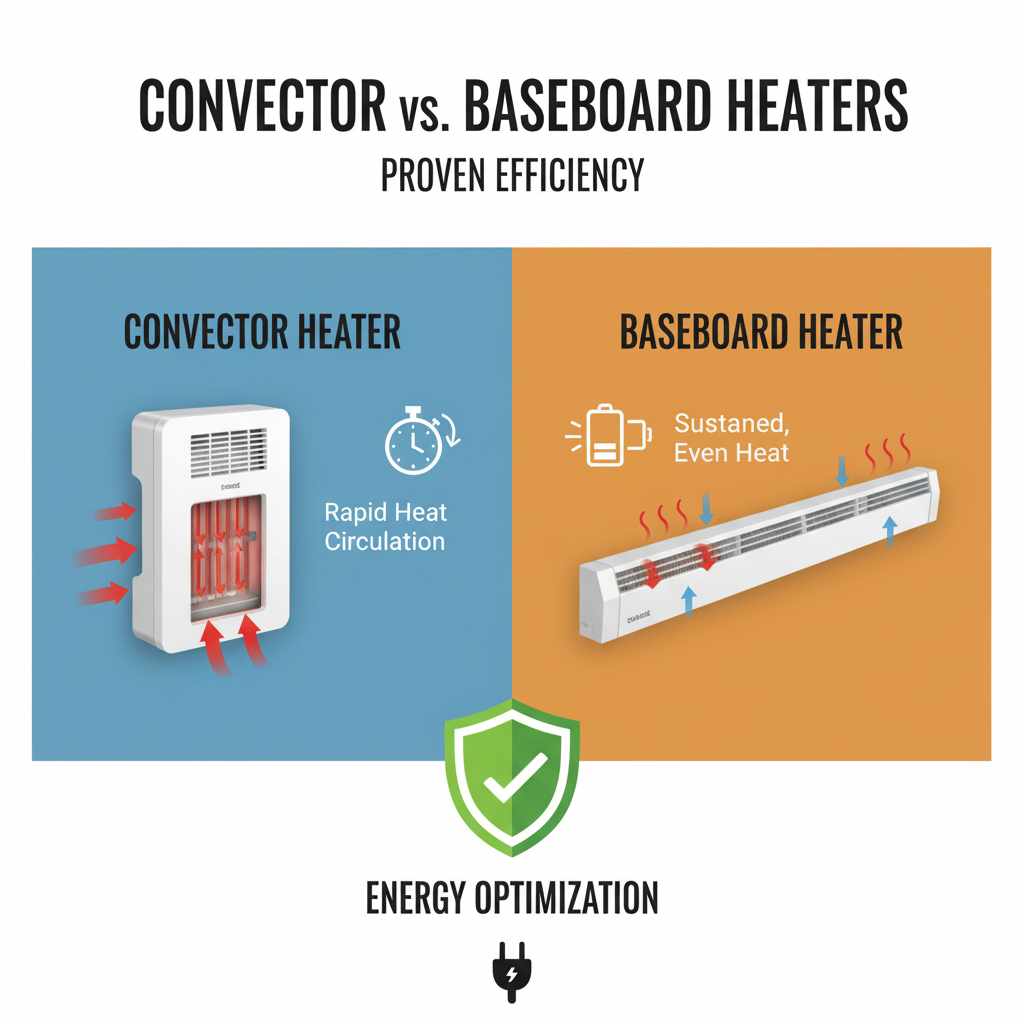
- Speed of Heating: Convectors might seem more efficient because they heat a room faster. You can turn them on, get warm quickly, and then turn them off, potentially using less total energy for short periods compared to a baseboard heater that needs to run longer to achieve the same temperature.
- Heat Distribution: Baseboard heaters, with their longer length and placement, can distribute heat more evenly across a room, which can lead to greater comfort at a slightly lower thermostat setting. This can result in energy savings over time by avoiding overheating. Convectors, especially smaller portable ones, might create hot spots and cooler areas, leading to less overall comfort and potentially more energy use to compensate.
- Thermostat Accuracy: The efficiency of any heater is also tied to its thermostatic control. A more accurate thermostat can prevent overheating and wasted energy. Some portable convectors might have less precise thermostats than built-in baseboard heater systems.
- Heating Needs: For quickly heating a small, unoccupied space or a room you’ll only use for a short time, a convector’s speed might offer practical energy savings. For steady, consistent heating of a primary living space, the even distribution of baseboard heaters can be more energy-efficient in the long run by maintaining a comfortable temperature without drastic fluctuations.
In essence: Both types are 100% efficient at converting electricity to heat. The perceived or practical efficiency advantage often comes down to how quickly they heat, how evenly they distribute heat, and how well they are controlled by thermostats.
Key Differences Summarized
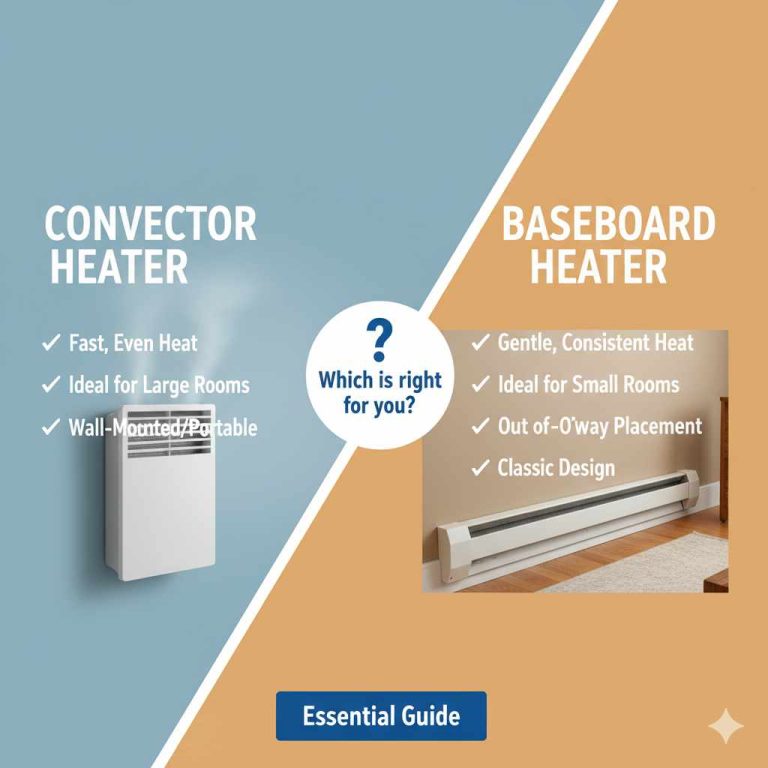
To make the decision clearer, let’s summarize the main distinctions between convector and baseboard heaters:
| Feature | Baseboard Heater | Convector Heater |
|---|---|---|
| Heat Distribution Method | Natural Convection (passive air circulation) | Forced Convection (uses a fan to blow air) |
| Heating Speed | Slower, gradual warming | Faster, quicker room heating |
| Installation | Permanent fixture, typically mounted along floors | Often portable, can be freestanding or wall-mounted |
| Noise Level | Very quiet (no fan) | Can produce fan noise |
| Air Circulation | Gentle, continuous circulation | More active, direct airflow; potential for drafts |
| Heat Evenness | Generally provides more even heat distribution across a room due to length and placement. | Can sometimes create hot spots or cooler zones depending on fan power and room size. |
| Ideal Use Case | Primary or supplemental heating for rooms needing consistent, quiet warmth. Bedrooms, living areas. | Quickly heating small spaces, or rooms used intermittently. Bathrooms, dens, offices. Good for portable needs. |
| Energy Efficiency Perception | Perceived as efficient for maintaining steady temperatures due to even heat. | Perceived as efficient for short bursts of heating due to speed. |
Choosing the Right Heater for Your Needs
While both convector and baseboard heaters are effective electric heating solutions, the “best” choice depends entirely on your specific situation, priorities, and the space you need to heat. Let’s break down which type might be the better fit for you.
When to Choose Baseboard Heaters
Baseboard heaters are an excellent choice if you prioritize quiet, consistent, and even heating for a particular room. Consider them if:
- You want quiet operation: Perfect for bedrooms, nurseries, or living areas where noise is a concern. Their lack of a fan makes them virtually silent.
- You need steady, comfortable warmth: Their natural convection method provides gentle, continuous heat that can maintain a comfortable room temperature without drastic fluctuations. This is ideal for primary living spaces you inhabit for extended periods.
- You want even heat distribution: Installed along the base of walls, often under windows, they naturally warm the air that circulates around the room, reducing cold spots.
- You’re looking for a permanent, integrated solution: Baseboard heaters are typically hardwired and offer a clean, unobtrusive look that blends with most decor.
- You’re heating a new build or undergoing a major renovation: Installing them during construction is easier and more cost-effective.
- You value simplicity and reliability: They are known for their durability and low maintenance.
Example Scenario: Sarah wants to heat her baby’s nursery. She needs a reliable, quiet, and consistent heat source that won’t disturb her baby. Baseboard heaters are perfect because they operate silently and provide steady warmth without creating noisy drafts.
When to Choose Convector Heaters
Convector heaters are the versatile choice, great for quick spot heating or when portability is a key factor. Opt for them if:
- You need to heat a room quickly: The fan-powered airflow means you get warm air much faster, ideal for spaces you use sporadically or when you need immediate comfort.
- You need flexible, portable heat: Many models are lightweight and have handles, allowing you to easily move them from room to room as needed. This is great for renters or those who don’t want permanent installations.
- You want to heat small spaces or areas that are difficult to connect to central heating: They are perfect for bathrooms that get chilly, home offices, or guest rooms.
- You’re looking for a cost-effective supplemental heater: Portable convectors are generally more affordable to purchase than a full baseboard heating system.
- You don’t mind a bit of fan noise: If a gentle hum isn’t an issue for you, a convector can be a great option.
- You need a temporary heating solution: Excellent for adding warmth during renovations or before central heating is installed.
Example Scenario: Mark works from his home office, which tends to get cold in the mornings. He only needs heat for a few hours a day and wants to warm up the space quickly before settling in. A portable convector heater is ideal because he can turn it on, get the room toasty within minutes, and then perhaps turn it off or adjust it as needed.
Installation and Safety Considerations
Whether you choose convector or baseboard heaters, safety and proper installation are paramount. Always prioritize these aspects to ensure efficient and hazard-free operation.
Baseboard Heater Installation
Baseboard heaters are typically hardwired into your home’s electrical system. This usually requires:
- Professional Installation: For most homeowners, it’s recommended to hire a qualified electrician for installation. This ensures the unit is connected correctly to your home’s power supply, meets electrical codes, and is safe. Improper wiring can lead to fire hazards or damage to the unit.
- Dedicated Circuit: Baseboard heaters draw a significant amount of power, so they usually require a dedicated circuit breaker to prevent overloading your electrical system.
- Clearance: It’s crucial to maintain adequate clearance around the unit. Keep furniture, curtains, bedding, and other combustible materials at least a few inches away from the heater. The National Fire Protection Association (NFPA) advises keeping such items at least three feet away from heating equipment to prevent fires.
- Thermostat Type: Baseboard heaters can be controlled by built-in thermostats on the unit itself or by a central wall thermostat. Ensure the thermostat is functioning correctly and set appropriately.
Convector Heater Installation/Usage
Convector heaters, especially portable units, are generally simpler to use but still require attention to safety:
- Plug-In Units: Most portable convectors are designed to be plugged into a standard wall outlet. Ensure the outlet and cord are in good condition and that the circuit can handle the heater’s load. Avoid using extension cords if possible, as they can be a fire hazard if not rated for the amperage.
- Wall-Mounted Units: Some convectors are designed for wall mounting, which may require more involved installation, potentially involving professional help for wiring.
- Placement: Always place convector heaters on a stable, level surface. Keep them away from water (especially in bathrooms) and flammable materials like curtains, paper, or upholstered furniture. The U.S. Consumer Product Safety Commission (CPSC) offers guidelines on portable heater safety.2
- Clearance: Similar to baseboard units, maintain a safe distance between the convector and any objects that could catch fire.
- Fan Maintenance: If your convector has a fan, ensure the air intake and exhaust vents are clear of dust and debris. A clogged fan can reduce efficiency and pose a fire risk due to overheating.
- Thermostat Use: Use the built-in thermostat to maintain your desired temperature. Avoid leaving the heater on unattended for extended periods, especially older models.
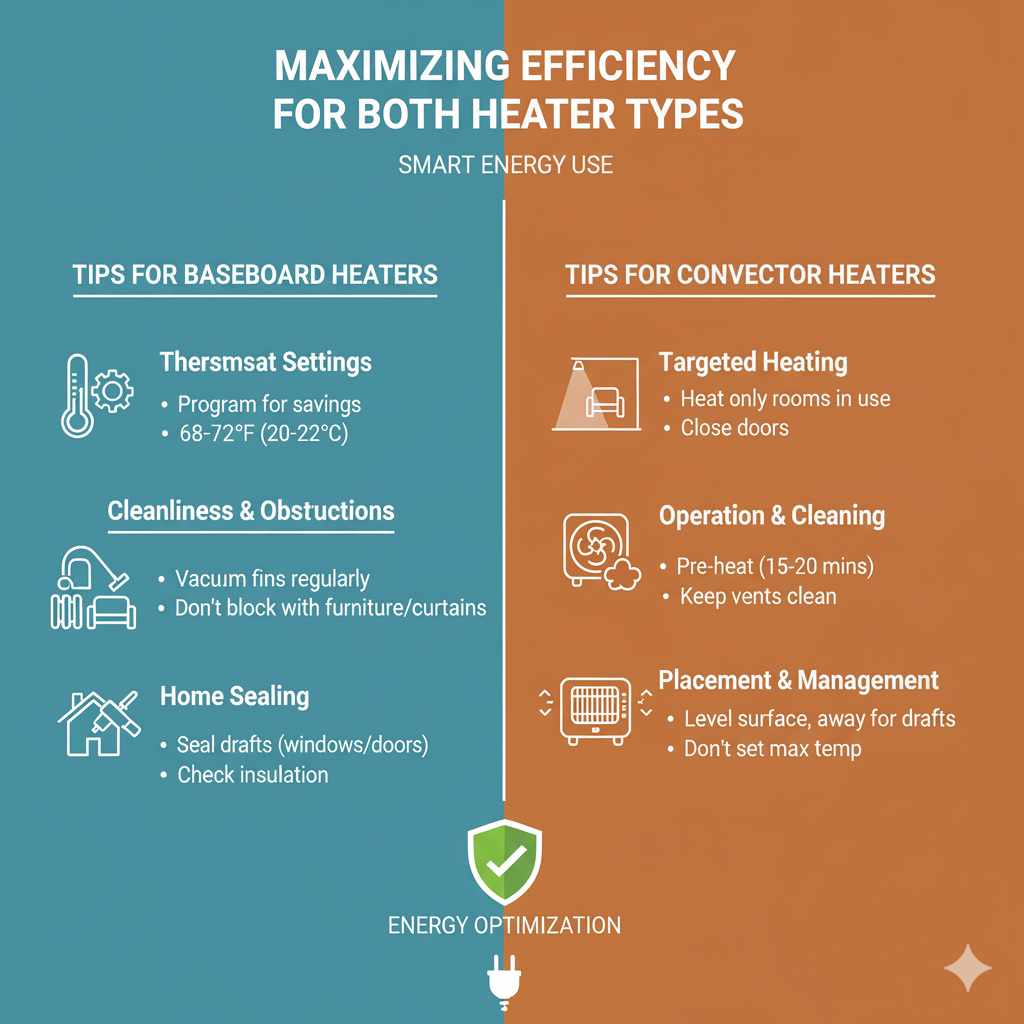
Maximizing Efficiency for Both Heater Types
Regardless of which type of heater you choose, there are smart ways to maximize their efficiency and keep your energy bills in check. It’s not just about the heater itself, but how you use it and prepare your home.
Tips for Baseboard Heaters
- Zone Heating: Use baseboard heaters to heat only the rooms you are currently using. Turn down or off thermostats in unoccupied areas.
- Thermostat Settings: Set your thermostat to a comfortable, consistent temperature. Every degree you lower it can significantly reduce energy consumption. For general living spaces, 68-72°F (20-22°C) is often considered comfortable.3
- Cleanliness: Dust and debris can accumulate inside baseboard heaters and reduce their heating efficiency. Periodically vacuum the fins and heating elements (ensure the power is off first!).
- Avoid Obstructions: Never block baseboard heaters with furniture, curtains, rugs, or anything else. This not only creates a fire hazard but also prevents warm air from circulating properly, making the heater work harder and consume more energy.
- Seal Air Leaks: Drafty windows and doors make your heaters work harder. Seal gaps with caulk or weatherstripping to keep warm air in and cold air out.
- Insulation: Properly insulating your home is crucial for retaining heat. Ensure your attic, walls, and crawl spaces are well-insulated.
- Thermostat Upgrades: Consider upgrading to a programmable or smart thermostat that can automatically adjust temperatures based on your schedule, further saving energy.
Tips for Convector Heaters
- Targeted Heating: Use convectors for the specific rooms you need to warm, rather than trying to heat your entire house.
- Pre-heating: Turn on your convector heater about 15-20 minutes before you plan to use the room. This allows the fan to quickly circulate warm air, and you can then potentially lower the setting or turn it off once the room reaches a comfortable temperature.
- Keep Doors Closed: Ensure the door to the room you are heating is closed to trap the warm air inside and prevent it from escaping into colder parts of the house.
- Regular Cleaning: Keep air intake and output vents clean and free of dust and debris. This ensures the fan works efficiently and the heater doesn’t overheat. Refer to your owner’s manual for specific cleaning instructions.
- Proper Placement: Place the convector on a level surface, away from drafts or open windows, and ensure adequate clearance from furniture and drapes.
- Thermostat Management: Utilize the built-in thermostat effectively. Don’t set it to an excessively high temperature, as this will cause the unit to run longer than necessary.
- Combine with Other Heat Sources: In very cold conditions, a convector can supplement your primary heating system, allowing you to set your main thermostat a bit lower.
Frequently Asked Questions (FAQ)
Q1: Are electric convector heaters more efficient than baseboard heaters?
Both types of electric heaters are nearly 100% efficient at converting electricity into heat. The difference in perceived efficiency comes from how quickly they heat a space and how evenly they distribute that heat. Convectors heat faster due to their fan, while baseboard heaters provide more even, sustained warmth.
Q2: Can I use a convector heater as my primary heat source?
For larger homes or very cold climates, convector heaters (especially single portable units) are generally not recommended as a sole primary heat source. They are best suited for supplemental heating, spot heating specific rooms, or as a primary source for small, well-insulated apartments or studios.
Q3: How often should I clean my baseboard heaters?
It’s a good practice to clean your baseboard heaters at least once a year, typically before the heating season begins. More frequent cleaning, perhaps quarterly, might be beneficial if you live in a dusty environment or have pets. Always ensure the power to the heater is off before cleaning.
Q4: Are convector heaters safe for bathrooms?
Portable convector heaters should be used with extreme caution or avoided in bathrooms due to the high risk of contact with water, which can lead to electric shock or damage to the unit. If you need to heat a bathroom, look for units specifically designed and rated for bathroom use (e.g., splash-proof or wall-mounted radiant heaters) and follow all manufacturer guidelines and local electrical codes carefully.
Q5: Do baseboard heaters dry out the air?
Electric resistance heaters, including baseboard heaters, can reduce the humidity in a room as they heat the air. This is because warmer air can hold more moisture, making the existing moisture in the air less noticeable. Using a humidifier in conjunction with your heating system can help maintain comfortable humidity levels, typically between 30% and 50%.
Q6: What is the lifespan of a convector vs. a baseboard heater?
The lifespan of both convector and baseboard heaters can vary greatly depending on the quality of the unit, how often it’s used, and how well it’s maintained. Generally, well-maintained baseboard heaters can last 15-20 years or even longer, as they have fewer moving parts. Convector heaters with fans might have a slightly shorter lifespan due to the mechanical component of the fan, often in the range of 10-15 years, but again, maintenance plays a huge role.
Q7: Which type of heater is better for allergies?
Baseboard heaters are often preferred by people with allergies because they don’t use fans to circulate air. This means they don’t blow dust, allergens, or pet dander around the room as much as fan-forced convection heaters can. However, regular cleaning of baseboard heaters is still essential to prevent dust buildup.
Conclusion
As we’ve explored the nuances of convector vs. baseboard heaters, it’s clear that both have their strengths and excel in different scenarios. Baseboard heaters offer quiet, consistent, and even warmth, making them ideal for steadily heating living spaces where comfort and tranquility are paramount. Their reliance on natural convection ensures a gentle circulation of heat without the noise and potential drafts associated with fans.
On the other hand, convector heaters shine when speed and flexibility are needed. Their fan-driven power can rapidly heat up a room, making them perfect adjuncts for quickly warming bedrooms, bathrooms, or offices, or for providing portable heat where and when you need it most. While they might make a bit more noise and distribute heat less evenly than baseboards, their quick response and adaptability make them incredibly useful.
Ultimately, the choice between convector and baseboard heaters comes down to your specific needs: the size and layout of your space, your tolerance for noise, your desire for portability versus permanence, and how you prioritize quick heat versus sustained comfort. By understanding their operational differences and considering the tips for efficient use and safety, you can confidently select the heater that will best keep your home warm, comfortable, and energy-wise. No matter your choice, a well-maintained and intelligently used heater will serve you well, ensuring a cozy haven throughout the colder months.