Is Radiation Testing Mandatory During a Home Purchase in 2026?
Understanding Radiation Testing During Home Purchase
When buying a home, you might wonder if radiation testing is necessary. Concerns about electromagnetic fields and other radiation sources can feel overwhelming. Many buyers face uncertainty about what testing involves and whether it is required.
Choosing the right approach to radiation testing is not straightforward. There are different types of detectors and measurement methods. Some tools focus on electric and magnetic fields, while others also measure radio frequencies and environmental factors. Prices vary widely, and it’s easy to get confused by technical details and alarm features.
This guide aims to clear up the confusion and help you understand what matters most when considering radiation testing for a home. It will provide a practical perspective to assist you in making a calm, informed decision.
Key Considerations For Radiation Testing
Not everyone needs the same level of testing. Some people want a quick check for common household radiation sources, while others need detailed measurements for peace of mind or specific health concerns. Deciding what to focus on depends on your priorities and how sensitive you are to electromagnetic exposure.
It’s also important to recognize that no single device fits every situation perfectly. Some meters offer multiple functions, while others specialize in particular types of radiation. Understanding these differences can help you find a balance between ease of use, accuracy, and cost.
What To Keep In Mind Before Choosing A Detector
Many buyers get stuck trying to compare technical specs or look for the cheapest option. Instead, consider how you will use the device. Will you test multiple rooms? Do you need alarms for high radiation? Are you comfortable interpreting readings, or do you prefer simple indicators?
Keeping your goals clear will help you avoid common mistakes. This way, you can pick a tool that matches your needs without overpaying or getting confused by unnecessary features.
Next, we will explore a selection of radiation detectors chosen for their range of features and suitability for typical home testing scenarios. These options cover different budgets and user preferences to help you find the right fit.
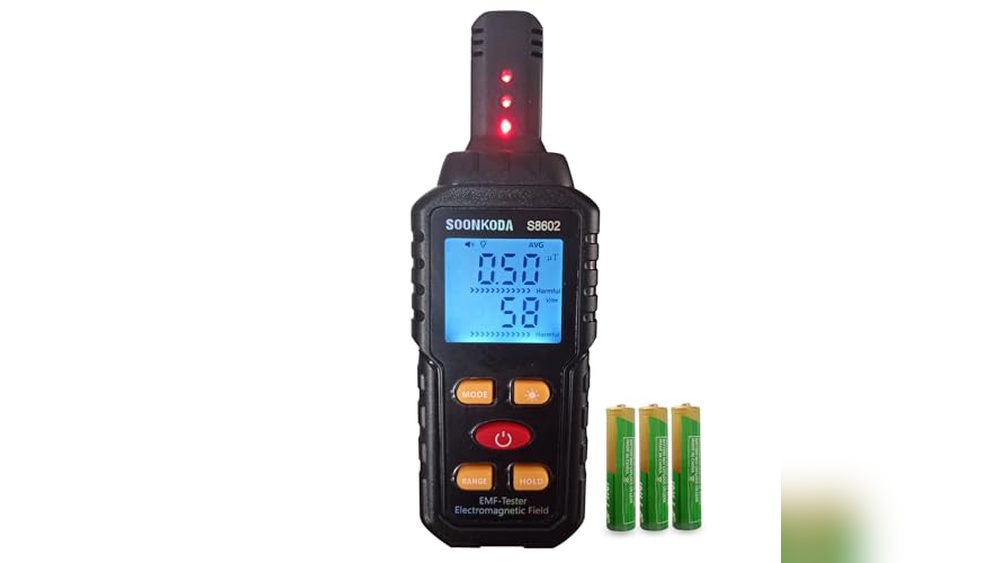
Soonkoda 3-in-1 Emf Meter
If you wonder whether Is Radiation Testing Mandatory During a Home Purchase, this EMF meter offers a clear way to detect electromagnetic fields in your home environment.
The Soonkoda 3-in-1 EMF Meter is a handheld device that detects electric and magnetic fields along with temperature readings. It helps identify electromagnetic radiation sources in homes, offices, or outdoors, making it useful for radiation testing during home purchases.
Using this meter feels straightforward with a clear LCD graphic display and audible alarms for unsafe levels. The hold function lets you freeze readings for easier analysis, offering confidence and accuracy without complex setups.
Key Benefits for Radiation Detection
- Measures electric and magnetic fields plus temperature simultaneously
- Alarm sounds and lights up when radiation exceeds safety thresholds
- Easy to hold and freeze data readings for review
- Graphic LCD shows radiation trends for quick safety assessment
- Widely applicable for home, office, outdoor, and industrial use
- Compact and lightweight for portability
- Supports testing protective equipment like radiation clothing and films
Considerations Before Buying
- Not a professional-grade lab instrument; suitable for general radiation awareness
- Limited to electric/magnetic field and temperature detection only
- Small size may require careful handling to avoid damage
Why This Suits Home Radiation Checks
This device is ideal for anyone needing a simple tool to check electromagnetic fields when buying or living in a home. It removes guesswork and stress by providing clear alerts if radiation levels are high.
To get the best results, test near common radiation sources like high voltage lines or electronic appliances. Its audible and visual alarms give peace of mind by confirming when levels are safe or require attention.
For a compact and practical EMF meter, this fits well without overwhelming complexity or cost.
| Best for | Why |
|---|---|
| Homebuyers assessing radiation risks | Provides quick detection of EMF levels in residential spaces |
| Individuals testing radiation shielding | Measures effectiveness of protective clothing and films |
| Users needing portable EMF detection | Compact size and simple controls make it easy to carry and use |
| Office or industrial safety checks | Detects EMF from common electronics and power lines for safety |
Erickhill Emf Meter
Is Radiation Testing Mandatory During a Home Purchase? This ERICKHILL EMF Meter helps you detect electric and magnetic fields to identify potential radiation hotspots before buying.
The ERICKHILL EMF Meter is a handheld digital detector designed to measure electric and magnetic fields in homes and offices. It helps users find radiation hotspots and verify if shielding products work, making it useful for anyone concerned about electromagnetic exposure during a home purchase.
Using this meter is straightforward, with a clear LCD display and sound-light alarms to alert you to high EMF levels. Its portability and easy-to-read screen allow you to quickly monitor different areas, giving peace of mind about radiation safety in your environment.
Key Advantages for Radiation Detection
- Detects both electric and magnetic fields with precise measurements on an easy LCD display
- Sound and light alarm immediately alerts when EMF levels exceed safety thresholds
- Data hold function freezes readings for accurate recording during inspections
- Rechargeable battery with automatic power-off conserves energy
- Compact and portable, ideal for home and office use
- Monitors areas continuously to ensure compliance with safety standards
Considerations Before Buying
- Focused on low-frequency EMF; not designed for detecting all radiation types
- Alarm thresholds fixed, may not suit users needing customizable alerts
- No advanced data logging or smartphone connectivity features
When This Meter Is a Good Choice
This meter suits homebuyers or inspectors looking to verify if radiation levels meet safety standards before finalizing a purchase. It removes guesswork by providing clear, immediate feedback on EMF presence, reducing stress about hidden radiation risks.
To get the best results, scan multiple rooms and near appliances to identify hotspots precisely. This helps ensure your living environment stays within safe EMF limits, giving you reliable peace of mind about your new home’s safety.
| Best for | Why |
|---|---|
| Homebuyers | Check radiation levels to make informed decisions during property inspections |
| Homeowners | Identify and reduce EMF exposure from appliances and wiring |
| Workplace Safety | Monitor electric and magnetic fields in offices for employee health |
| EMF Shielding Verification | Compare before and after readings to confirm shielding effectiveness |
Temirup Emf Detector 5-in-1
Is radiation testing mandatory during a home purchase? This Temirup EMF Detector offers a reliable way to identify various electromagnetic fields to help you make informed decisions.
The Temirup EMF Detector 5-in-1 is a handheld device designed to measure multiple types of electromagnetic fields, including electric, magnetic, and radio frequencies. It also detects WiFi signals and monitors temperature and humidity, making it a versatile tool for assessing radiation levels in homes or offices.
Using this detector feels straightforward with its large color LCD and audible alarms that alert you when radiation exceeds safe levels. Its portability and rechargeable battery mean you can easily carry it around different areas to ensure your living or working environment is safe and free from excessive electromagnetic exposure.
Key Features for Radiation Detection
- Measures electric, magnetic, and radio frequencies including WiFi and 5G signals
- Portable and rechargeable for convenient use anywhere
- Large color LCD screen for clear reading and data hold function
- Audible alarm and analog display to indicate high radiation levels
- Measures temperature and humidity alongside EMF radiation
- Auto power off to save battery life
- Includes carrying bag and charging cable for easy storage and transport
Considerations Before Buying
- May require basic understanding of EMF units and radiation types to interpret results fully
- Sound alarm may be sensitive and trigger frequently in areas with multiple devices
- Focuses on radiation detection but does not provide remediation solutions
When This Detector Makes Sense
This EMF detector is ideal for homebuyers or those concerned about electromagnetic radiation in their living spaces. It removes guesswork by providing clear readings of different radiation sources, helping to reduce stress over unseen hazards during a home purchase.
For best results, take readings in multiple areas and at different times to understand typical radiation levels. This approach offers peace of mind through reliable, consistent data, helping you avoid surprises after moving in.
Its compact size and ease of use make it a practical companion for anyone wanting a clear picture of their electromagnetic environment without complicated setups.
| Best for | Why |
|---|---|
| Homebuyers assessing radiation risks | Detects multiple EMF types relevant to everyday household environments |
| Office workers monitoring workspace safety | Portable design enables quick checks around electronic devices and power sources |
| People sensitive to electromagnetic fields | Provides alerts for radiation levels that may affect comfort or health |
| Ghost hunters seeking EMF anomalies | Measures a wide frequency range useful for paranormal investigations |
Key Considerations When Choosing An Emf Meter
Types of Radiation Measured
Decide which types of electromagnetic fields are most relevant to you. Some meters detect electric and magnetic fields, while others also measure radio frequency (RF) signals, WiFi, and temperature. Choose based on your environment and concerns.
Alarm Features and Alerts
Look for meters with audible and visual alarms if you want immediate notification of high radiation levels. Some devices offer adjustable thresholds and mute options for flexibility in different settings.
Display and Data Handling
A clear, easy-to-read display helps with quick interpretation of readings. Features like data hold, peak readings, and unit switching add convenience and accuracy to your measurements.
Portability and Power Options
Consider the size and weight if you need a portable device for travel or multiple locations. Rechargeable batteries can be more convenient than disposable ones, especially for frequent use.
Common Buyer Questions
How accurate are handheld EMF meters?
Handheld EMF meters provide useful approximations of electromagnetic field strength. They are suitable for identifying hotspots but may not replace specialized laboratory instruments.
Can these meters detect all types of EMF radiation?
Most meters detect low-frequency electric and magnetic fields. Some models also measure higher-frequency RF signals such as WiFi and cellular emissions. Check the specifications to ensure coverage matches your needs.
Do I need an EMF meter for home safety?
EMF meters help identify sources of electromagnetic radiation but do not guarantee safety by themselves. Use them as a tool to assess exposure and guide placement of electronics or shielding solutions.
Are sound and light alarms always necessary?
Alarms provide instant alerts to elevated radiation levels, which can be helpful in busy or noisy environments. However, some users prefer silent monitoring and opt for meters with mute options.
How often should I test my environment?
Testing frequency depends on changes in your environment, such as new electronic devices or changes in wiring. Periodic checks can help maintain awareness but daily monitoring is usually unnecessary.
Usage And Maintenance Tips
Proper Handling for Accurate Readings
Hold the meter steady and away from your body to avoid interference. Slowly move the device near suspected sources to locate radiation hotspots.
Battery and Power Care
Keep rechargeable meters charged and replace disposable batteries promptly. Turn off the meter when not in use to conserve power.
Storage and Cleaning
Store the meter in a dry, dust-free place. Clean the exterior with a soft, dry cloth; avoid liquids or harsh chemicals that could damage sensors.
Who Might Not Benefit From An Emf Meter
If you have no specific concerns about electromagnetic fields or if professional-grade analysis is required, a basic consumer EMF meter may not be necessary. Additionally, if you are not comfortable interpreting readings or taking action based on results, these devices may cause unnecessary worry.
Final Thoughts On Selecting An Emf Meter
Choosing the right EMF meter depends on your specific environment and what types of radiation you need to monitor. Consider features like measurement range, alarm functions, portability, and ease of use. With careful selection and proper use, an EMF meter can be a helpful tool to better understand your exposure and support informed decisions about your living or working spaces.