When an Efficient Heater Is Worth the Upgrade?
Upgrade when the added installed cost can be paid back by annual energy savings in about 5 to 10 years, and the new unit fits your home’s venting, gas, or electrical setup. Skip that test, and you can pay more upfront for savings that never catch up. This guide shows how to compare payback, installation friction, and home compatibility before you buy.
How to decide if the upgrade pays off
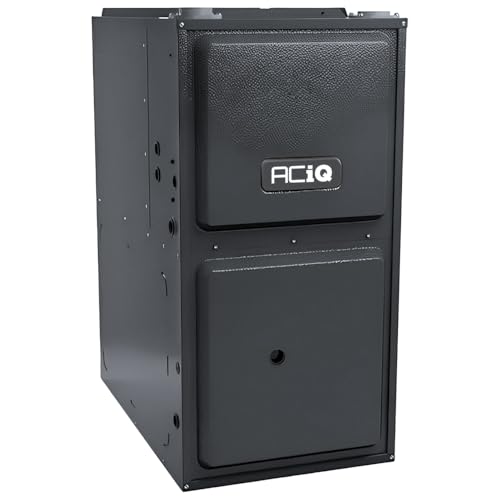
- 92% AFUE efficiency rating
- Upflow or horizontal installation
- 9-speed ECM blower
An efficient heater is worth the upgrade when three things line up: lower annual energy use, acceptable added installation cost, and enough remaining life in the old unit to recover the premium. A failing old heater can still justify replacement even if payback is longer than ideal, because repair risk and downtime matter too.
Use the same test for water heaters and space heaters: compare the expected bill drop against the extra money and work needed to install the new unit. A better label alone does not prove a better purchase; the numbers have to work in your home.
Heater upgrade decision table
| Scenario | Estimated annual energy savings | Likely extra installation cost | Payback window | Recommendation |
|---|---|---|---|---|
| Old standard electric tank still works, no hot-water complaints | $150 to $250 | $0 to $400 | 2 to 4 years | Upgrade if the tank is near end of life or rebates are available. |
| High electric bill, simple heat-pump swap, enough space and airflow | $400 to $600 | $1,500 to $3,000 | 3 to 8 years | Upgrade if the unit fits and the household can use the same hot-water volume. |
| Closet or cramped utility room, venting or condensate changes needed | $300 to $600 | $2,500 to $6,000 | 6 to 15 years | Wait unless the old unit is failing; a simpler replacement may be smarter. |
| Large home with heavy shower, laundry, and dishwasher overlap | $200 to $550 | $1,500 to $5,000 | 4 to 12 years | Repair or re-size first if the current heater is undersized or failing; fit matters more than rating. |
| Energy prices are high, rebates available, and the old tank is near replacement age | $450 to $700 | $1,000 to $2,500 after incentives | 2 to 6 years | Upgrade if the home supports the new unit and the rebate is real, not assumed. |
These ranges are decision aids, not quotes. The right answer changes with local electricity rates, gas prices, equipment size, and whether the job needs electrical work, venting changes, or a new drain for condensate.
How efficient is an electric heater?
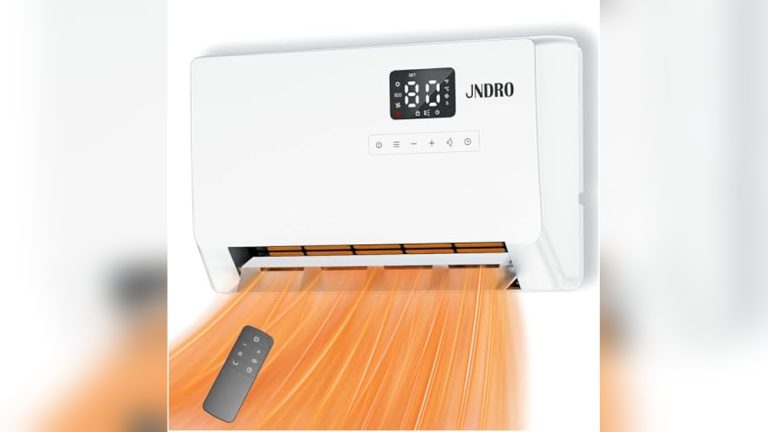
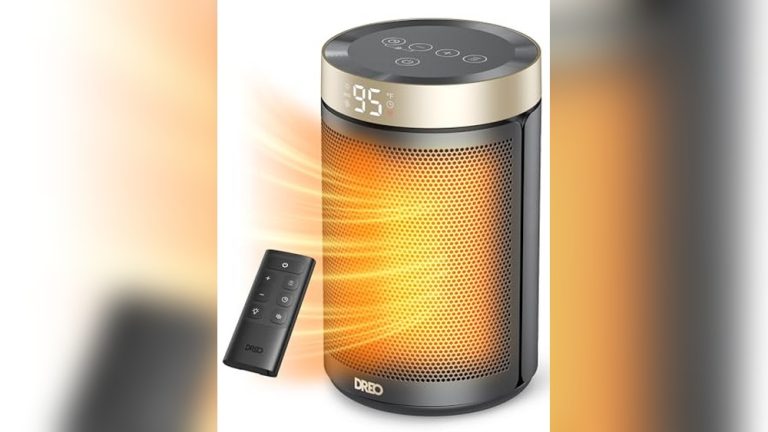
An electric resistance heater converts electricity to heat at 100% efficiency at the point of use. That does not mean it is cheap to run. Operating cost still depends on your electric rate per kWh and how long the heater runs.
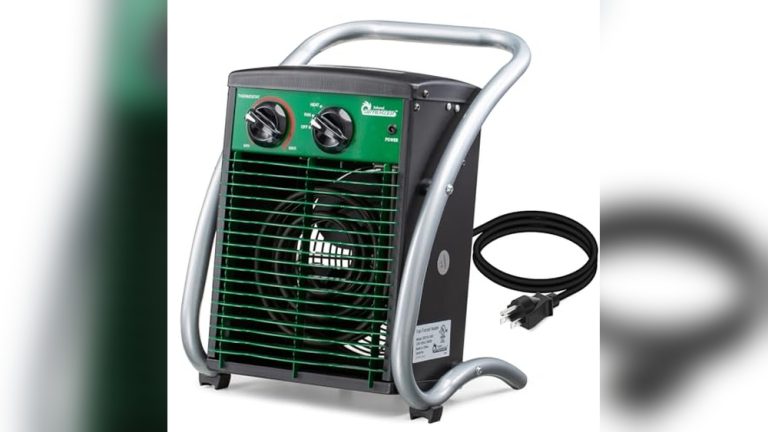
Nearly all plug-in electric space heaters max out at 1,500 watts. At that size, the unit produces 5,118 BTU per hour. At an average U.S. rate of 18.56 cents per kWh, a 1,500-watt heater costs about 27.8 cents per hour.
That is why a plug-in space heater is best treated as supplemental heat. It can warm a small area quickly, but it is usually a poor whole-home heating plan.
Picture a bedroom heater that runs about four hours every evening. At that average rate, the daily cost is about $1.11 before any thermostat cycling or standby effects. The rate matters as much as the wattage.
Which heaters are cost effective?

Heat pump water heaters are often the strongest efficiency upgrade when the home can support them. They use surrounding air as a heat source and are typically 2 to 3 times more energy-efficient than conventional electric water heaters. For a family of four, an Energy Star heat-pump water heater can save approximately $550 per year, and those savings could offset the higher cost in as little as three years. (Consumerreports)
Storage tank water heaters still make sense when upfront cost matters most. They are available in gas, propane, electric, or oil, and they usually cost less to buy than heat-pump models. They are also less efficient than heat pump options, so operating cost may stay higher over time.
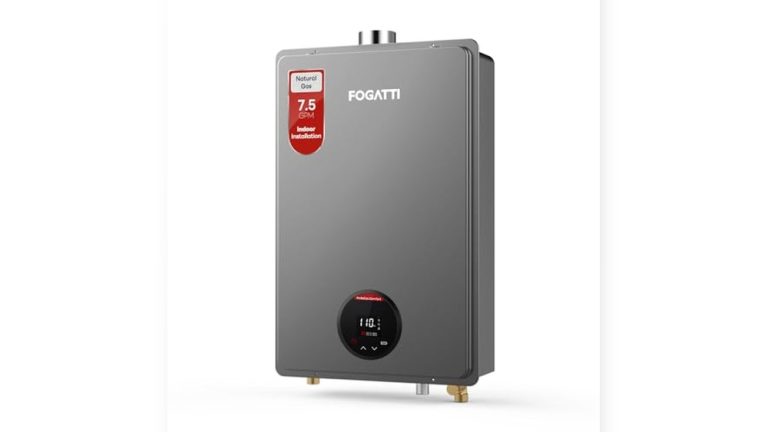
Tankless water heaters can be cost effective when the household’s hot-water demand matches their output. They heat water on demand and can reduce energy use because there is no large tank being kept hot around the clock. They may need gas-line, venting, electrical, or condensate changes.
A standard replacement still makes sense when the current heater is failing, the home cannot support a more complex unit, or the payback would stretch beyond the expected remaining life of the old equipment. A lower-efficiency swap can still be the better spend if the install is simple and the old unit is near the end of its roughly 10 to 12 year lifespan.
What makes one heater more efficient than another?
Standby loss is one major difference. A tank that keeps water hot all day loses energy even when nobody is using hot water. Tankless systems avoid that by heating only when needed, while heat-pump models use a different heat source and a different transfer method to cut energy use.
Controls also matter. A heater that matches demand well wastes less energy than one that cycles on and off around a poor fit. That is true for water heaters and for space heating.
Are electric heaters 100 percent efficient?
Electric resistance heating is 100% efficient at turning electricity into heat at the point of use. The catch is cost, not conversion. If electricity is expensive or runtime is long, a 100% efficient heater can still be costly to operate.
That is why the label alone is not enough. A heater can be highly efficient in a narrow technical sense and still be the wrong purchase for the home’s utility rate, usage pattern, or space constraints.
Are all heaters 100 percent efficient?
No. Many heaters lose energy through exhaust, cycling, standby loss, or imperfect heat transfer. Gas, propane, oil, and electric water heaters do not all perform the same way, and a heat pump moves heat rather than creating it directly the way resistance heat does.
For water heaters, Energy Star is a useful benchmark because it can indicate meaningful annual savings versus standard electric models. For space heating, efficiency still needs to be weighed against the actual utility bill and the installation work required.
Are new storage heaters more efficient?
Some newer storage water heaters are more efficient than older ones, but storage alone does not make a unit efficient. A modern tank may have better insulation and controls, yet it still keeps stored water hot and can lose energy between uses. That is why it often cannot match a heat-pump model on operating cost.
If the unit is a direct replacement in a tight space, a newer storage heater can still be the practical choice. The better question is whether the added cost of a higher-efficiency model can be recovered before the old system would have needed replacement anyway.
How do I know if a heater upgrade will save money?
Start with annual savings, not the sticker rating. Estimate what the old unit costs to run, then compare that with the new unit’s expected energy use and the local electricity rate per kWh. If annual savings are too small to recover the added installed cost within about 5 to 10 years, wait or choose a simpler replacement.
Then check the non-energy fit. A heater that needs a new vent, electrical service upgrade, condensate drain, or gas-line work may erase the savings. The best upgrade is the one that works in your house without forcing major extra construction.
Use this decision order
- Confirm whether the old heater is failing, leaking, or near end of life.
- Estimate annual savings from the new unit, using your utility rate and expected runtime.
- Add likely extra install costs for venting, wiring, gas, drain, or space changes.
- Check whether the payback lands in about 5 to 10 years.
- Only then compare labels, rebates, and model features.
Sizing and home constraints
Household hot-water demand matters more than household size alone. Simultaneous use is the real sizing test. A three-person home with overlapping showers, dishwasher use, and laundry can need more capacity than a larger family that spreads those loads out.
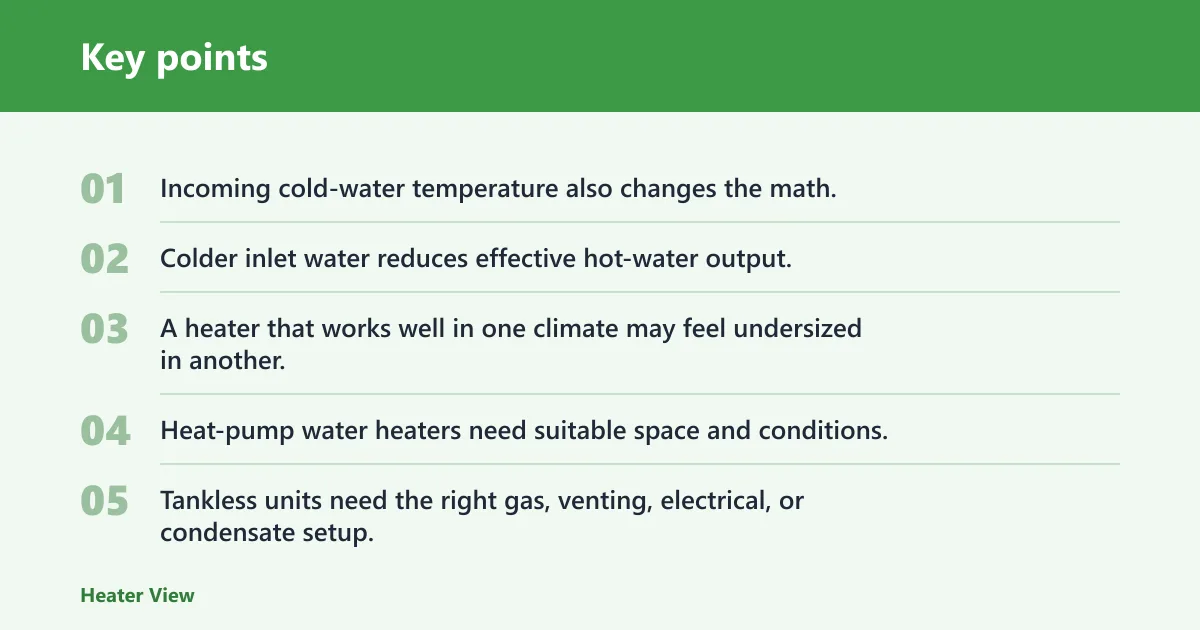
Incoming cold-water temperature also changes the math. Colder inlet water reduces effective hot-water output, and that can affect seasonal performance and regional fit. A heater that works well in one climate may feel undersized in another.
Space matters too. Heat-pump water heaters need suitable space and conditions. Tankless units need the right gas, venting, electrical, or condensate setup. A quieter or more efficient model can still be the wrong upgrade if the home cannot support it.
Suppose a home has one shower, a dishwasher, and a laundry sink that never run together. A smaller tankless unit may fit that pattern well. If the same home often runs two showers at once, the same heater may frustrate the household even if it looks efficient on paper.
Costs beyond the unit price
Installation friction can change the entire decision. Electrical upgrades may be needed for some water heaters. Gas-line changes, venting work, condensate handling, or drain additions can all raise the installed cost. If those changes are large, the payback may stretch too far.
Rebates or tax incentives can help, but they should stay secondary to the installed-cost check. Do not assume an incentive exists, and do not count money that has not been approved. A good rebate can tilt the math; it should not create the math by itself.
Frequently asked questions
When is an efficient heater worth the upgrade?
An efficient heater is worth the upgrade when its lower operating cost can recover the higher installed cost in about 5 to 10 years and the home can support the unit without major extra work. If the old heater is failing, replacement can still make sense even when payback is longer.