How to Test a Carbon Monoxide Alarm Near Heaters
Use the alarm’s test button once a month. If it stays silent for a few seconds, replace the batteries or the unit, and do not rely on it near a heater. A working carbon monoxide alarm can keep dangerous CO from a faulty heater from going unnoticed. This guide shows how to test the alarm safely, where to place it near heating equipment, and what to do if the alarm or heater raises concern.
Can you test a CO alarm with the heater on?
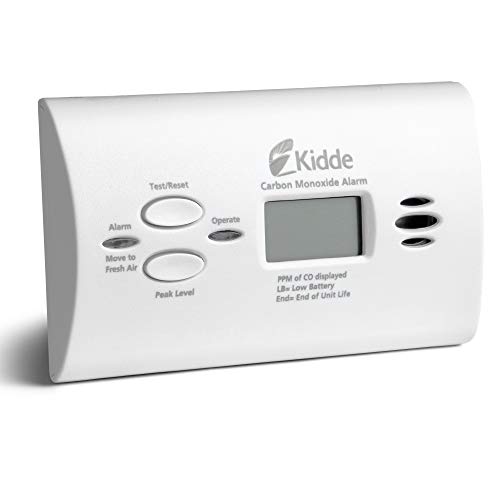

You can press the test button, but that button check only confirms the alarm’s sounder and basic electronics. It does not prove the heater room is free of carbon monoxide, and it does not replace the user manual’s instructions for your model.
Heater type matters. Carbon monoxide can come from any fuel-burning device, so a gas heater changes the risk in a way an electric heater usually does not. If the alarm sounds as a real emergency, leave for fresh air immediately and call emergency services.
What the button test can confirm
The test button should trigger the audible alarm pattern. For some models, a press may produce four beeps, a pause, then four beeps for 5-6 seconds, but the exact sound and duration vary by model. That means the unit can sound, not that the sensor is currently safe or accurate under every condition.
Why the heater type matters
Fuel-burning heaters, furnaces, boilers, and attached combustion appliances are the main concern. Electric heaters normally do not make CO, but a room can still contain other fuel-burning sources, blocked venting, or temporary heaters that need special attention in the manual.
When to stop the test and go to fresh air
If the alarm gives its emergency pattern, and the manual identifies that pattern for your model, or if anyone has headache, dizziness, nausea, or confusion, stop checking the heater room. Evacuate to fresh air, do not ignore the alarm, and call emergency services. Do not keep testing in place while symptoms are present.
What you’ll need
- The CO alarm or carbon monoxide detector installed in the heater area
- The user manual for that exact model
- A flashlight for reading labels and status lights
- Fresh batteries, if the model uses replaceable batteries
- A notepad or phone note to record beep codes or replacement dates
- A portable CO meter, if the heater room keeps seeming unsafe and the manual calls for further troubleshooting
How to test a carbon monoxide alarm near a heater
Test the alarm by pressing its button, then confirm the sound pattern and status light against the manual. Do the check near the heater only after you understand that a passing button test is a function check, not proof that the heater or room is safe. Test it once a month.
- Check the manual first. Look up the exact test procedure, battery guidance, alarm codes, and replacement life for your model. Placement, chirps, and end-of-life signals vary by unit.
- Inspect the heater room. Confirm the alarm is on every level of the home and outside each sleeping area, unless the manufacturer or local code requires bedrooms too, and that it is not blocked by a vent, draft, or temporary heating setup. Wall or ceiling placement can both work, depending on the model.
- Press the test button. Hold or press it as the manual directs until the alarm sounds. Some models use a pattern like four beeps, a pause, then four beeps for 5-6 seconds, but the exact pattern depends on the model.
- Listen for the pattern. Match the sound to the manual and note any chirps or warning tones. A normal test sound means the alarm can sound, but it does not clear the heater of CO risk.
- Check the power status. If the unit is battery-powered or hardwired with battery backup, confirm the low-power indicator is absent. Replace batteries when the unit indicates low power, and follow the manual for battery replacement timing.
- Retest after correction. If the alarm did not sound, replace the batteries or the unit as the manual directs, then test again immediately. If the heater room still seems unsafe after a pass, stop using the heater and escalate the problem.
Heater-room CO alarm test checklist
| Heater type | Alarm type | Test method | Expected sound pattern | Pass/fail meaning | Next action |
|---|---|---|---|---|---|
| Gas heater | Stand-alone CO alarm with battery backup | Press the test button while the heater is on, then compare the result with the manual | Four beeps, pause, four beeps for 5-6 seconds | Pass means the sounder works; fail means the unit may not alert you in an emergency | If it passes, keep checking the heater setup; if it fails, replace batteries or the unit per the manual |
| Gas furnace or boiler | Hardwired, interlinked CO detector | Press the test button on one unit and confirm linked alarms sound where required | Model-specific alert, often repeated pattern across linked units | Pass means the interconnected warning path works; fail means another room may not hear the alarm | Check the interlink and power source in the manual, then retest |
| Electric heater | Battery-powered CO alarm | Press the test button after confirming the heater is electric and the alarm is placed correctly | Four beeps, pause, four beeps for 5-6 seconds | Pass means the alarm can sound, but electric heat does not rule out other CO sources in the home | Check nearby fuel-burning appliances, vents, and any attached garage or shed sources |
| Temporary fuel-burning heater | Standalone detector with electrochemical sensor | Use the test button only after following the unit manual and confirming ventilation requirements | Model-specific test tone or emergency alarm pattern | Pass means the detector responds; fail means you should not rely on it near that heater | Move to fresh air if the heater room still smells wrong, feels stuffy, or triggers symptoms |
How do you know if the alarm is working?
A working carbon monoxide detector should respond to the test button, show normal power status, and avoid low-battery chirps or end-of-life signals. That still does not guarantee the room is safe. It only confirms the unit can warn you when it detects CO or when its own power or sensor life is declining.
Test button response
Press the button monthly. First Alert says to test CO detectors monthly, and the audible response should match the manual. A silent test means you should not depend on that unit near a heater until the batteries or the entire alarm are replaced.
Battery backup and low-battery chirps
Many alarms have battery backup even when hardwired. If you hear a periodic chirp, treat it as a status warning rather than a heater problem until the manual says otherwise. Replace batteries when the unit indicates low power; some replaceable-battery models call for battery replacement every 6 months.
If your alarm gives a chirp about every 30 to 60 seconds after a button test, that usually points to a low-battery or maintenance warning. Check the manual’s code table before you assume the heater is the cause.
End-of-life signals and replacement timing
CO alarms have a replacement interval, and many models add an end-of-life signal when the sensor or electronics are past their service life. The same source says CO alarms last about 5 to 7 years. Check the manual for the exact life span printed for your model and replace it when the end-of-life signal appears.
What should you do if the alarm passes but the heater still seems unsafe?
Do not treat a passing button test as proof that the heater setup is safe. If the room still smells odd, remember that carbon monoxide itself is odorless, and check the fuel-burning system, the venting path, and the manual before changing alarm placement. If CO is suspected, fresh air comes first.
Check for fuel-burning sources and venting issues
Look for gas heaters, furnaces, boilers, fireplaces, generators, and any other fuel-burning device in or near the area. Carbon monoxide can come from any fuel-burning device, and poor ventilation or blocked vents can turn a normal room into a risk. Electric heat usually changes the risk profile, but it does not rule out other sources.
Use the manual before changing placement
Do not move the alarm as the first response to an active concern. Confirm wall or ceiling placement against the manual, and keep the detector on every level of the home and outside each sleeping area, unless the manufacturer or local code requires bedrooms too. If the alarm is too close to a draft, vent, or temporary heater, the manual should say whether the location is acceptable.
When a portable CO meter helps
A portable CO meter is useful when a heater room still seems unsafe after the alarm’s button test passes and the manual does not explain the problem. Use it as a troubleshooting tool, not a replacement for the installed alarm. If the meter shows an elevated reading or anything above its normal background level, or if symptoms continue, shut down the fuel-burning appliance and call a qualified technician or service professional.
Picture a gas space heater in a garage that has a working alarm on the wall, but the room still feels stuffy after startup. The button test can pass and the heater can still have a venting problem. In that case, the right next step is not moving the alarm first; it is checking the heater, the vent path, and the room’s air supply.
If that didn’t work, try this next:
- Shut down the heater. Follow the heater manual to turn it off safely, then ventilate the area.
- Check for symptoms. If anyone feels unwell, leave for fresh air and call emergency services.
- Review the setup. Confirm the heater’s clearance from combustibles and the ventilation requirements in the manual.
- Use a portable meter. If the room still seems unsafe, measure the area before restarting the appliance and defer to a qualified technician if the reading is elevated.
Common mistakes
- Assuming a button test proves the heater room is safe. It only checks the alarm’s response.
- Ignoring a chirp that means low battery or end-of-life. Those signals need action before the next heating cycle.
- Placing the alarm where drafts, vents, or temporary equipment can affect its usefulness.
- Forgetting that gas heaters and other fuel-burning devices can produce CO even when they look normal.
- Using a portable meter as a substitute for the installed alarm instead of a troubleshooting aid.
- Skipping the manual, which may list model-specific alarm codes, battery replacement guidance, and replacement life.
Frequently asked questions
How do you test a carbon monoxide alarm?
Press the test button and wait for the alarm to sound. Some models use a pattern like four beeps, a pause, then four beeps for 5-6 seconds, but the exact pattern depends on the unit. If the unit stays silent, replace the batteries or the alarm itself according to the manual before relying on it near a heater.
How often should I test my carbon monoxide alarm?
Test it monthly. That interval is common manufacturer guidance, including First Alert’s monthly recommendation. Add a reminder on your phone or calendar, and check the low-battery or end-of-life signals at the same time so a heater season does not start with a weak alarm.
How do I know if my carbon monoxide detector is working?
A working detector responds to the test button, shows normal power status, and does not give low-battery or end-of-life chirps. If it is hardwired, confirm the backup battery status too. The manual is the final word on what a specific sound pattern means for that model.
What should I do if my CO alarm beeps during a heater check?
Treat it as a real emergency unless the manual clearly identifies a maintenance signal. Go to fresh air, evacuate everyone, and call emergency services if the alarm pattern suggests danger or anyone has symptoms. Do not keep operating the heater until the cause is identified and cleared.
Where should a carbon monoxide alarm be placed near heaters?
Place it on every level of the home and outside each sleeping area, unless the manufacturer or local code requires bedrooms too, then follow the manual for wall or ceiling placement near the heater room. Keep it where the alarm can be heard and away from drafts or vents that the manufacturer says to avoid.