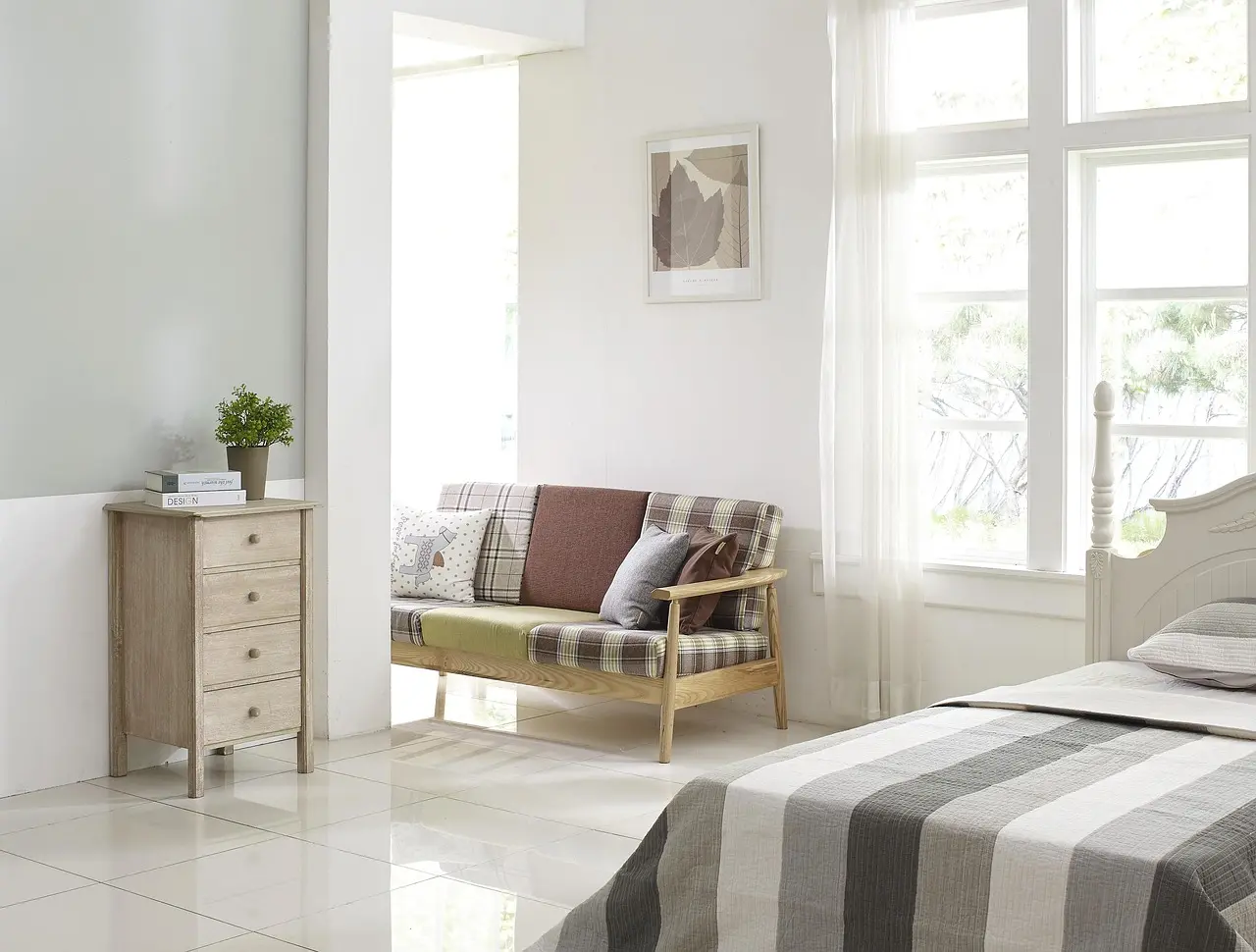
Are Heaters Safe Near Curtains?
For most portable electric heaters, curtains should stay about 3 feet away, and the manufacturer’s manual can require more. That general clearance aligns with U.S. fire-safety guidance for portable heaters and reduces the chance that fabric will overheat, touch a hot surface, or drift into the airflow path. (CPSC portable heater safety; manufacturer manuals)
How to keep curtains clear of heaters
Only when the curtain stays outside the heater’s heat path and the manufacturer allows that placement. Curtains can overheat or ignite if they are too close, and U.S. fire-safety guidance treats portable heaters as a leading home-heating fire hazard. Keep fabric clear, especially where it can sway or settle inward. (CPSC; USFA)
How fabric movement changes the risk
Light curtain fabric can move toward heat as warm air rises, and the panel that looks clear at first can bow inward after the heater runs. That matters near windows, where drafts, stacked folds, and long hems can push fabric into the danger zone even if the rod itself seems well placed.
Picture a 30-inch-wide portable heater beside a living-room window with full-length curtains. The heater may look clear from the front, but a side panel can settle toward the grille as warm air rises. If the curtain touches the stream of hot air, the safe gap shrinks fast.
How heater type changes the risk
Portable electric space heaters, electric baseboard heaters, and hydronic or steam-style radiators do not carry the same curtain risk. The right gap depends on where heat leaves the unit, how hot the surface gets, and whether the curtain can reach vents, controls, or the top of the heater.
For any heater, the manual comes first. If the manufacturer gives a larger clearance than a general rule, use that larger gap. If the manual is silent, treat general safety numbers as a starting point, not approval for a specific room. (Manufacturer installation/manual guidance; CPSC)
Portable electric space heaters
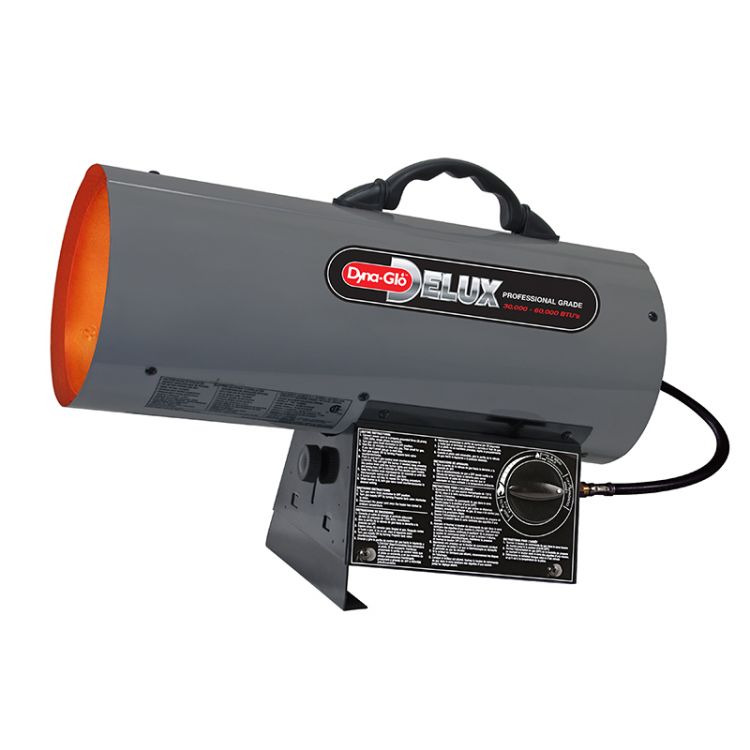
Portable electric heaters need clear space on all sides. A common starting rule is 3 feet from combustibles, and that zone applies on all sides of the heater. Do not place one behind fabric, under hanging drapes, or where a curtain can fall into the outlet of hot air. (CPSC; NFPA)
Electric baseboard heaters
Electric baseboard heaters can get hot enough to pose a fire risk. The exact curtain gap depends on the model, but manufacturers commonly require inches of clearance above and around the unit, with some installations asking for much more. Measure from the heater, not the floor, and never let fabric touch the cover or overhang the heater. (Manufacturer manuals)
Measure from the heater edges, not from the floor. Do not assume one clearance fits every baseboard unit, because installation height, cover design, and heat output vary by model. If the curtain can brush the top edge or settle onto the cover, the setup is too tight. (Manufacturer manuals)
Hydronic and steam or hot-water radiators
Hydronic and steam or hot-water radiators usually radiate heat differently from electric baseboards, but the curtain rule is still simple: keep fabric out of the hot zone and follow the manufacturer’s instructions. Do not let drapes rest on the radiator cover, touch the supply pipe, or block any heat path. (Manufacturer manuals)
How far should curtains stay away?
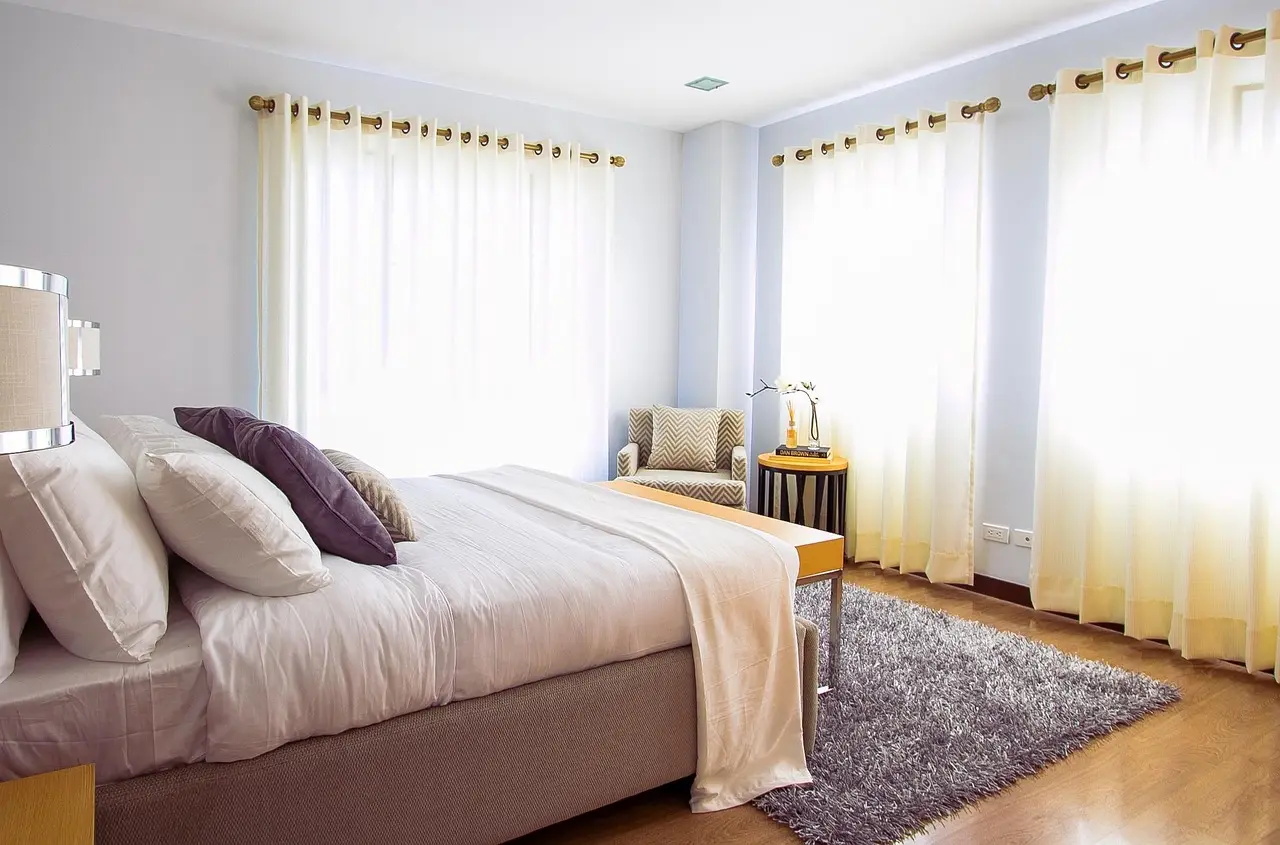
Use the manufacturer’s listed clearance first. If you do not have it, 3 feet is the common starting point for portable space heaters, and the gap should be measured from the heater’s outer edges. For baseboards and radiators, do not use a blanket number as final approval; use the product instructions and the actual heat path. (CPSC; manufacturer manuals)
Measure from the heater, not the floor
The floor does not define the danger zone. Measure from the heater’s edge, grille, vent, or hot surface, then check whether the curtain can move inward from drafts or side currents. If a curtain hem can swing, billow, or stack into that zone, the room is not set up safely. (Manufacturer manuals)
- Find the heater’s hottest face, vent, grille, or edge.
- Check the owner’s manual for the listed clearance.
- If no manual is available, use 3 feet as a portable-heater starting point.
- For baseboards, confirm the model-specific gap before hanging fabric nearby.
- Open and close the curtain fully and watch whether it drifts into the heat path.
- Leave extra space if the fabric is long, heavy, lined, or prone to billowing.
| Heater type | Starting clearance rule | Measure from | Never allow contact or overhang | Better nearby window treatment |
|---|---|---|---|---|
| Portable fan/radiant heater | 3 feet on all sides unless the manual requires more | Outer edges, grille, intake, and hot-air outlet | Never let curtains touch the housing, cover the grille, or hang into the airflow | Blinds, shades, shorter curtains, or relocating the heater |
| Electric baseboard | Use the manual first; many models require inches of clearance above the unit | Top edge, front face, and any cover the curtain could reach | Never allow fabric to rest on, drape over, or brush the heater cover | Shorter curtains, side panels held clear, or a different window treatment |
| Hydronic/steam radiator | Use the manual and keep fabric out of the heat path | Radiator surface, piping, and any hot cover | Never let drapes sit on the radiator, touch pipes, or trap heat against the unit | Blinds, shades, shorter panels, or curtains ending above the radiator |
What room details change the answer?
Curtain length, lining, fullness, and room airflow can change a safe setup into a risky one. A short panel with open slats may be fine, while a long, lined drape that pools at the sill can enter the heat zone even if the rod looks far enough away. The room matters as much as the heater.
Curtain length, lining, and fullness
Heavier or longer drapes are riskier near heat because they hold more fabric in the warm zone. Lined curtains can trap heat near the window and may take longer to cool after the heater cycles off. Flame-retardant curtain fabric is an extra safety layer, not fireproof, so spacing still matters.
A common first-timer mistake is hanging full-length curtains over a window with a portable heater below it and assuming the side hem will stay put. If the hem brushes the heater once, the setup is already too tight.
Drafts, pets, and everyday movement
Drafts can pull curtains toward a heater. Pets can brush the hem and push it into the heat path. Even routine opening and closing can stack fabric on the sill so that a fold hangs lower than expected. Tie-backs and holdbacks help, but they must keep curtains clear at all times.
Suppose a bedroom has a baseboard heater under a window and a cat that jumps on the sill. A tied-back curtain may look safe in the morning, but one swipe can drop the panel onto the heater cover. That is why holdbacks are a tool, not a substitute for clearance.
Intake and output airflow around the heater
Blocked intake or output can overheat a heater, and curtains can trap heat near windows. Curtains should not cover vents, grilles, controls, or thermostatic parts. If the heater sounds strained, cycles oddly, or pushes hot air against fabric, the setup needs more space and better airflow. (Manufacturer manuals; CPSC)
What are safer window-treatment options?
For tight spaces, move the heater, shorten the curtain, or choose a window treatment that stays away from heat. Blinds and shades often fit better than long drapes under a heater. Tie-backs can help if the fabric still clears the full heat zone after the room settles, but they do not replace the manual. Choose between safe heater types for your home
Can closing curtains keep heat in?
Yes, closed curtains can help reduce heat loss at a window, especially if the fabric is thick and the room is drafty. But that benefit does not override heater clearance rules. If a closed curtain reaches the heater, traps hot air, or blocks vents, the setup is unsafe even if the room feels warmer.
Do sheer curtains block heat?
Sheer curtains may let more heat through than heavier drapes, but they can still move into the heat path and overheat if they are too close. The fabric type matters, but so do length, fullness, and airflow. Sheers still need proper spacing from the heater.
What are the safest indoor heaters near fabrics?
In general, sealed systems are safer around curtains than exposed portable fan or radiant units. Electric baseboard and hydronic or steam radiators still need clearance, but they usually create a more fixed heat source than a portable unit with open sides or a hot outlet. Portable fan/radiant heaters need the most room near fabric. (Manufacturer manuals; CPSC)
Tie-backs and holdbacks
Tie-backs and holdbacks pull fabric away from the heater zone. Use them only if the curtain remains clear even when air moves, the fabric sways, or someone opens the window. They are useful for reducing risk, but they do not override the clearance in the manual.
Shorter curtains, shades, and blinds
Shorter curtains reduce the chance that fabric will reach a baseboard or portable heater. Shades and blinds are often better in tight window bays because they stay flatter against the glass. If the heater must stay under the window, a shorter treatment is usually easier to keep clear than a long panel.
Flame-retardant fabric as backup only
Flame-retardant curtain fabric can add a layer of protection, but it does not make a curtain safe to place against heat. Treat it as backup protection only. Proper spacing, clear airflow, and a room check still decide whether the setup is acceptable.
Frequently asked questions
Are heaters safe near curtains?
Only when the curtain stays outside the heater’s heat path and the manual allows that setup. Portable space heaters need clear space on all sides, and curtains can move closer than they look. For baseboards and radiators, follow the product instructions and keep fabric out of the hot zone.
How far should curtains be from a heater?
For most portable electric heaters, 3 feet is the common starting point. For baseboard heaters, do not use a universal number as final approval. Check the manual first, then measure from the heater’s edge, grille, or hot surface, not from the floor or the window trim.
Can curtains hang over baseboard heaters?
No curtain should touch or drape over a baseboard heater. Manufacturer instructions control the exact gap, and some installations need several inches of clearance above the unit. Because baseboard designs vary, keep vents, controls, and heating surfaces clear and never allow contact or overhang.
How safe are electric heaters near fabric?
Electric heaters are not safe near fabric unless the fabric stays outside the listed clearance and clear airflow remains around the unit. Tip-over protection and overheat shutoff help, but they do not make a heater safe beside curtains. Use the manual and keep all combustibles out of range. (CPSC)
Should curtains be tied back when using a heater?
Yes, if the tie-back keeps the curtain clear of the heat path at all times. Holdbacks are useful when a window sits near a heater, but they are not a substitute for required clearance. If the curtain still reaches the heater when it moves, the room needs a different setup.
What should you check before leaving the room?
Before you walk away, confirm the curtain cannot drift into the heater, the manual’s clearance is met, and airflow stays open around the unit. If any fabric can touch the heater, the setup is too tight. A quick room check is the easiest way to catch a risky arrangement before it becomes a fire hazard.
- Manual clearance matches the installed setup
- Curtains stay clear when opened, closed, and at rest
- No hem, tie-back, or fold can touch the heater
- Vents, grilles, controls, and cord paths stay open
- Fabric does not pool on the sill or over the unit