Heater Troubleshooting for First-Time Homeowners
For a first-time homeowner, safe heater troubleshooting starts with the thermostat, power, air filter, vents, and error code, then stops if you smell gas, see soot, or the system trips twice. Skipping that order can waste time, repeat lockouts, and turn a minor fix into an expensive service call. This guide gives a symptom-by-symptom checklist for no-heat, short-cycling, clicking, and shutdowns.
What to check first


Check the thermostat first, then the power, then the furnace access panel. Those three items can stop the furnace before any burner or blower problem matters. If the unit still fails after those checks, use the symptom sections below instead of resetting it over and over.
Stop now: warning signs
- Smell of gas
- Soot, scorch marks, or a burning smell
- Carbon monoxide concern or headache symptoms
- Breaker trip that returns after one reset
- Water near electrical parts on a high-efficiency furnace
Thermostat problem vs heater problem
Set the thermostat to heat, raise the setpoint above room temperature, and confirm the fan is on auto rather than on. If the display is blank or the thermostat is not calling for heat, the furnace may never start. If the thermostat is clearly calling and the furnace still does nothing, the issue is more likely on the furnace side.
Next, check the furnace breaker in the electrical panel. Most furnaces use a double-pole breaker, so both handles should sit fully on; a tripped breaker often lands midway between on and off. If a service switch is present near the furnace, make sure it is on. Then confirm the access panel is seated firmly, because a loose door can open the safety interlock and cut power.
If you are still narrowing down the issue, start with the broader heater not working flow before moving into ignition or airflow checks.
Why your heater runs but does not warm the house
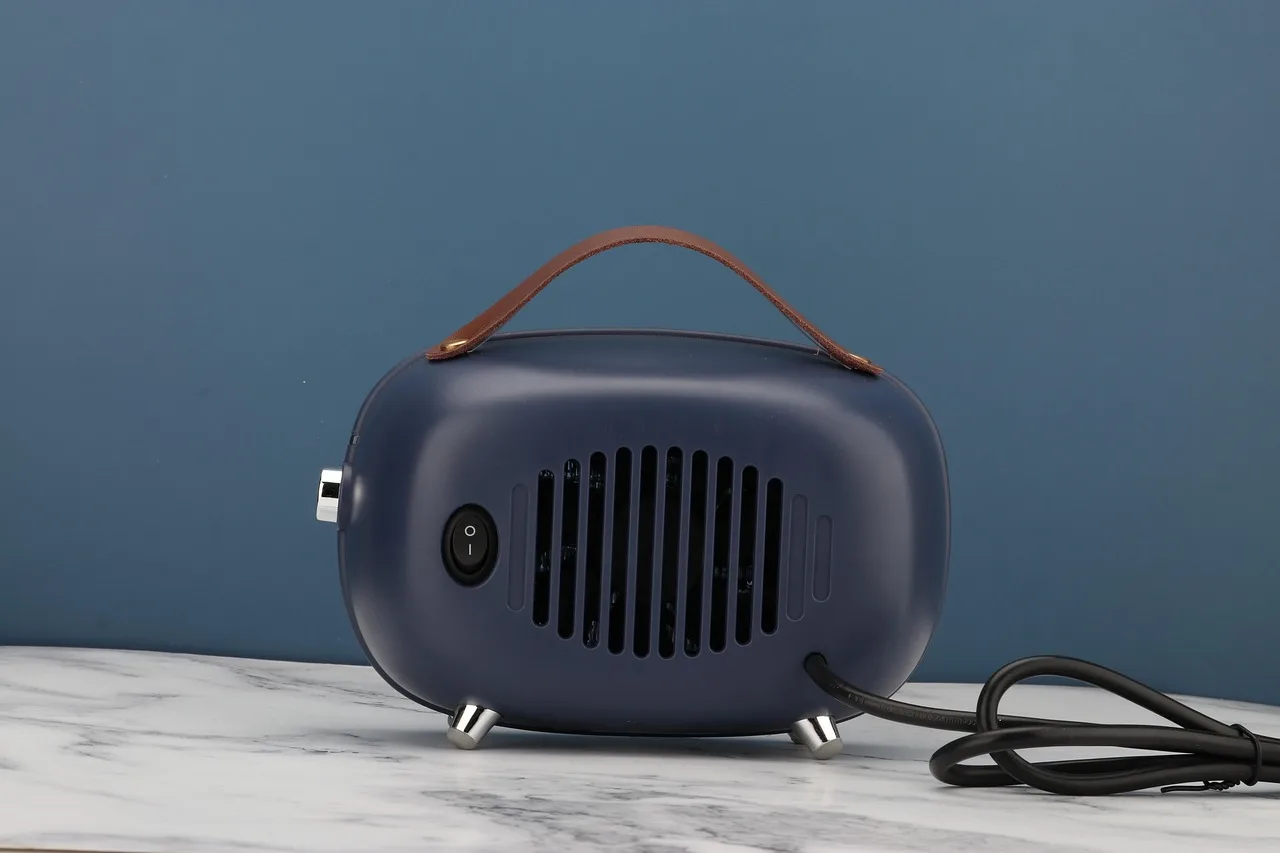
If the blower runs but the air stays cool or barely warm, the problem is usually airflow, not ignition. A clogged filter, blocked return, closed supply register, or a limit switch that is protecting an overheated furnace can all produce that symptom. The heater may be running exactly as designed, but not long enough or with enough airflow to warm the rooms.
Air filter and airflow restriction
Check the filter size printed on the frame and make sure the replacement matches the slot without gaps. Install it with the arrow pointing toward the furnace blower. A filter that is too small, bowed, or installed backward can restrict airflow and push the furnace toward high-temperature shutdowns. Replace it on the schedule the system needs; a very high MERV rating can also reduce airflow if the furnace was not designed for it.
Look at return grilles and supply registers too. Closed registers, blocked returns, or furniture pressed against them can raise heat inside the furnace cabinet and trigger the limit switch. That switch exists to prevent overheating, so repeated trips usually mean airflow needs attention rather than repeated resets.
If the furnace runs for a short period, shuts off, and the blower keeps pushing cool air, that pattern fits a limit switch trip more than a thermostat problem. Changing the thermostat would not fix a dirty filter that is choking the airflow.
If airflow seems normal but the issue still points to lighting or draft, check the related heater not working sequence again before assuming a failed part.
Blocked vents and short registers
Walk room by room and check that supply registers are open and unobstructed. On homes with a central return, make sure rugs, storage boxes, or a closed door are not blocking the return path. Limited air movement can make the furnace overheat, then shut down before the heat reaches the living space.
Why the heater clicks but never starts
Clicking without ignition usually means the control board is trying to light the burners and failing. The click may come from the igniter, gas valve, relay, or safety switches. If the sound repeats in a short cycle, the furnace may be entering lockout after several failed attempts, which is common on systems with dirty sensors or blocked draft.
Hot surface and spark igniter problems
A hot surface igniter that glows but does not light the gas may be weak or cracked. A spark igniter that clicks without lighting may have a dirty burner area, poor grounding, or no gas flow. Both failures can sound similar from across a room, so the sound alone does not prove the cause.
Do not handle an igniter with bare fingers or force it into place. A hot surface igniter can crack from a small bump, and a spark igniter can be damaged by improper handling. If the furnace has an access panel that must come off to see the igniter, shut the unit off at the service switch first.
Flame sensor issues
The flame sensor is a metal rod that confirms the burner flame is present. When it gets dirty, the furnace may light for a few seconds, then shut the gas off and try again. That looks like repeated clicking or repeated restart attempts, not a steady heating cycle.
Safe homeowner cleaning is limited. Power off the furnace, remove the sensor only if it is plainly accessible, and wipe the rod gently with a clean cloth or fine non-abrasive pad. Do not sand heavily, bend the rod, or disturb gas piping. If the furnace still drops flame after cleaning, the issue may be deeper than the sensor.
Control lockout after failed starts
Many furnaces lock out after several failed ignition attempts. That means repeated resets can postpone the real fix while the furnace keeps protecting itself. If the same click-fail cycle repeats, note the pattern and stop there instead of continuing to restart the system.
Heater troubleshooting decision table
This table helps separate homeowner-safe checks from symptoms that usually point to a part or safety system. Use it to narrow the issue before you decide whether to call for service.
| Symptom | Likely cause | Safe homeowner checks | Parts likely involved | Stop-now safety flags |
|---|---|---|---|---|
| No heat, display on | Thermostat not calling, breaker off, door switch open | Check heat mode, setpoint, batteries, breaker, access panel seating | Thermostat, breaker, door interlock switch | No gas smell, no arcing, no burning odor |
| No heat, display blank | Thermostat power loss or no furnace power | Check batteries or thermostat power, breaker, service switch | Thermostat, transformer, breaker | Electrical smell, scorch marks, repeated breaker trip |
| Blower runs, air is cool | Ignition failure or limit switch reset after overheating | Check filter, registers, return blockage, thermostat fan on auto | Filter, limit switch, igniter, flame sensor | Soot, repeated shutdowns, gas odor |
| Heater clicks, no flame | Igniter failure, gas valve not opening, pressure switch fault | Check gas valve open, vent outlet clear, breaker on | Hot surface igniter, spark igniter, gas valve, pressure switch | Gas smell or repeated failed starts |
| Starts, then shuts off after a few minutes | Dirty filter, blocked vents, limit switch trip | Inspect filter fit, open registers, clear returns | Filter, limit switch, blower airflow path | Cabinet very hot, burning smell, breaker trip |
| Short-cycling | Overheating, thermostat issue, flame sensing problem | Check thermostat placement, filter, vents, door panel | Thermostat, limit switch, flame sensor | Repeated resets do not hold |
| Blower only, no burner sound | Control board waiting for safety signal or ignition fault | Check thermostat call, breaker, access panel, error light | Control board, igniter, pressure switch | Gas odor or buzzing at valve |
| High-efficiency furnace shuts down | Condensate drain clogged or backup detected | Look for standing water near the furnace and drain line kinks | Condensate trap, drain tubing, float switch | Water near electrical parts |
| Inducer starts, then stops | Pressure switch will not close because of vent blockage | Check outdoor intake and exhaust openings for blockage | Inducer motor, pressure switch, venting | Exhaust obstruction or exhaust smell indoors |
| Burners light, then go out fast | Dirty flame sensor or flame instability | Check sensor access, clean gently if exposed | Flame sensor, burner assembly | Soot, roaring flame, gas odor |
| Breaker trips again | Electrical fault or motor problem | Reset once only, confirm access panel seated | Breaker, blower motor, wiring | Warm panel, scorch marks, burning smell |
| Inducer only, no ignition | Draft established but ignition or gas sequence stops | Check vent blockage, thermostat call, access panel seating | Inducer motor, pressure switch, igniter, gas valve | Gas odor, soot, repeated lockout |
How to reset the system once
Resetting is reasonable after you have checked the thermostat, filter, breaker, service switch, and access panel. Do it once. If the same fault returns, stop and collect the symptom details for a technician instead of creating a lockout loop.
-
Turn the thermostat off. Set it to off or lower the setpoint below room temperature so the furnace stops calling for heat. This keeps the system from trying to restart while you inspect it.
-
Switch off furnace power. Use the furnace service switch or the breaker, then wait 30 seconds. That clears many control-board states without forcing repeated starts.
-
Check the access panel. Reinstall the door firmly so the safety interlock closes. A loose panel can interrupt power and mimic a bigger failure.
-
Restore power once. Turn the breaker or switch back on, then return the thermostat to heat with the setpoint above room temperature. Watch one full cycle and stop if it fails again.
A common first-timer mistake is resetting the furnace three or four times in a row because the display still works. That can hide the real fault and create a lockout on some systems, especially if ignition never succeeds.
When the problem is likely not DIY-safe
Stop DIY work when the symptom points to gas, combustion, electrical, or exhaust risk. A homeowner can check basics, but should not open sealed gas components, bypass safeties, or keep cycling a furnace with a repeated fault. The right move is to shut it down and call for service.
Gas odor, electrical, and CO warnings
If you smell gas, leave the area and do not flip switches or use an open flame. If the breaker trips again, the access panel feels warm, or you notice a burning smell, shut the system off and stop using it. If there is soot, headache symptoms, or any concern about carbon monoxide, treat the furnace as unsafe until it is inspected.
Safe DIY vs pro-only checks
Homeowners can safely verify thermostat settings, replace a filter, confirm breaker and switch position, seat the access panel, and look for obvious blocked vents. Pro-only territory starts with gas components, sealed combustion parts, repeated lockouts, and anything that suggests wiring, venting, or pressure-switch failure.
Condensate, venting, and repeated lockouts
High-efficiency furnaces can shut down when condensate backs up or a vent is blocked. Water near the furnace, a gurgling drain, or repeated startup failure after a drain clog are signs to stop. The same goes for repeated pressure switch or ignition lockouts that return after one careful reset.
Frequently asked questions
Why is my heater running but not heating the house?
That usually means the blower is moving air, but the furnace is not making enough heat or is shutting the burners down early. The most common homeowner checks are a dirty filter, blocked vents, closed registers, or a limit switch trip from restricted airflow. If the air stays cool, do not keep resetting it.
What should I check first if my heater won’t turn on?
Check the thermostat mode, setpoint, batteries or power supply, and fan setting first. Then verify the furnace breaker, service switch, and access panel seating. Those checks cover the simplest causes before you move to ignition or draft problems.
How do I know if the thermostat is the problem or the heater itself?
If the thermostat is not set to heat, is below room temperature, or has dead batteries, the furnace may never get a call for heat. If the thermostat is clearly calling and the furnace still does nothing, the issue is more likely power, ignition, or a safety switch on the furnace side.
What heater problems can I safely troubleshoot myself?
You can safely check thermostat settings, replace or inspect a filter, confirm breaker and service switch position, seat the access panel, and look for obvious blocked vents. You can also note error lights and clean an accessible flame sensor gently. Do not open sealed gas or combustion parts.
When should I stop DIY troubleshooting and call an HVAC pro?
Stop if you smell gas, see soot, hear repeated clicking with no ignition, or get a breaker trip more than once. Also stop for water backup on a high-efficiency furnace, vent blockage, or any carbon monoxide concern. Repeated lockout is a diagnostic clue, not a reset problem.
What does it mean if my heater is clicking but not starting?
Clicking usually means the furnace is trying to start the ignition sequence. The cause may be a hot surface igniter, spark igniter, pressure switch, gas supply issue, or flame sensor fault. If the clicking repeats and the burners never stay lit, avoid repeated restarts and call for service.