Block Heater Buying Guide for First-Time Owners
Choose a lower-wattage plug-in heater for mild cold, a higher-wattage block heater for deep freezes, and an oil-pan or magnetic heater only when your engine has no block-heater port; match it to outlet access and your comfort with installation. Picking the wrong type can mean hard starts, wasted power, or unsafe cord routing. This guide gives a plain-English path for vehicle type, climate, outlet access, and install skill.
What a block heater does before startup
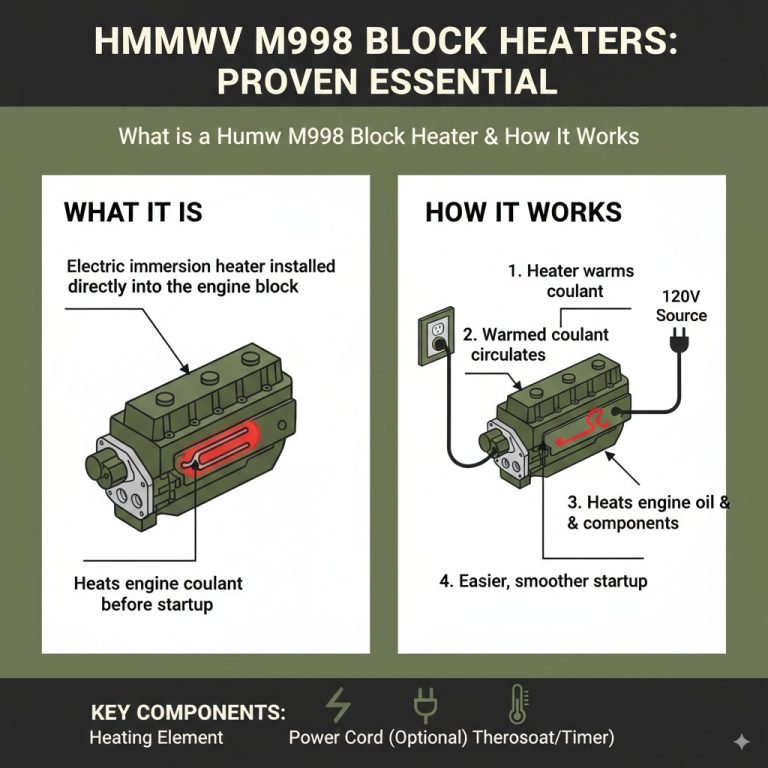
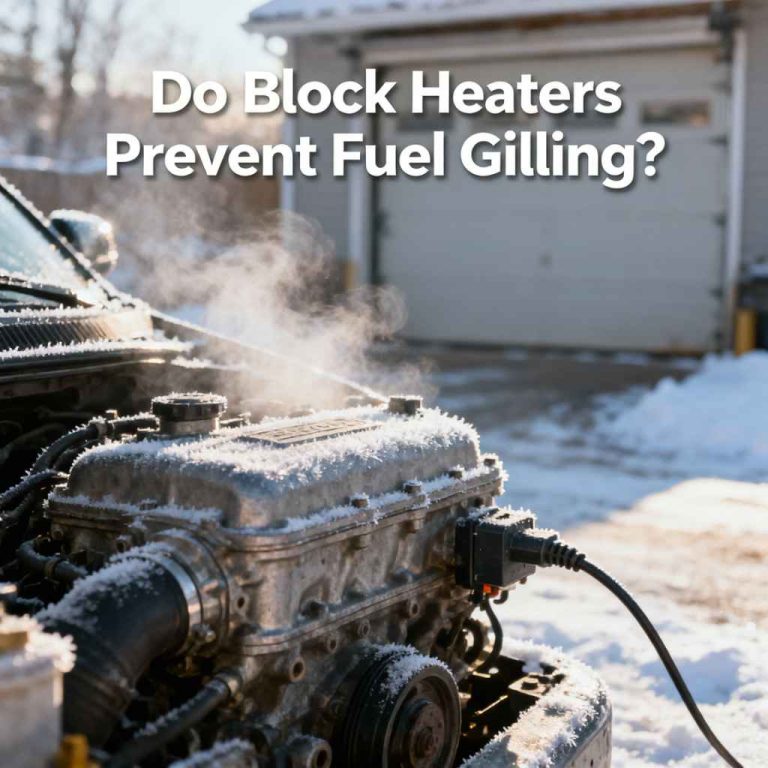
A block heater warms engine coolant, the block, or the oil pan before you start the vehicle. That cuts the stiffness and thick oil that make a cold start harder on batteries, starters, and oil flow. Diesel engines get the biggest benefit in deep cold, but gasoline engines can also start easier when temperatures fall far below freezing.
The useful part is simple: less cold metal, less thick fluid, less strain at startup. A timer helps because you want the engine warm enough to start cleanly, not plugged in far longer than needed.
Block heater types and what they heat
Block heaters are not one product. Each type warms a different part of the engine, and that changes fitment, installation, and how well it works in your parking setup. The right choice depends on whether your engine has a factory heater port, room for a hose install, or space for a pan-mounted heater.
Freeze-plug and inline coolant heaters
Freeze-plug heaters replace a core plug in the engine block and warm the coolant inside the block itself. They are sold by engine application and cup size, so the exact engine matters. Inline coolant heaters sit in a heater hose and warm moving coolant; their size is often matched by hose diameter. Both are common choices when you want direct engine warming.
Magnetic oil-pan, pad, and dipstick heaters
A magnetic heater is a compact option that uses a magnet to attach to a steel oil pan or the block; one common example is a 200-watt magnetic heater. Pad heaters stick to the oil pan and warm the oil directly. Dipstick heaters warm oil through the dipstick tube. These are useful when there is no block-heater port, but they are not equally suitable for every pan material or engine layout.
Magnetic and pad heaters need a suitable surface. Aluminum pans, odd-shaped pans, or crowded underbodies can make fitment poor. Air-cooled engines also need different thinking, since they do not use coolant in the same way a liquid-cooled engine does.

Which heater fits your vehicle?
Start with the vehicle, then match the heater type to the engine and the available mounting point. Gasoline cars in moderate cold often do fine with a smaller heater or a pan-style unit. Diesels in deep cold usually need more heat and more planning. If your vehicle has a factory block-heater port, use that first because it avoids guesswork.
Gasoline versus diesel
Diesels usually carry more cold-start penalty because the fuel and compression setup are less forgiving in low temperatures. Gasoline engines still benefit, but the need is usually less urgent unless winter temperatures stay well below freezing. If the car parks in the open and sees repeated subzero starts, a plug-in heater is easier to justify.
Air-cooled engines and pan material limits
Air-cooled engines do not follow the same coolant-heating logic, so many coolant-type heaters will not apply. For oil-pan heaters, pan material matters. Magnetic heaters need steel. Aluminum pans can rule out magnetic attachment and may also limit pad placement depending on shape, coating, and clearance.
When factory fitment matters most
Factory fitment matters most when the engine has a buried freeze plug, a tight hose run, or limited clearance around the pan. A heater that is technically “universal” may still be wrong if it cannot be mounted without damage or coolant-service complications. Fitment should come before wattage.
Block heater decision table
The ranges below are broad examples that line up with the small-car, midsize-vehicle, SUV/half-ton, and diesel-truck guidance above, along with the fitment advice to match the heater to the engine application before choosing wattage.
| Vehicle / engine scenario | Recommended heater type | Wattage range | Outlet requirement | Install difficulty | Most common buying mistake |
|---|---|---|---|---|---|
| Small gasoline car, 2–7 L coolant volume | Freeze-plug or inline coolant heater | 400–1,000 W | 120 V household outlet | Moderate | Buying by wattage before checking engine application |
| Gasoline SUV or half-ton, 8–15 L coolant volume | Inline coolant heater or freeze-plug heater | 1,000–1,500 W | 120 V outlet, preferably on a dedicated circuit | Moderate to hard | Choosing a low-watt unit that never warms enough in deep cold |
| Diesel truck, 15–40 L coolant volume | Freeze-plug or inline coolant heater | 1,000–1,500 W | 120 V outlet; dedicated 20 A circuit may matter | Hard | Ignoring coolant volume and under-sizing the heater |
| Engine with no heater port but a steel oil pan | Magnetic oil-pan heater or pad heater | 200–1,000 W | 120 V household outlet | Easy to moderate | Using a magnetic heater on aluminum instead of steel |
| Vehicle with tight access, buried freeze plug, or hose routing limits | Shop-installed freeze-plug or inline coolant heater | 1,000–1,500 W | 120 V outlet | Hard | Assuming a DIY install will be simple because the heater itself looks small |
How many watts do you need?
Most block heaters fall in the 400–1,500 watt range. A smaller engine with a modest coolant volume often does fine near 400–1,000 watts. Larger gasoline and diesel engines usually need more output, especially when the parking lot is exposed and the cold is severe. Match the wattage to coolant volume, not just engine size on paper.
When 1,000 W is enough
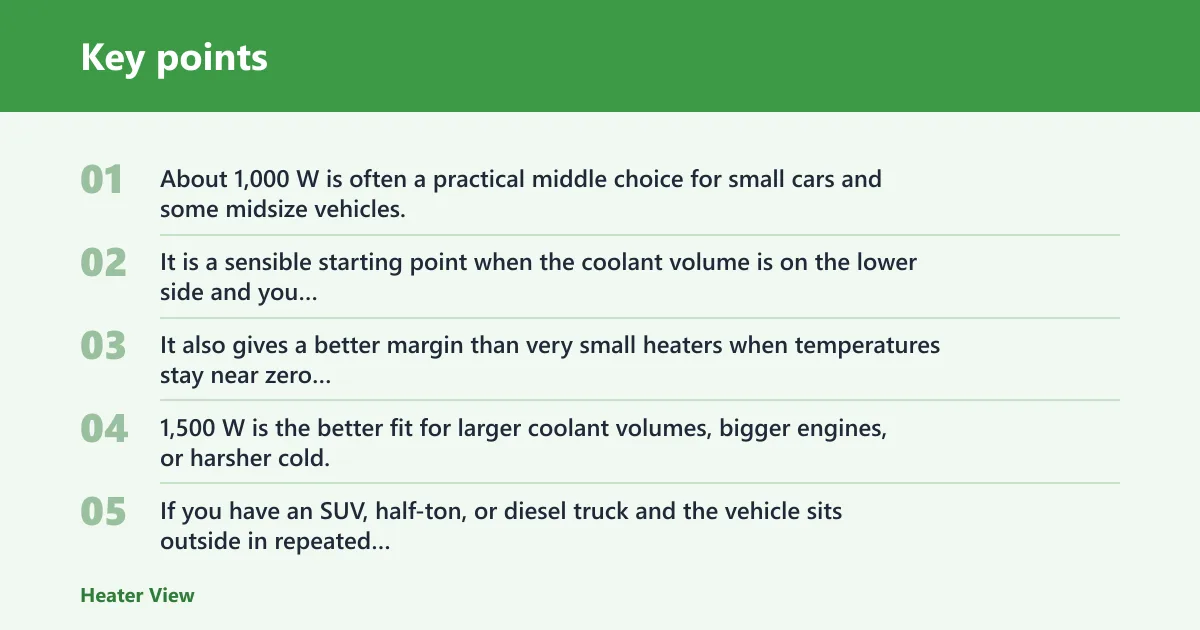
About 1,000 W is often a practical middle choice for small cars and some midsize vehicles. It is a sensible starting point when the coolant volume is on the lower side and you want a heater that is less demanding on the outlet. It also gives a better margin than very small heaters when temperatures stay near zero rather than in deep freeze.
When 1,500 W is the better fit
1,500 W is the better fit for larger coolant volumes, bigger engines, or harsher cold. If you have an SUV, half-ton, or diesel truck and the vehicle sits outside in repeated subzero weather, the higher-watt heater is usually the safer choice. It is more likely to produce useful warmth in the block before startup.
Say your truck has a 12 L cooling system and you park outside at -15°F. A 400 W heater may take a very long time to matter. A 1,500 W heater is far more likely to give you a warm start window without wasting the whole morning.
Can you run it from a household outlet?
Yes, a block heater can usually run from a 120 V household outlet, but the outlet and circuit have to fit the load. A standard 15 A circuit has a practical continuous-load ceiling of about 12 A, so you should not push it with other devices on the same line. Higher-draw heaters and long runtimes can make a dedicated 20 A circuit worth having.
120 V outlet limits and the 15 A ceiling
On a 120 V household outlet, the issue is not just whether the plug fits. It is the continuous load. A heater that draws near the circuit limit may trip a breaker, trip a GFCI outlet, or run poorly if other tools, chargers, or appliances share the same branch circuit.
When a dedicated 20 A circuit helps
A dedicated 20 A circuit helps when you are using the higher end of the wattage range, parking in very cold weather, or have seen nuisance trips on a shared circuit. It gives the heater its own path instead of competing with garage lights or other loads. That matters more than many first-time owners expect.
How long should you plug it in?
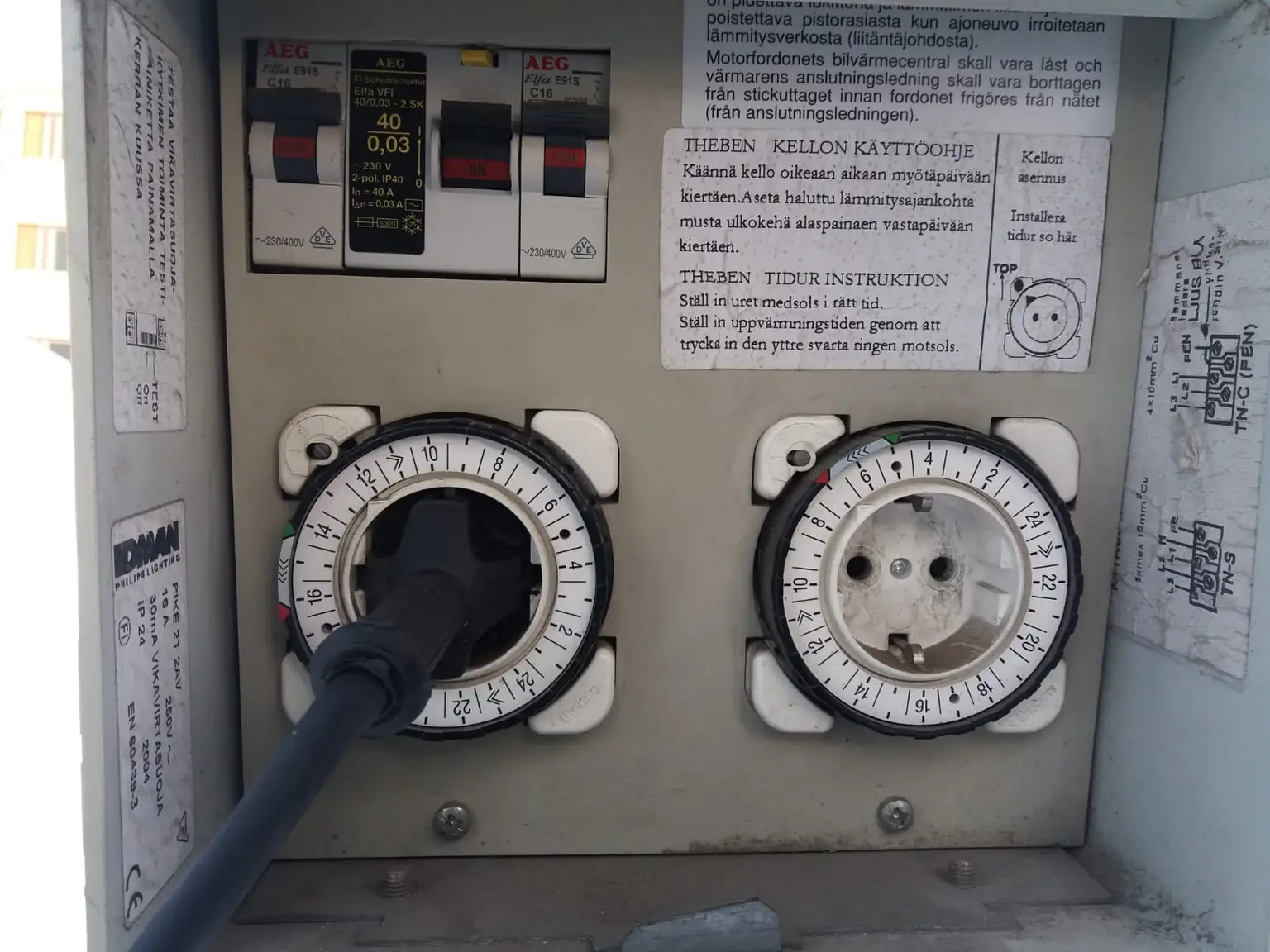
Most owners do not need to leave a block heater on all night. A timer is the cleaner choice. The right plug-in time depends on temperature, heater wattage, and coolant volume, but common guidance puts mild cold at about 30–60 minutes, colder weather at about 1–2 hours, and deep freeze at about 2–3 hours or more.
Use temperature, not habit, to set the timer
The Motor Guy guide says 0°F to -20°F often calls for 2 to 3 hours, and below about -20°F may need 3 to 4 hours. That is the sort of range a timer is made for. The Motor Guy guide also says to set a timer for two hours before startup, which is a sensible baseline for many winter commutes.
Suppose you leave for work at 7:00 a.m. and the forecast is -10°F. A timer set for 5:00 a.m. is usually better than plugging in at midnight. It avoids all-night power draw while still giving the coolant time to warm up.
Safety, cords, and installation
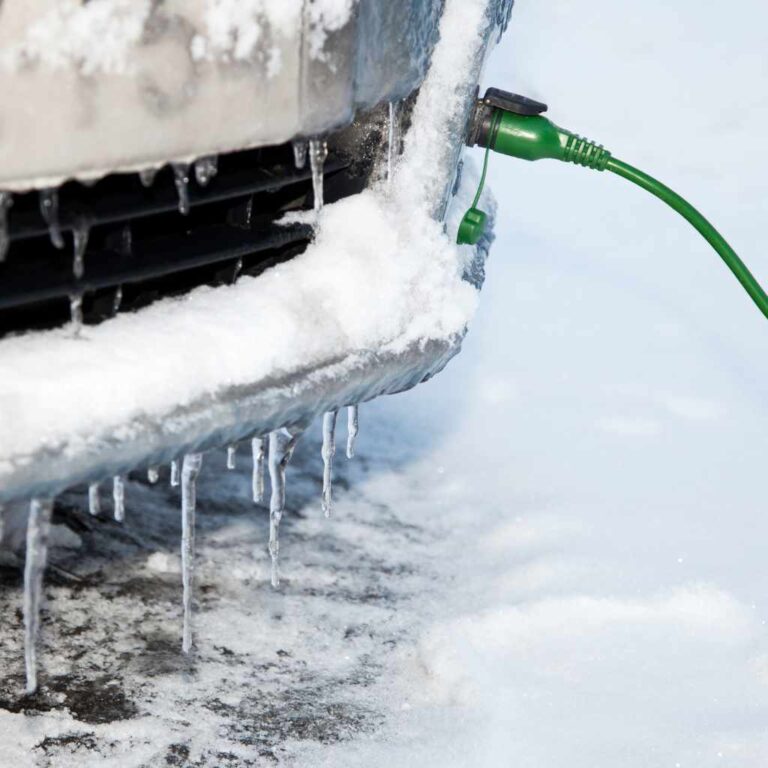
Use an outdoor-rated extension cord if you need one, and keep the cord route away from heat, sharp edges, and moving parts. Never use a cord that is cracked, melted, or scorched. The Motor Guy warns to unplug if the cord or plug is damaged, and a damaged heater can trip the breaker or a GFCI outlet every time.
What kind of extension cord is safe?
Use an outdoor-rated extension cord sized for the load and the distance. Thin indoor cords are a poor choice because voltage drop and heat build-up become more likely as length increases. If the cord runs across snow or slush, inspect the jacket often. A cord that feels stiff, has visible cuts, or shows melted spots should come out of service.
Why breaker trips happen
Breaker trips usually point to overload, a short, a failing heater, or a bad cord. If the heater trips a breaker or GFCI every time, stop using it until the problem is found. Do not keep resetting the circuit and hoping it clears itself. That is how small failures become bigger ones.
Install complexity and when a shop makes sense
DIY fitment is realistic for some magnetic, pad, and many inline heaters, but freeze-plug replacement can be a different job. Some installs require hose cutting, drain-and-refill work, and coolant bleeding. If the freeze plug is buried or the hose diameter is awkward, a shop install can be the safer choice.
Measure hose diameter, confirm freeze-plug size, and look at pan material before you buy. Those three checks prevent most returns.
How to know if your vehicle already has a factory heater
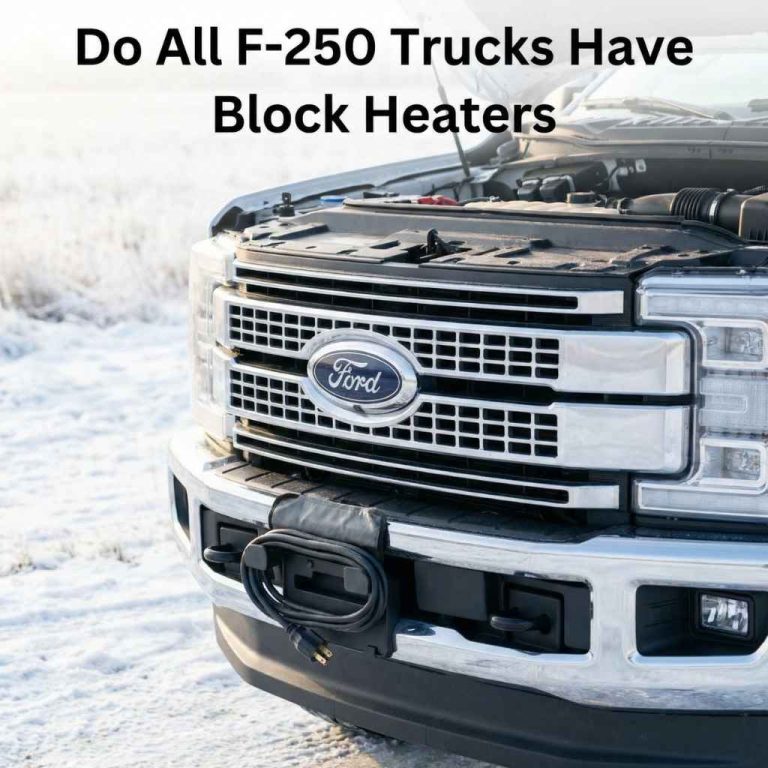
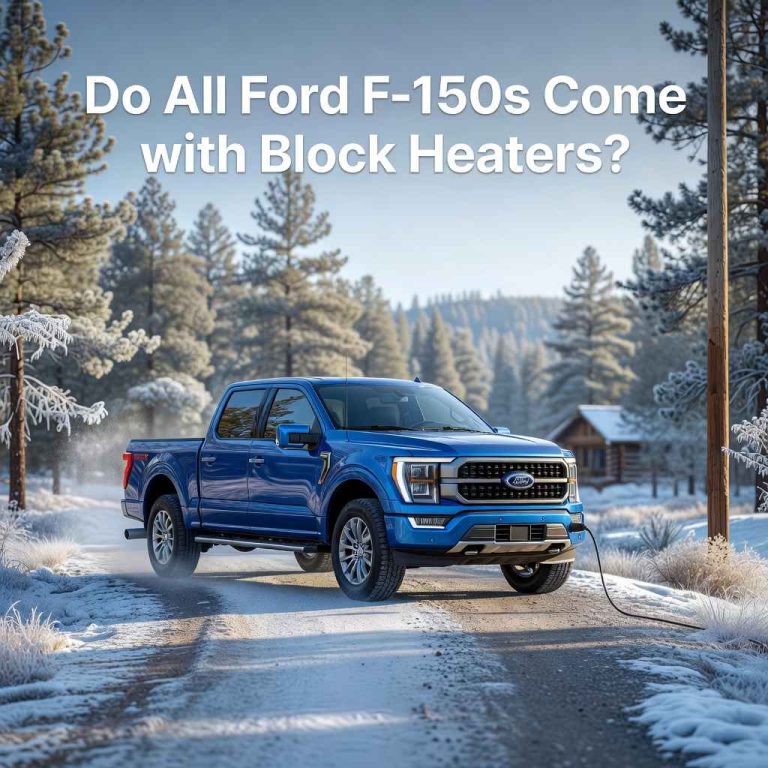
Look for a labeled cord tucked near the front grille, bumper, or engine bay, and check the owner’s manual and build sheet if available. Many factory heaters use vehicle-specific routing and connectors. If there is any doubt, inspect the engine application rather than guessing from model year alone.
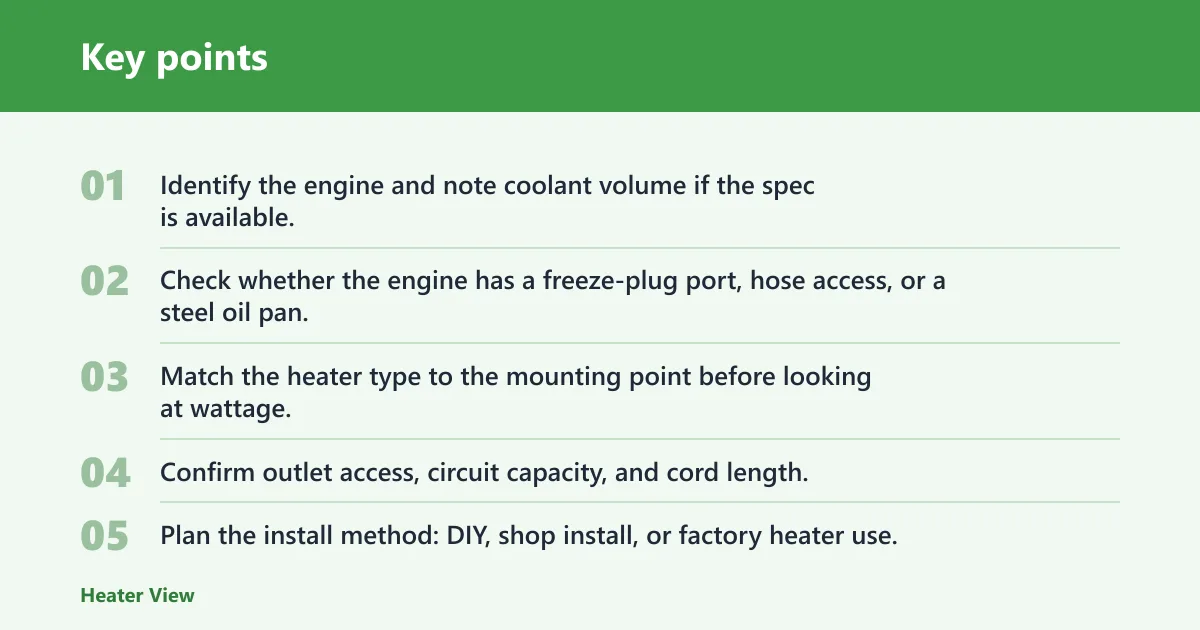
- Identify the engine and note coolant volume if the spec is available.
- Check whether the engine has a freeze-plug port, hose access, or a steel oil pan.
- Match the heater type to the mounting point before looking at wattage.
- Confirm outlet access, circuit capacity, and cord length.
- Plan the install method: DIY, shop install, or factory heater use.
- Set a timer based on temperature instead of leaving it on overnight.
How much does a block heater cost to buy and run?
For budgeting, expect the lower-cost end to be a simple magnetic or pad heater and the higher-cost end to be a freeze-plug or inline coolant unit.
That is why first-time buyers should think in total cost: the heater, the cord if needed, and the install. A slightly more expensive heater that fits correctly can be cheaper than a low-cost unit that needs rework or never warms the engine properly.
Frequently asked questions
What type of block heater should I buy for my vehicle?
Buy the heater type that matches your engine and mounting point first. Freeze-plug and inline coolant heaters are the main choices for direct engine warming. Magnetic, pad, and dipstick heaters make more sense when there is no block-heater port or when you need a simpler install on a steel oil pan.
How many watts does a block heater need for my engine?
The right wattage depends on coolant volume, climate severity, and whether the heater is warming coolant directly or only the oil pan. Use the vehicle-specific guidance above rather than sizing only by engine nameplate or by a one-size-fits-all rule.
Will a block heater work on a diesel truck and a gas car?
Yes, but the best type is usually different. Diesels often benefit more in deep cold, while gasoline cars can often use smaller heaters when the cooling system is smaller and winter temperatures are less severe.
Do I need a freeze-plug heater or an inline coolant heater?
Choose a freeze-plug heater if your engine has a suitable core plug and you want direct block warming. Choose an inline coolant heater if the hose layout allows easy routing and the hose diameter matches the heater. The better choice is the one that fits without forcing the cooling system into a bad route.
How long should I plug in a block heater before starting?
Use the temperature and timer guidance above rather than leaving it on overnight. A timer keeps the run time consistent.
Can I use a block heater with a regular household outlet?
Yes, a 120 V household outlet is common, but the circuit has to handle the load. A 15 A circuit has a practical continuous-load ceiling, and a heater near that limit should not share the circuit with other loads. A dedicated 20 A circuit is a better fit for higher draws.