Do Heaters Pull Air From Outside? Most Don’t
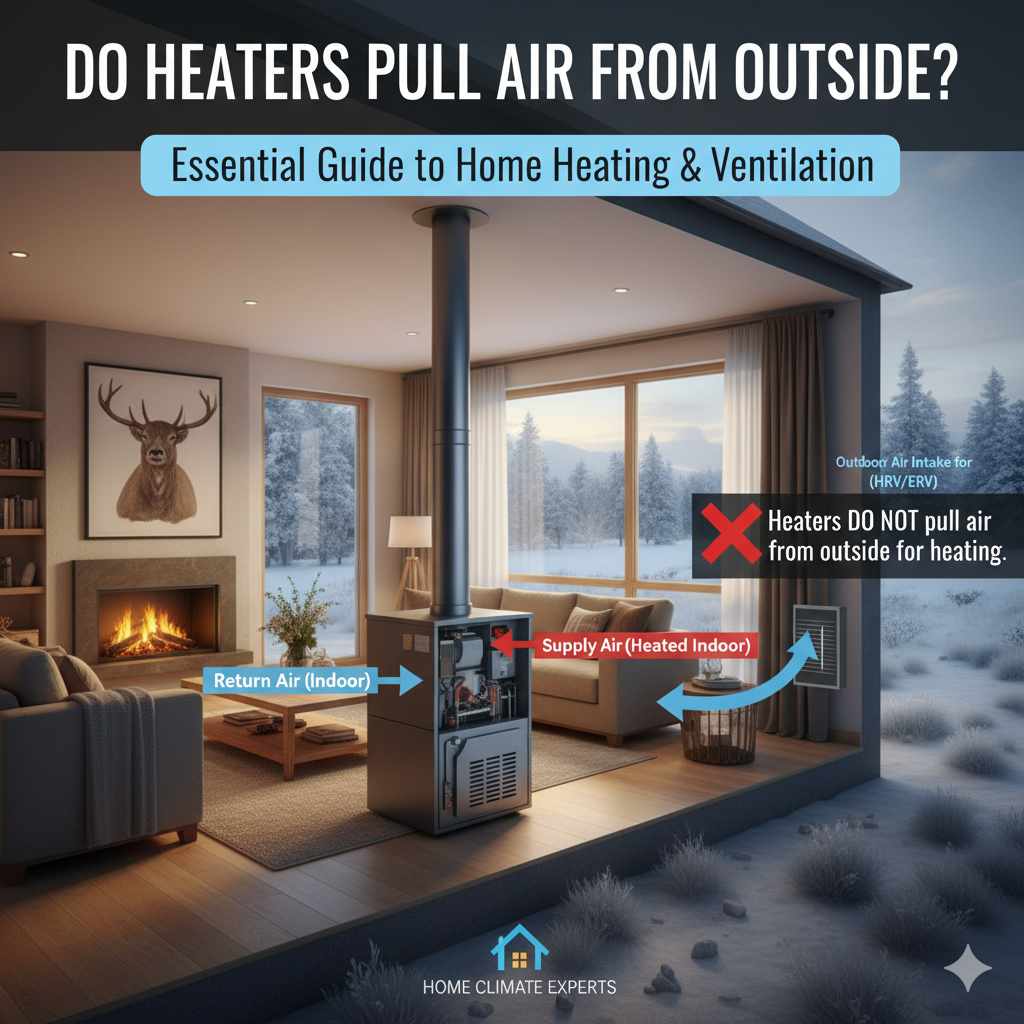
Do heaters pull air from outside? Generally, most common indoor heaters like electric space heaters and radiators do NOT pull air directly from outside. They recirculate and heat the air already present in your room. However, central heating systems and some specialized heaters may have provisions for fresh air intake.
When winter creeps in, the cozy warmth of a heater becomes our best friend. But have you ever wondered where that warm air comes from? A common question that pops into our minds is: “Do heaters pull air from outside?” It’s a natural thought, especially when you consider how ventilation works in other appliances. Is your heater making your home colder by sucking in chilly outdoor air? Or is it working its magic using only the air inside your comfortable home? This guide is here to demystify this for you, making it super simple to understand. We’ll walk through the different types of heaters and how they handle air, so you can feel confident about your home’s heating. Let’s get your questions answered and your home toasty warm!
Understanding Your Home’s Heating: The Basics
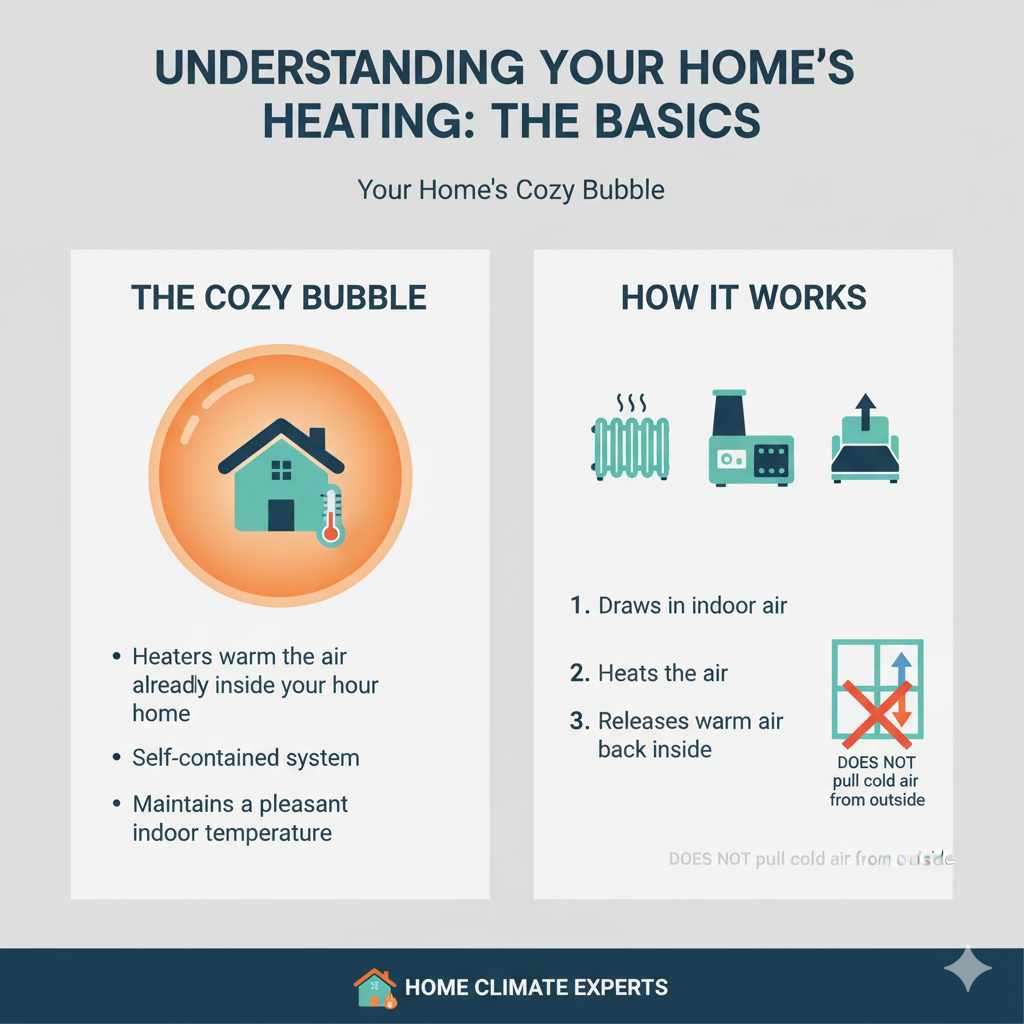
Imagine your home as a cozy bubble. When it gets cold outside, we want to keep that bubble nice and warm. Most of the heaters you’d find in a living room or bedroom are designed specifically to do just that – keep the heat contained within your home. They focus on warming the air that’s already inside your rooms, making your living space comfortable without affecting the outside environment. It’s like a self-contained system, working hard to maintain a pleasant temperature just for you. Understanding this basic principle is the first step to understanding how different heating systems operate.
Common Indoor Heaters: Focusing on Indoor Air
Let’s talk about the heaters you likely use day-to-day. These are typically focused on heating the air within a specific room. They don’t have a direct connection to the outdoors for air intake. Their primary goal is to warm the air already circulating in your space, making it cozier and more comfortable. It’s all about efficiency and staying warm without unnecessary drafts or energy loss.
Electric Space Heaters: Your Personal Comfort Zone
Electric space heaters, like ceramic heaters, oil-filled radiators, and infrared heaters, are fantastic for targeted heating. You plug them in, and they start warming the air around them. They work by convection (heating the air and making it circulate) or radiation (warming objects directly). Crucially, they do not have vents or mechanisms to draw air from outside. They simply heat the air present in the room. This makes them energy-efficient for heating specific areas and a popular choice for homeowners and renters alike.
Here’s a quick look at how they heat your room:
- Air Intake: They pull air from the room they are in.
- Heating Element: The internal heating element warms the air.
- Air Output: Warm air is then released back into the room, creating circulation.
Radiators (Central Heating): Mostly Indoors Too!
If you have a home with central heating that uses radiators (those metal fins you see on walls), these are typically part of a closed loop system. Hot water, heated by a boiler, circulates through the radiators. As the radiators heat up, they warm the air in the room through convection. While the boiler that heats the water might draw in combustion air from an external source (especially if it’s a gas boiler), the radiators themselves are not pulling air from outside to heat your room. They are simply acting as heat emitters for the warmed water.
Direct-Vent Heaters: A Special Case
Some types of heaters are referred to as “direct-vent” appliances. This usually applies to gas heaters or some fireplace inserts. These are a bit different because they are designed to pull combustion air from directly outside and expel exhaust gases directly outside through a sealed vent system. This is a safety feature to prevent harmful gases like carbon monoxide from accumulating indoors. So, while they do interact with outside air, it’s for a specific purpose (combustion) and a separate process from heating the room’s air. They are designed to be sealed systems, meaning they still don’t pull your room’s warm air away to heat the outside. If you have a gas appliance, it’s always best to ensure it’s properly installed and vented according to manufacturer instructions and local codes.
Central Heating Systems: A Closer Look
Central heating systems are a bit more complex. They are an entire network designed to warm your whole house from one main source. This main source could be a furnace (often using gas, oil, or electricity) or a heat pump. Whether these systems pull air from outside depends on their specific design and type.
Furnaces (Forced Air Systems)
Most modern furnaces, especially those used for forced air heating (where warm air is blown through ducts), are designed to operate with indoor air. They pull air from your return vents, heat it up, and then send it back out through your supply vents. However, there’s a distinction to be made:
- Combustion Air (for gas/oil furnaces): If your furnace burns fuel (like natural gas or oil) for heat, it needs to draw in air for that combustion process. In some older or specific furnace designs, this air might be taken from inside your home. This can then create a slight negative pressure, potentially drawing in outside air through small leaks. Most modern furnaces, however, are equipped with dedicated intake pipes that draw combustion air directly from outside. This is much safer and more efficient. You can often see these pipes near your furnace.
- Recirculating Room Air: The air that gets heated and blown through your vents is almost always recirculated indoor air. The furnace draws this air back into the system via return ducts, heats it, and sends it back out. It does NOT pull your heated air outside and replace it with cold outside air.
For information on your specific furnace, it’s always best to consult its manual or a qualified HVAC professional. Resources like the U.S. Department of Energy’s Energy Saver website offer great insights into various home heating systems.
Heat Pumps: Working with Outdoor Air (But Not Heating With It Directly)
Heat pumps are a bit of a unique case. They don’t burn fuel to create heat. Instead, they work like an air conditioner in reverse. In heating mode, they extract heat energy from the outside air (even when it’s cold!) and transfer it inside your home. So, while the heat energy comes from outside, the system itself is typically a closed loop and doesn’t pull your indoor air out to heat it. It’s transferring thermal energy, not bulk air. This makes them a very energy-efficient option, especially in milder climates.
Here’s a simple way to think about it:
- Outdoor Unit: Captures heat from outdoor air.
- Refrigerant: Carries the heat indoors.
- Indoor Unit: Releases the heat into your home, warming the indoor air.
Heat pumps are becoming increasingly popular due to their efficiency. Resources from organizations like the Environmental Protection Agency (EPA) can provide more detailed information on their operation and benefits.
Why This Matters: Comfort, Efficiency, and Safety
Understanding whether your heater pulls air from outside is more than just a curiosity. It has practical implications for your home:
- Comfort: If your heater were to constantly pull in cold outside air (which most don’t), your home’s temperature would fluctuate wildly, and you’d likely feel drafts. Knowing your system recirculates indoor air reassures you about consistent warmth.
- Energy Efficiency: Heating air that’s already inside your home is far more efficient than trying to heat frigid outdoor air. Systems designed to recirculate indoor air are generally more cost-effective to run.
- Indoor Air Quality: Properly functioning heating systems, especially those designed for indoor air circulation, help maintain your indoor air quality. Systems that draw combustion air from outside (like efficient gas furnaces) prevent the depletion of indoor oxygen and the buildup of harmful gases.
- Preventing Moisture Issues: If forced air systems were constantly pulling in outside air, especially in humid conditions, it could introduce moisture into your home, potentially leading to mold and mildew problems.
Let’s summarize the air handling for different heating types:
| Heater Type | Primary Air Source | Interaction with Outside Air | Notes |
|---|---|---|---|
| Electric Space Heaters (Ceramic, Oil-Filled, Infrared) | Indoor Air | None (operates in a closed loop within the room) | Simple, safe, effective for spot heating without affecting overall home ventilation. |
| Radiators (Central Hydronic Systems) | Indoor Air | None (radiators themselves) | Boiler may draw combustion air from outside or inside depending on type and age. |
| Direct-Vent Gas Heaters/Fireplace Inserts | Outdoor Air (for combustion) | Yes (dedicated vent for intake) | Sealed system to prevent indoor air quality issues; heats room air. |
| Forced Air Furnaces (Gas/Oil/Electric) | Indoor Air (recirculated) | Yes (for combustion in gas/oil furnaces, if not sealed) | Modern systems often have dedicated outside air intake for combustion. |
| Heat Pumps | Indoor Air (circulated and heated) | No (extracts heat energy from outdoor air) | Highly efficient, transfers thermal energy, doesn’t exchange bulk air. |
Identifying Your Heating System: A Homeowner’s Guide
Feeling curious about your own home’s setup? Here are a few tips to help you identify your heating system:
- Check Your Thermostat: Does it control a central system, or is it for individual room units? A central thermostat usually indicates a furnace or heat pump.
- Look for Ductwork: If you see vents in your floors, walls, or ceiling, you likely have a forced-air system (furnace or heat pump).
- Locate Your Furnace/Boiler: These are typically found in basements, attics, garages, or utility closets. Look for large boxes with pipes and vents.
- Inspect Your Radiators: If you have them, trace the pipes back from the radiators to a central boiler.
- Observe Your Outdoor Unit (for Heat Pumps/AC): Heat pumps have an outdoor component similar to an air conditioner.
- Appliance Nameplates: Many appliances have a label with the model and manufacturer. You can often look up the model online to find out its specifications, including its ventilation requirements.
When in doubt, don’t hesitate to ask a qualified HVAC technician during your next maintenance check. They can explain your system in detail.
Troubleshooting Common Heating Issues Related to Airflow
If you’re experiencing cold spots, drafts, or your heating system isn’t performing as expected, airflow is often the culprit. Here are a few common issues and how they might relate to air sources:
- Cold Drafts: If you feel cold air, it could be due to air leaks around windows and doors, drafts from an unfinished basement or attic, or in some specific furnace types, a slight draw of outside air for combustion. Sealing up air leaks is always a good first step for energy efficiency. You can find resources on sealing air leaks from reputable sources like ENERGY STAR.
- Dirty Air Filters: For forced-air systems, a clogged air filter restricts airflow. This means the system has to work harder, can overheat, and won’t distribute warm air effectively. A clean filter ensures your system is running efficiently on your indoor air.
- Uneven Heating: If some rooms are cold while others are warm, it could be an issue with ductwork balancing, insulation, or the location of your heating vents. While not directly related to pulling air from outside, it points to how well your system manages and distributes the indoor air it’s heating.
Regular maintenance is key to preventing these issues. An annual check-up by an HVAC professional can catch problems before they become major headaches.

Frequently Asked Questions (FAQ)
Q1: Do electric portable heaters make my house colder by using outside air?
A1: No, electric portable heaters like space heaters and oil-filled radiators are designed to heat the air already in the room. They do not pull air from outside.
Q2: Does my furnace blow out warm house air to the outside?
A2: No, a furnace heats air by burning fuel or using electricity and then blows that heated air back into your home through ducts. It recirculates your indoor air. Older or specific gas furnace designs might draw a small amount of air from inside for combustion if they don’t have a dedicated outside air intake, but they don’t vent your heated air outside.
Q3: What does “direct-vent” mean for a heater?
A3: A direct-vent heater has a sealed system that draws combustion air directly from outside and expels exhaust gases directly outside. This is a safety feature, common in gas fireplaces or furnaces, ensuring indoor air quality is maintained.
Q4: If a heat pump uses outside air, does that mean it makes my house colder?
A4: No, a heat pump doesn’t use your indoor air for its operation. It extracts heat energy from the outdoor air and transfers it inside. It’s a very efficient way to heat without losing indoor air.
Q5: Where can I find information on making my heating system more efficient?
A5: Resources like the U.S. Department of Energy’s Energy Saver website (energy.gov/energysaver/) and ENERGY STAR (energystar.gov) offer many tips and guides on improving heating efficiency and choosing energy-saving appliances.
Q6: Should I seal my home up completely to keep heat in?
A6: While sealing air leaks is great for efficiency, it’s important not to completely seal your home. Homes need some fresh air exchange for good indoor air quality. Modern, well-designed heating systems (like direct-vent or furnaces with outside combustion air) and balanced ventilation help with this.
Conclusion: Enjoying Your Warm Home with Confidence
We’ve covered a lot of ground, and hopefully, you’re feeling much clearer about where your home’s heat comes from. The good news is that for most common heaters you use to warm your personal spaces, like electric space heaters and radiators, they focus on warming the air that’s already happily circulating inside your home. They are designed for efficiency and comfort, not for exchanging your warm air with the chilly outdoors.
Central heating systems, like furnaces and heat pumps, are a bit more intricate. Furnaces primarily recirculate and heat indoor air, though the combustion process for gas or oil models might involve drawing air either from inside or directly from outside, depending on the system’s design. Heat pumps, on the other hand, work by efficiently transferring heat energy from the outside air into your home, without directly exchanging your indoor air. And for those direct-vent appliances, rest assured they’re designed with safety and efficiency in mind, often using a dedicated connection to the outdoors for combustion air while keeping your home’s air where it belongs.
By understanding these nuances, you can feel more confident about your heating choices, enjoy a consistently cozy home, and be assured of your system’s efficiency and safety. If you ever have specific questions about your home’s unique heating setup, reaching out to a qualified HVAC professional is always a great step. Here’s to a warm, comfortable, and well-understood home heating experience!