Why I Love Comparing Quartz Infrared Heaters to Baseboard Heaters
I remember my first winter in a chilly apartment. I shivered by my old baseboard heater, waiting for warmth. Then, I tried a quartz infrared heater, and wow, what a difference! It warmed me up fast, like sitting by a sunny window. In this article, I’ll share the advantages of quartz infrared heaters vs baseboard heaters. I’ll explain what they are, how they work, and why one might be better for your home. Whether you’re cozying up a bedroom or heating a garage, I’ve got simple tips and examples to help you choose. Let’s dive in and find the best way to stay warm!
What Are Quartz Infrared Heaters and Baseboard Heaters?
Heating your home can be tricky. Let’s break down these two options simply.
Quartz Infrared Heaters Explained
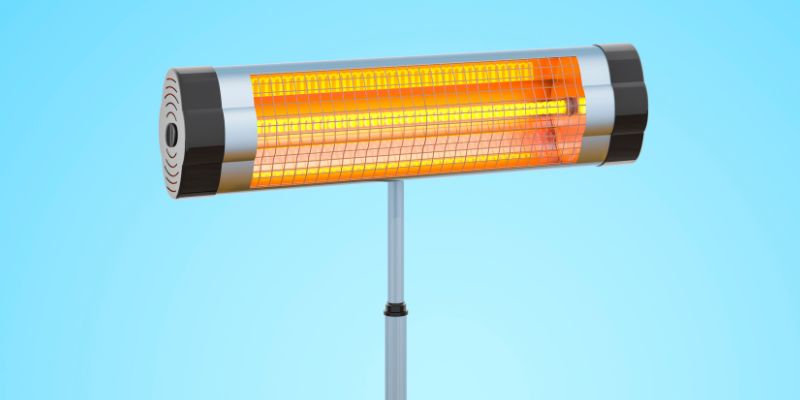
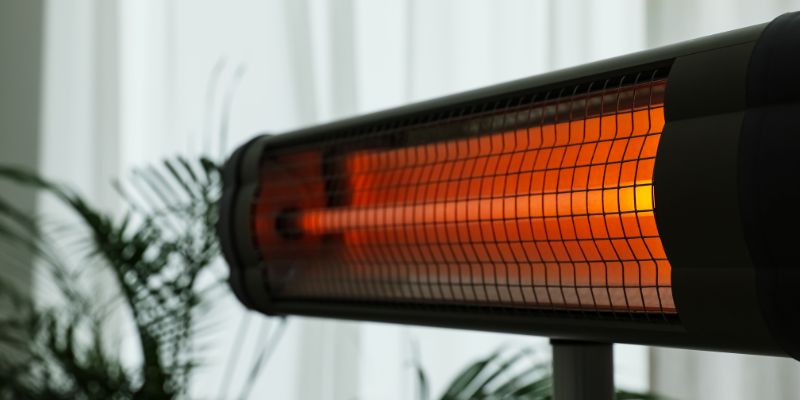
Quartz infrared heaters use special tubes to make heat. These tubes glow and send warmth straight to you and your furniture, not just the air. Imagine sunlight warming your skin—that’s how they work! They’re often portable and plug into a wall outlet. I love how fast they heat up my living room.
Baseboard Heaters Explained
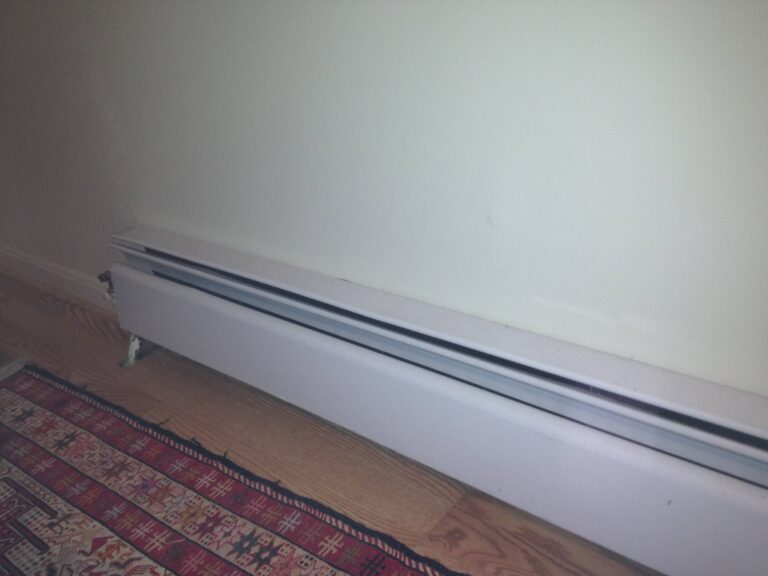
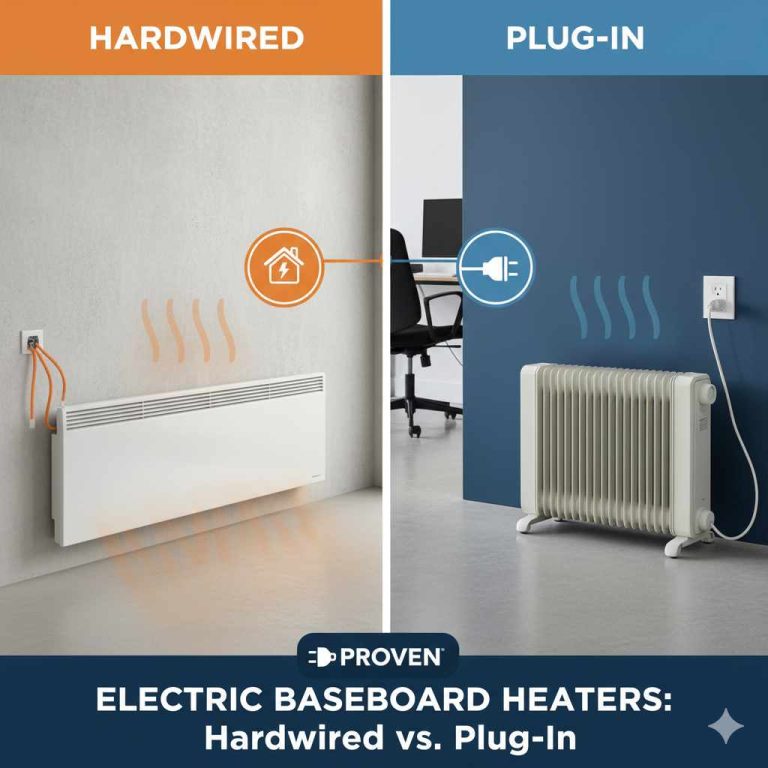
Baseboard heaters are long, metal units along your wall. They heat the air slowly, which rises and warms the room. They’re usually hardwired and stay in one place. My old apartment had these, but they took forever to make the room cozy.
Why Compare These Heaters?
Choosing the right heater saves money and keeps you warm. Quartz infrared heaters and baseboard heaters work differently. Understanding their strengths helps you pick the best one. I’ll share what I’ve learned from using both in my home.
Advantages of Quartz Infrared Heaters vs Baseboard Heaters
Quartz infrared heaters have some big wins. Here’s why they often beat baseboard heaters.
Instant Warmth
Quartz infrared heaters warm you up right away. Turn one on, and you feel cozy in seconds. Baseboard heaters take longer—sometimes 20 minutes! I noticed this when I used a quartz heater in my cold office. It felt like magic compared to my slow baseboard.
Energy Efficiency
Quartz infrared heaters use less energy. They heat objects and people directly, so less heat is wasted. Baseboard heaters warm the air, which can escape through windows. According to Energy.gov, infrared heaters can save up to 50% on energy costs. That’s a big deal for my winter bills
Portability
I love that quartz infrared heaters are easy to move. You can carry them from your bedroom to your garage. Baseboard heaters are stuck in place, usually hardwired. When I needed heat in my drafty porch, my portable quartz heater was a lifesaver.
Quiet Operation
Quartz infrared heaters are super quiet. They don’t need fans, so there’s no noise. Baseboard heaters sometimes creak or hum. I use my quartz heater in my bedroom, and it never wakes me up. It’s perfect for a peaceful night.
Cleaner Heat
Quartz heaters don’t stir up dust or allergens. They don’t use fans, so the air stays clean. Baseboard heaters move air around, which can bother people with allergies. My friend with asthma loves her quartz heater for this reason.
Modern Look
Quartz infrared heaters look sleek and stylish. They fit nicely in any room. Baseboard heaters are bulky and take up wall space. My quartz heater blends into my living room like a piece of furniture.
Drawbacks to Consider
No heater is perfect. Let’s look at some downsides.
Quartz Infrared Heater Drawbacks
Quartz heaters work best in smaller spaces. They might not heat a big living room evenly. Also, replacement bulbs can be pricey. I learned to check bulb costs before buying.
Baseboard Heater Drawbacks
Baseboard heaters are slow and use more energy. They’re also hot to the touch, which can be unsafe for kids. I always worried about my nephew near my old baseboard unit.
Comparing Costs
Let’s see how these heaters stack up financially.
| Feature | Quartz Infrared Heater | Baseboard Heater |
|---|---|---|
| Upfront Cost | $50–$200 | $100–$500 |
| Energy Cost | Lower (saves up to 50%) | Higher |
| Maintenance | Bulbs ($25, 3–5 years) | Minimal |
| Installation | Plug-in, no cost | Hardwired, $100–$300 |
Table 1: Cost Comparison of Quartz Infrared and Baseboard Heaters
This table shows quartz heaters are cheaper to buy and run. Installation is easier, too. I saved money by plugging in my quartz heater instead of hiring an electrician for a baseboard.
Safety Tips for Both Heaters
Safety is super important. Here are tips to stay safe.
- Keep Space Clear: Don’t put furniture near either heater. It can block heat or cause fires.
- Check Cords: For quartz heaters, use a direct outlet, not an extension cord. It’s safer.
- Watch Kids and Pets: Baseboard heaters get hot. Keep little ones away. Quartz heaters are cooler to touch but still need care.
I always place my quartz heater on a flat surface and check it regularly. Safety first!
Common Mistakes to Avoid
I’ve made mistakes with heaters. Here’s what to watch out for.
- Wrong Size Heater: Don’t buy a tiny quartz heater for a huge room. Check the square footage on the box.
- Ignoring Thermostats: Get a heater with a thermostat. It saves energy. My old baseboard didn’t have one, and my bills were high.
- Blocking Heat: Don’t put stuff in front of heaters. It stops the warmth from spreading.
Personal Tips from My Experience
After years of using both, I have some tricks. For quartz heaters, place them where you sit most, like near your couch. They work best when aimed at you. For baseboard heaters, clean them yearly to avoid dust buildup. I also set a timer on my quartz heater to save power at night.
Step-by-Step Guide: Choosing the Right Heater
Not sure which heater to pick? Follow these steps.
- Check Room Size: Measure your room’s square footage. Quartz heaters work for small spaces (up to 1000 sq. ft.). Baseboards are better for big rooms.
- Think About Use: Need portable heat? Go quartz. Need steady heat? Try baseboard.
- Set a Budget: Quartz heaters are cheaper upfront. Baseboards cost more to install.
- Read Reviews: Check sites like Consumer Reports for trusted models. I found my quartz heater through reviews.
- Test It Out: Buy from a store with a return policy. I tested my quartz heater for a week before keeping it.
Comparing Heaters in Real-Life Scenarios
Let’s look at two examples.
Scenario 1: Cozy Bedroom
My bedroom is small, about 150 square feet. A quartz infrared heater works great here. It warms my bed and desk fast. A baseboard heater would take too long and use more power.
Scenario 2: Large Living Room
For my 400-square-foot living room, a baseboard heater might be better. It heats the whole space evenly over time. Quartz heaters struggle to warm big areas unless you get a powerful model.
| Scenario | Best Heater | Why? |
|---|---|---|
| Small Bedroom | Quartz Infrared | Fast, targeted heat; portable |
| Large Living Room | Baseboard | Even heat for bigger spaces |
| Home Office | Quartz Infrared | Quiet, instant warmth |
Table 2: Best Heater for Different Rooms
This table helps you match heaters to your needs. I use it to decide where to place my heaters.
Other Heating Options
Not sold on either? Try these alternatives.
- Ceramic Heaters: Good for small spaces but slower than quartz. They’re affordable, though.
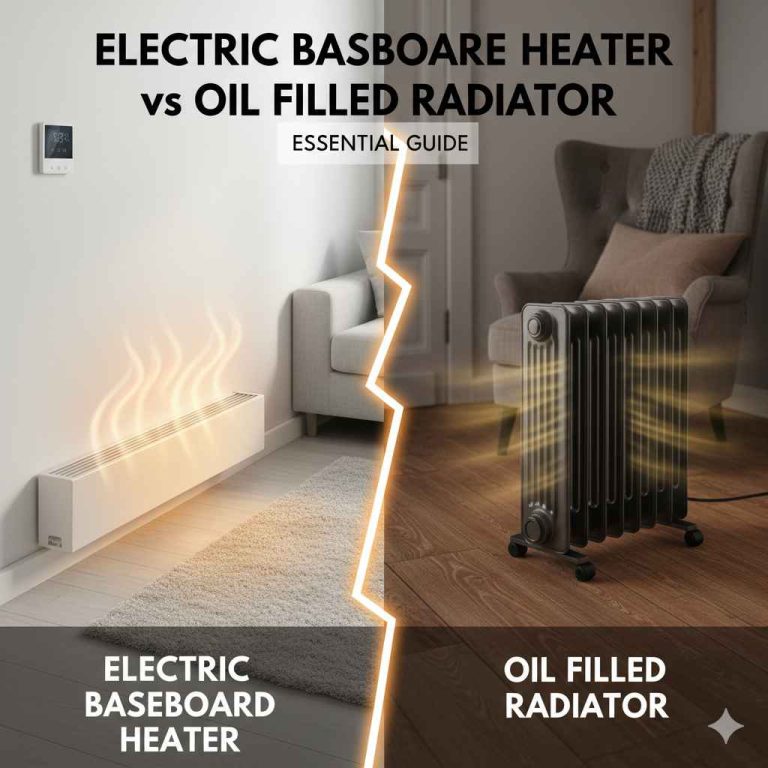
- Oil-Filled Heaters: Great for steady heat but heavy and slow to warm up.
- Heat Pumps: Super efficient but costly to install. I considered one but stuck with quartz for my budget.
Visual Ideas for Better Understanding
Pictures make things clearer. Here are ideas for visuals:
- Diagram of Heat Flow: Show how quartz heaters warm objects vs. baseboard heaters warming air.
- Room Setup Guide: A sketch of where to place a quartz heater for best results.
- Comparison Chart: A simple infographic comparing costs and features of both heaters.
Conclusion
Quartz infrared heaters and baseboard heaters both keep you warm, but they’re different. Quartz heaters are fast, portable, and energy-saving, perfect for small spaces. Baseboard heaters are better for big rooms but use more power. I love my quartz heater for quick warmth in my office. Think about your room size and budget, then pick what fits. Try a quartz heater in your bedroom or garage—you’ll feel cozy in no time! Share your heating tips in the comments or tell me how it goes. Stay warm and happy!
Frequently Asked Questions
What Are the Main Advantages of Quartz Infrared Heaters vs Baseboard Heaters?
Quartz infrared heaters warm up fast and save energy. They heat objects directly, not the air, so you feel cozy sooner. Baseboard heaters take longer and use more power. Quartz heaters are also portable and quiet, making them great for small rooms. I find them cheaper to run, too.
Are Quartz Infrared Heaters Safe for Kids?
Yes, quartz infrared heaters are safer than baseboard heaters. They’re cooler to the touch and don’t get as hot. Still, keep them out of reach and on a flat surface. I always make sure my nephew can’t tip over my quartz heater.
Do Quartz Infrared Heaters Save Money?
Quartz infrared heaters can save money. They use less energy by heating objects directly. My electric bill dropped when I switched from baseboard to quartz. Energy.gov says they can cut costs by up to 50%. Just choose the right size for your room.
Can Baseboard Heaters Heat a Whole House?
Baseboard heaters can heat a whole house if you have enough units. They’re best for large spaces but use more energy. I found them slow for my small apartment. For a big house, you might need multiple baseboards or a different system.
How Long Do Quartz Infrared Heaters Last?
Quartz infrared heaters last 3–5 years with regular use. The bulbs might need replacing, costing about $25. I’ve had mine for four years, and it’s still going strong. Check the warranty when you buy one.
Are Quartz Infrared Heaters Noisy?
No, quartz infrared heaters are very quiet. They don’t use fans, so there’s no hum or buzz. I use mine in my bedroom, and it never disturbs my sleep. Baseboard heaters can creak, which bugs me.
Which Heater Is Best for a Small Room?
Quartz infrared heaters are best for small rooms. They heat up fast and focus warmth on you. I use one in my 150-square-foot office, and it’s perfect. Baseboard heaters are better for bigger spaces.