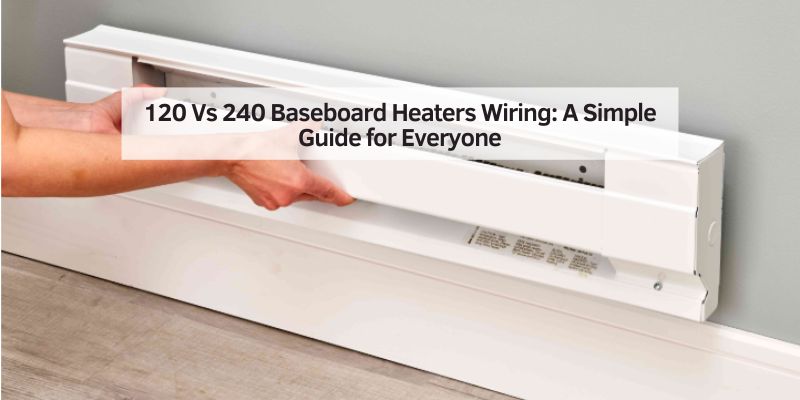
120 Vs 240 Baseboard Heaters Wiring: A Simple Guide for Everyone
When I first moved into my chilly basement apartment, I thought a baseboard heater would be a quick fix to stay cozy. But then I faced the big question: 120 vs 240 baseboard heaters wiring—what’s the difference, and which one should I choose? If you’re scratching your head over this, don’t worry! This article will walk you through the basics of wiring 120V and 240V baseboard heaters, share easy tips, and help you pick the right one for your home. Whether you’re a beginner, a DIY enthusiast, or a pro, I’ve got you covered with simple explanations, practical examples, and a few lessons from my own wiring adventures.
What Are 120V and 240V Baseboard Heaters?
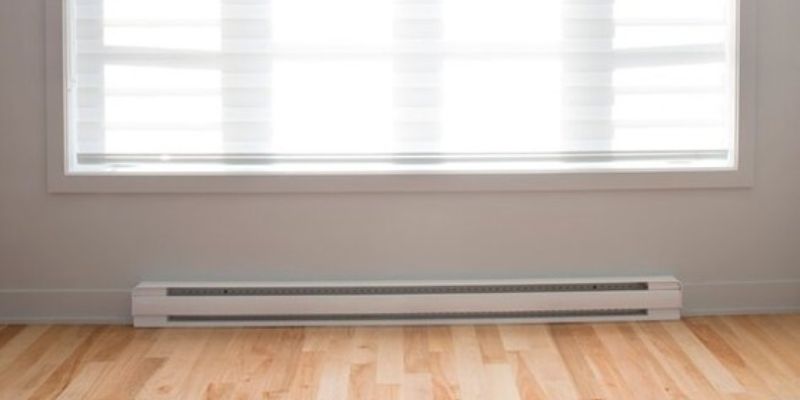
Baseboard heaters are long, slim units that sit along your wall and warm up a room. They use electricity to heat a metal element inside, which then radiates warmth. The “120V” and “240V” refer to the voltage of the electrical circuit they need. Voltage is like the power level of the electricity flowing to the heater.
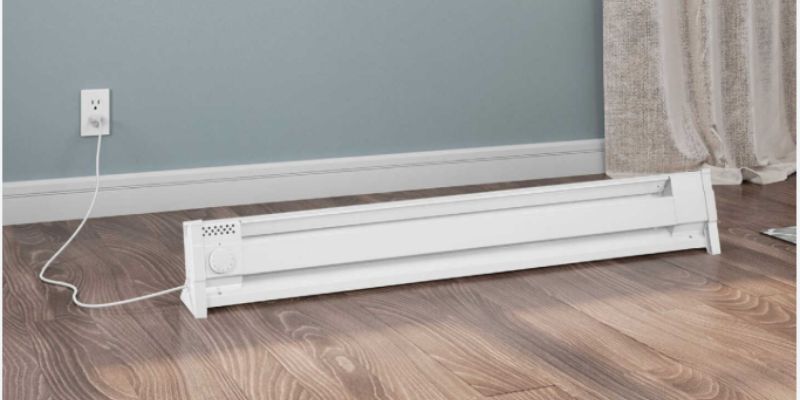
- 120V heaters plug into a standard household outlet, like the one for your lamp or phone charger. They’re easy to install and great for small spaces like a bedroom.
- 240V heaters need a special circuit, like what your dryer or oven uses. They’re more powerful and better for big rooms or commercial spaces.
Why does this matter? Choosing the right voltage ensures your heater works well without tripping breakers or wasting energy. My first mistake was thinking any heater would do—boy, was I wrong!
Why Voltage Matters for Baseboard Heaters
Voltage affects how much heat a baseboard heater can produce. A 240V heater can generate more warmth with the same size wire as a 120V heater, making it more efficient for larger spaces. But here’s the catch: wiring them wrong can cause problems, like weak heat or even a fire hazard.
For example, I once helped a friend install a 240V heater on a 120V circuit. It barely warmed the room, and we learned the hard way that it only produced a quarter of its rated power! Always match the heater’s voltage to your circuit to avoid this.
Comparing 120V and 240V Baseboard Heaters
Let’s break down the differences with a simple table to help you choose.
| Feature | 120V Baseboard Heater | 240V Baseboard Heater |
|---|---|---|
| Power Output | Lower (500-1500W) | Higher (1000-4000W) |
| Room Size | Small (100-200 sq ft) | Large (200-400 sq ft) |
| Circuit Type | Single-pole, 15-20A | Double-pole, 20-30A |
| Installation | Easier, uses standard outlet | Needs special wiring |
| Cost to Run | Same per watt, but less heat | Same per watt, more heat |
Table 1: Comparing 120V and 240V baseboard heaters for home use.
This table shows 120V heaters are simpler for small spaces, while 240V heaters pack a punch for bigger areas. Check your room size and circuit breaker before deciding.
How to Wire a 120V Baseboard Heater
Wiring a 120V baseboard heater is a piece of cake if you follow these steps. Always turn off the power at the breaker before starting!
- Check your circuit: Ensure you have a dedicated 120V, 15-20A circuit. Look at your breaker panel—a single-pole breaker means 120V.
- Gather tools: You’ll need a screwdriver, wire stripper, voltage tester, and 14/2 or 12/2 Romex wire.
- Mount the heater: Secure the heater to the wall per the manual, usually 6 inches above the floor.
- Connect wires: Attach the black (hot) wire to the heater’s black wire, white (neutral) to white, and green (ground) to green. Use wire nuts to secure.
- Test it: Turn the power back on and use a voltage tester to confirm 120V at the heater. Then set the thermostat and feel the warmth!
Safety Tip: Never use an extension cord with a baseboard heater—it’s a fire risk. Use hardwired connections only.
How to Wire a 240V Baseboard Heater
Wiring a 240V heater is trickier but doable with care. Here’s how I did it for my garage.
- Check your circuit: You need a 240V, 20-30A double-pole breaker. If you don’t have one, hire an electrician to install it.
- Get tools: Same as 120V, plus a double-pole breaker if upgrading your panel.
- Mount the heater: Follow the manual to secure it to the wall.
- Connect wires: Use 12/2 or 10/2 Romex. Connect two hot wires (usually black and red) to the heater’s hot terminals and the green ground wire to the ground terminal. No neutral is needed for 240V.
- Test it: Turn on the breaker, test for 240V, and adjust the thermostat.
Pro Tip: Label your breaker clearly as “240V Heater” to avoid confusion later.
Benefits and Drawbacks of Each
120V Baseboard Heaters
- Benefits: Easy to install, works with standard outlets, great for small rooms.
- Drawbacks: Less powerful, can’t heat large spaces, may trip breakers if overloaded.
240V Baseboard Heaters
- Benefits: More heat for bigger rooms, efficient for heavy use, can handle multiple heaters on one circuit.
- Drawbacks: Needs special wiring, higher upfront cost for circuit installation.
I learned 120V heaters are perfect for my small apartment, but my friend’s big living room needed a 240V heater to stay toasty.
Common Mistakes to Avoid
Here are mistakes I’ve made or seen others make:
- Mixing voltages: A 240V heater on a 120V circuit only gives 25% of its heat. Check the heater’s label!
- Overloading circuits: Don’t put a 1500W heater on a circuit with other big appliances like a fridge.
- Skipping safety checks: Always use a voltage tester before and after wiring.
Cost-Saving Tips
- Use a programmable thermostat: Save energy by lowering the heat when you’re not home. I cut my bill by 10% this way!
- Insulate walls: Good insulation keeps heat in, so your heater works less.
- Shop smart: Check sites like Home Depot for deals on heaters and wiring supplies.
Visual Ideas for Better Understanding
To make this easier, imagine these visuals (not included):
- A diagram showing a 120V circuit with one hot wire and a neutral versus a 240V circuit with two hot wires.
- A side-by-side photo of a single-pole vs. double-pole breaker in a panel.
- A chart comparing heat output for a 1000W heater at 120V vs. 240V.
These would help beginners see the wiring differences clearly.
Frequently Asked Questions
What’s the Main Difference Between 120V and 240V Baseboard Heaters?
A 120V heater uses a standard outlet and is less powerful, while a 240V heater needs special wiring and heats larger spaces better.
Can I Run a 240V Heater on a 120V Circuit?
No, it’ll only produce 25% of its rated heat, like 250W instead of 1000W. It’s safe but not effective.
How Do I Know If My Circuit Is 120V or 240V?
Check your breaker panel. A single-pole breaker is 120V; a double-pole breaker is 240V. Use a voltage tester to confirm.
Is a 240V Heater Cheaper to Run?
No, both use the same energy per watt. But 240V heaters heat faster, so they may run less often.
What Wire Size Do I Need for a Baseboard Heater?
Use 14/2 wire for 120V up to 1500W or 12/2 for 240V up to 3000W. Check the heater’s manual.
Are Baseboard Heaters Safe for Kids and Pets?
Yes, if installed correctly. Keep furniture away and use a thermostat to control heat. Never cover the heater.
Can I Install a Baseboard Heater Myself?
Yes, for 120V if you’re handy. For 240V, hire an electrician unless you’re experienced with double-pole breakers.
Conclusion
Choosing between 120V and 240V baseboard heaters comes down to your room size and electrical setup. A 120V heater is simple for small spaces, while a 240V heater rocks for bigger rooms. With the steps above, you can wire them safely and avoid my rookie mistakes. Try installing a heater in your chilly room, or share your wiring tips with friends! It’s a fun project that keeps you warm. Got questions? Drop them below, and let’s keep the cozy vibes going!