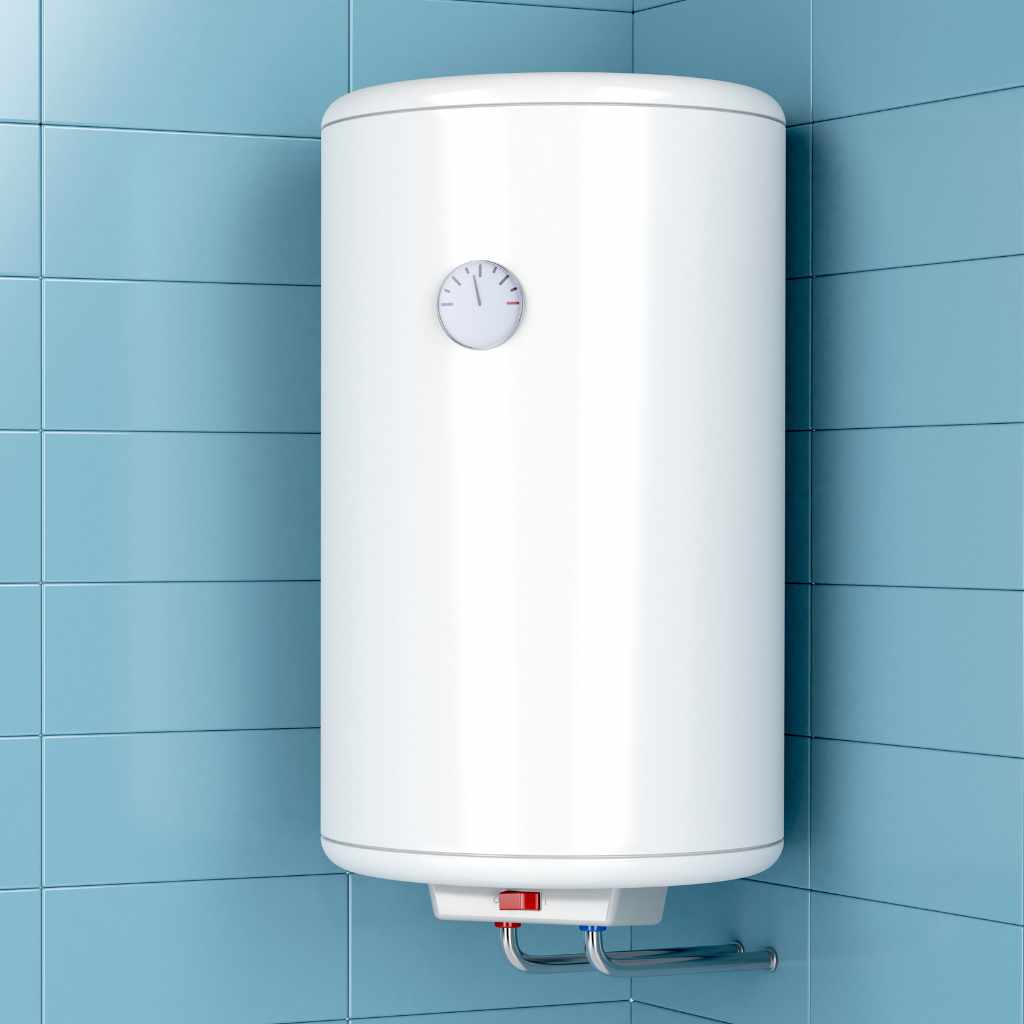
80 Gallon Water Heaters Deliver More Hot Water
Yes, 80-gallon water heaters are absolutely available, though they are less common than the standard 40 or 50-gallon sizes. They are an essential solution specifically designed for large homes, busy families, or applications needing high hot water recovery rates. You can find them reliably from major manufacturers.
Sometimes, the standard hot water tank just can’t keep up with your morning routine. Maybe you have teenagers who love long showers or you just installed a new jetted bathtub that drains the hot water instantly. If you are asking, “Are 80 gallon water heaters available?” you are looking for a serious upgrade in supply. It’s frustrating to run out of the essentials! Rest assured, 80-gallon models are out there, designed to bring reliable, endless hot water back to your busy home. This guide, straight from Tanim, your trusted home heating guide, will walk you through exactly what these big tanks are, when you truly need one, and how to make sure you choose the right one for your needs safely and smartly.
Understanding Water Heater Sizes: Why 80 Gallons Stands Out
Most homes use 40 or 50-gallon water heaters. These are the workhorses of the industry. However, as families grow or modern living demands more hot water at once (think simultaneously running the dishwasher, washing machine, and showers), these standard sizes fall short. An 80-gallon tank is usually reserved for bigger utility rooms or specialized needs. It offers massive capacity and recovery, but it’s much larger than standard units.
Before diving into availability, let’s quickly understand why size matters. Water heater sizing is not just about the tank volume; it’s about First Hour Rating (FHR). The FHR tells you how much hot water you can use in one busy hour. An 80-gallon heater boasts a significantly higher FHR than its smaller siblings, meaning fewer cold surprises.
The Core Availability Question Answered
To cut straight to the chase: Yes, 80-gallon water heaters are available. They are manufactured by top brands like Rheem, AO Smith, Bradford White, and others.
However, availability can sometimes mean they are special-order items rather than sitting on every local hardware store shelf next to the 50-gallon models. This slight difference in stocking often means you might have to wait a couple of extra days for delivery compared to grabbing a standard unit off the shelf.
Where You’ll Find 80 Gallon Tanks:
- Specialty plumbing supply houses.
- Large, online home improvement retailers that manage special appliance orders.
- Directly through licensed HVAC or plumbing contractors specializing in large systems.
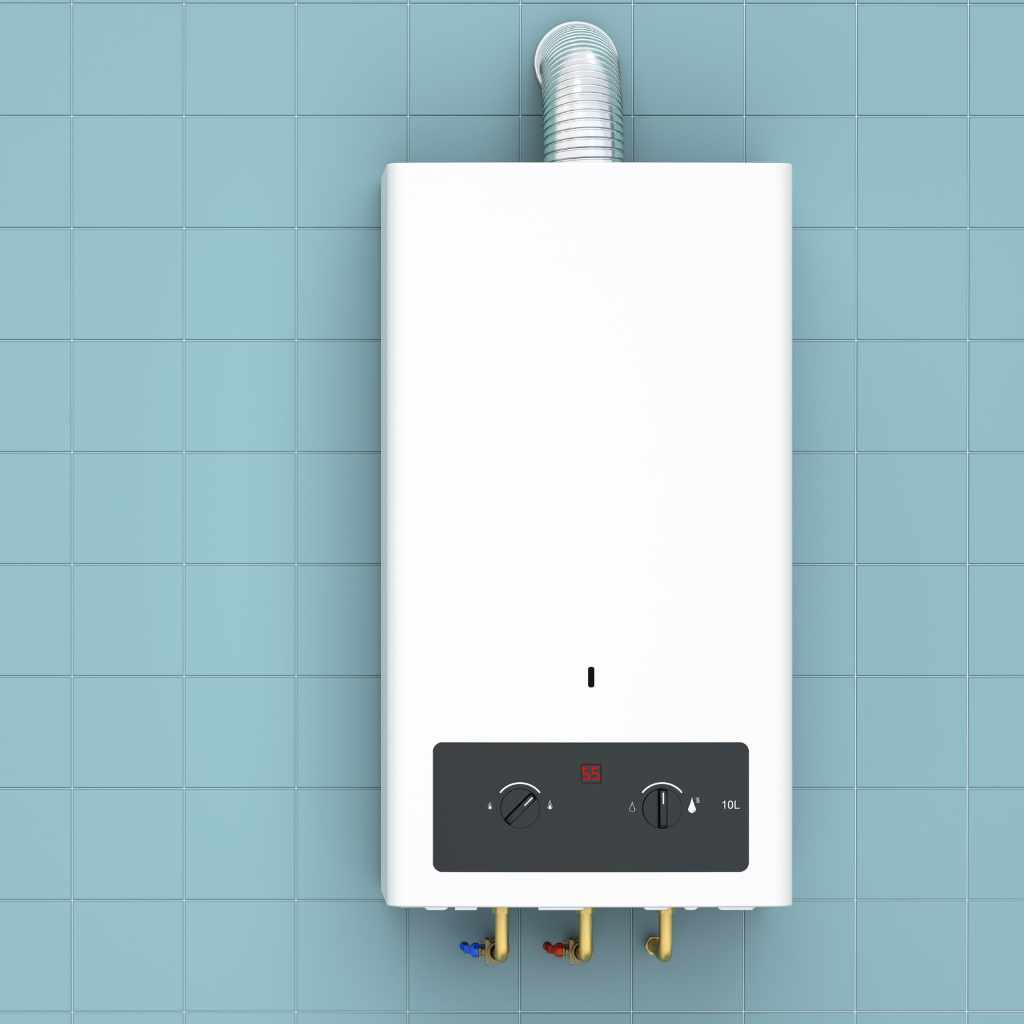
Who Needs an 80 Gallon Water Heater? Defining the Need
Jumping straight to an 80-gallon heater without realizing you need one can lead to wasted space and potentially higher energy bills if the unit is oversized for your actual consumption. An 80-gallon tank makes sense only under specific conditions. Let’s check if your household fits the bill.
High-Demand Scenarios Where 80 Gallons Shines
The primary reason homeowners seek out 80-gallon models is simple: they need a lot of hot water, fast, and all at once. Consider these common household profiles:
-
- Large Households: Homes with five or more people where multiple showers run back-to-back during peak morning hours.
- Luxury Fixtures: If you have a master bathroom featuring a deep soaking tub, a roman tub, or a large multi-head shower system, a standard unit will struggle to fill it the first time.
- High-Use Appliances: If you frequently run high-temperature wash cycles on your washing machine or use high-capacity dishwashers several times a day.
- Vacation Rentals (Airbnbs): Properties with high guest turnover need robust systems that recover quickly between check-outs and subsequent guest uses.
If your need is simply for more hot water over the course of the entire day but not necessarily all at once, sometimes upgrading to a more efficient type of heater (like a high-efficiency condensing gas unit or a tankless system) might be a better fit than increasing the tank size alone.
The Crucial Role of First Hour Rating (FHR)
When you shop for any water heater, don’t focus only on the storage volume (gallons). Focus on the FHR. This rating, based on Department of Energy (DOE) testing standards, simulates drawing hot water during the busiest hour of the day. A higher FHR means more comfort.
Here is a general comparison to illustrate why capacity upgrades are often sought:
| Tank Size (Approx.) | Typical Household Size | Estimated FHR (Gas Model Example) |
|---|---|---|
| 40 Gallons | 1-3 People | 55–65 Gallons |
| 50 Gallons | 3-4 People | 65–75 Gallons |
| 60 Gallons | 4-5 People | 75–88 Gallons |
| 80 Gallons | 5+ People / High-Luxury Use | 90–115+ Gallons |
As you can clearly see from the table, the 80-gallon unit dramatically increases the hot water available when you need it most. This capacity boost is why they are deemed “essential” when standard sizing fails.
Electric vs. Gas 80-Gallon Heater Considerations
Just like smaller units, 80-gallon heaters come in electric and gas (natural gas or propane) versions. Each has performance characteristics that affect availability, installation, and operating cost.
Gas 80-Gallon Heaters: Power and Recovery
Gas heaters generally offer faster recovery rates. If you are recovering from emptying that massive 80-gallon tank quickly between uses, gas is usually superior because the burner puts out more BTUs (heat energy) than electric elements can quickly generate.
Pros of Gas 80-Gallon:
-
-
- Faster reheating of large volumes of water.
- Operating costs are often lower than electricity in many regions.
-
Cons of Gas 80-Gallon:
-
-
- Requires a proper ventilation flue (chimney or power-vent setup).
- Requires a natural gas line or a propane tank hookup.
- Installation is generally more complex due to venting requirements.
-
Electric 80-Gallon Heaters: Simplicity and Placement
Electric 80-gallon units are simpler regarding installation (no venting needed), but they take longer to heat up a full tank from cold, especially if you opt for standard efficiency models. They rely on heating elements submerged in the water sitting idle in the tank.
Important Note on Electric Power: An 80-gallon electric water heater draws a significant amount of power, often requiring heavy-duty electrical service (usually 240V). Before purchasing, you must confirm your existing electrical panel has enough capacity and the correct wiring runs for the unit.
Pros of Electric 80-Gallon:
-
-
- Easier to install and vent (no flue required).
- Safer in some environments where gas venting is impossible or impractical.
-
Cons of Electric 80-Gallon:
-
-
- Slower recovery for such a large tank size.
- Operating costs can be high, depending on local electric rates.
-
Sizing Up the Space: Physical Dimensions and Installation Challenges
The biggest practical hurdle when seeking an 80-gallon water heater is physical space. These tanks are substantially larger than standard units, and you need to ensure your existing setup can accommodate the new footprint, location clearances, and weight.
Because these large tanks hold 80 gallons of water, plus the weight of the tank and insulation, they are extremely heavy when filled—often exceeding 850 pounds! Stability and structural support are non-negotiable.
Key Dimensions to Check Before Buying
While dimensions vary by manufacturer and type (power-vented vs. standard chimney-vented gas), generally expect an 80-gallon unit to be tall and wide.
| Dimension | Approximate Range (Gas Models) | Note for Homeowners |
|---|---|---|
| Height | 64 to 70 inches | Must clear ceilings, especially in basements or closets. |
| Diameter | 22 to 25 inches | Space between tank and walls is critical for maintenance access and potential flue connections. |
| Weight (Empty) | 180 to 250 lbs | Always check the empty weight for handling during installation. |
For the best guidance on safe installation clearances, especially concerning required distances from walls and building materials, it is recommended to consult guidelines provided by organizations like the International Residential Code (IRC). For example, if you are installing a standard atmospheric gas vent heater, proximity guidelines are strictly enforced for fire safety.
Tip on Replacement VS. New Installation: If you are replacing an existing 60-gallon tank with an 80-gallon tank, measure carefully. If the 80-gallon unit is wider, it must fit through the doorways and around the final location, or major renovation might be necessary.
Exploring High-Efficiency 80-Gallon Options
Since an 80-gallon tank holds a lot of water you might heat for standby losses (heat escaping the tank over time), efficiency becomes doubly important. Fortunately, modern manufacturing offers high-efficiency (HE) options even in these larger sizes.
Condensing Gas Water Heaters
If you use natural gas, a condensing gas water heater is often the ultimate choice for high-capacity needs. These capture heat from exhaust gases that usually escape up the chimney, recycling that energy back into the water. This can lead to efficiency ratings (thermal efficiency) above 90%.
While condensing units are often taller and slightly more complex internally, the savings on your monthly gas bill can quickly offset the higher initial purchase price, making the large investment worthwhile over the heater’s lifespan.
Heat Pump Water Heaters (Hybrid Models)
While larger, traditional heat pump (hybrid) models are more commonly found in the 50- to 65-gallon range, some manufacturers do offer 80-gallon hybrid models. These use components similar to an air conditioner to pull ambient heat from the surrounding air and transfer it to the water. They are incredibly energy efficient because they just move heat rather than creating it with electric resistance.
Caveat for Heat Pumps: Heat pump heaters need space and moderate surrounding air temperatures. If you install an 80-gallon hybrid unit in a very small, cold closet, its efficiency will drop significantly, and it might rely too heavily on its backup electric elements. They function best when installed in basements or utility rooms with decent air movement, normally above 40°F (4.4°C).
The Installation Process: What a Professional Needs to Know
Even if you are handy, installing an 80-gallon water heater is generally a job best left to qualified, licensed professionals. These units involve potentially dealing with high volumes of water, major gas lines, or high-amperage electrical wiring, along with heavy lifting.
When you call a plumber or HVAC technician for an 80-gallon installation, here are the specialized concerns they must verify:
-
-
- Load Bearing: Confirming the floor can safely support 850+ lbs when full. Sometimes, reinforcement (like an elevated platform over joists) is needed.
- Gas Line Size (If Gas): Larger burners require larger diameter gas supply lines to ensure enough fuel pressure under high demand. An old, undersized line will cause poor performance.
- Vent Height and Type (If Gas): Ensuring the existing flue can handle the exhaust of a potentially higher BTU input or that a new power vent system can be correctly installed and drained.
- Water Heater Pan and Drainage: Due to the massive volume, if an 80-gallon tank leaks catastrophically, it causes serious damage. A large, deep drain pan connected to a proper drain system is mandatory in many jurisdictions.
-
Always check state or local building codes before proceeding, as oversized units can sometimes trigger specific permitting or inspection requirements. You can generally find information on required clearances and specific venting standards through your local building department or resources hosted by state-level energy programs, similar to the guidelines maintained by the U.S. Department of Energy on residential energy efficiency.
Cost Expectations for an 80 Gallon Unit
The convenience of endless hot water comes with a higher upfront cost, not just for the appliance but often for the installation, due to the specialized requirements of large tanks.
Appliance Price Range (Estimates)
The cost varies widely based on fuel source, efficiency rating (standard vs. condensing/hybrid), and brand. Expect the purchase price alone to be substantially more than a standard 50-gallon model.
| Type of 80-Gallon Heater | Estimated Unit Cost (Appliance Only) |
|---|---|
| Standard Electric | $900 – $1,400 |
| Standard Atmospheric Gas | $1,100 – $1,600 |
| High-Efficiency Condensing Gas | $1,800 – $2,500+ |
| 80-Gallon Heat Pump (Hybrid) | $2,500 – $3,500+ |
Installation Cost Factors
Installation costs are variable, but for an 80-gallon replacement in an already suitable space, you might expect labor and materials (like new venting pipe or heavy-duty wiring) to range from $600 to $1,500+. If significant modifications are required—like upgrading the gas line size or ensuring floor reinforcement—the labor cost will increase accordingly.
Making the Decision: Is The 80-Gallon Right For You?
We’ve established that yes, 80-gallon water heaters are available, but they are not a universal solution. They are a specialized tool for specific consumption problems.
Before taking the final step, ask yourself these three critical questions:
-
-
- Is My Demand Truly High? Am I running two or more major appliances simultaneously, or am I relying on a bathtub that holds over 75 gallons? If the answer is consistently yes, the 80-gallon tank is justified.
- Do I Have the Space? Measure the area three times. Ensure you have the height, width, and necessary clearance around the unit for maintenance and safety codes.
- Can My Utility Infrastructure Handle It? Does my gas line safely supply high BTU input, or does my electrical panel have the necessary 240V capacity and amperage rating for an electric heater?
-
If you answered “Yes” to all three, an 80-gallon heater will transform your home comfort by eliminating the daily hot water anxiety. If you are unsure about utility requirements, this is the point where consulting Tanim’s advice transitions into hiring a licensed professional for an on-site assessment.
Frequently Asked Questions (FAQ) About Large Water Heaters
Q1: Can I replace my standard 50-gallon heater with an 80-gallon heater myself?
A: It is strongly recommended that you hire a licensed professional. 80-gallon tanks are much heavier, require secure floor support, and often involve connections (gas line sizing or dedicated high-amperage electrical circuits) that must meet local safety codes.
Q2: Will an 80-gallon water heater cost significantly more to run monthly?
A: An 80-gallon tank will have higher standby heat loss simply because it stores more water that needs maintenance heat. However, if you currently run out of hot water constantly, the efficiency gained by not running a secondary or booster system, or by having a high-efficiency (condensing) 80-gallon unit, might offset the standby difference.
Q3: How much longer does an 80-gallon tank last compared to a smaller one?
A: The lifespan is primarily determined by the quality of construction, water chemistry, and proper maintenance (like anode rod checks), not the gallon size. A well-maintained 80-gallon heater should last between 10 to 15 years, just like a 50-gallon unit.