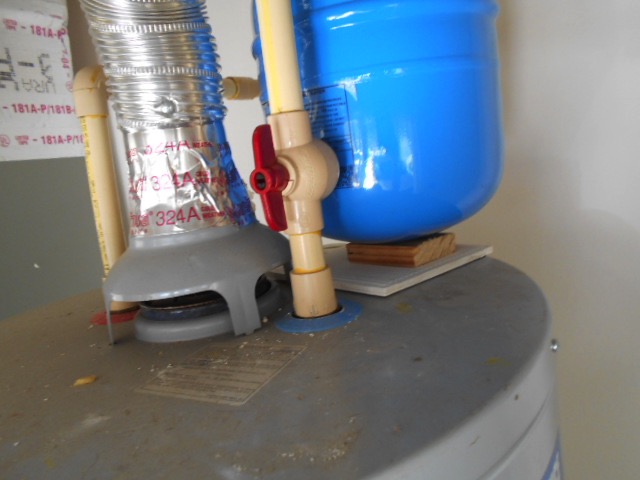
Water Heater Maintenance for Rusty or Discolored Water
If only hot water is rusty or brown, start with the water heater and its anode rod; if both hot and cold water are discolored, the source is usually the supply or household piping. Ignoring it can stain fixtures, clog aerators, hide corrosion, and let a failing tank leak. This guide shows how to isolate the source, what safe checks and flushes to try, and when replacement or a plumber makes more sense.
Why hot water turns rusty


Hot-only discoloration usually points to the water heater or the hot-side piping connected to it. Hot-and-cold discoloration points upstream, toward the municipal supply or the home’s main line. That split saves time, because flushing a tank will not fix a supply problem, and pipe replacement will not fix a corroding heater.
Hot-only discoloration points to the heater or hot-side piping
When only hot faucets run brown, the culprit is often inside the water heater or in the short run of pipe leaving it. Sediment at the bottom of the tank can be stirred up by a draw event or pressure change, and rust can also come from a worn tank liner or corroded hot-side piping.
Rusty hot water that clears after 30 to 60 seconds often suggests a local source. If the first minute is dirty and then the water runs clear, that pattern fits standing water in the heater, sediment near the tank outlet, or corrosion in a short branch line more than a citywide supply problem.
Hot-and-cold discoloration points upstream
If both hot and cold taps show the same brown, yellow, or red water, the source is usually upstream of the water heater. That means a municipal main break, a pressure disturbance, a treatment change, or a private main issue is more likely than the heater itself.
A clear hose bib compared with a brown kitchen faucet suggests an inside-home problem. A clear outside hose bib and discolored indoor taps often points to the branch plumbing or water heater, while every tap in the house turning color at once points toward the supply side.
How first-draw only water differs from persistent flow
First-draw only discoloration means the water is sitting in a pipe or tank section long enough to pick up sediment or rust. Persistent flow means the source is active, not just stagnant. That difference matters: standing water can clear after a short run, but active corrosion or supply disturbance keeps returning.
Say your laundry tub spits out rusty water after the heater sits unused for a few hours, then runs clear. That is more consistent with water sitting in the branch line or near the heater outlet. If the same faucet stays discolored for several minutes, stop treating it like a simple flush problem and widen the search.
Rusty water triage matrix
Use this matrix to separate heater problems from piping or supply issues before you choose a fix. It is built for a homeowner’s first pass, not a final diagnosis.
| Symptom pattern | Likely source | Confidence level | Safe DIY next step | When to call a plumber |
|---|---|---|---|---|
| Hot-only discoloration | Water heater, anode rod, or hot-side piping | Moderate to high | Run the hot tap, then flush the tank if the water is brown or sandy | Call if color returns after flushing or every hot tap stays discolored |
| Hot-and-cold discoloration | Municipal supply or main line | High | Check other fixtures, then contact the utility if multiple taps are affected | Call if the issue lasts beyond a short disturbance or includes low pressure |
| First-draw only | Stagnant water in a branch line, heater outlet, or nearby piping | Moderate | Run the faucet for 30 to 60 seconds and compare clear versus dirty flow | Call if the dirty water returns every day or gets worse |
| Persistent flow | Active corrosion, sediment release, or supply disturbance | Moderate to high | Stop after a brief check and inspect for heater sediment or system-wide discoloration | Call if the water does not clear or if rust appears in both hot and cold |
| Black water with sulfur odor | Hydrogen sulfide or sulfate-reducing bacteria, sometimes linked to an anode issue | High | Avoid drinking it; inspect the anode arrangement only if you know how to do so safely | Call promptly, especially if the smell persists or the tank is older |
Should you drink rusty hot water?
Rusty water is often a cosmetic or maintenance issue, but it should not be treated as harmless until the source is clear. If the discoloration is from iron, sediment, or old piping, it can stain fixtures and affect taste. If it is black water or carries a sulfur odor, treat it as a stronger warning sign.
Cosmetic discoloration versus likely tank or pipe corrosion
Brown or yellow water from a faucet can be caused by iron or sediment. EPA secondary drinking water standards list iron at 0.3 mg/L and manganese at 0.05 mg/L, both of which can cause visible staining before they create an acute health problem. That makes the first concern source control, not panic.
Still, visible rust means something is shedding material. A sacrificial anode rod, a glass-lined steel tank with a damaged liner, or galvanized steel pipe can all release particles into the water path. Those conditions deserve follow-up even if the water does not smell unusual.
When black water or sulfur odor changes the risk profile
Black or very dark water with sulfur odor can be linked to sulfate-reducing bacteria. A depleted magnesium anode rod can be part of that sulfur-odor problem, and changing anode material is a common remediation. That pattern deserves faster attention than ordinary brown water.
A common first-timer mistake is to keep running the hot tap for several minutes, hoping the smell will disappear. If the odor remains after a short flush, stop and inspect the heater with a plumber or service technician. Black water is not the same as simple first-draw rust.
What to flush and inspect first
Start with the easiest source checks that can be done safely: flush the tank, inspect the anode rod on schedule, and watch whether the problem returns. Flushing the tank is a common first step when sediment is the cause. It will not fix a failing liner or corroded plumbing, and it should not be the only action if black water or odor is present.
-
Shut off heat and water. Turn off electric power at the breaker or set a gas unit to pilot, then close the cold-water supply to the heater. This prevents dry-firing and keeps fresh water from churning more sediment while you drain.
-
Attach a hose carefully. Connect a hose to the water heater drain valve and run the hose to a safe place where hot water and sediment will not damage floors, plants, or finished surfaces. The drain valve is the outlet used for flushing sediment from the tank.
-
Open a hot faucet. Open a nearby hot tap to relieve pressure so the tank drains smoothly. Without that vent, the flow can slow or sputter, which leaves more sediment behind.
-
Drain until the water clears. Open the drain valve and let water run until the discharge loses its brown or sandy color. In hard water regions above 120 mg/L as calcium carbonate, sediment buildup is more common, so the drain may carry a visible amount of debris.
-
Refill before restoring heat. Close the drain, open the cold supply, and keep a hot faucet open until the air is purged and the stream runs steadily. Restore power or gas only after the tank is full.
Rowin says water heaters should be removed and flushed twice a year. That is a more aggressive schedule than many homeowners follow, but it aligns with the basic point: sediment left at the bottom of a storage tank can be disturbed by pressure changes or draw events and show up as brown water later.
Check the sacrificial anode rod
The sacrificial anode rod is usually magnesium or aluminum, and it is generally used to help protect the steel tank interior by corroding first. The DOE recommends inspecting anode rods every 3 to 5 years. When the rod is depleted, the tank interior loses that protection and corrosion risk rises.
If rusty hot water keeps returning after a flush, the anode rod moves higher on the list. In an older tank or a hard-water home, a worn rod can mean the tank itself is next in line. That is especially true if the discharge starts showing flakes, not just cloudy water.
When the tank itself is failing
A flushing problem and a failing tank can look similar at first, but they do not behave the same way. Sediment can be removed. A worn liner or exposed steel keeps shedding rust because the tank structure itself has begun to corrode.
Glass-lined steel tank damage and exposed steel
Many storage tanks use a glass-lined steel tank, also called a vitreous enamel lining, to keep water away from the steel shell. Thermal cycling and stress can create microfractures in that lining. Once steel is exposed, it oxidizes, and the rust can move into the hot-water stream.
That failure mode matters because it is not a simple debris issue. If the liner is breaking down, a flush may bring temporary improvement but will not stop the corrosion. The bigger warning sign is recurrence after cleaning, especially if the water heater is old and the hot-only discoloration keeps coming back.
Leak clues that point to replacement
Replacement becomes more likely when rust is paired with leaks, repeated sediment discharge, or a heater that will not stay clear after flushing. Water around the base, rust on the tank jacket, or a drain valve that no longer closes well are practical signs that service is moving from maintenance to failure management.
A 40-gallon heater can clear after a flush and then turn brown again within a few days, even with no city main work. That repeat cycle suggests an internal source, not a one-time disturbance. At that point, continuing to flush without inspecting the anode and tank condition wastes time.
When old pipes or the city are the source
Old piping and supply events can mimic heater trouble. The key is to look for patterns across multiple fixtures, then match them to the right part of the system. Galvanized steel pipe, municipal breaks, and treatment changes all belong in the differential before you replace a heater.
Galvanized steel pipe corrosion in older homes
Galvanized steel pipe is often found in pre-1960 homes. As the zinc coating depletes, iron is exposed, and hot water can accelerate corrosion in the hot distribution system. That can discolor only the hot side even when the heater itself is not the main problem.
Because hot water moves through the same metal pipe more often and at higher temperature, it can carry rust more readily. If the discoloration appears at multiple hot taps but not on the cold side, the heater and the first stretch of hot piping both deserve inspection.
Municipal main work, pressure changes, and treatment changes
Municipal supply contamination or disturbance can affect both hot and cold water at the same time. Water main breaks or hydrant breaks can introduce sediment into supply water, and pressure fluctuations can stir deposits loose. Treatment changes can also alter the color temporarily.
Heritage says Boston has cast iron mains from the 1800s and early 1900s, which shows why some cities still deal with old distribution material and periodic discoloration events. That does not mean every brown tap comes from the city, but it does mean upstream trouble is plausible when multiple fixtures change at once.
Iron and manganese as common discoloration sources
Iron and manganese are aesthetic secondary contaminants, so they are often noticed first by color and staining rather than by sharp health symptoms. Iron at 0.3 mg/L and manganese at 0.05 mg/L are common benchmark values used to judge whether staining and taste complaints are likely. Either one can leave brown or reddish water at the tap.
If the house has both hot and cold discoloration, and it happens across more than one fixture, those minerals move higher on the list. In that case, flushing a heater may clear the symptom briefly but not solve the source.
How long should discolored water run before I worry?
If discolored water clears within 30 to 60 seconds, the source is often localized to a branch line, faucet, or heater outlet. If it stays brown beyond that, or if every tap in the house is affected, the problem is more likely active corrosion or a supply issue. Persistent flow deserves more concern than a brief first-draw event.
Practical timing clues
Use the first minute as the main cutoff. Water that changes from brown to clear in that window often points to stagnant water rather than ongoing contamination. Water that stays discolored after a minute, especially at several fixtures, needs a broader check and likely professional help.
For comparison, a clear hose bib paired with a brown kitchen faucet is a useful clue that the problem sits inside the house. That pattern often separates exterior supply water from the hot-side distribution path indoors.
When does rusty water mean the water heater needs replacement?
Replacement becomes likely when hot-only discoloration keeps returning after flushing, when the tank shows leak clues, or when black water and sulfur odor point to a deeper internal problem. A bad anode rod can be corrected, but a damaged liner or leaking steel tank usually cannot be fixed in place.
If the heater is older, the anode is depleted, and sediment or rust returns quickly after service, the tank may be near the end of its life. That does not mean every rusty tank must be replaced today. It does mean repeat recurrence after flushing is a strong signal that repair has reached its limit.
Frequently asked questions
Why is my hot water rusty but cold water clear?
Hot-only rust usually means the heater, the sacrificial anode rod, sediment in the tank, or the hot-side piping is the source. Cold water bypasses those parts, so it stays clear. If the color clears after 30 to 60 seconds, the problem is often localized rather than coming from the main supply.
Is rusty water from a water heater dangerous?
Rusty water is often a corrosion or sediment problem rather than an acute poison warning, but it should not be ignored. It can stain, clog fixtures, and signal tank wear. Black water, sulfur odor, or repeat recurrence after flushing are stronger warning signs and deserve prompt inspection.
Should I flush my water heater if the water is brown?
Yes, if the problem is hot-only and there is no sulfur smell or leak, flushing the tank is a reasonable first step. Use the drain valve, a hose, and a safe discharge point. If the water turns brown again quickly, the issue is no longer just sediment.
How do I tell if the problem is my water heater or the city supply?
Compare hot and cold water at several fixtures. Hot-only discoloration points to the heater or hot-side piping. Hot-and-cold discoloration points upstream to the municipal supply or main line. A clear hose bib with a brown indoor faucet also points to a house-side issue rather than the city water.
Can a bad anode rod cause rusty hot water?
Yes. A sacrificial anode rod made of magnesium or aluminum protects the steel tank interior, and the DOE recommends inspecting it every 3 to 5 years. When the rod is depleted, the tank corrodes faster, and rust can enter the hot-water stream.
What does black water with a sulfur smell mean?
Black or very dark water with sulfur odor can be linked to hydrogen sulfide or sulfate-reducing bacteria. A depleted magnesium anode rod can be part of the problem. That pattern is different from ordinary brown sediment and should be treated as a separate warning case.